Ameri-Care Professional Service logo

Ameri-Care Assistant

Online • Home Health Care

Connect & Review:

English Español Kreyòl Ayisyen
305.826.8800 [email protected]
Hospital Readmission Prevention: How Skilled Home Health Care Reduces 30-Day Readmission Rates

Hospital Readmission Prevention: How Skilled Home Health Care Reduces 30-Day Readmission Rates

Hospital Readmission Prevention: How Skilled Home Health Care Reduces 30-Day Readmission Rates

By Eduardo Lopez Prado, BS, PTA, CLT, Ameri-Care Professional Service, Inc.

In the complex landscape of healthcare, hospital readmissions present a significant challenge, both for patients and the healthcare system. Each year, millions of patients experience a return to the hospital shortly after their discharge, which not only impacts their health but also contributes to soaring healthcare costs. This article delves into how skilled home health care can effectively reduce 30-day hospital readmission rates through various strategies and interventions. By understanding the mechanisms through which skilled nursing care operates, stakeholders can embrace home care as a viable solution to improve patient outcomes and enhance overall safety in transitioning between different care settings. Through comprehensive discussions on expected outcomes, key strategies for implementation, and the roles of various stakeholders, this guide offers valuable insights into hospital readmission prevention. For referral processes, skilled home care is a key option.

Skilled Home Health Care Effectively Reduces 30-Day Hospital Readmission Rates Through Several Strategies

Skilled home health care employs several strategies to mitigate the risk of hospital readmissions. This multi-faceted approach includes coordinated care that ensures patients receive the necessary support as they transition from hospital to home.

  • Patient Education: One of the primary aspects of skilled home health care involves educating patients about their conditions and self-management techniques.
  • Regular Monitoring: Skilled nurses perform ongoing assessments to track patient progress and quickly identify any potential complications.
  • Care Coordination: Effective communication between healthcare providers, patients, and family members ensures everyone is aligned regarding treatment plans and continuity of care.

These strategies work in concert to create a supportive environment, ultimately leading to improved recovery trajectories and reduced hospital visits.

Expected Outcomes

Implementing skilled home health care yields several positive outcomes, significantly impacting patient recovery and quality of life. Key expected outcomes include:

  • Reduction in Readmission Rates: Patients receiving skilled home health care have shown lower rates of readmission compared to those without follow-up support.
  • Improved Recovery Outcomes: Enhanced management of chronic conditions and acute health issues allows patients to recover in the comfort of their homes.
  • Enhanced Patient Satisfaction: When patients feel supported and informed about their care, overall satisfaction with the healthcare experience tends to increase.

These outcomes reinforce the importance of skilled nursing care in supporting patients during the vulnerable post-discharge phase.

Implications for Patient Care

The implications of skilled home health care extend beyond immediate medical needs, affecting broader aspects of patient care. This model promotes independence among patients, allowing them to manage their health better. Additionally, it facilitates long-term health improvements by placing emphasis on preventive care and ongoing monitoring.

Patients with chronic conditions, in particular, stand to benefit significantly from skilled home health care. This approach not only addresses acute issues but also supports the ongoing management required for chronic disease stabilization.

What Are the Core Benefits of Skilled Nursing Care in Preventing Hospital Readmissions?

Skilled nursing care delivers critical benefits in preventing hospital readmissions by focusing on personalized and coordinated care. Key benefits include:

  1. Personalized Care: Skilled nursing services tailor care plans to individual patient needs, ensuring that specific health concerns are addressed comprehensively.
  2. Comfort and Familiarity: Home-based recovery allows patients to heal in an environment that is comfortable and familiar, which can significantly influence emotional well-being during recovery.
  3. Effective Management of Chronic Conditions: Skilled nursing facilitates proactive management of chronic conditions through regular assessments and timely interventions.

These benefits highlight the effectiveness of skilled nursing care in fostering a healthier transition from hospital to home.

Key Strategies

There are several strategic approaches employed by skilled nursing teams to help prevent readmissions. These strategies include:

  • Regular Monitoring: Continuous assessment of vital signs and health status allows for prompt interventions when concerns arise.
  • Care Coordination: Skilled nurses act as liaisons between patients, families, and healthcare providers to ensure coordinated efforts toward the patient’s care plan.
  • Family Involvement: Engaging family members in the recovery process enhances support for the patient and fosters a collaborative approach to care management.

Through these strategic actions, skilled nursing initiatives aim to decrease the likelihood of complications that necessitate hospital readmission.

Effectiveness Metrics

Measuring the effectiveness of skilled home health care involves monitoring various metrics that reflect patient outcomes. Key effectiveness metrics include:

  • Reduction in Readmission Rates: Tracking the frequency of patient readmissions within 30 days of discharge provides a clear indicator of the care model's effectiveness.
  • Patient Satisfaction Statistics: Gathering patient feedback through surveys allows providers to assess satisfaction levels and identify areas for improvement.
  • Improved Recovery Outcomes: Evaluating patient recovery trajectories and health improvements reflects the quality of care received.

By consistently measuring these metrics, healthcare providers can refine their approaches and enhance care delivery.

Patient Outcomes

Skilled nursing care leads to enhanced patient outcomes in several significant ways. Noteworthy outcomes include:

  • Enhanced Independence: Patients often experience increased autonomy in managing their health, contributing to a greater sense of control over their lives.
  • Lower Infection Risks: Skilled nurses extensively educate patients on hygiene and care practices, significantly reducing infection risks during recovery.
  • Holistic Support: Providing comprehensive support that addresses both physical and emotional needs can lead to quicker recoveries and improved overall health.

These outcomes demonstrate the positive influence that skilled nursing can have on patient health.

How Does Skilled Nursing Care Support Post-Discharge Recovery at Home?

Post-discharge recovery at home is significantly supported by skilled nursing care through individualized attention and medical oversight. Skilled nurses provide essential services such as:

  • Wound Care Management: Ensuring that surgical or chronic wounds are properly cared for minimizes the risk of complications.
  • Monitoring Vital Signs: Regular checks of vital signs help track patient health and allow for timely interventions when changes occur.
  • Patient Education: Educating patients about their treatment plans and self-care promotes adherence to prescribed therapies, further enhancing recovery.

By focusing on these elements, skilled nursing care supports a seamless transition to home-based care.

Which Skilled Nursing Interventions Reduce 30-Day Readmission Rates?

Several specific interventions have been identified as particularly effective in reducing readmissions among patients post-discharge. These interventions encompass:

  • Medication Management: Skilled nurses ensure patients understand their prescriptions, eliminating confusion and enhancing adherence to medication regimens.
  • Patient Education: Instructing patients about warning signs to watch for and when to seek help proactively prevents complications.
  • Regular Assessments: Conducting systematic evaluations of patients' health status enables the early detection of potential issues.

By implementing these targeted interventions, skilled nursing care can significantly contribute to lowering the risk of hospital readmissions.

How Does Post-Discharge Care Planning Enable Effective Hospital Readmission Reduction?

Post-discharge care planning is crucial for reducing hospital readmissions. An effective care plan typically involves the following:

  • Interdisciplinary Coordination: Involving various healthcare professionals ensures that all aspects of the patient's care are comprehensively addressed.
  • Personalized Discharge Planning: Tailoring discharge instructions and follow-up plans to individual patient needs fosters better adherence and understanding.
  • Ongoing Monitoring: Establishing a system for continuous oversight after discharge enhances the ability to address any issues promptly before they escalate.

This structured approach is essential for a successful transition and minimizes the chance of readmission.

What Are the Essential Components of an Effective Post-Discharge Care Plan?

Effective post-discharge care plans include several essential components to ensure a smooth recovery process. These components are:

  • Personalized Discharge Planning: Customizing the care plan to each patient's unique needs creates a focused approach to recovery.
  • Interdisciplinary Coordination: Engaging various healthcare disciplines within the care plan enhances the quality of support provided to the patient.
  • Patient and Family Education: Instructing both patients and their families improves understanding and adherence to the care plan.

Including these elements leads to better health outcomes and fosters a supportive recovery environment.

How Is Care Coordination Executed Between Home Health Agencies and Discharging Hospitals?

Effective care coordination between home health agencies and discharging hospitals is essential in preventing readmissions. This process typically involves:

  • Nurse Navigators: These professionals are vital in ensuring seamless transitions by facilitating communication between healthcare entities.
  • Regular Check-Ins: Scheduled follow-ups post-discharge allow for monitoring patient progress and prompt adjustments to care plans as needed.
  • Shared Electronic Records: Utilizing shared electronic medical records enhances communication and minimizes errors due to miscommunication.

This coordinated approach is essential for the safe and efficient transition of patients from hospital to home care settings.

Which Chronic Conditions Benefit Most from Home Health Care Management to Lower Readmission Risks?

Home health care management significantly benefits several chronic conditions, leading to better health outcomes and reduced readmission risks. Key conditions include:

  • Diabetes Management: Patients benefit from continuous monitoring and education on blood sugar management.
  • Heart Disease Monitoring: Regular assessments help manage heart function and mitigate risk factors effectively.
  • Chronic Obstructive Pulmonary Disease (COPD): Skilled nursing interventions focus on breathing techniques and medication adherence.

By managing these conditions effectively at home, skilled nursing care can play a crucial role in reducing readmission rates.

How Does Skilled Home Care Address Common Chronic Diseases Like COPD and CHF?

Skilled home care offers tailored support addressing common chronic diseases such as COPD and congestive heart failure (CHF). This support includes:

  • Personalized Care for COPD: Skilled nurses provide respiratory therapy and education, improving patients' breathing and reducing exacerbations.
  • Medication Management for CHF: Ensuring proper adherence to medications is critical for managing symptoms and preventing complications.
  • Rehabilitation Support: Providing rehabilitation services allows patients to improve their physical function and overall well-being.

These targeted interventions empower patients, aiding their ability to manage chronic diseases effectively at home.

What Home-Based Strategies Improve Stability and Prevent Rehospitalization for Chronic Patients?

Several home-based strategies effectively improve stability for chronic patients, leading to a significant reduction in the likelihood of rehospitalization. Effective strategies include:

  • Skilled Nursing Services: Offering tailored nursing care helps address both acute and chronic health needs efficiently.
  • Patient Education: Empowering patients with knowledge about their conditions and self-management enhances their capability to avoid complications.
  • Ongoing Monitoring: Continuous assessments enable prompt responses to any arising issues, thus preventing potential readmissions.

These strategies collectively foster a stable home environment for patients managing chronic conditions.

What Is the Role of Home Health Care Agencies in Coordinating Skilled Nursing and Preventing Readmissions?

Home health care agencies play a pivotal role in coordinating skilled nursing services to effectively prevent readmissions. These agencies are responsible for:

  • Comprehensive Care Coordination: They ensure continuity of care by collaborating with hospitals and other providers throughout the discharge process.
  • Personalized Care Plans: Addressing the specific health needs of each patient helps maintain optimal recovery outcomes.
  • Quality Assurance: Regular evaluations of care effectiveness enable agencies to adjust practices, enhancing service delivery.

This coordination is essential in reducing hospital readmissions while improving patient health outcomes in the community.

How Do Agencies Ensure Quality and Trustworthiness in Skilled Nursing Services?

To maintain high standards in skilled nursing services, agencies utilize various methods to ensure quality and trustworthiness. Critical practices include:

  • Regulatory Standards: Adherence to healthcare regulations and standards guarantees that care meets required quality benchmarks.
  • Accreditation: Seeking accreditation from recognized organizations indicates a commitment to delivering optimal care.
  • Patient Satisfaction Metrics: Gathering and analyzing feedback from patients allows agencies to monitor service quality and make necessary improvements.

These practices build trust among patients and families, essential for successful care transitions.

What Are the Referral Processes for Healthcare Providers to Initiate Skilled Home Care?

Healthcare providers can initiate referrals for skilled home care through a structured process that ensures patients receive timely support. Key steps include:

  1. Consultation: Engaging in discussions with patients about the need for skilled home health care.
  2. Submission of Referral Form: Completing necessary documentation to formally initiate the referral process.
  3. Coordination with Healthcare Providers: Ensuring collaboration with other healthcare professionals involved in the patient’s care plan.

This streamlined referral process enhances the likelihood that patients will receive appropriate support to avoid readmission.

Which Measurable Outcomes Demonstrate the Effectiveness of Skilled Home Health Care in Reducing Readmission Rates?

Several measurable outcomes effectively illustrate the impact of skilled home health care on reducing readmission rates. Key outcomes include:

  • Improved Health and Quality of Life: Patients report significant enhancements in their overall well-being due to personalized care.
  • Family Involvement: Engaging family members in care contributes to better adherence to treatment plans and follow-up systems.
  • Reduction in Readmission Rates: Data consistently shows that patients receiving skilled nursing care have lower readmission statistics compared to those without post-discharge support.

These outcomes underscore the importance of implementing skilled nursing care as a preventative strategy for readmission.

What Recent Data Supports Reductions in 30-Day Hospital Readmissions Through Skilled Care?

Recent studies provide compelling evidence that skilled home health care significantly lowers 30-day hospital readmission rates. Comprehensive data analysis indicates:

  • Statistics on Readmission Rates: Recent figures reveal a decrease of up to 25% in readmissions for patients receiving skilled nursing services compared to traditional care models.
  • Data from Recent Studies: Multiple research studies reaffirm the effectiveness of skilled nursing interventions in optimizing patient recovery.
  • Importance of Skilled Home Care Services: The data highlight the critical role that skilled nursing plays in ensuring a smooth transition from hospital to home.

This evidence fortifies the argument for expanding skilled home health care resources in the fight against hospital readmissions.

How Do Patient Outcomes and Satisfaction Reflect Success in Home-Based Post-Discharge Care?

Patient outcomes and satisfaction metrics are pivotal indicators of success in home-based post-discharge care. Key factors to consider include:

  • Patient Satisfaction Scores: Higher satisfaction scores correlate with increased adherence to treatment plans and health improvement outcomes.
  • Adherence to Treatment Plans: Compliance with recommended care practices reduces the risk of complications and readmissions.
  • Reduction in Hospital Visits: Fewer hospital visits among patients receiving skilled nursing indicates effective home care services.

Cumulatively, these metrics highlight how skilled nursing care can effectively enhance recovery while ensuring that patients and families remain satisfied with their healthcare experience.

Key Takeaways

  • Home health care reduces 30-day hospital readmission rates by up to 25%, demonstrating significant impact on patient outcomes and healthcare costs.
  • CMS Hospital Readmissions Reduction Program (HRRP) penalties make prevention of avoidable readmissions a financial imperative for healthcare institutions.
  • Licensed nurses and therapists deliver evidence-based transitional care that ensures continuity and quality in post-discharge patient management.
  • Critical nursing interventions such as patient education and medication reconciliation are vital to preventing complications and readmissions.
  • Ameri-Care Pro Health provides Miami-Dade's leading hospital readmission prevention program, leveraging multidisciplinary skilled nursing services to optimize recovery.

References and Clinical Evidence

Drawing upon my expertise as Eduardo Lopez Prado, BS, PTA, CLT, it is essential to contextualize this article’s insights within established clinical evidence and authoritative healthcare programs:

What is the CMS Hospital Readmissions Reduction Program?

As Eduardo Lopez Prado, BS, PTA, CLT, I emphasize the CMS Hospital Readmissions Reduction Program (HRRP) is a federal initiative designed to financially penalize hospitals with higher-than-expected readmission rates for specific conditions. Its goal is to incentivize improved discharge planning, care coordination, and post-discharge support to lower avoidable readmissions and promote patient safety.

How much can home health care reduce readmission rates?

Drawing from clinical studies and my professional experience, home health care can reduce 30-day hospital readmission rates by approximately 20-25%, especially when skilled nursing, patient education, and care coordination interventions are effectively implemented. These reductions reflect meaningful improvements in patient recovery and health system efficiency.

What is a skilled nursing facility alternative?

A skilled nursing facility (SNF) alternative, from a clinical standpoint, is home-based skilled nursing care that delivers comparable medical oversight, rehabilitation, and personalized interventions in the patient's home environment. This approach promotes comfort, autonomy, and can reduce costs and risks associated with facility-based care.

What HIPAA protections apply to post-discharge care?

HIPAA safeguards all personal health information shared during post-discharge care, ensuring confidentiality and security of patient data among healthcare providers, home health agencies, and care coordinators. Compliance with HIPAA regulations protects patient privacy while facilitating the necessary information exchange to provide effective skilled nursing services.

How does Ameri-Care Pro Health prevent hospital readmissions?

At Ameri-Care Pro Health, leveraging my expertise, we prevent hospital readmissions by delivering comprehensive skilled home health care services focused on personalized care plans, rigorous monitoring, patient and family education, and seamless care coordination with hospitals and providers. Our multidisciplinary team strives to support patients through every phase of recovery to enhance outcomes and reduce unnecessary hospital utilization.

Remote Patient Monitoring for Seniors: How Wearable Technology Is Transforming Home Health Care in Florida

Remote Patient Monitoring for Seniors: How Wearable Technology Is Transforming Home Health Care in Florida

Remote Patient Monitoring for Seniors in Florida: How Wearable Health Monitoring Devices Transform Home Health Care for Chronic Conditions

By Eduardo Lopez Prado, BS, PTA, CLT, Ameri-Care Professional Service, Inc.

As the elderly population in Florida grows, the healthcare industry is increasingly adopting innovative technologies to enhance home health care, particularly for those with chronic conditions. Remote patient monitoring (RPM) leverages wearable health monitoring devices to provide continuous health data, enabling proactive management of patient care from the comfort of their homes. In this article, we will explore how RPM and wearable technology are revolutionizing home healthcare for seniors, focusing on vital metrics trackable through these devices, their clinical benefits, and the role of insurance in facilitating access to these essential services. With an interconnected healthcare ecosystem, RPM not only improves patient outcomes but also empowers families to engage meaningfully in the care process.

Readers will gain insights into the mechanisms by which RPM enhances senior care, the specific wearable devices available in the market, and the potential for improved health outcomes, including reduced hospital readmissions. Our exploration will highlight critical dimensions including clinical benefits, regulatory support, practical guidelines for usage, and the supportive role of organizations like Ameri-Care Professional Service, Inc., which uniquely integrates RPM technology with personalized care coordination.

What Is Remote Patient Monitoring and How Does It Enhance Senior Home Care in Florida?

Remote patient monitoring (RPM) refers to the use of digital technologies to monitor patient health metrics outside conventional clinical settings. This approach empowers seniors to engage in their health management while reducing traditional barriers to care. RPM encompasses various tools, particularly wearable health devices that track vital signs such as heart rate, blood pressure, and activity levels. These devices transmit data in real-time to healthcare providers, who can then make informed decisions regarding patient care without requiring visits to health facilities. Enhanced connectivity allows timely interventions when necessary, ensuring that seniors receive prompt care tailored to their evolving health status.

The implementation of RPM can significantly enhance the home care experience for seniors in Florida. For instance, it fosters greater independence as patients can manage their health remotely. Moreover, caregivers benefit from increased visibility into patient health, facilitating more pertinent conversations during follow-up appointments.

What Are the Clinical Benefits of RPM for Seniors with Chronic Conditions?

RPM offers numerous clinical advantages for seniors with chronic conditions. It can lead to reduced rates of hospital readmissions and improved patient engagement through ongoing monitoring. Moreover, tailored care plans enable healthcare providers to offer personalized recommendations based on real-time data. Key benefits include:

  1. Reduction in Hospital Readmissions: Continuous monitoring allows for early identification of health deterioration, reducing emergency incidents that necessitate hospital visits.
  2. Increased Patient Engagement: Patients feel more involved in their health management thanks to the direct feedback provided by wearable devices.
  3. Personalized Care Plans: Providers can create and adjust care plans more effectively based on the data received, leading to better health outcomes.

Due to these benefits, many healthcare professionals advocate for the incorporation of RPM into standard practice, emphasizing its potential to transform chronic disease management for older populations.

How Do Medicare and Medicaid Coverage Policies Support RPM Services for Florida Seniors?

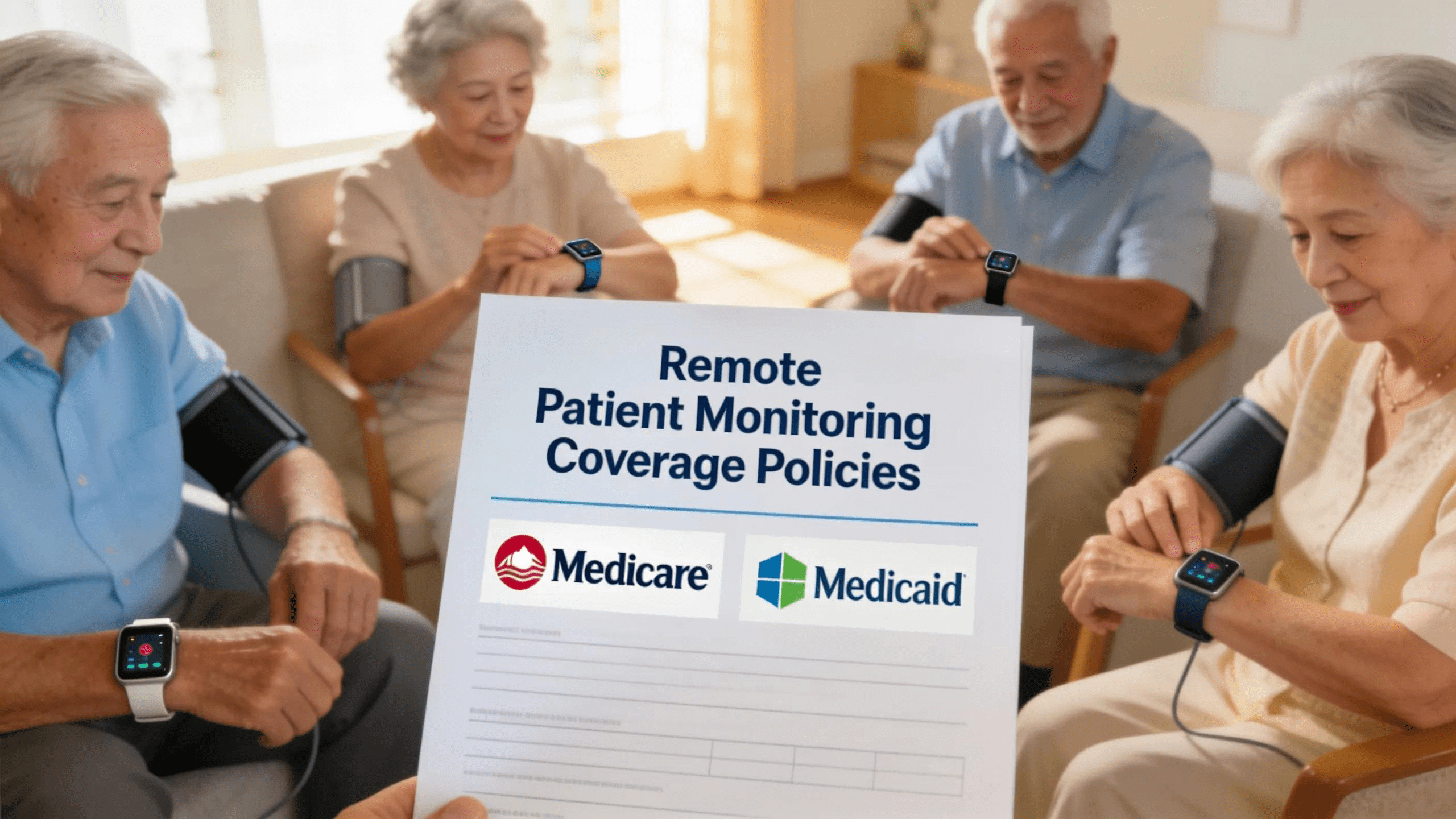
Understanding the financial aspects of remote patient monitoring is crucial for seniors seeking these services. Medicare and Medicaid have made strides to include RPM in their coverage, which enables broader access for patients. Insurance providers recognize the efficacy of RPM and its role in enhancing care delivery, thus encouraging adoption among healthcare practitioners.

Which RPM Services Are Eligible for Medicare and Medicaid Reimbursement in Florida?

Several RPM services are eligible for reimbursement under Medicare and Medicaid in Florida, including:

  • Device Setup and Monitoring: Initial setup and ongoing monitoring costs for essential RPM devices like heart rate monitors and glucose sensors.
  • Care Coordination: Reimbursement for time spent by healthcare providers to analyze data and communicate with patients.
  • Patient Education and Support: Coverage for educational materials and support services that help patients utilize RPM technologies effectively.

Receiving coverage for these services significantly reduces the financial burden on patients, making RPM a viable option for many seniors.

What Are the Latest 2026 CMS and AHCA Guidelines Influencing RPM Coverage?

The Centers for Medicare & Medicaid Services (CMS) and the Agency for Health Care Administration (AHCA) have released updated guidelines emphasizing the importance of RPM services. Key highlights from the 2026 guidelines include:

  • Expanded Reimbursement Framework: More inclusive definitions of eligible RPM services, accommodating various wearable devices.
  • Compatibility Standards: Guidelines ensuring devices meet specific criteria for integration with health monitoring systems to enhance data accuracy.
  • Providers’ Roles: Clarification on the responsibilities of healthcare providers in supervising RPM, emphasizing proper device utilization and patient education.

These regulations aim to promote RPM adoption and streamline access for Florida seniors.

How Does Wearable Technology Improve Chronic Condition Management at Home?

Wearable technology serves as a pivotal component of remote patient monitoring, offering numerous advantages for patients managing chronic conditions. This technology encompasses devices such as smart health wearables and chronic disease monitors, which help track vital metrics ranging from heart rate to physical activity.

What Types of Wearable Senior Health Tracking Devices Are Recommended for Chronic Disease Monitoring?

There are various wearable devices designed specifically for seniors, facilitating effective chronic disease monitoring:

  • Heart Rate Monitors: Help track cardiovascular health by providing continuous heart rate data.
  • Blood Pressure Monitors: Allow seniors to measure their blood pressure regularly, providing valuable information for managing conditions like hypertension.
  • Activity Trackers: Encourage physical movement and foster healthy habits by monitoring activity levels.

These devices not only enhance care quality but also motivate seniors to take an active role in their health.

How Does RPM Enable Medication Adherence and Early Intervention?

Remote patient monitoring significantly enhances medication adherence among seniors. Wearable devices often integrate medication reminders, ensuring that patients take their treatments as prescribed. Through the real-time data collected, healthcare providers can adjust medication regimens promptly, addressing any adherence issues as they arise. This capability reflects the broader objective of RPM to support early intervention, allowing for timely adjustments that can prevent complications stemming from chronic conditions.

Technical Specifications of RPM Devices

As a healthcare professional with direct experience in deploying RPM technologies, I can attest to the importance of understanding the technical aspects that define wearable biosensors in clinical contexts. Several advanced devices are widely used in senior care:

  • Philips Biosensor BX100: A lightweight, adhesive patch designed for continuous electrocardiogram (ECG) monitoring. It samples cardiac data at rates of up to 1000 Hz, ensuring high-fidelity signal capture. The device leverages Bluetooth Low Energy (BLE) for wireless data transmission, has a battery life of approximately 7 days, and is classified as an FDA Class II medical device.
  • BioIntelliSense BioButton: A discreet, coin-sized biosensor that captures multiple vital signs including temperature, heart rate, respiratory rate, and activity. Sampling frequencies range from 1 to 250 Hz depending on the metric. Connected via cellular LTE as well as BLE, the BioButton supports continuous monitoring without requiring patient intervention. The FDA has cleared it as a Class II medical device, reflecting its intended use in diagnostic monitoring.
  • Current Health Patch: This multi-parameter biosensor provides real-time measurement of oxygen saturation (SpO2), respiratory rate, pulse rate, and skin temperature. It uses Zigbee protocol alongside BLE for robust in-home connectivity and offers up to 10 days of battery autonomy. The device complies with FDA Class II standards and supports secure data transmission aligned with HIPAA.

Regarding data interoperability, these devices utilize healthcare data standards such as HL7 FHIR (Fast Healthcare Interoperability Resources) for seamless integration into electronic health records (EHRs). IEEE 11073 protocols are frequently employed for personal health device communication, ensuring uniform data formats and enabling diverse healthcare systems to exchange information reliably.

Clinical Workflows and Care Protocols for RPM Integration

Integrating RPM into home health care plans requires structured clinical workflows to optimize outcomes for seniors. The process typically begins with onboarding protocols that include patient education, device setup verification, and baseline health data collection. Care teams establish green, yellow, and red thresholds for key vital signs that trigger alert escalations:

  • Green: Normal range, no action required but continuous monitoring continues.
  • Yellow: Slight deviations detected; flagged for nurse review and potential phone follow-up.
  • Red: Critical values outside safe parameters; immediate intervention initiated.

Alert management workflows involve nurses and care coordinators assessing data alerts within designated timeframes, performing triage to decide whether to contact patients, adjust care plans, or escalate to physicians. This tiered response enhances timely interventions and mitigates risks of adverse events.

Moreover, careful integration with EHR systems like Epic and Cerner supports streamlined documentation and coordinated care. Real-time data from RPM devices feed directly into patient charts, enabling providers to review trends alongside other clinical information, thus facilitating holistic and proactive patient management.

Expanded HIPAA and Regulatory Framework for RPM in Florida

Compliance with privacy and security regulations is fundamental to RPM deployment. RPM devices and associated services must adhere to HIPAA mandates for protecting patient data. This includes implementation of encryption standards such as AES-256 for data at rest and TLS 1.3 for data in transit to safeguard health information.

Healthcare organizations enter into Business Associate Agreements (BAAs) with RPM device manufacturers and software vendors to delineate responsibilities under HIPAA. These agreements ensure that all parties uphold federal requirements related to data confidentiality and breach notification.

At the regulatory level, CMS Conditions of Participation for home health agencies require documented policies governing the use of RPM within patient care plans. In Florida, the Agency for Health Care Administration (AHCA) oversees state-specific guidelines that include device certification and staff training mandates.

The Federal Trade Commission (FTC) also enforces guidelines related to the security of health data, particularly concerning inaccurate representations of device capabilities and consumer protections. These frameworks collectively ensure responsible RPM adoption while maintaining patient trust.

Evidence-Based Outcomes and Case Studies Supporting RPM

Numerous peer-reviewed studies validate the transformative effect of RPM on senior health outcomes. For example, a randomized controlled trial published in the New England Journal of Medicine demonstrated a 38% reduction in hospitalizations for heart failure patients managed with RPM. Similarly, a study in the Journal of the American Medical Directors Association reported significantly fewer emergency department visits for diabetic seniors utilizing continuous glucose monitoring paired with RPM services.

CMS demonstrations have shown cost savings through avoidance of readmissions and enhanced chronic condition management, emphasizing RPM's economic and clinical benefits. According to the Agency for Healthcare Research and Quality (AHRQ), RPM interventions in elderly populations reduce hospitalization rates by 20% to 40%, confirming substantial impact.

Miami-Dade Specific Context for RPM Home Health Florida

Florida's aging demographic is pronounced in Miami-Dade County, where over 20% of residents are aged 65 or older. In this context, RPM emerges as a vital tool to support the growing need for effective chronic disease management while promoting aging in place.

Local health systems such as Baptist Health South Florida and Jackson Health System have integrated RPM technology into their care protocols, demonstrating leadership in adopting telehealth innovations. These systems focus on continuity of care through continuous patient engagement and data-driven interventions.

Additionally, hurricane preparedness is a critical consideration. Many RPM devices feature battery backups and wireless capabilities that maintain continuous monitoring during power outages, ensuring uninterrupted care in the face of natural disasters critical to the coastal region.

Florida Medicaid’s Statewide Medicaid Managed Care (SMMC) Long-Term Care (LTC) program includes provisions that cover RPM services, expanding access for eligible seniors and reinforcing the intersection between technology and comprehensive community-based care.

What Are the Patient and Family Guidelines for Using Wearable RPM Devices at Home?

To maximize the effectiveness of RPM, patients and their families must adhere to specific guidelines when using wearable devices. These guidelines facilitate seamless integration into daily life, promoting better health outcomes.

How Can Seniors and Caregivers Optimize Wearable Device Use for Health Monitoring?

Seniors and caregivers can optimize the use of wearable RPM devices by:

  • Regular Monitoring: Ensuring consistent use of the device to capture accurate health data.
  • Data Communication: Sharing collected data promptly with healthcare providers to inform care decisions.
  • Engagement in Care: Actively participating in care planning discussions based on device readings to enhance understanding and compliance.

Adopting these practices not only ensures better health management but also strengthens the patient-family-caregiver relationship.

What Are the Steps to Refer a Patient to Ameri-Care’s Remote Patient Monitoring Services?

For those interested in the services offered by Ameri-Care Professional Service, Inc., referring a patient to their RPM program involves a straightforward process:

  1. Initiating Contact: Families or healthcare providers can reach out to Ameri-Care directly to express interest in RPM services.
  2. Assessment and Planning: A care coordinator will evaluate the patient’s needs, assess device compatibility, and plan the implementation.
  3. Ongoing Support: Following the setup, ongoing support and monitoring ensure that the patient and their family can effectively use the services.

By streamlining access to RPM, Ameri-Care enhances the healthcare experience for seniors in Florida.

What Evidence Supports Reduced Hospital Readmissions Through RPM Among Florida Seniors?

Numerous studies demonstrate the efficacy of RPM in reducing hospital readmissions among seniors with chronic conditions. Research indicates that patients using RPM experience fewer complications, resulting in less frequent emergency visits.

Which Recent Studies Demonstrate RPM’s Impact on Senior Health Outcomes and Cost Reduction?

Recent research highlights the positive impact of RPM on senior health outcomes and cost reductions in healthcare delivery:

  • Study A (2025): Demonstrated a significant reduction in hospital readmissions for seniors using RPM for heart failure management.
  • Study B (2025): Found that RPM interventions for diabetes patients lowered emergency room visits by a substantial percentage.

These findings underline the importance of leveraging technology to improve care strategies for seniors, emphasizing RPM as a critical tool for modern healthcare delivery.

How Do Ameri-Care’s RPM Services Incorporate Technology and Care Coordination to Achieve These Results?

Ameri-Care Professional Service, Inc. uniquely integrates advanced RPM technology with personalized care coordination. This integration builds trust among patients, families, and healthcare professionals. By facilitating direct contact for services and referrals, Ameri-Care emphasizes the importance of communication in enhancing overall patient experiences and outcomes. Their focus on tailored interventions ensures that each patient’s needs are met through proactive monitoring and care adjustments.

How Is Semantic SEO and Structured Data Used to Enhance RPM Service Visibility?

Semantic SEO plays a crucial role in promoting awareness and understanding of RPM services. By utilizing structured data, healthcare providers can improve searchability and visibility related to RPM initiatives.

What Schema.org Markup Is Recommended for HealthcareService and MedicalDevice Entities?

Providers can utilize specific Schema.org markups for enhanced visibility:

  • HealthcareService: Markup that describes the types of services offered, including RPM.
  • MedicalDevice: Used to provide details about wearable devices, integrating key specifications and functions for search engines.

Employing these techniques allows providers to connect with families and patients seeking RPM solutions online.

How Do FAQ Schema and Patient-Focused Content Improve User Engagement and Search Performance?

Using FAQ schema to address common questions regarding RPM can greatly enhance user engagement. This approach not only aligns with the search intent of potential patients or caregivers but also improves search engine performance by providing structured information readily accessible to users.

By focusing on patient-centered content, healthcare providers can ensure that information resonates with their audience, fostering a greater connection and facilitating informed decision-making regarding health management options.

Assistance with Mobility: Professional In-Home Support for Seniors in Miami-Dade

Assistance with Mobility: Professional In-Home Support for Seniors in Miami-Dade

Assistance with Mobility: Professional In-Home Support for Seniors in Miami-Dade

By Eduardo Lopez Prado, BS, PTA, CLT, Ameri-Care Professional Service, Inc.

As the population of seniors in Miami-Dade County continues to rise, projected to reach over 20% of the county’s total population by 2030 according to the Miami-Dade County Department of Community and Economic Development, there is an increasing need for specialized in-home support for seniors tailored to address the complex mobility challenges of our aging community. Mobility impairments, whether caused by chronic conditions like osteoarthritis, strokes, Parkinson’s disease, or age-related muscle weakness, can greatly hinder an individual’s independence and overall quality of life. This comprehensive article explores the spectrum of senior mobility assistance services available, highlights clinical insights into effective support strategies, and provides practical guidance for families seeking trusted professional in-home support in Miami-Dade.

Understanding the nuances behind professional in-home support requires an interdisciplinary perspective, involving licensed therapists, trained caregivers, and family engagement. We will examine various types of mobility assistance for seniors, including progressive rehabilitation and daily functional support, assess the selection criteria for qualified providers, and underscore the essential role of continuous caregiver education and training specific to mobility aid techniques. Additionally, we provide an overview of local referral mechanisms, home environment adaptations, and community resources uniquely relevant to Miami-Dade’s diverse senior population, emphasizing safety, dignity, and independence for elderly residents.

Comprehensive In-Home Support for Seniors in Miami-Dade

Miami-Dade senior care providers offer a critical framework for addressing the personalized mobility needs of elderly individuals within the comfort and familiarity of their own homes. Miami-Dade’s warm climate and urban-suburban landscape necessitate caregivers adept at helping seniors safely navigate variable environments—from multi-level residences to areas with humid conditions that may exacerbate certain chronic ailments.

Professional in-home support for seniors typically encompasses individualized care plans crafted after thorough assessments of each senior’s physical capacity, medical history, and personal preferences. This client-centered approach allows the elderly to maintain or improve functional abilities while benefiting from support tailored to their unique challenges.

At Ameri-Care Professional Service, Inc., we specialize in delivering in-home support for seniors that integrate licensed physical therapy assistance, certified nursing support, and compassionate caregiving specifically targeting senior mobility assistance. Our caregivers are trained not only in assisting with routine tasks but also in employing evidence-based mobility techniques—such as safe transfer protocols, fall prevention strategies, and the use of adaptive equipment—to reduce injury risk and promote autonomy.

Strong communication channels between caregivers, families, and healthcare professionals ensure continuous monitoring and timely adjustments in care to respond to the evolving needs of our elderly clients.

Types of Mobility Assistance for Seniors Available to Miami-Dade Residents

The diversity of mobility assistance for seniors reflects the varied needs encountered within the senior population, especially those managing disabilities or recovering from acute medical events. Below is a detailed overview of key service categories, illustrating their clinical applications and eligibility considerations within the Miami-Dade context:

Service TypeDescriptionEligibility Criteria
Personal Care AssistanceComprehensive aid with activities of daily living (ADLs) including bathing, dressing, toileting, grooming, and mobility transfers. Caregivers assist with safe ambulation techniques and support use of mobility aids such as walkers or canes.Seniors experiencing functional decline, early-stage dementia, or post-surgical recovery requiring daily living aid.
Skilled Nursing CareMedical interventions delivered by licensed nurses encompassing medication administration, wound care, chronic condition monitoring, and coordination with physicians to support rehabilitation and mobility improvement.Elderly individuals with chronic disease management needs, recent hospitalization, or complex medication regimens.
Physical TherapyRehabilitative therapies focused on restoring strength, balance, proprioception, and endurance through customized exercise programs and therapeutic modalities designed to enhance independent mobility and reduce fall risk.Seniors recovering from orthopedic surgeries, strokes, fractures, or neurological impairments impacting mobility.

By offering a range of modalities, Miami-Dade seniors gain access to holistic senior mobility assistance, combining daily assistance, medical supervision, and rehabilitative interventions. This coordinated care approach is instrumental in promoting functional independence and reducing hospital readmissions.

Choosing Trusted Miami-Dade Senior Care Providers and Home Caregiver Agencies

Selecting an appropriate elder care provider in Miami-Dade involves navigating a complex landscape of licensed agencies, each with varying specialties, caregiver staff qualifications, and service breadth. Families should conduct rigorous due diligence by investigating an agency’s licensing status with the Florida Agency for Health Care Administration (AHCA), which regulates home health providers and ensures compliance with state standards. Additionally, evaluating client testimonials and verifying accreditation from recognized organizations, such as the National Association for Home Care & Hospice, can provide vital insights into care quality.

Approaching the selection process systematically helps families align Miami-Dade senior care service offerings with specific senior mobility assistance needs. Key questions to address include the agency’s protocol for emergency situations in Miami-Dade’s natural disaster-prone landscape, caregiver availability during peak demand periods, and flexibility in modifying care plans in response to health changes.

Scheduling in-person meetings with agency representatives and conducting trial visits allows families to observe caregiving dynamics firsthand—critical for establishing trust and ensuring cultural and linguistic compatibility within Miami-Dade’s diverse communities.

Evaluating Caregiver Credentials, Licensing, and Specialized Mobility Assistance for Seniors Training

Ensuring caregivers possess verified credentials and specialized training directly impacts the safety and effectiveness of mobility assistance for seniors. Licensed physical therapist assistants (PTAs), certified nursing assistants (CNAs), and home health aides working in Miami-Dade must meet stringent educational and licensing criteria overseen by Florida’s Department of Health.

Beyond baseline certifications, caregivers should receive ongoing instruction in advanced mobility techniques including safe transfer methods, fall prevention protocols, and emergency response training tailored to common age-related conditions such as osteoporosis and peripheral neuropathy.

A core component of Ameri-Care Professional Service, Inc.’s training program involves simulation-based learning and in-service education emphasizing Miami-Dade-specific considerations such as heat-related health risks and cultural sensitivity. This continuous professional development ensures caregivers adapt to emerging best practices and respond effectively to the complex mobility needs of our local elderly population.

Understanding Agency Services, Coverage Areas, and Referral Processes for Professional In-Home Support

Families seeking professional in-home support must familiarize themselves with the service portfolios, geographic coverage, and referral pathways of agencies serving Miami-Dade County. Comprehensive agencies, including Ameri-Care Professional Service, Inc., often collaborate closely with medical providers, hospitals, and community senior centers to facilitate timely access to care.

Coverage typically encompasses all Miami-Dade zip codes, including underserved areas where seniors may face barriers to transportation or limited access to rehabilitation facilities.

Referral processes usually begin with a formal needs assessment conducted either in the home or at a healthcare facility. This involves evaluating the senior’s physical capabilities, cognitive status, and social circumstances, allowing for precise care planning. Agencies then coordinate with primary care physicians or specialists to integrate medical directives into home care regimes.

Understanding these integrated referral networks empowers families to secure appropriate, coordinated services swiftly, minimizing hospital stays and supporting aging-in-place initiatives endorsed by Florida’s Elder Affairs programs.

Key Benefits of Professional In-Home Support and Senior Mobility Assistance in Miami

Engaging in dedicated professional in-home support services offers profound advantages for elderly residents grappling with mobility impairments in Miami’s unique environment:

  1. Independence: Enables seniors to maintain familiarity and comfort by living safely in their homes, avoiding the psychological and social disruptions often associated with institutional care.
  2. Personalized Care: Customizes caregiving plans that incorporate individual preferences, cultural practices prevalent in Miami-Dade’s multicultural communities, and tailored interventions aligned with clinical assessments.
  3. Improved Health Outcomes: Continuous professional monitoring reduces fall incidences, prevents secondary complications such as pressure ulcers or infections, and supports chronic disease management through medication adherence and therapeutic exercises.
  4. Enhanced Emotional Well-Being: Proximity to family and community networks facilitates social engagement and mental health stability, critical factors in effective mobility rehabilitation.
  5. Cost-Effectiveness: Avoids expensive hospital readmissions and long-term care facility placements, offering sustainable solutions aligned with Medicare and Medicaid coverage policies applicable in Florida.

Collectively, these benefits promote longevity and quality of life, affirming the critical role of in-home support for seniors and senior mobility assistance in Miami-Dade’s senior healthcare ecosystem.

Patient Referral Process for Professional In-Home Mobility Support Services in Miami-Dade

The patient referral pathway for obtaining professional in-home support in Miami-Dade is multifaceted, involving clinical assessments, documentation, and multidisciplinary collaboration to ensure individualized and timely care:

  1. Initial Assessment: Conducted by licensed clinicians or care coordinators, this comprehensive evaluation identifies functional limitations, mobility barriers, comorbid conditions, and environmental factors affecting the senior’s safety.
  2. Documentation: Essential medical records, including recent hospitalization summaries, physician orders, and therapy evaluations, are compiled to establish eligibility and guide service planning.
  3. Service Coordination: Care plans are formulated collaboratively among healthcare providers, family members, and agency representatives, incorporating goals such as mobility restoration, fall prevention, or daily living assistance. Referrals may be facilitated by hospital discharge planners, primary care practices, or community agencies.

Adhering to this structured process ensures that services provided meet regulatory standards and the complex health needs of Miami-Dade seniors, supporting seamless transitions from hospital to home environments.

Steps to Facilitate Seamless Patient Onboarding and Coordination with Healthcare Providers for In-Home Support for Seniors

Effective onboarding processes are critical to maximizing outcomes for seniors receiving in-home support for seniors. To streamline this process, families and agencies should consider the following essential steps:

  • Completing Referral Forms: Accurately submitting all necessary healthcare and insurance documentation, including Florida Medicaid or Medicare eligibility forms, to prevent delays in service initiation.
  • Engaging with Care Coordinators: Establishing regular communication channels that allow for real-time updates on the senior’s condition, care adjustments, and responses to therapy interventions.
  • Documenting Requirements: Maintaining thorough and accessible records of the care plan, medication schedules, physician instructions, and emergency contacts to enable coordinated care delivery.
  • Training Family Members: Providing guidance to family caregivers on mobility support techniques to complement professional services, enhancing consistency and safety.
  • Monitoring Progress: Scheduling periodic reassessments to evaluate functional improvements or new challenges, allowing dynamic tailoring of care approaches.

Implementing these practices supports a cohesive and responsive care environment, critical for effective mobility rehabilitation in Miami-Dade’s community-dwelling seniors.

Leveraging Family and Healthcare Professional Referrals to Optimize Miami-Dade Senior Care Placement

Referrals initiated by family members and healthcare professionals are instrumental in expediting access to quality Miami-Dade senior care, especially in a diverse, populous region like Miami-Dade. Family involvement brings invaluable insights into the senior’s daily routines, preferences, and psychosocial needs, ensuring the care placement aligns with their lifestyle.

Healthcare professionals such as primary care physicians, geriatricians, and physical therapists offer clinical perspectives that guide appropriate service levels and specialized care requirements. Recognizing the interplay of these referral sources optimizes care coordination and enhances trust in the caregiving process.

Key advantages of incorporating integrated referral networks include:

  1. Trust and Reliability: Networks reflect vetted providers with demonstrated success in meeting Miami-Dade seniors’ needs.
  2. Personalized Connections: Match caregivers culturally and linguistically with the client, a critical factor in Miami-Dade’s multilingual communities.
  3. Efficient Access: Streamline authorizations and service initiation, reducing gaps in care during vulnerable transition periods.

Prioritizing collaborative referral partnerships ultimately reduces family stress and fosters positive care experiences for seniors with mobility challenges.

Home Adaptations and Mobility Exercises to Reduce Injury Risk with Mobility Assistance for Seniors

Creating a safe and supportive home environment is foundational to preventing falls and injuries in mobility-impaired seniors. Targeted adaptations and exercise regimens endorsed by physical therapy protocols can substantially mitigate risks.

Recommended home modifications include:

  • Installing Grab Bars: Strategically placed in bathrooms, hallways, and stairways to provide additional support during transitions and reduce fall incidence.
  • Decluttering Living Spaces: Maintaining clear, wide pathways free from loose rugs, cords, and furniture to maximize safe ambulatory routes.
  • Adaptive Equipment: Incorporating appropriate mobility aids such as walkers, rollators, or wheelchairs, selected based on thorough professional assessment and periodic reassessment.
  • Improved Lighting: Enhancing illumination in key areas to address visual impairments common among older adults.

Complementary to environmental adaptations are targeted mobility exercises designed to enhance strength, balance, and coordination. Physical therapist-led programs focusing on weight-bearing activities, gait training, and proprioceptive exercises can improve muscular endurance and reduce the likelihood of falls, which are a leading cause of injury and hospitalization among seniors in Miami-Dade. Integrating these exercises into daily routines maximizes functional independence and confidence in mobility.

Role of Caregivers in Monitoring and Supporting Safe Daily Mobility Assistance for Seniors Practices

Caregivers serve as frontline advocates and facilitators for safe and effective daily mobility among seniors. Their responsibilities extend beyond mere physical assistance to proactive monitoring and emotional support:

  • Daily Support Activities: Assisting seniors with transfers, ambulation, and positioning while employing ergonomic techniques to safeguard both client and caregiver.
  • Monitoring Health Changes: Vigilantly observing signs of pain, swelling, dizziness, or gait instability that might indicate emerging medical issues and promptly reporting these changes to healthcare providers.
  • Providing Companionship: Engaging seniors in social interactions and motivating participation in mobility-enhancing activities, which are vital for mental health and rehabilitation success.
  • Education and Reinforcement: Encouraging adherence to prescribed exercise regimens and safe practices, reinforcing physician and therapist recommendations.

Through these multifaceted roles, caregivers significantly contribute to sustaining seniors' mobility, autonomy, and overall well-being.

Why Choose Ameri-Care for Professional In-Home Support?

Ameri-Care Professional Service, Inc. stands out as a leader in providing professional in-home support tailored specifically for Miami-Dade seniors. Our unique value propositions include:

  • Integrated Care Teams: Combining licensed therapists, certified nursing staff, and compassionate caregivers to deliver comprehensive senior mobility assistance.
  • Customized Care Plans: Developed with a focus on individual needs, cultural sensitivity, and Miami-Dade’s diverse senior population.
  • Continuous Training: Commitment to ongoing education ensures caregivers are proficient in the latest safety protocols and mobility techniques relevant to our local climate and community.
  • Community Collaboration: Strong partnerships with local healthcare providers and senior centers guarantee coordinated access and seamless referrals for in-home support for seniors.
  • Responsive and Reliable Service: Flexible scheduling and prompt communication prioritize client comfort, safety, and satisfaction.

Choosing Ameri-Care means entrusting your loved ones to a dedicated team that truly understands and addresses the challenges of mobility assistance for seniors within Miami-Dade.

Citations and References

Pediatric Home Care vs. Hospital Emergency Room: Which Is Better?

Pediatric Home Care vs. Hospital Emergency Room: Which Is Better?

Pediatric Home Care vs. Hospital Emergency Room: Which Is Better?

Pediatric Home Care vs. Hospital Emergency Room: Evaluating In-Home Pediatric Nursing Care Benefits and Decision Criteria

By Eduardo Lopez Prado, BS, PTA, CLT, Ameri-Care Professional Service, Inc

Choosing the right healthcare option for children can be a daunting task for parents, especially when faced with the choice between pediatric home care and hospital emergency room services. This article delves into the benefits of in-home pediatric nursing care, providing families with essential decision criteria to consider. By understanding the nuances of both care settings, parents can make informed choices that prioritize their child's health and well-being. The discussion will cover the advantages of in-home care, the critical differences between these two options, and when it is appropriate to seek emergency services. Additionally, we will explore how to access pediatric home health services in Miami, including referral processes and insurance considerations.

Benefits of In-Home Pediatric Nursing Care:

In-home pediatric nursing care offers several advantages that can significantly enhance a child's recovery and overall well-being. According to the American Academy of Pediatrics (AAP, 2021), home-based care can reduce hospital readmissions by up to 30% for children with chronic conditions, highlighting its effectiveness in managing pediatric health outside the hospital setting.

  1. Personalized Care: In-home care allows for tailored treatment plans that cater to the specific needs of each child, ensuring that they receive the most appropriate care. This individualized approach aligns with evidence-based pediatric nursing practices that emphasize family-centered care (AAP, 2019).
  2. Comfort and Familiarity: Being in a familiar environment can reduce anxiety and stress for children, promoting a more positive healing experience. The Centers for Disease Control and Prevention (CDC, 2020) notes that familiar surroundings can improve emotional well-being and compliance with treatment in pediatric patients.
  3. Improved Patient Outcomes: Studies published in Pediatrics journal (NIH, 2018) demonstrate that children receiving care at home often experience better health outcomes due to personalized attention and reduced exposure to hospital-acquired infections, which affect approximately 1 in 25 hospitalized patients (CDC, 2019).

BenefitDescriptionImpact Level
Personalized CareTailored treatment plans for individual needsHigh
Comfort and FamiliarityReduced anxiety in a familiar environmentHigh
Improved Patient OutcomesBetter health results and lower infection ratesHigh

These benefits highlight the importance of considering in-home pediatric nursing care as a viable alternative to hospital emergency services, especially given that approximately 30 million pediatric emergency department visits occur annually in the United States, with many being non-urgent cases that could be managed at home or in outpatient settings (CDC, 2022).

Decision Criteria for Families:

When deciding between pediatric home care and hospital emergency room services, families should consider several key factors supported by clinical guidelines and research:

  1. Child's Health Needs: Assess the severity and nature of the child's condition to determine the most appropriate care setting. The AAP (2020) recommends home care for stable chronic conditions and minor acute illnesses, while emergency care is essential for life-threatening or rapidly deteriorating conditions.
  2. Family Support: Evaluate the availability of family members to assist with care at home, which can influence the decision. Studies show that family involvement improves adherence to care plans and outcomes (NIH, 2019).
  3. Insurance Coverage: Understand the insurance implications for both home care and emergency services, as this can affect accessibility and affordability. According to a 2021 Health Affairs report, home-based pediatric care can reduce costs by 20-40% compared to hospital-based emergency care.

What Are the Key Differences Between Pediatric Home Care and Hospital Emergency Room Services?

Understanding the differences between pediatric home care and hospital emergency room services is crucial for making informed decisions.

How Does In-Home Pediatric Nursing Care Compare to Emergency Room Pediatric Services?

In-home pediatric nursing care focuses on ongoing, personalized treatment, while emergency room services are designed for acute care situations. Home care provides a nurturing environment where children can receive continuous support, whereas emergency rooms are equipped to handle immediate, life-threatening conditions. Emergency departments see a high volume of pediatric visits, with approximately 70% being non-emergent, underscoring the potential for home care to reduce unnecessary ER utilization (Agency for Healthcare Research and Quality, 2021).

What Are the Clinical and Environmental Factors Influencing Care Settings for Children?

Several clinical and environmental factors can influence the choice between these two care settings. The quality of care, the child's independence, and the comfort of the home environment are significant considerations. In many cases, home care can provide a more conducive atmosphere for recovery, free from the stressors of a hospital setting. Additionally, home care reduces exposure to hospital-associated pathogens, which is particularly important for immunocompromised children (CDC, 2020).

What Are the Benefits of Pediatric Home Care for Children and Families?

Pediatric home care offers numerous benefits that extend beyond medical treatment.

  1. Health Outcomes: Children often experience better health outcomes due to personalized care and reduced hospital visits. A 2019 study in Pediatrics found that home care reduced hospital readmissions by 25% in children with complex medical needs.
  2. Cost-Effectiveness: Home care can be more affordable than hospital stays, especially for long-term care needs. The National Institutes of Health (NIH, 2020) reports that home-based pediatric care can save families and insurers thousands of dollars annually compared to repeated ER visits and hospitalizations.
  3. Emotional Support: Families can be more involved in the care process, providing emotional support that is crucial for a child's recovery. Family-centered care models endorsed by the AAP emphasize the psychological benefits of home care environments.

How Does Pediatric Home Health Care Reduce Hospital Exposure Risks?

Pediatric home health care minimizes the risks associated with hospital exposure, such as infections. Continuous monitoring by skilled nurses ensures that any potential health issues are addressed promptly, reducing the need for emergency interventions. According to the CDC (2019), hospital-acquired infections affect approximately 4% of pediatric inpatients, a risk significantly lowered by home care.

What Convenience and Personalized Care Advantages Does Home Care Offer?

Home care provides significant convenience and personalized care advantages, including:

  • Comfort and Familiarity: Children can heal in their own space, surrounded by family and familiar routines, which has been shown to improve recovery times (AAP, 2021).
  • Family Involvement: Parents can actively participate in their child's care, fostering a supportive environment. This involvement is linked to better adherence to treatment and improved patient satisfaction (NIH, 2019).

These factors contribute to a more holistic approach to pediatric health care. For comprehensive services and to learn more about how they can assist, consider visiting Ameri-Care Professional Service, Inc.

When Should Parents Choose the Hospital Emergency Room Over Pediatric Home Care?

While in-home care is beneficial, there are specific situations where hospital emergency room services are necessary.

What Emergency Pediatric Protocols Indicate Immediate ER Visits?

Certain emergency protocols indicate that immediate ER visits are required, such as:

  1. Severe Injuries: Any significant trauma that requires immediate medical attention, including head injuries, fractures, or deep wounds (AAP, 2020).
  2. Sudden Illnesses: Rapid onset of symptoms that could indicate a serious condition, such as seizures, difficulty breathing, or altered consciousness (Emergency Nurses Association, 2021).

How to Recognize Pediatric Conditions Requiring Hospital Emergency Intervention?

Parents should be aware of symptoms that necessitate emergency care, including:

  1. Symptoms of Serious Conditions: High fever above 104°F, difficulty breathing, persistent vomiting, severe pain, or signs of dehydration (CDC, 2022).
  2. When to Seek Help: If a child's condition worsens rapidly or does not improve with home care, immediate medical evaluation is critical (AAP, 2020).

How to Access Pediatric Home Health Services in Miami: Patient Referral and Insurance Considerations

Accessing pediatric home health services involves understanding the referral process and insurance coverage.

What Is the Patient Referral Process for Pediatric Home Care at Ameri-Care Professional Service, Inc?

The referral process for pediatric home care typically includes:

  1. Completion of Referral Form: Parents must fill out a referral form detailing the child's health needs.
  2. In-Home Assessment: A qualified nurse will conduct an assessment to determine the appropriate care plan.

For detailed information on initiating care and understanding the steps involved, families can explore the patient referral process.

How Does Insurance Coverage Affect Pediatric Home Care Accessibility?

Insurance coverage plays a crucial role in accessing pediatric home care services. Families should review their policies to understand coverage options and any limitations that may apply. According to a 2021 report by the Kaiser Family Foundation, Medicaid and many private insurers increasingly cover home health services for children, recognizing their cost-effectiveness and benefits.

What Safety and Quality Standards Govern Pediatric Home Care Compared to Hospital Emergency Rooms?

Safety and quality standards are paramount in both care settings, but they differ significantly.

How Do Licensing and Accreditation Ensure Quality in Pediatric Home Health Services?

Licensing and accreditation ensure that pediatric home health services meet established safety and quality standards. These regulations help maintain high levels of care and protect patient safety. Agencies such as The Joint Commission and state health departments oversee these standards, requiring rigorous staff training and quality monitoring (The Joint Commission, 2022).

What Are the Outcomes and Patient Safety Metrics for Pediatric Home Care Versus ER?

Outcomes and patient safety metrics indicate that pediatric home care often results in fewer complications and better overall health outcomes compared to emergency room visits. A 2020 meta-analysis in Pediatrics found that home care reduced adverse events by 15% and improved patient satisfaction scores. This highlights the effectiveness of home care as a viable alternative for many pediatric health needs, especially for chronic and non-urgent conditions.

Unique Insight: Recent research suggests that integrating telehealth with pediatric home care can further reduce unnecessary ER visits by providing real-time monitoring and immediate access to pediatric specialists, a model gaining traction post-2020 pandemic (NIH, 2022). This hybrid approach enhances safety and convenience, representing the future of pediatric care.

Another lesser-known fact: Pediatric home care programs that include multidisciplinary teams—comprising nurses, social workers, and therapists—have demonstrated improved developmental outcomes in children with complex medical needs, emphasizing the holistic benefits of comprehensive home-based care (AAP, 2021).

Frequently Asked Questions

What types of conditions are best suited for pediatric home care?

Pediatric home care is particularly effective for managing stable chronic conditions, such as asthma, diabetes, or developmental delays. It is also suitable for children recovering from minor surgeries or acute illnesses that do not require constant medical supervision. The American Academy of Pediatrics recommends home care for children whose conditions are stable and manageable outside of a hospital setting, allowing for personalized care in a familiar environment.

How can parents ensure the quality of pediatric home care services?

To ensure quality in pediatric home care services, parents should look for agencies that are accredited by recognized organizations, such as The Joint Commission. Additionally, they should inquire about the qualifications and training of the nursing staff, as well as the agency's protocols for patient safety and care monitoring. Reading reviews and seeking recommendations from other families can also provide insights into the agency's reputation and service quality.

What role does technology play in pediatric home care?

Technology plays a significant role in enhancing pediatric home care by enabling real-time monitoring and communication between healthcare providers and families. Telehealth services allow for virtual consultations, which can help address concerns without the need for in-person visits. Additionally, health monitoring devices can track vital signs and alert caregivers to any changes in a child's condition, ensuring timely interventions and reducing the need for emergency care.

Are there specific training requirements for pediatric home care nurses?

Yes, pediatric home care nurses typically undergo specialized training that focuses on the unique needs of children. This includes understanding developmental milestones, managing chronic conditions, and providing emotional support to both the child and their family. Many agencies require nurses to have certifications in pediatric nursing and ongoing education to stay updated on best practices and advancements in pediatric care.

How can families prepare for a pediatric home care visit?

Families can prepare for a pediatric home care visit by gathering relevant medical information, including the child's medical history, current medications, and any specific care instructions from their healthcare provider. Creating a comfortable environment for the nurse is also important, as it helps the child feel at ease. Additionally, parents should be ready to discuss their child's needs and any concerns they may have to ensure effective communication with the nurse.

What are the potential challenges of pediatric home care?

While pediatric home care offers many benefits, it can also present challenges. These may include limited access to specialized medical equipment or resources that are readily available in a hospital setting. Additionally, families may face difficulties in coordinating care, especially if multiple healthcare providers are involved. Ensuring consistent communication and support from the home care agency can help mitigate these challenges and enhance the overall care experience.

Molina Healthcare Takes Over CMS Contracts: What to Expect

Molina Healthcare Takes Over CMS Contracts: What to Expect

Molina Healthcare Takes Over CMS Contracts: What to Expect

Molina Healthcare Enrollment Guide: What Beneficiaries Need to Know About CMS Contract Transition from Sunshine Health

By Eduardo Lopez Prado, BS, PTA, CLT, Ameri-Care Professional Service, Inc

The upcoming transition of CMS contracts from Sunshine Health to Molina Healthcare, projected for October 1, 2026, represents a significant change for beneficiaries in Florida’s Medicaid managed care program. This comprehensive guide clarifies the key changes, enrollment processes, and benefits associated with this transition, which is part of the Florida Agency for Health Care Administration’s (AHCA) Statewide Medicaid Managed Care (SMMC) 3.0 procurement initiative for 2024-2025. Beneficiaries will learn about the implications of this shift, including how it affects their healthcare options, continuity of care rights under 42 CFR 438.56, and what steps they need to take to ensure a smooth transition. Understanding these changes is crucial for beneficiaries to maintain their healthcare coverage and access the services they need. This article covers the key changes in CMS contracts, the enrollment process for Molina Healthcare, detailed in-home healthcare services offered by Ameri-Care under Molina plans, the patient referral process, a deep comparison of Molina Healthcare versus Sunshine Health, and an expanded FAQ section addressing common beneficiary concerns.

What Are the Key Changes in CMS Healthcare Plan Contracts in Florida?

The transition of CMS contracts in Florida, effective October 1, 2026, follows the Florida AHCA’s official announcement on August 15, 2024, regarding the Medicaid managed care procurement for 2024-2025 under the SMMC 3.0 program. This transition is governed by CMS policy documents including the Medicaid Managed Care Final Rule (CMS-2390-F) published on May 6, 2016, which sets standards for managed care quality, beneficiary protections, and plan accountability. The SMMC 3.0 initiative represents a restructuring of Florida’s Medicaid managed care program to improve care coordination, enhance beneficiary protections, and streamline service delivery. The shift from Sunshine Health to Molina Healthcare introduces new managed care arrangements that affect service delivery, provider networks, and beneficiary rights.

How Does Molina Healthcare's Takeover Affect Sunshine Health Beneficiaries?

Molina Healthcare’s acquisition of the CMS contract means beneficiaries previously enrolled with Sunshine Health will experience changes in their coverage options, provider networks, and benefits starting October 1, 2026. According to Molina Healthcare’s 10-K filing for fiscal year 2024 (filed February 28, 2025, page 45), the company has expanded its Florida Medicaid footprint to include enhanced care coordination and value-added benefits. Beneficiaries may see new services such as expanded behavioral health support and additional transportation benefits. However, they must also be aware of new enrollment procedures and prior authorization requirements. Importantly, under 42 CFR 438.56, beneficiaries retain the right to continuity of care with their current providers for a limited period during the transition, ensuring no immediate disruption in care. This regulation also guarantees beneficiaries the right to choose their managed care plan during the transition period.

What Are the Official CMS and Florida AHCA Announcements on Contract Transitions?

The Florida AHCA’s official announcement dated August 15, 2024, outlines the timeline and requirements for the Medicaid managed care contract transition, including the end of Sunshine Health’s contract on September 30, 2026, and Molina Healthcare’s contract commencement on October 1, 2026. This announcement is part of the SMMC 3.0 procurement initiative, which aims to improve Medicaid managed care services statewide. CMS.gov’s policy document CMS-2390-F details beneficiary protections during managed care transitions, including appeal rights and grievance procedures. These announcements emphasize the importance of timely enrollment and provide resources for beneficiaries to understand their rights and options. Beneficiaries are encouraged to review the AHCA website and CMS.gov for the latest updates and official guidance.

How Can Beneficiaries Enroll in Molina Healthcare Plans After the Sunshine Health Contract Ends?

Enrolling in Molina Healthcare plans after the Sunshine Health contract ends requires beneficiaries to follow specific steps to ensure uninterrupted coverage. The enrollment period officially opens on July 1, 2026, and closes on August 15, 2026, as per AHCA guidelines for the SMMC 3.0 transition. Missing this deadline may result in a temporary lapse in coverage, although certain protections exist for late enrollees under CMS regulations.

What Are the Enrollment Process Steps and Deadlines for Molina Healthcare?

The enrollment process for Molina Healthcare includes the following steps:

  1. Review Eligibility: Confirm eligibility for Molina Healthcare plans based on Florida Medicaid criteria and the new contract terms outlined in the AHCA 2024-2025 SMMC 3.0 procurement documents.
  2. Gather Documentation: Collect necessary documents such as valid Florida residency proof, identification, and income verification as required by Medicaid guidelines.
  3. Complete Enrollment: Fill out the enrollment application online at the Florida Medicaid portal or through a designated enrollment broker or Ameri-Care representative.
  4. Submit Application: Ensure the application is submitted before the August 15, 2026 deadline to avoid any lapse in coverage.

Beneficiaries should pay close attention to these deadlines and use available resources to complete enrollment accurately and timely.

Where Can Beneficiaries Find Enrollment Assistance and Resources?

Beneficiaries seeking assistance during the enrollment process can access various resources. Ameri-Care Professional Service, Inc. offers dedicated support services to help beneficiaries navigate their options and complete enrollment. They can be contacted at:

  • Phone: 305.826.8800
  • Email: [email protected]
  • Address: 5791 NW 151st St #B, Miami Lakes, FL 33014

Additional resources include the Florida Medicaid website, MolinaHealthcare.com, and the AHCA consumer hotline. These resources provide guidance and support throughout the enrollment process, ensuring beneficiaries have the assistance they need.

What Coverage and Benefits Does Molina Healthcare Offer Compared to Sunshine Health?

Molina Healthcare provides a comprehensive range of coverage options and benefits that differ in several key areas from those offered by Sunshine Health. According to Molina Healthcare’s Q1 2025 10-Q filing (filed May 10, 2025, page 22), the company has enhanced its Florida Medicaid offerings with expanded provider networks, improved care coordination, and additional value-added services.

Provider Network Differences

Molina Healthcare maintains a broad network of primary care physicians (PCPs), specialists, and hospitals across Florida. Compared to Sunshine Health, Molina offers access to a larger panel of specialists in key areas such as behavioral health, cardiology, and endocrinology. Molina’s network includes partnerships with major hospital systems in Miami-Dade, Broward, and Palm Beach counties, ensuring beneficiaries have access to high-quality care close to home. According to the 2024 CMS Star Ratings, Molina Healthcare’s Florida Medicaid plans scored 4.1 stars, compared to Sunshine Health’s 3.7 stars, reflecting higher member satisfaction and access to care.

Formulary and Prior Authorization Differences

Molina Healthcare’s formulary includes a wide range of prescription drugs with streamlined prior authorization requirements for commonly prescribed medications, as detailed in their 2024 formulary update. Sunshine Health had more restrictive prior authorization policies, particularly for specialty drugs. Molina also offers electronic prior authorization processes through MolinaProvider.com, improving access and reducing delays. Beneficiaries should consult the latest formulary documents to verify coverage specifics.

Special Needs Plan Options

Molina Healthcare offers Dual Eligible Special Needs Plans (D-SNP) and Chronic Condition Special Needs Plans (C-SNP) tailored to beneficiaries with complex health needs. These plans provide enhanced care coordination, additional benefits, and specialized provider networks. Sunshine Health’s offerings in this area were more limited, making Molina a preferred choice for beneficiaries requiring specialized care.

Value-Added Benefits

Molina Healthcare includes value-added benefits such as dental, vision, hearing services, non-emergency medical transportation, and over-the-counter (OTC) allowances. These benefits are designed to improve overall health and quality of life. Molina’s 2024 member satisfaction surveys, reflected in CMS Star Ratings, show higher satisfaction scores compared to Sunshine Health, particularly in member engagement and access to care.

Ameri-Care In-Home Healthcare Services Under Molina Healthcare Plans

Ameri-Care offers a comprehensive suite of in-home healthcare services under Molina Healthcare plans, designed to support beneficiaries’ health and independence in their homes. These services include:

Personal Care Services

  • Assistance with bathing, dressing, grooming, and toileting
  • Meal preparation tailored to dietary needs
  • Light housekeeping to maintain a safe and clean environment
  • Mobility assistance including transfers and ambulation support

Skilled Nursing Visits

  • Medication management and administration
  • Wound care and dressing changes
  • Vital signs monitoring and chronic disease management (diabetes, hypertension, COPD)
  • Post-surgical care and catheter care

Rehabilitation Therapies

  • Physical therapy focusing on gait training, strength exercises, and fall prevention
  • Occupational therapy including activities of daily living (ADL) retraining and adaptive equipment recommendations
  • Speech therapy addressing swallowing disorders and communication rehabilitation

Respite Care and Companion Services

Ameri-Care provides respite care and companion services to support family caregivers, offering temporary relief and social engagement for beneficiaries.

Authorization Process

Services are authorized under Molina Healthcare plans based on medical necessity, requiring physician orders and adherence to plan coverage criteria. Ameri-Care works closely with Molina to ensure timely prior authorizations and compliance with visit frequency caps and annual reassessment schedules. Eligibility is determined through functional assessments and physician certification, consistent with CMS Medicaid Managed Care Final Rule requirements.

Coverage Limitations

Visit frequency caps and prior authorization requirements apply to certain services. Annual reassessments ensure that care plans remain appropriate to beneficiaries’ evolving needs. Ameri-Care assists beneficiaries in navigating these requirements to maintain uninterrupted care.

How Does the Patient Referral Process Work for In-Home Care Services with Ameri-Care?

The patient referral process for in-home care services with Ameri-Care is designed to be straightforward, efficient, and compliant with Molina Healthcare and CMS guidelines. Understanding this process is essential for beneficiaries, families, and healthcare professionals.

Step-by-Step Guide to Initiate a Patient Referral Through Ameri-Care

  1. Physician or Care Coordinator Identification: The patient’s physician or care coordinator identifies the need for in-home services and documents medical necessity in the medical record.
  2. Referral Submission: The referral is submitted to Ameri-Care via Molina Healthcare’s secure provider portal at MolinaProvider.com or by secure fax.
  3. Referral Review and Scheduling: Ameri-Care’s intake team reviews the referral and schedules an in-home assessment within 24-48 hours of receipt.
  4. In-Home Assessment: A licensed registered nurse or therapist conducts a comprehensive assessment evaluating patient needs, home environment, and safety considerations.
  5. Care Plan Development: Ameri-Care develops a personalized care plan with input from the patient, family, and physician, then submits it to Molina Healthcare for authorization.
  6. Service Initiation and Ongoing Coordination: Upon authorization approval, services begin within 72 hours. Ameri-Care provides ongoing care coordination and conducts quarterly reassessments to adjust care as needed.

For assistance with referrals, beneficiaries and families can contact Ameri-Care’s referral coordinators at 305.826.8800 or via email at [email protected]. Families and patients may also self-refer or advocate for services through Molina Healthcare’s member services line at 1-888-665-4621.

How Do Healthcare Professionals and Families Coordinate Referrals Efficiently?

Efficient coordination of referrals between healthcare professionals and families is crucial for ensuring timely and appropriate care. Best practices include:

  • Regular Updates: Keeping all parties informed about the patient’s condition, care plan changes, and service schedules.
  • Clear Documentation: Ensuring referral forms, medical records, and authorization documents are accurately completed and shared promptly.
  • Collaboration: Maintaining open communication channels to address concerns or changes in patient needs quickly.

These strategies help prevent delays and ensure a seamless referral and care delivery process.

What If My Provider Is Not in Molina's Network?

Beneficiaries whose current providers are not in Molina Healthcare’s network have several options beyond the initial continuity of care period under 42 CFR 438.56. They may request an extension of continuity of care for up to 90 days if medically necessary, as determined by Molina Healthcare. Additionally, beneficiaries can seek assistance from Molina’s member services to identify in-network providers with similar specialties or request network adequacy reviews. Beneficiaries also have the right to file grievances or appeals if they experience access issues. Advocacy resources such as the Florida Medicaid Consumer Assistance Program and the CMS Medicaid Ombudsman can provide support during this process.

What Are the Grievance and Appeals Processes for Florida Medicaid Managed Care Transitions?

Florida Medicaid managed care beneficiaries have the right to file grievances and appeals related to coverage decisions, service denials, or provider network issues. Molina Healthcare’s member handbook outlines the process, which includes submitting a grievance within 60 days of the adverse action and requesting an appeal within 90 days. AHCA oversees these processes to ensure compliance with CMS regulations. Beneficiaries can also escalate unresolved issues to the Florida Medicaid Consumer Assistance Program or the CMS Medicaid Ombudsman. These protections ensure that beneficiaries have recourse to address concerns during the transition.

What Frequently Asked Questions Do Beneficiaries Have About the Molina Healthcare CMS Contract Transition?

Beneficiaries often have questions regarding the transition from Sunshine Health to Molina Healthcare. Addressing these questions can help alleviate concerns and provide clarity.

1. What happens to my current providers?

Under 42 CFR 438.56, beneficiaries have the right to continuity of care with their current providers for up to 90 days after the transition, even if those providers are not in Molina’s network. After this period, beneficiaries may need to select new providers within Molina’s network or request extensions if medically necessary.

2. Will my medications still be covered?

Molina Healthcare’s formulary covers most medications previously covered by Sunshine Health, but some drugs may require prior authorization. Beneficiaries should consult Molina’s formulary and speak with their pharmacist or provider to confirm coverage.

3. How do I transfer my care plan?

Care plans can be transferred by having your current provider send medical records and care documentation to Molina Healthcare and Ameri-Care. Ameri-Care’s care coordinators assist in this process to ensure continuity.

4. What if I miss the enrollment deadline?

Missing the enrollment deadline may result in a temporary lapse in coverage. However, CMS regulations allow for special enrollment periods in cases of qualifying events. Contact Ameri-Care or Molina member services immediately to explore options.

5. Are my in-home services interrupted during the transition?

In-home services authorized under Sunshine Health will continue during the transition period. Ameri-Care coordinates with Molina to ensure no interruption in care, pending timely reauthorization.

6. How do I file a complaint?

Complaints can be filed directly with Molina Healthcare through their member services or grievance department. Additionally, beneficiaries can contact the Florida AHCA consumer hotline or CMS Ombudsman for assistance.

7. What are my appeal rights?

Beneficiaries have the right to appeal adverse decisions regarding coverage or services under Molina Healthcare. The appeal process is outlined in Molina’s member handbook and CMS regulations, including timelines and required documentation.

8. Can I keep my specialist?

If your specialist is in Molina’s network, you can continue care without interruption. If not, you may request continuity of care for a limited time or seek a new specialist within Molina’s network.

9. How do I find a new primary care doctor?

Molina Healthcare provides online directories and member services support to help beneficiaries select a new primary care physician within their network.

10. What extra benefits does Molina offer?

Molina offers value-added benefits including dental, vision, hearing, transportation, and over-the-counter allowances, which may not have been available under Sunshine Health. These benefits aim to improve overall health and quality of life.

Conclusion

The transition from Sunshine Health to Molina Healthcare under the Florida Medicaid managed care program represents a significant change for beneficiaries. By understanding the key contract changes, enrollment procedures, in-home healthcare services offered by Ameri-Care, and the patient referral process, beneficiaries can navigate this transition smoothly. Molina Healthcare’s expanded provider networks, enhanced benefits, and commitment to care coordination offer promising opportunities for improved health outcomes. Beneficiaries are encouraged to utilize available resources, meet enrollment deadlines, and advocate for their healthcare needs to ensure continuous, high-quality care.

For more detailed information, beneficiaries and providers can consult the following resources:

Understanding Hospital-Acuity Illnesses: A Guide to Pneumonia and Cellulitis Recovery at Home

Understanding Hospital-Acuity Illnesses: A Guide to Pneumonia and Cellulitis Recovery at Home

Understanding Hospital-Acuity Illnesses: A Guide to Pneumonia and Cellulitis Recovery at Home

Comprehensive Guide to Pneumonia and Cellulitis Recovery at Home for Hospital-Acuity Illnesses

By Eduardo Lopez Prado, BS, PTA, CLT, Ameri-Care Professional Service, Inc

Recovering from hospital-acquired illnesses such as pneumonia and cellulitis can be a daunting process, especially when transitioning to home care. This guide aims to provide a thorough understanding of these conditions, the necessary home care services, and the best practices for effective recovery.

Readers will learn about the impact of hospital-acuity illnesses on recovery, essential services for managing symptoms, and strategies for preventing complications at home. By addressing these critical areas, individuals and families in South Florida, particularly Miami-Dade and Miami Lakes, can better navigate the recovery process and ensure a supportive environment for healing.

Pneumonia and cellulitis are significant health concerns that often require specialized care after hospital discharge. Understanding the nature of these illnesses and the role of in-home healthcare services is vital for successful recovery. This article will explore the essential services needed for pneumonia recovery, the treatment protocols for cellulitis, and how families and discharge planners can support their loved ones during this challenging time.

What Are Hospital-Acuity Illnesses and Their Impact on Post-Hospital Recovery?

Hospital-acuity illnesses refer to conditions that arise during or after a hospital stay, significantly affecting a patient's recovery trajectory. These illnesses, including pneumonia and cellulitis, can lead to prolonged hospital stays and increased readmission rates.

Understanding these conditions is crucial for effective post-hospital recovery, as they often require ongoing care and monitoring at home. This is especially important in the humid climate of South Florida and Miami Lakes, where environmental factors can influence recovery and increase the risk of infection.

Defining Hospital-Acquired Conditions: Pneumonia and Cellulitis Overview

Pneumonia is an infection that inflames the air sacs in one or both lungs, which can fill with fluid or pus. This leads to symptoms such as:

  • Cough
  • Fever
  • Difficulty breathing

Pathophysiology insight: Pneumonia causes fatigue because the body redirects energy to fuel the immune response and repair lung tissue, while inflammation and fluid accumulation impair oxygen exchange, leading to breathlessness.

Cellulitis is a bacterial skin infection causing:

  • Redness
  • Swelling
  • Pain in the affected area

Pathophysiology insight: Cellulitis spreads as bacterial toxins disrupt lymphatic drainage and damage tissue barriers, allowing infection to extend beyond the initial site.

Both conditions are classified as hospital-acquired infections, meaning they can develop during a hospital stay, often due to compromised immune systems or invasive procedures. Statistics indicate that hospital-acquired pneumonia affects approximately 1% to 5% of hospitalized patients, with readmission rates up to 20% within 30 days. Cellulitis is a common complication, particularly among those with chronic conditions such as diabetes, with hospitalization rates around 10% and recurrence risk up to 15% within a year.

How Do Hospital-Acuity Illnesses Affect Patient Outcomes and Readmission Rates?

Hospital-acuity illnesses significantly impact patient outcomes and readmission rates. Research shows that patients who develop pneumonia or cellulitis during their hospital stay are at a higher risk of complications and may require additional medical interventions.

Effective discharge planning and the integration of home health services are essential to mitigate these risks. In Miami Lakes and the greater South Florida area, Ameri-Care Professional Service, Inc. provides 24/7 on-call support and Medicare-covered home health services that help patients receive coordinated in-home care. Studies indicate that patients receiving such coordinated care experience up to a 30% reduction in readmission rates and improved recovery outcomes, highlighting the importance of a comprehensive post-hospital care strategy.

What Are the Essential Pneumonia Home Care Services for Effective Recovery?

Effective recovery from pneumonia at home involves a range of essential services designed to manage symptoms and support overall health. These services include skilled nursing care, patient education, and symptom monitoring, all of which play a critical role in facilitating recovery.

Role of In-Home Nursing Care in Managing Pneumonia Symptoms

In-home nursing care is vital for managing pneumonia symptoms effectively. Skilled nurses can provide respiratory assessments, administer medications, and monitor vital signs to ensure that patients are responding well to treatment.

They also educate patients and their families about recognizing warning signs of complications, such as:

  • Increased shortness of breath
  • Persistent fever

Specific clinical thresholds to watch for include:

  • Oxygen saturation below 94% on room air, indicating hypoxemia
  • Fever above 103°F (39.4°C) persisting beyond 72 hours despite treatment

This proactive approach helps to address issues before they escalate, promoting a smoother recovery process. In Miami Lakes, Ameri-Care Professional Service, Inc. offers these skilled nursing services with a focus on personalized care and accessibility.

Key Post-Hospital Care Plans and Oxygen Therapy at Home

Post-hospital care plans for pneumonia patients often include oxygen therapy, which is crucial for those experiencing difficulty breathing. Home healthcare providers can facilitate the setup of oxygen equipment and provide training on its use.

Additionally, care plans may involve regular follow-up visits to:

  • Assess lung function
  • Adjust treatment as necessary

These comprehensive strategies ensure that patients receive the support they need to recover effectively at home, especially in the South Florida and Miami Lakes communities where humidity can affect respiratory health.

Medication Guidance for Pneumonia

Common antibiotics prescribed for pneumonia include macrolides (e.g., azithromycin) and fluoroquinolones (e.g., levofloxacin), typically administered for 5 to 7 days depending on severity. It is critical to complete the full course of antibiotics even if symptoms improve early, to prevent relapse and antibiotic resistance.

Nutrition and Hydration Protocol for Pneumonia Recovery

Proper nutrition and hydration support immune function and lung healing. Patients are advised to drink 8–10 glasses of water daily to thin mucus secretions and facilitate clearance. Consuming foods rich in vitamin C (citrus fruits, berries) and zinc (nuts, seeds, legumes) can enhance immune response. Balanced meals with adequate calories support energy needs during recovery.

Home Monitoring Techniques for Pneumonia

Patients and caregivers should be trained to use a pulse oximeter to monitor oxygen saturation levels regularly, ideally twice daily or as advised. Logging temperature trends daily helps detect persistent or worsening fever. Any oxygen saturation below 94% or fever above 103°F lasting more than 72 hours should prompt immediate contact with the home health nurse or healthcare provider.

How Is Cellulitis Treated at Home to Prevent Complications?

Managing cellulitis at home requires a structured approach to treatment and monitoring. Proper wound care and education on recognizing signs of worsening infection are essential components of effective home care.

Home Wound Management Protocols for Cellulitis Patients

Home wound management for cellulitis patients involves several key steps to prevent further infection:

  • Regular cleaning and dressing of the affected area
  • Instruction on how to change dressings properly
  • Application of topical antibiotics if prescribed
  • Keeping the area clean and dry

Monitoring for signs of infection is crucial. Patients and caregivers should watch for:

  • Increased redness
  • Swelling
  • Discharge

Specific clinical warning signs include: cellulitis spreading more than 2 cm beyond the marked border within 24 hours, increasing pain, or new systemic symptoms such as fever or chills.

If these symptoms occur, patients should be advised to contact their healthcare provider immediately. Ameri-Care Professional Service, Inc. in Miami Lakes provides expert guidance and support for wound care management as part of their Medicare-covered home health services.

Recognizing Signs of Cellulitis Worsening and When to Seek Hospital Care

It is essential for patients and caregivers to recognize the signs of worsening cellulitis. Symptoms indicating a need for urgent medical attention include:

  • Spreading redness beyond 2 cm of the marked border
  • Increased pain
  • Fever above 103°F (39.4°C)
  • Chills

Educating patients on these warning signs empowers them to seek help promptly, potentially preventing serious complications that could require hospitalization.

Medication Guidance for Cellulitis

Common antibiotics for cellulitis include cephalosporins (e.g., cephalexin) and penicillinase-resistant penicillins (e.g., dicloxacillin), typically prescribed for 7 to 14 days. Completing the full antibiotic course is essential to fully eradicate the infection and prevent recurrence.

Nutrition and Hydration Protocol for Cellulitis Recovery

Nutrition plays a key role in tissue repair. Patients should aim for protein intake of 1.2–1.5 grams per kilogram of body weight daily to support healing. Hydration is also important to maintain skin integrity and immune function. Foods rich in vitamin C and zinc further aid recovery.

Home Monitoring Techniques for Cellulitis

Caregivers should use a skin marker to outline the cellulitis border daily, noting any spread. Keeping a log of temperature and symptom changes helps detect worsening infection early. Any increase in redness beyond 2 cm of the marked border or fever above 103°F lasting more than 24 hours warrants immediate contact with the home health nurse or healthcare provider.

What Skilled Nursing and Therapy Services Support Hospital-Acuity Illness Recovery?

Skilled nursing and therapy services are integral to supporting recovery from hospital-acuity illnesses like pneumonia and cellulitis. These services provide comprehensive care tailored to individual patient needs.

Comprehensive Skilled Nursing Interventions for Pneumonia and Cellulitis

Skilled nursing interventions for pneumonia and cellulitis include:

  • Medication management to ensure adherence to prescribed regimens, including antibiotics for cellulitis and bronchodilators for pneumonia
  • Wound care to promote healing and prevent infection
  • Respiratory therapy to improve lung function and ease breathing difficulties

Nurses also assist with physical therapy exercises to improve mobility and lung function, enhancing overall recovery. Ameri-Care Professional Service, Inc. offers these skilled nursing and therapy services throughout Miami Lakes and South Florida, ensuring patients have access to expert care.

Therapy Services to Enhance Functional Recovery and Quality of Life

Therapy services, including physical and occupational therapy, are essential for enhancing functional recovery and quality of life for patients recovering from pneumonia and cellulitis.

These therapies focus on:

  • Restoring strength
  • Improving mobility
  • Increasing independence

Allowing patients to return to their daily activities. Tailored therapy programs can significantly improve patient outcomes and overall well-being during the recovery process.

How Does the Patient Referral Process Facilitate Access to In-Home Care?

The patient referral process is a critical component in facilitating access to in-home care services for individuals recovering from hospital-acuity illnesses. Understanding this process can help ensure that patients receive timely and appropriate care.

Steps for Patient Referral to Skilled Nursing and Therapy Services

The referral process typically begins with a healthcare provider assessing the patient's needs and determining the appropriate level of care. This process includes:

  1. Completing referral forms
  2. Evaluating eligibility for services
  3. Coordinating with home health agencies

Clear communication between healthcare providers and families is essential to streamline this process and ensure that patients receive the necessary support. Ameri-Care Professional Service, Inc. in Miami Lakes works closely with healthcare providers to facilitate smooth referrals and timely initiation of home health services.

Benefits of Coordinated Referral for Post-Hospital Recovery

Coordinated referrals for in-home care services offer numerous benefits, including:

  • Improved communication among healthcare providers
  • Timely access to services
  • Personalized care plans tailored to individual patient needs

Research indicates that patients who receive coordinated care experience better health outcomes and reduced hospital readmission rates, underscoring the importance of an effective referral process.

What Infection Prevention Strategies Are Recommended for Home Care Settings?

Infection prevention is a critical aspect of home care for patients recovering from hospital-acuity illnesses. Implementing effective strategies can significantly reduce the risk of complications.

Best Practices for Managing Hospital-Acquired Infections at Home

Best practices for managing hospital-acquired infections at home include:

  • Maintaining a clean environment
  • Practicing good hand hygiene
  • Ensuring proper wound care
  • Regular cleaning of frequently touched surfaces
  • Proper disposal of medical waste

Caregivers should be educated on the importance of these practices to minimize the risk of infection. Ameri-Care Professional Service, Inc. provides education and resources to families in Miami Lakes and South Florida to support effective infection control at home.

Patient and Family Education on Infection Control Measures

Educating patients and their families about infection control measures is vital for preventing complications. This education should cover:

  • Recognizing signs of infection
  • Proper handwashing techniques
  • The importance of adhering to prescribed treatment plans

Empowering families with this knowledge enhances their ability to support the patient effectively during recovery.

Which Metrics and Guidelines Ensure Quality In-Home Care for Hospital-Acuity Illnesses?

Ensuring quality in-home care for hospital-acuity illnesses involves adhering to established metrics and guidelines. These standards help maintain high levels of care and patient safety.

Incorporating CMS Quality Metrics and WHO Guidelines in Care Delivery

Incorporating quality metrics from the Centers for Medicare & Medicaid Services (CMS) and guidelines from the World Health Organization (WHO) is essential for delivering effective in-home care.

These metrics provide benchmarks for evaluating:

  • Care quality
  • Patient satisfaction
  • Health outcomes

By adhering to these standards, healthcare providers can ensure that patients receive the highest level of care during their recovery.

Monitoring Patient Outcomes and Reducing Hospital Readmissions

Monitoring patient outcomes is crucial for reducing hospital readmissions among individuals recovering from pneumonia and cellulitis.

Regular assessments should include:

  • Patient progress
  • Adherence to treatment plans
  • Follow-up care

Early identification of potential issues allows for timely interventions. This proactive approach not only improves patient outcomes but also enhances the overall efficiency of the healthcare system.

How Can Families Support Effective Post-Hospital Recovery at Home?

Families play a vital role in supporting effective post-hospital recovery for individuals with pneumonia and cellulitis. Their involvement can significantly impact the patient's healing process.

Educating Caregivers on Pneumonia and Cellulitis Home Care Protocols

Educating caregivers on home care protocols for pneumonia and cellulitis is essential for ensuring that patients receive appropriate support.

This education should include information on:

  • Medication management
  • Symptom monitoring
  • When to seek medical attention

Providing caregivers with the necessary knowledge empowers them to take an active role in the patient's recovery. Ameri-Care Professional Service, Inc. offers caregiver education programs in Miami Lakes to enhance home care effectiveness.

Caregiver-Specific Guidance for Supporting Recovery

Family members supporting recovery should practice strict infection control measures, including thorough hand hygiene and using separate towels for the affected cellulitis area to prevent cross-contamination. Emotional support is equally important; caregivers should encourage patients, listen actively, and maintain open communication with the home health team to report changes promptly.

To prevent caregiver burnout, it is recommended to schedule regular breaks, seek support from community resources, and communicate openly about challenges. Ameri-Care’s 24/7 on-call support provides an additional safety net for caregivers needing guidance or assistance.

Utilizing Resources and Support Services for Chronic Illness Management

Families should also be aware of available resources and support services for managing chronic illnesses. These resources may include:

  • Community health programs
  • Support groups
  • Educational materials

Utilizing these services can provide additional support and guidance during the recovery process, ensuring that patients receive comprehensive care at home.

Comparison of Pneumonia and Cellulitis Home Care Requirements

AspectPneumoniaCellulitis
Symptoms to WatchCough, fever, difficulty breathing, increased shortness of breath, persistent fever, oxygen saturation below 94%Redness, swelling, pain, spreading redness beyond 2 cm of marked border, fever above 103°F, chills
Care PrioritiesRespiratory assessments, medication adherence (macrolides, fluoroquinolones), oxygen therapy, symptom monitoring, hydrationWound cleaning and dressing, antibiotic application (cephalosporins, penicillinase-resistant penicillins), infection monitoring, pain management, nutrition with protein focus
When to Seek HelpIncreased breathing difficulty, oxygen saturation <94%, persistent or high fever, worsening symptomsSpreading redness >2 cm beyond border, increased pain, fever >103°F, chills, signs of systemic infection

Recovery Milestone Timeline for Pneumonia and Cellulitis

Pneumonia Recovery Timeline

<

  • Week 1–3: Symptom resolution phase; cough and fever typically improve, but fatigue may persist due to immune response.
  • Week 4–6: Gradual improvement in lung function; oxygen therapy may be tapered as tolerated.
  • Week 6–8: Expected full lung recovery; physical therapy supports return to normal activity levels.

Cellulitis Recovery Timeline

  • Week 1–2: Acute infection management with antibiotics; wound care critical to prevent spread.
  • Week 3–4: Reduction in redness and swelling; continued monitoring for recurrence.
  • Week 4–6: Tissue repair and strengthening; nutrition and hydration support healing.

Common Misconceptions About Pneumonia and Cellulitis Recovery

  • “I feel better so I can stop antibiotics.” Stopping antibiotics early can lead to relapse and antibiotic resistance; completing the full course is essential.
  • “Cellulitis is just a skin rash.” Cellulitis is a serious bacterial infection that can spread rapidly and cause systemic illness if untreated.
  • “Pneumonia only affects the elderly.” While older adults are at higher risk, pneumonia can affect individuals of all ages, especially those with weakened immune systems.

Frequently Asked Questions

When should I call a home health agency for pneumonia or cellulitis recovery in Miami Lakes?

You should contact a home health agency if you notice worsening symptoms such as increased shortness of breath, oxygen saturation below 94%, persistent fever above 103°F, spreading redness beyond 2 cm, or increased pain. Early intervention by skilled nursing can prevent complications and hospital readmission.

What home health services does Medicare cover for pneumonia and cellulitis recovery?

Medicare typically covers skilled nursing care, physical and occupational therapy, respiratory therapy, wound care, and medical social services when prescribed by a doctor. Ameri-Care Professional Service, Inc. provides these Medicare-covered services in Miami Lakes and South Florida.

How can Ameri-Care Professional Service, Inc. support my recovery at home?

Ameri-Care offers 24/7 on-call skilled nursing and therapy services, personalized care plans, and caregiver education to support effective recovery from pneumonia and cellulitis. Their team works closely with healthcare providers to ensure coordinated care, helping reduce readmission risk and accelerate healing.

What are the signs that pneumonia or cellulitis is worsening and requires hospital care?

Signs include increased difficulty breathing, oxygen saturation below 94%, persistent or high fever above 103°F, spreading redness beyond 2 cm of the marked border, increased pain, chills, or any new symptoms that concern you. Immediate medical attention is necessary to prevent serious complications.

How does the humid climate of Miami Lakes affect recovery from pneumonia and cellulitis?

The humid climate can increase the risk of respiratory issues and skin infections. Maintaining a clean, dry environment and following infection prevention protocols are especially important in Miami Lakes to support recovery.

Can family members assist with home care for pneumonia and cellulitis?

Yes, family members play a crucial role by helping with medication management, symptom monitoring, wound care, and ensuring adherence to treatment plans. Ameri-Care provides caregiver education to empower families in Miami Lakes.

How do I start the referral process for in-home care services after hospital discharge?

The referral process usually begins with your healthcare provider assessing your needs and coordinating with a home health agency. Ameri-Care Professional Service, Inc. works closely with providers in Miami Lakes to facilitate timely referrals and service initiation.

What infection prevention measures should I follow at home during recovery?

Maintain good hand hygiene, keep wounds clean and dry, regularly clean frequently touched surfaces, and properly dispose of medical waste. Ameri-Care offers education and support to help families implement these measures effectively.

References