
by Eduardo Lopez Prado | Aug 23, 2026 | Family Caregiver Guidance, Miami-Dade Home Health Care
Speech therapy at home can be an important part of recovery and day-to-day safety. Families may hear about it after a stroke, after surgery, with Parkinson’s disease, or when communication, memory, or swallowing has changed. Because the term can cover several different needs, the best first step is to understand exactly what the therapist is evaluating.
What speech therapy may address
- Speech clarity and pronunciation
- Language and word-finding problems
- Swallowing and eating safety
- Memory, attention, and thinking skills
- Communication strategies for the family
Questions families should ask before services begin
- What specific problem is being treated?
- Is the focus speech, language, swallowing, cognition, or a combination?
- How often will visits happen?
- What should family members practice between visits?
- How will progress be measured?
Why swallowing questions matter
If swallowing is part of the concern, the family should ask what foods, drinks, or mealtime habits may need to change. Swallowing problems can affect safety, comfort, and nutrition, so this part of the plan deserves careful attention.
How families can support progress
Speech therapy works best when the home team understands the exercises, the safety guidance, and the reason behind them. Families should ask for simple written instructions and clarify anything that sounds confusing. If a routine is too complicated, it is less likely to be used consistently.
What good home therapy should look like
Good therapy should be practical and specific. The therapist should explain what the goal is, why the exercise matters, and what changes the family should notice over time. The visit should feel like a working plan, not a vague conversation.
What not to expect
Good therapy should be realistic. No provider should promise a guaranteed result or a fixed timeline. Progress depends on the condition, the care plan, and the person’s participation.
Questions about mealtimes and safety
Families should ask whether the person needs a changed diet texture, a slower eating routine, different positioning, or closer monitoring at meals. If coughing or choking happens, that should be reported right away.
FAQ
Is speech therapy only for speaking?
No. It may also address swallowing and thinking or language skills.
Can family members help?
Yes. Families often play a major role by practicing exercises and following safety guidance.
Should swallowing concerns be reported right away?
Yes. Any new coughing, choking, or trouble eating should be discussed promptly.
Can progress be tracked at home?
Yes. The family can track whether communication, safety, or meal routines are improving.
Sources
Examples of home practice
The therapist may ask the family to repeat exercises, practice safe pacing, use cue cards, or slow down at meals. Simple repetition is often more useful than a long, complicated list of tasks. The family should ask which exercises matter most so the routine stays manageable.
When swallowing changes are a concern
If coughing during meals, a wet-sounding voice, or food pocketing occurs, families should report it quickly. Those signs can mean the plan needs a closer look. The therapist may recommend a different strategy, a new texture, or an additional evaluation.
How to tell if therapy is helping
Families should look for clearer communication, safer meals, better participation in conversation, and better follow-through on exercises. Progress can be gradual, so the important thing is whether the plan is moving in the right direction.
If progress seems limited
If the plan is not working, the family should ask whether the goals need to change, whether the exercises are realistic, or whether another evaluation is needed. Honest reassessment is part of good care.
What caregivers can do between visits
Caregivers can help by using the exact strategies the therapist recommends, keeping notes on progress, and reporting changes early. The best results usually come from consistent follow-through at home, not from one perfect session.

by Eduardo Lopez Prado | Aug 23, 2026 | Family Caregiver Guidance, Miami-Dade Home Health Care
When families search for home health agencies in Miami Lakes, they are usually trying to solve two problems at once: finding the right type of care and making sure the agency can actually serve the home address. Both matter. A strong agency should be able to explain its service area, referral process, and communication style clearly.
Verify service area first
Before anything else, confirm the agency serves Miami Lakes and the exact location where care is needed. An agency may be licensed and reputable but still not cover every neighborhood or every type of visit.
Check the basics
- Licensing and certification
- Whether the requested service is available
- How the agency coordinates with physicians and hospitals
- How quickly a referral can be reviewed
- How updates are shared with the family
Questions that help families compare agencies
- What service types do you provide in Miami Lakes?
- How do you handle scheduling changes?
- Who should we call if symptoms change?
- How do you support English, Spanish, or Haitian Creole communication needs?
- What happens if the plan of care needs to change?
Look beyond the brochure
Families often focus on the name of the agency first, but the details are what determine whether care starts smoothly. Service area, staffing, and communication can make the difference between a quick start and a delayed one. A clear explanation today is better than a promise that cannot be followed through later.
What families should watch for
Be careful with agencies that give vague answers about coverage, avoid discussing the referral process, or make promises that sound too certain. Clear explanations are a better sign than sales language. Families should also ask how the agency handles urgent concerns and whether there is a backup plan if a visit must be rescheduled.
Practical comparison tips
- Compare response time, not just reputation.
- Ask who communicates with the family and how often.
- Check whether the agency can coordinate with discharge planners or physicians.
- Ask what happens if the person’s condition changes during the episode of care.
FAQ
Is Miami Lakes covered by every home health agency?
No. Coverage depends on the agency’s service area and staffing.
Should families ask about language support?
Yes. Good communication matters for safety, instructions, and follow-up.
What is the first thing to confirm?
Confirm that the agency serves the address and can provide the type of care being requested.
Should the family ask about referrals and authorization?
Yes. Those steps often determine how quickly care can actually begin.
Sources
How to compare two strong options
If two agencies both seem qualified, compare how quickly they respond, how clearly they explain coverage, and how confident you feel asking questions. The better choice is usually the one that communicates best and can actually serve the home without delay.
Before the first visit
Families should ask who will arrive first, what documents the agency needs, and whether any equipment or supplies should be ready. That small preparation can prevent avoidable delays when care starts.
Document checklist for families
- Address and best contact number
- Insurance details and referral paperwork
- Language preference for calls and visits
- Names of the doctor, hospital, or discharge planner involved
Bilingual communication and follow-up
Because families often juggle English, Spanish, and Haitian Creole needs, ask who will deliver updates, how written instructions are shared, and whether translation support is available when needed. Clear communication prevents avoidable errors.
What a good first call should answer
By the end of the first call, families should know whether the agency serves the area, whether it can provide the requested service, who the main contact will be, and what the next step is. If any of those answers are unclear, the family should keep comparing options.

by Eduardo Lopez Prado | Aug 23, 2026 | Family Caregiver Guidance, Miami-Dade Home Health Care
A fall prevention program for seniors should do more than remind someone to be careful. A useful program looks at the reasons falls happen, then builds a safer daily routine around those risks. That usually means reviewing the home, the person’s mobility, medications, and any recent falls or near-falls.
Start with a home safety review
Loose rugs, poor lighting, cluttered hallways, unstable furniture, and slippery bathroom surfaces can all increase fall risk. A home safety review should look at the bedroom, bathroom, kitchen, stairs, and walking paths between rooms.
- Remove or secure loose rugs
- Improve lighting in hallways and at night
- Keep commonly used items within easy reach
- Add grab bars or non-slip surfaces where appropriate
- Make sure walkers or canes are the correct height
Include medical and therapy review
Some falls are linked to dizziness, weakness, balance problems, vision issues, or medications that make a person sleepy or unsteady. Families should ask the physician or nurse whether any medicine may be contributing. Physical therapy can help with strength and balance, and occupational therapy can help with safer daily tasks and home setup.
Who should be involved
A strong program often includes the senior, a family caregiver, the nurse or clinician, and sometimes a therapist. Each person sees different risks. The family may notice clutter or unsafe routines, while the clinician may notice medication or symptom patterns that are easy to miss at home.
Build a routine that is realistic
The best prevention plans are simple enough to follow every day. That may include slower position changes, proper footwear, hydration, regular exercise approved by the clinician, and predictable times for bathroom trips or assistance. When the routine is too complicated, people stop following it.
Room-by-room checklist
- Bedroom: keep a lamp, phone, and water close by.
- Bathroom: add non-slip surfaces and grab bars if needed.
- Hallways: keep floors clear and lights on.
- Kitchen: store items at reachable heights.
- Stairs: use handrails and avoid carrying too much at once.
What to do after a fall
After a fall, the goal is not just to recover from the injury. The goal is to figure out why it happened and whether the care plan should change. A second fall often signals that the first warning signs were missed.
Questions families should ask
- What caused the most recent fall or near-fall?
- Should medications be reviewed for dizziness or sedation?
- Would physical or occupational therapy help?
- What changes should we make in the bathroom or bedroom?
- How will we know whether the plan is working?
FAQ
Can fall prevention be done at home?
Yes. Many important changes can be made at home with the right evaluation and follow-through.
Does one fall mean someone will keep falling?
Not necessarily, but it is a warning sign that the situation should be reviewed promptly.
Which therapist helps most?
Both physical therapy and occupational therapy can help, depending on the cause of the risk.
Should families ask about assistive devices?
Yes. Canes, walkers, raised toilet seats, and grab bars can all help when used correctly.
Sources
Example weekly routine
A realistic fall prevention routine may include daily walking or balance work approved by the clinician, evening safety checks, proper hydration, and a quick review of medications and footwear. Small habits matter more than complicated plans that are hard to follow.
When to call for urgent help
Families should call emergency services if a fall includes head injury, severe pain, inability to stand, new confusion, chest pain, or any symptom that feels life-threatening. If the person is stable but worried, the physician or home health team should be contacted promptly.
Medication review matters
Many falls can be traced to a combination of medications, timing, and dehydration. A simple review of prescriptions and over-the-counter products can sometimes reveal why someone feels dizzy or unsteady. Families should never stop a medicine on their own, but they should ask whether the list should be reviewed.
Keep a backup plan
It helps to know who to call if a fall happens after hours, what symptoms require urgent attention, and where emergency numbers are posted. A prevention plan works best when the family is ready before the next problem appears.

by Eduardo Lopez Prado | Aug 23, 2026 | Family Caregiver Guidance, Miami-Dade Home Health Care
Families usually hear about home health care at a stressful time: after a hospital stay, when mobility changes, or when a doctor thinks skilled support at home could help. The phrase can sound broad, but in practice it has a very specific meaning. Home health care is usually skilled, intermittent care delivered at home under a plan of care, not round-the-clock custodial help.
What starts the process
The process often begins with a physician, discharge planner, or another authorized clinician identifying a need for home-based services. The agency reviews the referral, confirms the address and service area, and schedules an assessment. A nurse or therapist evaluates the person’s condition, medications, home setting, and goals for care.
What the first assessment usually covers
- Current condition and recent changes
- Medication list and possible side effects
- Wound status, therapy needs, or chronic disease concerns
- Mobility, fall risk, and home safety issues
- How the family communicates with the care team
What services may be included
Depending on the plan of care, home health may include skilled nursing, physical therapy, occupational therapy, speech therapy, medication teaching, wound care, monitoring, and coordination with the physician. Not every person receives every service, and the number of visits depends on need and coverage rules.
How visits are usually organized
Many families want to know what a typical visit looks like. A nurse may review symptoms, check vital signs, teach the family how to monitor a condition, and confirm whether the care plan is still on track. A therapist may focus on exercises, transfers, balance, daily routines, or communication skills. The exact visit depends on the diagnosis and the physician’s plan.
What home health is not
Home health is not the same as private duty custodial care, companionship-only services, or 24-hour supervision. Families should ask clearly whether they are looking for skilled medical services, non-medical support, or both.
Questions families should ask
- Who ordered the referral and what problem is being addressed?
- What services are expected, and how often?
- How will the family get updates?
- What should we do if symptoms change?
- Which source will confirm coverage or authorization?
- What should happen after the care goals are met?
What to prepare before services begin
- Insurance card and identification
- Hospital discharge instructions or referral notes
- Medication list with doses
- Any questions about schedule, safety, or communication
Why this matters for families
A clear start helps the care plan move faster and reduces confusion. The best agencies explain what they can do, what they cannot guarantee, and how they coordinate with the doctor and family. That transparency matters more than marketing language. It also helps families know when home health is the right fit and when another kind of support is needed.
FAQ
Is home health the same as home care?
No. Home health is usually skilled and medically directed, while home care is often non-medical support.
Does every person qualify?
No. Qualification depends on the clinical need, the plan of care, and the service criteria in place.
How long does it last?
It depends on recovery, goals, and reassessment. Some people need a short episode of care; others need longer coordination.
Can families request a reassessment?
Yes. If symptoms change or the plan does not seem to match current needs, families should ask for a review.
Sources
What the first week may look like
During the first week, families often notice a lot of coordination: calls from the agency, an initial visit, updates to the care plan, and questions about supplies or home setup. That is normal. The goal is to make sure the plan is clear before the routine settles in.
Signs the plan may need adjustment
- New shortness of breath, confusion, or swelling
- Worsening pain or a wound that does not improve
- Missed visits or repeated communication problems
- The family is unsure what to do next
If those issues appear, the family should ask for a review instead of waiting for the next scheduled visit.
Common mistakes families can avoid
One common mistake is assuming every service is the same. Another is waiting too long to ask how communication works or who handles changes in the schedule. Families should also avoid guessing about coverage; it is better to confirm details early than to discover a mismatch later.
When the episode of care may end
Home health usually ends when the goals of care have been met, the plan changes, or the person no longer meets the criteria for skilled visits. That does not mean the family is on its own; it means the team should discuss what support comes next.
by Eduardo Lopez Prado | Aug 23, 2026 | Family Caregiver Guidance, Miami-Dade Home Health Care
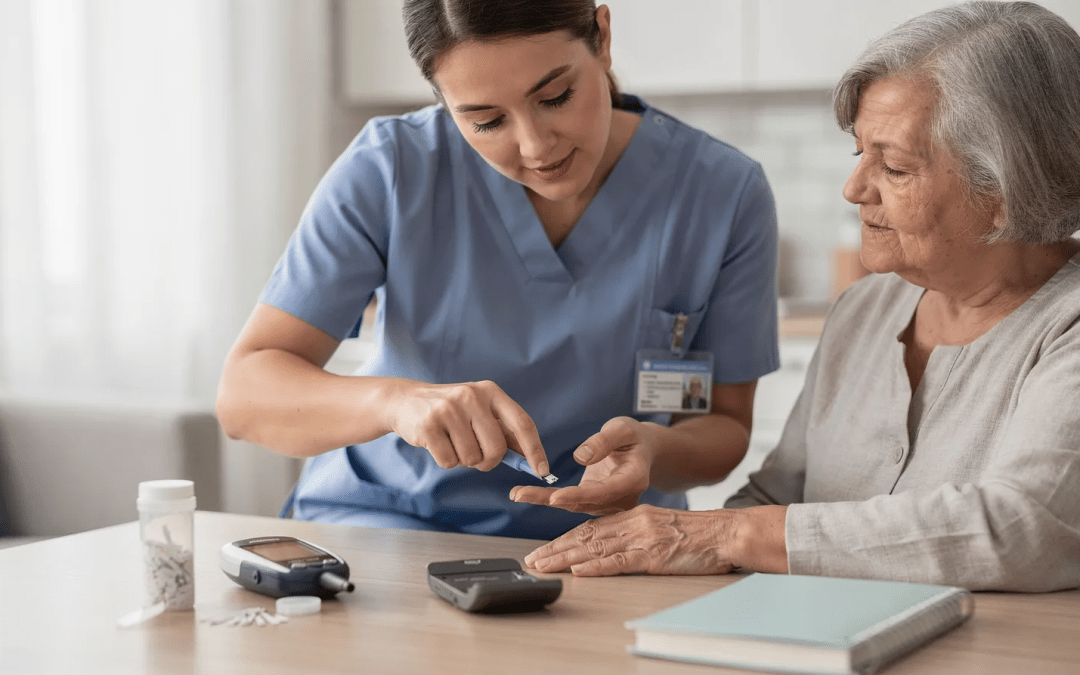
Salud en el hogar después de una caída o una visita a urgencias: qué deben hacer las familias
Una caída o una visita a la sala de urgencias puede cambiarlo todo en un solo día. Incluso cuando la persona regresa a casa el mismo día, la familia puede quedarse con dolor, miedo a otra caída, nuevas instrucciones o cambios de medicamentos. Ahí es cuando la salud en el hogar puede ser útil.
La salud en el hogar después de una caída o una visita a urgencias está pensada para ayudar a la persona a recuperarse con seguridad en casa, reducir la confusión y vigilar problemas que podrían empeorar. No es lo mismo que el cuidado general ni que ayuda doméstica. Es apoyo calificado ligado a una necesidad médica.
Por qué importan los primeros días
Los primeros días después de una caída o una visita a urgencias suelen ser los más confusos. La persona puede seguir adolorida, mareada, débil o con miedo de moverse. La familia quizá no sepa qué síntomas son esperables y cuáles requieren llamar al médico. Por eso el plan en casa debe estar claro desde el principio.
Si en urgencias dieron un medicamento nuevo, restricciones nuevas, un andador o instrucciones para descansar la zona lesionada, todo eso debe quedar por escrito y repasarse en lenguaje sencillo.
Cuándo puede ayudar la salud en el hogar
La salud en el hogar puede ser apropiada cuando la persona necesita enfermería calificada, cuidado de heridas, enseñanza sobre medicamentos, terapia o vigilancia después de la caída o la visita a urgencias. Por ejemplo, una enfermera puede revisar medicamentos después de un cambio, observar una herida o golpe que necesita seguimiento o ayudar a la familia a entender cuándo llamar al médico.
También se puede recomendar terapia física u ocupacional si la persona necesita ayuda para caminar, trasladarse, usar un andador o volver a una rutina segura. La meta es ayudar a la persona a recuperarse sin volver a caer ni regresar a urgencias por un problema prevenible.
Señales de alerta que necesitan atención rápida
- Dolor que empeora en lugar de mejorar poco a poco
- Confusión, mareo o cambio en el nivel de alerta
- Falta de aliento o dolor en el pecho
- Sangrado, inflamación o una herida que se ve peor
- Otra caída o un casi accidente
- Debilidad nueva o dificultad para caminar con seguridad
Algunas señales significan que la familia debe llamar al médico de inmediato. Otras pueden requerir atención de emergencia. Las familias no deben esperar si la persona se ve claramente peor, tiene dificultad para respirar o responde mucho menos que antes.
Qué deben hacer las familias en casa
La casa debe revisarse para eliminar riesgos de caída obvios. Pasillos despejados, alfombras seguras, buena iluminación y objetos esenciales al alcance pueden reducir el riesgo. Si la caída ocurrió en el baño, conviene prestar atención especial a la bañera, el inodoro, las toallas y el piso. Si la persona usa un andador o bastón, asegúrese de que tenga la altura correcta y esté fácil de alcanzar.
La familia también debe guardar en un solo lugar los papeles del alta, la lista de medicamentos, las citas de seguimiento y los teléfonos de contacto. Una carpeta sencilla en la cocina o sobre la encimera puede ahorrar tiempo cuando surgen dudas.
Preguntas que conviene hacer a la agencia
- ¿Qué servicio calificado se está dando y por qué?
- ¿Con qué frecuencia vendrán la enfermera o el terapeuta?
- ¿Qué debemos vigilar entre visitas?
- ¿Qué cambios harían que el plan deba revisarse?
- ¿A quién llamamos primero si los síntomas empeoran?
Esas preguntas ayudan a la familia a entender qué está haciendo el servicio y qué pasa si la persona mejora o empeora.
Cómo apoya la recuperación la salud en el hogar
Un buen plan de salud en el hogar después de una caída o una visita a urgencias suele enfocarse en tres cosas: seguridad, enseñanza y vigilancia. Seguridad significa reducir la posibilidad de otra caída. Enseñanza significa ayudar a la familia a entender medicamentos, movilidad y señales de alerta. Vigilancia significa notar temprano si la persona no se está recuperando como se esperaba.
Esa combinación es especialmente valiosa para adultos mayores, personas con enfermedades crónicas y cualquiera cuya fuerza, equilibrio o confianza haya cambiado después del incidente.
Cuándo pensar en apoyo adicional más allá de la salud en el hogar
Algunas personas mejoran rápido, mientras que otras necesitan un plan de apoyo más largo. Si la familia se da cuenta de que la persona necesita más ayuda con el baño, las comidas o la supervisión de la que la salud en el hogar puede ofrecer por sí sola, quizá sea momento de hablar de apoyo adicional. La salud en el hogar puede formar parte del plan de recuperación, pero no reemplaza todos los demás tipos de ayuda que una persona puede necesitar.
Lo importante es seguir preguntando si el plan actual todavía encaja con la condición real de la persona.
Idea final
Después de una caída o una visita a urgencias, la meta no es solo volver a casa. La meta es recuperarse con seguridad, entender las instrucciones y reducir el riesgo de otra emergencia. La salud en el hogar puede ayudar a las familias a lograr eso al llevar apoyo calificado al hogar cuando más se necesita.
Preguntas frecuentes
¿Toda caída necesita salud en el hogar?
No. Depende de si la persona tiene una necesidad calificada después de la caída o la visita a urgencias.
¿La salud en el hogar puede ayudar a prevenir otra caída?
Puede ayudar mejorando la seguridad, enseñando a la familia y vigilando cambios que aumentan el riesgo de caída.
¿Debemos llamar primero al médico o a la agencia?
Siga las instrucciones del alta. Si la situación es urgente, busque atención de emergencia.
Cómo encaja la terapia en el plan de recuperación
Si la caída afectó la forma de caminar, el equilibrio o la fuerza, la terapia puede formar parte del plan de salud en el hogar. La terapia física puede ayudar a la persona a moverse con más seguridad, mientras que la terapia ocupacional puede enfocarse en tareas diarias como bañarse, vestirse y levantarse de una silla. Esos servicios son especialmente útiles cuando la persona se siente inestable o tiene miedo de moverse después del incidente.
Las familias deben preguntar qué ejercicios son seguros, con qué frecuencia deben hacerse y si hay movimientos que se deben evitar. Una rutina sencilla puede ayudar, pero debe coincidir con la condición de la persona y la orientación del terapeuta.
Cambios en casa que pueden reducir el riesgo
Después de una caída, pequeños cambios en casa pueden hacer una gran diferencia. Quite obstáculos de los pasillos, mantenga zapatos y cables fuera del camino y asegúrese de que la persona tenga suficiente luz para ver por la noche. En el baño, las superficies antideslizantes y el apoyo cercano son especialmente importantes.
Si la familia nota que la persona se sostiene de los muebles para caminar, se ve con miedo en ciertas habitaciones o tiene dificultad para pasar un umbral, esas son señales de que la distribución de la casa debe revisarse con cuidado.
Por qué importan las citas de seguimiento
Es fácil enfocarse en la emergencia inmediata y olvidar la cita de seguimiento. Pero la cita con el médico después de una visita a urgencias es donde la familia puede confirmar si la persona se está recuperando como se espera, si los cambios de medicamentos están funcionando y si hay nuevas preocupaciones que deban atenderse.
Lleve los papeles del alta y la lista de medicamentos a esa cita. Pregunte qué síntomas son normales, qué síntomas no lo son y cuándo la familia debe volver a llamar. Ese seguimiento ayuda a evitar que un problema pequeño se vuelva mayor.
Cómo debe sentirse una buena visita de salud en el hogar
Una buena visita debe sentirse práctica y tranquilizadora. La enfermera o el terapeuta deben explicar lo que están haciendo, cómo puede ayudar la familia y qué señales de alerta importan entre visitas. La familia no debe salir de la visita confundida sobre el siguiente paso.
Cuando la salud en el hogar funciona bien, le da estructura a la familia. Saben qué vigilar, qué hacer y a quién llamar. Esa claridad suele ser lo que hace que la recuperación sea más segura después de una caída o una visita a urgencias.
Fuentes

by Eduardo Lopez Prado | Aug 23, 2026 | Family Caregiver Guidance, Miami-Dade Home Health Care
Home Health After a Fall or ER Visit: What Families Should Do Next
A fall or emergency room visit can change everything in one day. Even when the person comes home the same day, the family may suddenly be dealing with pain, fear of another fall, new instructions, or a change in medication. That is often when home health becomes useful.
Home health after a fall or ER visit is meant to help the person recover safely at home, reduce confusion, and watch for problems that might get worse. It is not the same as general caregiving or household help. It is skilled support tied to a medical need.
Why the first days matter
The first few days after a fall or ER visit are often the most confusing. The person may still be sore, dizzy, weak, or nervous about moving. The family may not be sure which symptoms are expected and which ones need a call to the doctor. That is why the home plan should be clear from the start.
If the ER gave new medication, new restrictions, a walker, or instructions about resting the injured area, those details should be written down and reviewed in plain language.
When home health may help
Home health may be appropriate when the person needs skilled nursing, wound care, medication teaching, therapy, or monitoring after the fall or ER visit. For example, a nurse may review medications after a medication change, check a wound or bruise that needs follow-up, or help the family understand when to call the doctor.
Physical or occupational therapy may also be recommended if the person needs help walking, transferring, using a walker, or getting back to a safe routine. The goal is to help the person recover without falling again or returning to the ER for a preventable issue.
Warning signs that need quick attention
- Worsening pain instead of gradual improvement
- Confusion, dizziness, or a change in alertness
- Shortness of breath or chest pain
- Bleeding, swelling, or a wound that looks worse
- Another fall or near-fall
- New weakness or trouble walking safely
Some signs mean the family should call the doctor right away. Others may require emergency care. Families should not wait if the person looks significantly worse, has trouble breathing, or seems much less responsive than before.
What families should do at home
The home should be checked for obvious fall risks. Clear walkways, secure rugs, good lighting, and reachable essentials can all reduce risk. If the fall happened in the bathroom, extra attention should go to the tub, toilet, towels, and floor surfaces. If the person is using a walker or cane, make sure it is the right height and easy to reach.
The family should also keep the discharge papers, medication list, follow-up appointments, and phone numbers in one place. A simple folder near the kitchen or on the counter can save time when questions come up.
Questions to ask the agency
- What skilled service is being provided and why?
- How often will the nurse or therapist visit?
- What should we watch for between visits?
- What changes would mean the plan needs to be reviewed?
- Who should we call first if symptoms get worse?
Those questions help the family understand what the service is doing and what happens if the person improves or declines.
How home health supports recovery
A good home health plan after a fall or ER visit usually focuses on three things: safety, teaching, and monitoring. Safety means reducing the chance of another fall. Teaching means helping the family understand medications, mobility, and warning signs. Monitoring means noticing early if the person is not recovering as expected.
That combination is especially valuable for older adults, people with chronic conditions, and anyone whose balance, strength, or confidence changed after the incident.
When to consider follow-up care beyond home health
Some people improve quickly, while others need a longer support plan. If the family realizes the person needs more help with bathing, meals, or supervision than home health alone can provide, it may be time to discuss added support. Home health can be part of the recovery plan, but it does not replace every other type of help a person may need.
The key is to keep asking whether the current plan still fits the person’s actual condition.
Final thought
After a fall or ER visit, the goal is not just to get home. The goal is to recover safely, understand the instructions, and reduce the risk of another emergency. Home health can help families do that by bringing skilled support into the home when it is needed most.
FAQ
Does every fall require home health?
No. It depends on whether the person has a skilled need after the fall or ER visit.
Can home health help prevent another fall?
It can help by improving safety, teaching the family, and watching for changes that raise fall risk.
Should we call the doctor or the agency first?
Follow the discharge instructions. If the situation is urgent, seek emergency care.
How therapy fits into the recovery plan
If the fall affected walking, balance, or strength, therapy may be part of the home-health plan. Physical therapy can help the person move more safely, while occupational therapy can focus on daily tasks like bathing, dressing, and getting in and out of a chair. Those services are especially useful when the person feels unsteady or afraid to move after the incident.
Families should ask what exercises are safe, how often they should be done, and whether any movements should be avoided. A simple home exercise routine can help, but it should match the person’s condition and the therapist’s guidance.
Home changes that can lower risk
After a fall, small changes at home can make a big difference. Remove clutter from walkways, keep shoes and cables out of the path, and make sure the person has enough light to see at night. In the bathroom, non-slip surfaces and nearby support are especially important.
If the family notices that the person needs to hold furniture to walk, seems fearful in certain rooms, or has trouble stepping over a threshold, those are signs the home setup should be reviewed carefully.
Why follow-up appointments matter
It is easy to focus on the immediate emergency and forget the follow-up visit. But the doctor’s appointment after an ER visit is where the family can confirm whether the person is healing as expected, whether medication changes are working, and whether any new concerns need attention.
Bring the discharge papers and the medication list to that visit. Ask what symptoms are normal, what symptoms are not, and when the family should call back. That follow-up helps prevent small problems from becoming bigger ones.
What a good home-health visit should feel like
A good visit should feel practical and reassuring. The nurse or therapist should explain what they are doing, how the family can help, and what warning signs matter between visits. The family should not leave the visit confused about the next step.
When home health is working well, it gives the family structure. They know what to watch, what to do, and who to call. That clarity is often what makes recovery safer after a fall or ER visit.
Sources

