


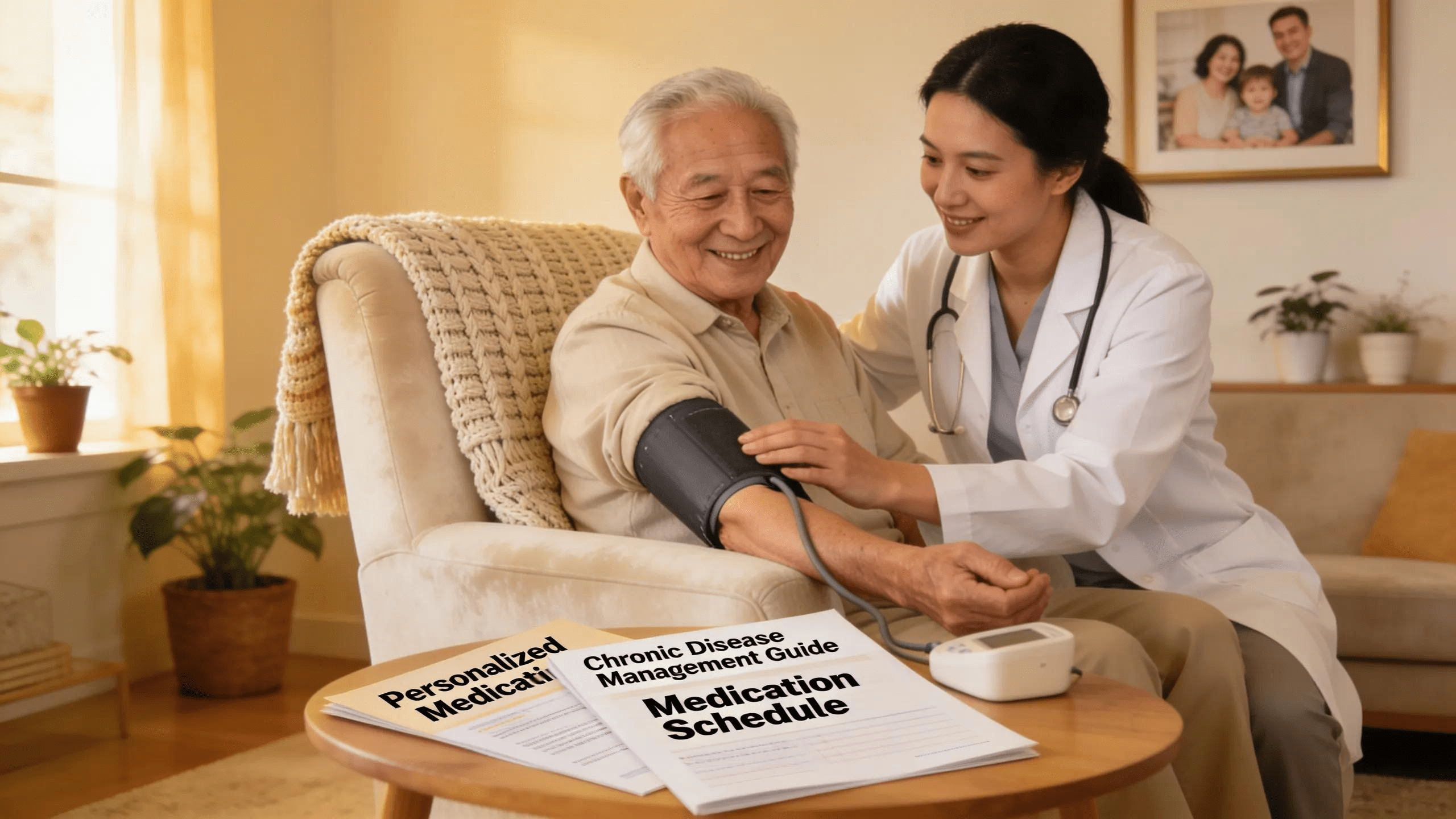
Home Chronic Care by Ameri-Care Professional Service, Inc.
What Defines Integrated Care Plans for Chronic Disease Management at Home?
Expected Outcomes
- Improved Health Outcomes: Patients often experience better control of their conditions, resulting in fewer complications.
- Enhanced Quality of Life: Personalized care plans can contribute to increased patient satisfaction through improved lifestyle management.
- Cost Savings for Healthcare Systems: Effective chronic disease management can reduce hospital admissions and emergency room visits, lowering overall healthcare costs.
| Outcome Type | Description | Expected Value |
|---|---|---|
| Health Outcomes | Reduced hospital admissions | Improved patient stability |
| Quality of Life | Tailored interventions for conditions | Increased satisfaction |
| Cost Savings | Decrease in unnecessary procedures | Financial efficiency |
Strategies
Skilled Nursing Services
- Assessment of Health Status: Continuous evaluation of the patient's health to adjust care plans accordingly.
- Diabetes Management: Monitoring blood sugar levels and educating patients on insulin administration techniques.
- COPD Symptom Management: Implementation of breathing exercises and oxygen therapy as needed.
Medication Management
- Education on Medication Importance: Patients receive guidance on the role of each medication in managing their conditions.
- Tracking Medication Adherence: Regular check-ins and use of reminder systems to help patients stay compliant.
- Nursing Support: Nurses provide assistance in understanding complex prescription instructions and potential side effects.
Patient Education
- Communication Strategies: Clear communication about conditions, treatment options, and self-care tips.
- Resources for Patients: Providing materials that educate patients about their diseases and encourage self-management.
- Family Involvement: Engaging family members in educational initiatives to strengthen support networks.
Coordination of Care
- Interprofessional Collaboration: Collaboration among physicians, nurses, and other professionals ensures a unified approach to care.
- Regular Updates: Communication between healthcare providers about patient progress to adapt care plans as necessary.
- Patient-Centered Approach: Tailoring care strategies to patient preferences and circumstances promotes better outcomes.
Technology Integration
- Telehealth Services: Facilitating virtual consultations and follow-up appointments to reduce the need for in-person visits.
- Health Monitoring Apps: These applications help patients track their symptoms, medications, and overall health outcomes seamlessly.
- Remote Monitoring Tools: Devices that allow healthcare professionals to monitor critical patient metrics from a distance.
Diabetes Clinical Pathways and CGM Integration
Exercise Prescription for CHF and COPD Patients
Miami-Dade Health System Resources
Relevant Resources
- Local Health Resources: Community organizations and healthcare centers provide services tailored to chronic disease management.
- Caregiver Support Programs: Various programs offer training and assistance to family caregivers to help them manage their loved ones’ conditions.
- Professional Guidance and Telehealth Services: Access to expert guidance through telehealth provides continuous support and information.
Best Practices for Diabetes, Heart Disease, and COPD Management in Home Healthcare Settings

- Regular Monitoring: Checking vital signs and symptoms frequently to catch potential issues early.
- Dietary Modifications: Educating patients on nutrition choices that support their conditions.
- Physical Activity: Encouraging suitable exercise regimes that align with medical advice.
How Is COPD Home Health Management Effectively Delivered by Clinical Staff?
Which Evidence-Based Interventions Support Diabetes and Heart Disease Self-Management at Home?
- Blood Sugar Monitoring: Encouraging consistent monitoring of blood glucose levels for diabetes patients.
- Patient Education Programs: Providing structured educational programs that help patients understand their diseases.
- Lifestyle Modifications: Encouraging healthy eating and exercise habits to support cardiovascular health.
How Does Caregiver Support Enhance Chronic Disease Home Care Outcomes?
- Emotional Support: Caregivers provide crucial emotional backing, which can alleviate stress for patients.
- Monitoring and Education Roles: A well-informed caregiver can better monitor changes in patient health and assist in medication management.
- Training Resources for Caregivers: Access to training helps caregivers develop necessary skills for effective chronic disease management.
What Training Resources Are Available for Family Caregivers Managing Multiple Conditions?
- Workshops and Seminars: Organizations often offer educational events focusing on chronic disease management.
- Online Courses: Many platforms provide flexible learning opportunities tailored to caregiver needs.
- Educational Materials: Access to comprehensive guides and pamphlets that explain disease management strategies.
How Do Caregivers Facilitate Integrated Care Coordination and Patient Compliance?
- Monitoring Health Metrics: Keeping track of critical health indicators to ensure serious issues are promptly addressed.
- Encouraging Patient Compliance: Motivating patients to adhere to their treatment plans and attend appointments.
- Facilitating Communication: Acting as a liaison between healthcare providers and patients to streamline communication.
What Is the Role of Patient Referral Processes in Chronic Disease Home Care Delivery?
- Initiating and Confirming Referrals: Healthcare providers must execute the referral process effectively to avoid delays in care.
- Impact on Patient Access to Services: Smooth referral transitions directly contribute to improved patient health outcomes.
- Coordination Between Providers: Ensuring all providers are informed about the patient’s health status promotes collaborative care.
How Does Ameri-Care’s Referral Portal Streamline Access to Integrated Home Care Services?
- Centralized Information for Referrals: The portal provides a single point of access for information relating to patient care.
- Timely Processing of Care Requests: Rapid processing ensures that patients receive the services they require without delay.
- Improved Communication with Healthcare Professionals: Enhanced communication channels allow for better coordination of care.
When Should Healthcare Professionals Refer Patients to Home Healthcare for Chronic Illness Management?
- Signs a Patient May Need Home Care: Indicators like frequent hospitalizations may warrant closer monitoring at home.
- Criteria for Referral: Established guidelines that help determine the necessity for home healthcare services.
- Benefits of Timely Referrals: Early intervention can mitigate patient deterioration and enhance overall health outcomes.
Which Insurance and Policy Updates Impact Access to In-Home Chronic Care Services?
- Common Insurance Options for Home Care: Medicare and Medicaid play pivotal roles in financing home healthcare.
- Impact of Policy Changes on Eligibility: Recent legislation can shift the qualification parameters for access to home care services.
- Resources for Understanding Coverage: Various organizations provide valuable information to help families navigate insurance options.
How Do CMS Eligibility Changes Since 2024 Affect Home Health Services for Diabetes, Heart Disease, and COPD Patients?
- Changed Eligibility Criteria: New policies impact how patients qualify for in-home care.
- Impacted Patient Access to Necessary Services: Patients may now need to navigate additional hoops to receive care.
- Role of Healthcare Providers in Navigating Changes: Providers are crucial in helping patients understand these new regulations and access the appropriate care.
What Insurance Coverage Options Are Common for Senior Chronic Disease Home Care?
- Overview of Medicare and Medicaid: Programs that offer considerable support for eligible seniors requiring care.
- Private Insurance Options and Benefits: Exploring available private insurance plans that supplement Medicare.
- Long-Term Care Insurance Considerations: Understanding how long-term care insurance fits into the equation for senior care at home.
How Can Technology and Telehealth Complement Integrated Chronic Disease Care at Home?
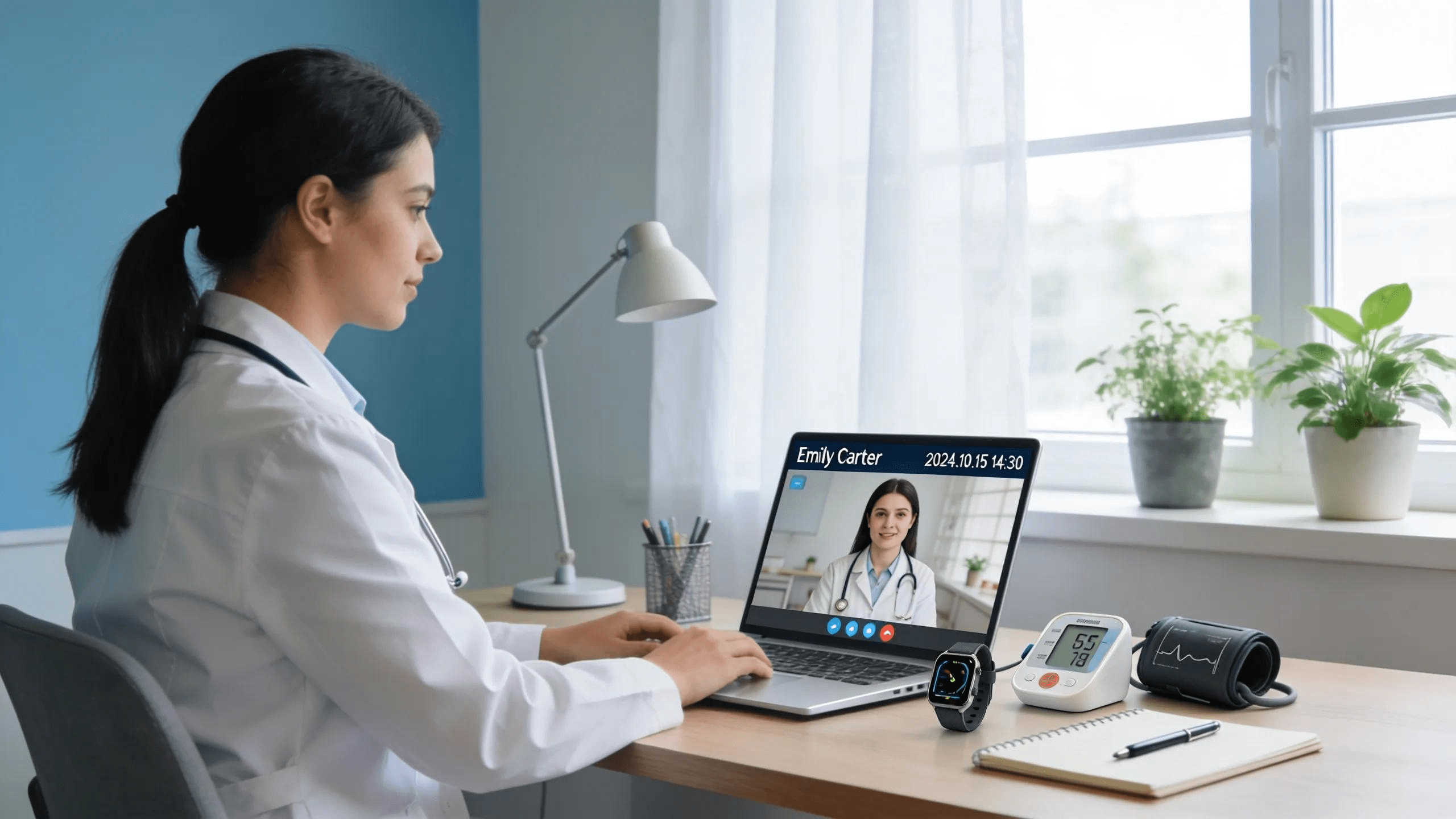
- Remote Monitoring Tools: Technologies enable healthcare providers to keep real-time tabs on patient health metrics.
- Telehealth Services for Continuous Care: Access to virtual appointments aids in sustaining follow-up care beyond office visits.
- Impact on Patient Engagement and Outcomes: Technology fosters increased patient participation in their healthcare journeys, which can lead to better outcomes.
What Telehealth Solutions Enhance Monitoring and Coordination for Chronic Illness Patients?
- Remote Monitoring Devices: Tools that alert healthcare providers to health changes in real-time, allowing for timely interventions.
- Health Monitoring Applications: Facilitate self-management through user-friendly interfaces and tracking capabilities.
- Telehealth Platforms for Virtual Consultations: Provide easy access to healthcare professionals without the need for travel.
How Do Data-Driven Care Plans Improve Clinical Outcomes in Home Healthcare Environments?
- Importance of Comprehensive Assessments: Thorough initial assessments inform tailored care plans that better address individual needs.
- Benefits of Tracking Patient Data: Continuous monitoring allows for rapid adjustments to care strategies based on real-time feedback.
- Impact of Tailored Care Plans on Health Outcomes: Personalized interventions significantly improve patient health and satisfaction levels.
Citations and References
- Centers for Disease Control and Prevention: Chronic Disease Overview
- National Institute on Aging: Managing Chronic Illnesses
- Centers for Medicare & Medicaid Services: Medicare Home Health Services
- U.S. Department of Health & Human Services: Integration in Health Care
- PubMed: Effectiveness of Integrated Care for Chronic Disease Management
- Medicare.gov: Coverage of Home Health Services
- National Institutes of Health: Home Monitoring for Chronic Disease Improves Health Outcomes
- CDC: Heart Disease Facts
- National Heart, Lung, and Blood Institute: Pulmonary Rehabilitation
- PubMed: Role of Telehealth in Chronic Disease Management