Ameri-Care Logo

Ameri-Care Assistant

Online • Home Health Care

🚨 Tap here to call our 24/7 Support Line immediately

Session Locked for Privacy

Your chat was hidden due to 15 minutes of inactivity to protect your HIPAA data.

Connect & Review:

English Español Kreyòl Ayisyen
305.826.8800 [email protected]

Comprehensive Guide to Lymphedema Management at Home: Effective Compression Therapy, Exercises, Skin Care, Nutrition, and Symptom Relief

By Eduardo Lopez Prado, BS, PTA, CLT, Ameri-Care Professional Service, Inc.

Lymphedema is a chronic condition characterized by swelling, often in the arm or leg, resulting from a compromised lymphatic system. Managing lymphedema effectively at home is crucial, as it empowers patients to take control of their condition, increasing their quality of life. This guide provides comprehensive insights into lymphedema management, covering key strategies such as effective compression therapy, recommended exercises, skin care routines, and nutritional advice tailored for symptom relief. By understanding the importance of daily self-care and symptom monitoring, individuals can mitigate the severity of lymphedema and enhance their overall health. The article features detailed sections covering the foundational aspects of lymphedema, self-care practices, best practices for compression therapy, specialized exercises, and the role of nutrition and skin care.

What Is Lymphedema and How Does It Affect Patients at Home?

Lymphedema is a condition that causes swelling due to the accumulation of lymph fluid in the body tissues, often due to damage or obstruction in the lymphatic system. It can significantly impact patients' daily lives by limiting mobility, causing discomfort, and leading to psychological distress. Understanding lymphedema not only helps patients manage symptoms better but also aids in communicating effectively with healthcare professionals and caregivers about their needs.

What Are the Causes and Symptoms of Lymphedema?

Common causes of lymphedema include cancer treatments, especially surgeries or radiation affecting lymph nodes, genetic conditions, and infections. Patients often experience symptoms such as localized swelling, a feeling of heaviness in the affected limbs, skin changes, and discomfort. Monitoring these symptoms is critical, as early intervention can minimize severity and prevent complications. According to the National Cancer Institute (NCI), cancer treatment is a leading cause of secondary lymphedema and emphasizes the importance of symptom awareness.

How Is Lymphedema Diagnosed and Classified in Home Care Settings?

Diagnosis typically involves a thorough medical history, physical examination, and possibly imaging tests to assess lymphatic function. Home healthcare providers can use classification systems to categorize lymphedema by progression, aiding in tailored treatment plans. Understanding diagnostic criteria helps patients recognize and report changes in their condition, facilitating timely medical consultations when necessary. The Mayo Clinic highlights common diagnostic approaches and the role of early detection in effective management.

How Can Patients Implement Daily Self-Care and Symptom Monitoring for Lymphedema at Home?

Daily self-care is a cornerstone of effective lymphedema management, allowing patients to monitor symptoms and make necessary adjustments. Incorporating tracking techniques into their routine ensures consistent attention to their condition.

What Are Effective Daily Tracking Techniques for Lymphedema Symptoms?

Patients can implement various tracking techniques to document their symptoms, such as keeping a daily journal or utilizing mobile health applications. These methods can help in identifying patterns related to swelling and effectiveness of treatment strategies. Regular assessments through self-monitoring empower patients to make informed decisions about their care.

Which Self-Care Routines Support Symptom Relief and Swelling Control?

Effective self-care routines may include regular exercise, skin care practices, and maintaining optimal hydration. Gentle exercises designed for lymphedema can enhance lymphatic drainage, while diligent skin care helps prevent infections associated with lymphedema. Encouraging a daily self-care regimen fosters proactive management and active participation in one’s health journey.

Ameri-Care Professional Service Inc specializes in in-home healthcare solutions for patients with chronic conditions, including personalized nursing and therapy services. Their expertise supports individuals in implementing effective self-care routines.

What Are Best Practices for Lymphedema Compression Therapy in Home Management?

Compression therapy is fundamental for managing lymphedema, as it promotes lymphatic drainage by applying controlled pressure to the affected areas. Understanding its application can improve outcomes and enhance comfort in patients. The American Cancer Society endorses compression therapy as a key treatment for lymphedema, emphasizing correct use and monitoring.

How Should Patients Choose and Use Compression Garments Safely?

Selecting the right compression garment requires understanding fit and pressure levels. Patients should consult healthcare professionals for guidance on choosing garments that meet their specific needs. Proper application techniques are vital for ensuring effectiveness while avoiding skin damage or complications.

What Are Common Challenges and Solutions in Compression Therapy?

Patients may encounter several challenges with compression therapy, including discomfort, skin irritation, and garment fit issues. Solutions may involve consulting with healthcare providers for garment adjustments or exploring different compression options, such as wraps or pumps. Sharing patient experiences can also provide valuable insights for others facing similar challenges.

Which Exercises and Physical Therapy Techniques Optimize Lymphedema Care at Home?

Engaging in physical exercises is essential for improving lymphatic flow and overall well-being in lymphedema patients. Customized exercise programs can be beneficial in managing symptoms effectively.

What Are the Recommended Lymphedema Exercises for Lymphatic Drainage?

Exercise routines for lymphedema typically include low-impact aerobics, stretching, and specialized strength training targeting affected areas. These exercises facilitate lymphatic drainage, improve mobility, and enhance physical fitness, ultimately supporting better health and symptom management.

How Can Patients Safely Perform At-Home Physical Therapy Activities?

Patients should conduct physical therapy activities under the guidance of healthcare professionals, particularly when initiating new exercises. Safe practices include starting slowly, warming up adequately, and using supportive devices if necessary. Ensuring that these exercises are appropriate for individual conditions is critical for preventing injury.

How Do Nutrition and Skin Care Contribute to Effective Lymphedema Management?

Nutritional choices and skin care routines play significant roles in lymphedema management. These aspects can influence general health and impact the management of symptoms.

What Are the Nutritional Considerations and Dietary Advice for Lymphedema Patients?

Nutrition is vital for lymphedema management. A balanced diet rich in antioxidants and low in sodium can help reduce fluid retention and inflammation. Foods high in fiber support digestive health, which is essential for overall well-being. Consulting a healthcare provider for personalized dietary advice ensures that patients are meeting their nutritional needs.

What Skin Care Practices Prevent Complications in Lymphedema?

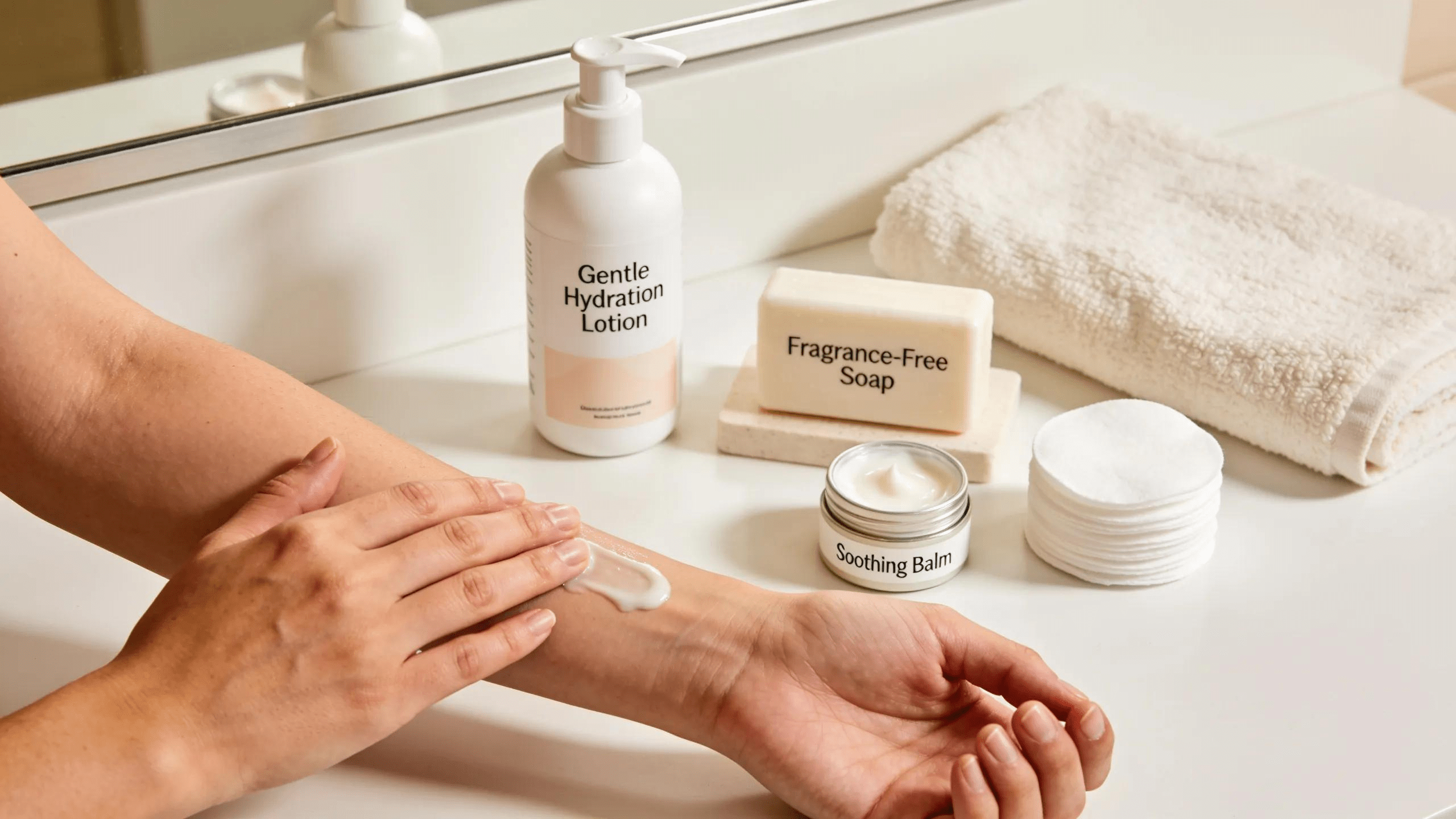
Maintaining healthy skin is especially important for lymphedema patients as they are at higher risk for infections. Regular moisturizing, using gentle soaps, and promptly addressing any cuts or abrasions are key practices. Patients must be proactive in their skin care routine to prevent complications. The American Cancer Society underscores the necessity of skincare to prevent infections and further complications.

Nutritional AdviceBenefitNutritional Support
High AntioxidantsReduces inflammationFruits and vegetables
Low SodiumPrevents fluid retentionWhole grains, low-salt options
Adequate HydrationSupports lymphatic functionDrinking sufficient water

This table highlights important nutritional strategies for managing lymphedema symptoms effectively.

When Should Patients Seek Professional Healthcare Support for Lymphedema?

Despite proactive management, there are instances when professional support is necessary for lymphedema patients. Understanding when to seek help can significantly affect outcomes.

What Are Warning Signs and Symptoms Requiring Medical Evaluation?

Patients should be vigilant for warning signs such as sudden swelling, redness, pain, or skin changes. If any of these symptoms emerge, it is essential to contact a healthcare provider for further evaluation and possible intervention. Recognizing these signs early can prevent the worsening of the condition and facilitate timely treatment.

How Do Referral Processes Facilitate Access to Skilled Nursing and Therapy Services?

A well-understood referral process can make accessing professional healthcare support more straightforward for patients. This process typically involves communicating symptoms and concerns with a primary care provider, who can then coordinate referrals to specialists in lymphedema management. Effective communication is integral to navigating these services seamlessly.

By understanding the complexities of lymphedema and proactively managing the condition at home, patients can experience enhanced quality of life while minimizing symptoms. Empowerment through knowledge and self-care fosters resilience in the face of chronic illness.

References