Ameri-Care Professional Service logo

Ameri-Care Assistant

Online • Home Health Care

Connect & Review:

English Español Kreyòl Ayisyen
305.826.8800 [email protected]
Companion Care for Seniors in Miami: Combating Isolation & Loneliness

Companion Care for Seniors in Miami: Combating Isolation & Loneliness

Companion Care for Seniors in Miami: Combating Isolation & Loneliness

By Eduardo Lopez Prado, BS, PTA, CLT, Ameri-Care Professional Service, Inc.

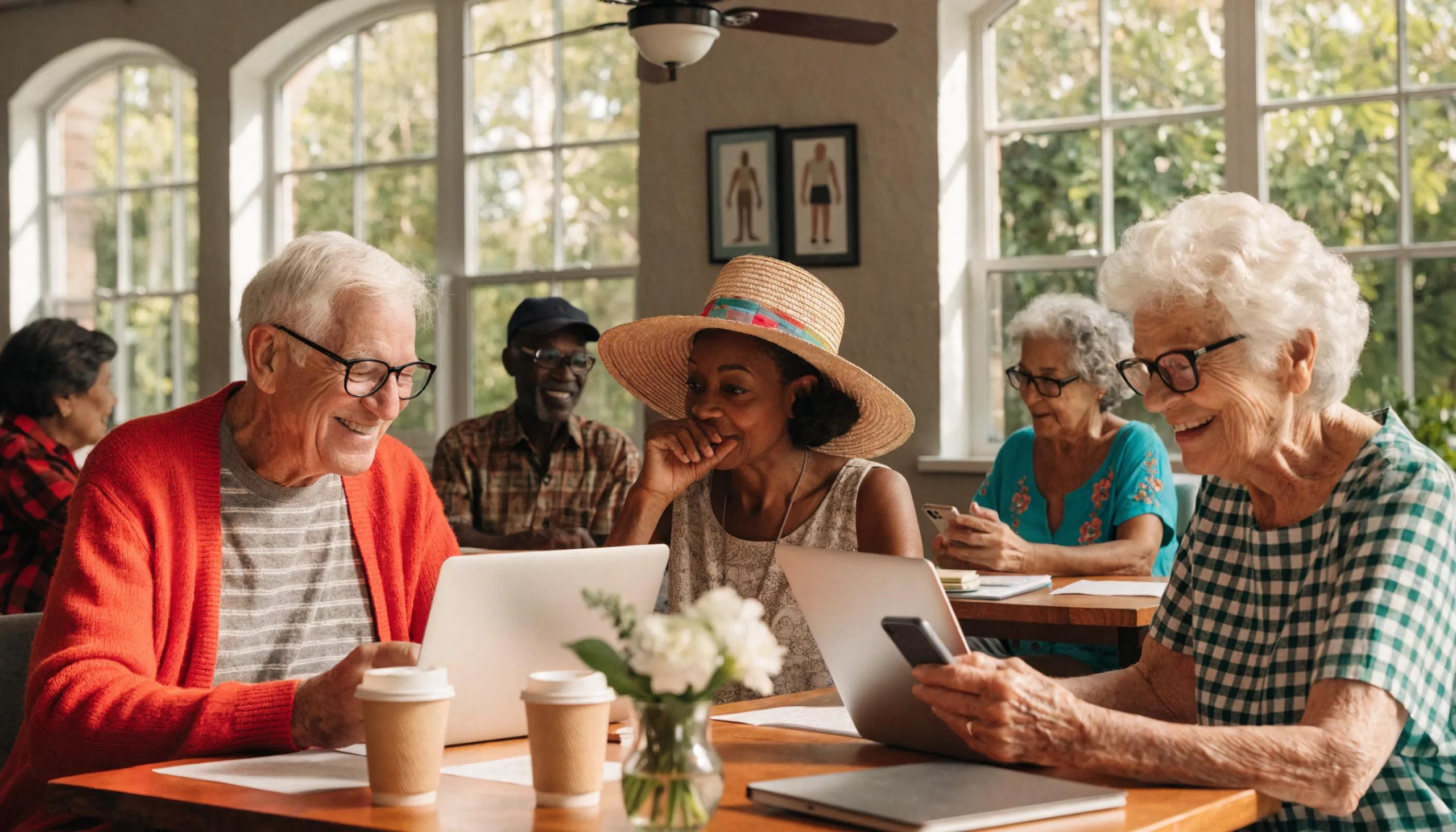
Senior companionship services play a crucial role in addressing the growing concerns of loneliness and isolation among seniors in Miami. According to the Centers for Disease Control and Prevention (CDC), social isolation significantly increases a person's risk of premature death from all causes, a risk that may rival those of smoking, obesity, and physical inactivity. This article covers how companion care Miami offers personalized support that enhances social interaction, provides assistance with daily living, and improves overall well-being. Readers will discover the benefits of these services, how they integrate with healthcare options in Miami, and practical ways to access and afford them.

What Is Companion Care and How Does It Address Senior Isolation in Miami?

Companion care Miami refers to services where trained caregivers spend quality time with seniors, engaging them in activities that reduce feelings of loneliness and isolation. By offering personalized attention and assistance, companion care helps seniors remain independent and emotionally supported. These services can include shared hobbies, conversations, and help with daily tasks, all contributing to better mental and emotional health.

Senior Companionship Services in Miami: What Families Should Know

Senior companionship services in Miami provide a range of in-home care options tailored to meet individual needs. They include:

  • Personalized Companionship: Engaging seniors in preferred activities to build meaningful connections.
  • Assistance with Daily Activities: Helping with tasks like meal preparation, light housekeeping, and errands to promote independence.
  • Transportation Services: Taking seniors to appointments and social events to keep them connected with the community.

These services work together to create a supportive environment that enhances seniors' quality of life. For more specialized care needs, such as home health care or skilled nursing, families can explore additional services at Ameri-Care Professional Service.

How Does Companion Care Reduce Loneliness Among Seniors?

In companion care Miami, caregivers actively facilitate social engagement through:

  • Social Outings: Walking, shopping, or attending community events to maintain connections.
  • In-Home Activities: Playing games, puzzles, or sharing stories to boost cognitive function and create companionship.
  • Transportation Assistance: Helping seniors attend medical appointments and community gatherings.

Research published by the National Library of Medicine indicates that social support interventions for older adults can significantly reduce loneliness and improve overall quality of life. These efforts significantly improve emotional well-being by reducing isolation.

Mental and Physical Health Benefits of Companion Care

Companion care provides important health benefits, including:

  • Improved Cognitive Function: Regular social interaction supports memory and thinking skills.
  • Enhanced Physical Health: Light activities and outings help maintain fitness and mobility.
  • Greater Happiness: Having companionship creates a sense of belonging and purpose.

The National Institute on Aging (NIA) reports that social isolation and loneliness are associated with higher risks for health problems including depression, heart disease, and cognitive decline. These benefits show why companion care is essential for maintaining seniors' overall health.

Dementia-Sensitive Companionship and Cognitive Support

Caregivers trained in dementia-sensitive companionship focus on:

  • Stimulating Cognitive Engagement: Activities that encourage memory and mental alertness.
  • Supportive Communication: Using clear, calm language to connect effectively.
  • Creating a Relaxed Environment: Reducing stress for seniors with cognitive challenges.

The Alzheimer's Association recommends person-centered care and meaningful social engagement to improve quality of life for individuals living with dementia. This specialized approach helps improve emotional support and cognitive stability.

Enhancing Aging in Place and Physical Well-Being

Companion care supports seniors aging in place by assisting with daily living tasks such as:

  • Household Management: Meal prep, light housekeeping, and laundry help keep homes comfortable.
  • Personal Care: Assistance with hygiene and grooming maintains dignity.
  • Health Monitoring: Tracking medications and appointments supports overall health.

This care allows seniors to stay in familiar surroundings while receiving needed help.

Licensed In-Home Healthcare Professionals Providing Companion Care in Miami

Licensed professionals offering companion care in Miami include:

  • Registered Nurses (RNs): Provide medical care and health assessments.
  • Licensed Practical Nurses (LPNs): Support basic medical needs and personal care.
  • Home Health Aides (HHAs): Focus on companionship and daily living assistance without medical procedures.

These caregivers form a skilled team to address a senior's diverse needs.

Qualifications and Roles of Home Health Aides and Caregivers in Miami

Effective caregiving requires:

  • Certification: Completion of state-regulated training programs covering caregiving skills.
  • Background Checks: Ensuring client safety through thorough vetting.
  • Dementia Care Training: Specialized education to handle cognitive impairments.

These requirements preserve high care standards and improve senior well-being.

Why Choose Licensed Healthcare Providers for Senior Companion Care?

Licensed providers offer:

  • Quality Assurance: Compliance with state regulations guarantees care standards.
  • Experienced Caregivers: Well-trained staff prepared for a range of needs.
  • Monitoring and Safety: Oversight by regulatory agencies safeguards clients.

Choosing licensed agencies helps families trust the quality and safety of care.

Ameri-Care’s Patient Referral Process for Companion Care

Ameri-Care Professional Service streamlines access to companion care through:

  1. Initial Consultation: Assessing seniors’ needs to identify care options.
  2. Care Plan Development: Collaborating with families to tailor support.
  3. Ongoing Monitoring: Regular updates to ensure care effectiveness.

Learn more about this process on the patient referral page.

Overview of the Patient Referral System in Miami

The referral system includes:

  • Assessment Forms: Collecting health and social preference information.
  • Eligibility Evaluation: Determining suitable services.
  • In-Home Assessment: Visiting clients to understand their environment and needs.

This process ensures personalized and effective care matches.

Advantages of Using Ameri-Care’s Referral Process

Benefits for families include:

  • Customized Care: Plans tailored to individual requirements.
  • Easy Access: Reduced paperwork and hassle.
  • Community Links: Connecting to local Miami-Dade elder services and social programs.

This approach streamlines care and enhances community involvement.

Costs, Insurance, and Financial Considerations for Companion Care in Miami

Costs vary based on:

  • Type of Services: Specialized care can increase expenses.
  • Duration: Longer-term care may reduce rates.
  • Location and Demand: Miami area pricing can fluctuate.

Discuss costs and payment options with providers to plan effectively.

Pricing Models and Payment Options

Common models include:

  1. Hourly Rates: Standard caregivers’ fees per hour.
  2. Flat Fees: Fixed prices for specific services.
  3. Payment Plans: Monthly or income-adjusted options may be available.

Flexible plans help families manage expenses.

Insurance Plans and Assistance Programs Supporting Companion Care

Key options include:

  • Medicaid: Covers many in-home services for qualifying seniors.
  • Medicare: Supports limited home health care needs. However, Medicare.gov states that Medicare Part A and/or Part B may cover part-time or intermittent skilled nursing care and home health aide services, but non-medical companion care is generally not covered.
  • Long-Term Care Insurance: Private policies that can cover companion care.

Review these carefully to understand coverage possibilities.

Local Miami Senior Community and Resources

Miami hosts a diverse senior population benefiting from various local resources. Notably, The Alliance for Aging and Miami-Dade County Elder and Disability Services offer programs and support designed to assist seniors aging in place. In addition, the Florida Department of Elder Affairs provides resources and programs to support seniors aging in place, including the Elder Helpline at 1-800-96-ELDER (Florida Department of Elder Affairs). Families can also explore community programs and social groups to enhance seniors’ engagement and well-being.

Resources to Enhance Senior Social Interaction in Miami

Additional support includes:

  • Community Centers: Offering classes and social events tailored to seniors.
  • Senior Advocacy Groups: Providing guidance on care and benefits.
  • Online Support Groups: Connecting families and caregivers for advice and assistance.

These resources work hand-in-hand with companion care to boost social engagement.

Family and Caregiver Strategies for Enhancing Social Engagement

Families can promote socialization by:

  • Encouraging Hobbies: Supporting interests that bring joy and connection.
  • Organizing Social Gatherings: Hosting family or friend events to reduce loneliness.
  • Encouraging Volunteering: Helping seniors find purposeful community roles.

Such efforts deepen connections and improve quality of life.

Testimonials and Case Studies Showing Companion Care Benefits

Families share positive experiences, noting:

  • Improved Mood: Seniors show better mental health with regular companionship.
  • Greater Independence: Seniors can continue favored activities with caregiver help.
  • Stronger Family Bonds: Caregivers relieve family stress, allowing more quality moments.

These real-world examples highlight companion care’s impact.

Frequently Asked Questions About Companion Care in Miami

What does a senior companion do?

A senior companion provides social interaction, emotional support, and assistance with daily activities to reduce loneliness and help seniors maintain independence.

How much does companion care cost in Miami?

Costs vary based on services and duration but typically range from hourly rates to flat fees. Families should consult providers for specific pricing and payment plans.

Is companion care covered by insurance or Medicare?

Medicaid often covers companion care for eligible seniors, while Medicare covers limited home health services. Long-term care insurance may also provide benefits depending on the policy. See more details from Medicare.gov.

How do I choose a licensed companion care provider in Miami?

Look for agencies that are state-licensed, have certified and background-checked caregivers, offer dementia care training, and follow regulatory standards for quality and safety.

References and Further Reading

Contact Ameri-Care Professional Service Today

Experience compassionate and professional senior companionship services in Miami designed to combat isolation and improve quality of life. Reach out to Ameri-Care Professional Service to learn how our licensed caregivers can support your loved one’s physical well-being and emotional happiness through personalized companion care Miami programs tailored to your family’s needs.

The Future of AI in Home Health Care

The Future of AI in Home Health Care

The Future of AI in Home Health Care: Advancing Patient-Centered Technology Solutions with HIPAA Compliance

By Eduardo Lopez Prado, BS, PTA, CLT, Ameri-Care Professional Service, Inc

The integration of artificial intelligence (AI) into home health care is fundamentally transforming patient care delivery by enhancing accessibility, personalization, and operational efficiency at an unprecedented scale. According to recent industry reports, the global AI in healthcare market is projected to reach USD 45.2 billion by 2026, with home health applications constituting a significant and rapidly growing segment. The aging population and increased prevalence of chronic diseases have driven demand for innovative solutions that deliver high-quality care efficiently while reducing costs. AI-powered technologies are emerging as crucial enablers to meet these needs by automating clinical workflows, advancing remote patient monitoring, and delivering predictive insights to clinicians. Amid this transformation, strict adherence to federal healthcare regulations such as the Health Insurance Portability and Accountability Act (HIPAA) remains a cornerstone to ensure patient privacy and trust. Compliance with guidelines issued by authoritative bodies like the Centers for Medicare & Medicaid Services (CMS), HHS Office for Civil Rights (OCR), and the American Health Information Management Association (AHIMA) guarantees that AI integration aligns with ethical and legal frameworks. This article delves deeply into the evolving clinical and technical facets of AI in home health care, examining the benefits, challenges, compliance mandates, and future directions underpinning this critical advancement.

AI in Home Health Care

AI in home health care encompasses a broad spectrum of technologies designed to enhance clinical decision-making, patient engagement, and administrative efficiency. These systems utilize data analytics, machine learning algorithms, and natural language processing to transform raw clinical data into actionable insights, facilitating personalized treatment and early intervention. Telehealth services augmented by AI enable real-time remote monitoring, allowing clinicians to track vital signs and health indicators securely from patient homes. For instance, AI-powered remote patient monitoring systems use biosensors and wearable devices that transmit encrypted data over HIPAA-compliant networks, ensuring confidentiality and integrity. Additionally, natural language processing (NLP) applications streamline clinical documentation processes by intelligently extracting relevant data from electronic health records (EHRs), reducing clinician burden while maintaining documentation accuracy and compliance. AI algorithms also contribute to predictive analytics by identifying patients at risk for falls or hospital readmissions, enabling proactive care plans tailored to individual profiles. These innovations must be implemented within frameworks that rigorously adhere to CMS quality standards, OCR enforcement policies, and established audit requirements.

Future of Home Health Technology

The future of home health technology is poised for revolutionary growth centered around intelligent automation and integrated digital ecosystems. Robotic assistance devices, equipped with smart sensors and AI-based adaptive learning, are increasingly incorporated into smart home environments to support activities of daily living and safety monitoring for elderly and disabled individuals. These robotic health assistants operate under embedded security protocols compliant with HIPAA and FDA guidance on AI/ML-based medical devices, which include mandatory patient consent procedures, audit trails, and continuous performance monitoring. Enhanced telehealth platforms utilizing AI provide richer, context-aware virtual consultations augmented by decision support tools that aid clinicians in evidence-based care delivery. Machine learning models will continue to evolve, enabling even more precise personalization of care plans by assimilating multi-dimensional datasets—from genomics to social determinants of health—while maintaining all patient data within HIPAA-compliant, encrypted repositories. Regulatory bodies like CMS are expected to refine reimbursement models incentivizing AI-enabled care innovations that improve outcomes while safeguarding patient rights and data privacy. The convergence of AI with Internet of Medical Things (IoMT) and blockchain technologies promises a secure, transparent infrastructure for data sharing and care coordination in home health settings.

Artificial Intelligence Caregiving

Artificial intelligence caregiving refers to the application of AI technologies specifically designed to support caregiving tasks and enhance patient safety and well-being. In home health, AI caregiving systems integrate machine learning, robotics, and intelligent software agents to deliver continuous monitoring, emergency response, and personalized interaction. AI-powered predictive analytics are utilized to identify early signs of clinical deterioration through continuous analysis of biosignals and environmental data, facilitating timely intervention to prevent adverse events such as falls or medication errors. Natural language processing enables caregivers to document patient encounters quickly and accurately, freeing time for direct patient engagement. Furthermore, virtual caregiving assistants enhance communication between patients and clinicians, supporting medication adherence, appointment reminders, and patient education, all managed through platforms secured by HIPAA-aligned encryption and regulated access controls. Ethical considerations, including mitigation of algorithmic bias and maintaining patient autonomy, are rigorously evaluated throughout the development and deployment of AI caregiving applications to ensure equitable, just care delivery.

Artificial Intelligence Home Care

Artificial intelligence home care integrates advanced AI tools into the continuum of services provided to patients within their residences. This integration encompasses AI-driven remote patient monitoring systems that employ wearable devices and ambient sensors to track real-time health metrics, facilitating continuous risk assessment under HIPAA-compliant data governance frameworks. Machine learning algorithms analyze collected data to dynamically adjust individualized care plans, optimizing therapy regimens in response to evolving patient conditions while maintaining audit-ready records as mandated by CMS and OCR. Robotics, including automated medication dispensers and mobility aids, offer hands-free assistance while leveraging secure communications complying with federal privacy standards. Enhanced telehealth platforms incorporate AI decision support to streamline triage and referral processes, improving care coordination across multidisciplinary teams through encrypted communication channels and stringent Business Associate Agreements (BAAs) with technology providers. These sophisticated systems require comprehensive staff training focusing on proper AI system operation, privacy safeguards, and adherence to state licensure laws governing home healthcare technology utilization.

Future of Home Health Care

The future of home health care is intrinsically linked with the maturation of AI technologies that enable scalable, patient-centric, and compliant care models. Innovations such as AI-enhanced telehealth, predictive analytics, and natural language processing are anticipated to deliver more precise diagnostics, early risk detection, and personalized interventions. Combined with robotic assistants and smart home integrations, these technologies will reduce hospital admissions and improve quality-of-life outcomes for seniors and individuals with disabilities. Crucially, this evolution will be underscored by robust compliance with HIPAA regulations requiring stringent data encryption standards such as Advanced Encryption Standard (AES) 256-bit protocols, formal patient consent management frameworks, and continuous monitoring through audit logs to ensure transparency and accountability. CMS policy adaptations will support payment models that incentivize value-based AI implementations, while ongoing OCR oversight will ensure enforcement of privacy rules in the face of emerging AI capabilities. The healthcare workforce will increasingly partner with intelligent machines, enhancing clinical workflows without compromising ethical standards or patient confidentiality.

Future of Home Healthcare Technology

The future of home healthcare technology promises a confluence of AI innovations transforming care provision into a seamlessly connected, intelligent ecosystem. Emerging technologies include AI-powered natural language generation tools for real-time clinical documentation, reducing errors and enhancing compliance with regulatory standards. Wearable health monitors employing multisensor arrays deliver continuous physiologic data streams secured through HIPAA-compliant cloud infrastructures, enabling timely interventions. Predictive analytics models predict clinical events such as falls or exacerbations of chronic conditions by analyzing longitudinal patient data alongside environmental factors to mitigate risk proactively. Robotics integrated with smart home systems provide automated assistance for mobility, medication management, and emergency detection, incorporating fail-safe encryption and multi-factor authentication mechanisms consistent with federal cybersecurity requirements. Furthermore, AI-driven virtual nursing assistants facilitate 24/7 patient engagement and triage, operating under strict adherence to CMS telehealth reimbursement policies and state licensure directives. The convergence of semantic SEO and structured data standards in digital health platforms further enhances accessibility and transparency for patients and providers, fostering robust public trust and regulatory compliance.

Deep Clinical and Technical Insights

AI-Powered Remote Patient Monitoring Systems

Remote Patient Monitoring (RPM) systems enhanced by AI incorporate biosensors, wearable devices, and IoMT technologies to collect continuous patient health data such as heart rate, blood pressure, oxygen saturation, and activity levels. These data points are transmitted via encrypted channels adhering to HIPAA standards to centralized health information systems. AI algorithms analyze real-time data streams to detect anomalies, generate alerts for clinicians, and support tailored intervention strategies. The integration of end-to-end encryption, role-based access controls, and Business Associate Agreements with technology vendors ensures compliance with OCR regulations and CMS requirements for patient safety and privacy.

Predictive Analytics for Fall Prevention and Hospital Readmission Reduction

Machine learning models analyze multifactorial datasets including patient demographics, clinical history, medication profiles, and environmental parameters to predict fall risk and hospital readmission likelihood. By identifying high-risk patients, home health providers can implement targeted preventive strategies such as home safety modifications, personalized exercise regimens, and proactive symptom management. Algorithms operate within clinically validated thresholds and undergo continuous performance evaluation to minimize bias and maximize accuracy. Documentation and data handling comply with HIPAA Security Rules, incorporating audit trails and encryption throughout data storage and transmission.

Natural Language Processing for Clinical Documentation

NLP technologies extract meaningful clinical data from unstructured text within electronic health records, physician notes, and patient communications. This capability enhances documentation accuracy, reduces clinician administrative burden, and facilitates quality reporting aligned with CMS Conditions of Participation. NLP engines are designed with privacy-preserving techniques including data anonymization and de-identification where appropriate, ensuring adherence to HIPAA Privacy Rule requirements. Secure APIs and data exchange protocols maintain compliance during information processing and retrieval.

Machine Learning Algorithms for Personalized Care Plans

Personalized care planning is enhanced through supervised and unsupervised machine learning approaches that analyze longitudinal health data to generate dynamic, patient-specific recommendations. These algorithms consider genetic, clinical, behavioral, and psychosocial variables to optimize therapy and intervention strategies. Data privacy is paramount, requiring encryption, controlled access, and rigorous patient consent protocols documented systematically to satisfy OCR audit standards. Integration with EHRs supports data interoperability while maintaining compliance with CMS interoperability and patient access final rules.

Robotic Assistance and Smart Home Integrations

Robotic assistants equipped with AI capabilities support mobility, medication management, and environmental control within patient homes. Smart home integrations enable devices to monitor safety, automate lighting, temperature, and emergency alert systems. These interconnected devices use secure communication protocols and leverage HIPAA-compliant data storage solutions. Continuous security audits, vulnerability assessments, and adherence to FDA guidance for medical devices ensure regulatory compliance and patient safety.

Telehealth AI Enhancements

AI enhancements in telehealth platforms include intelligent triage systems, automated scheduling, virtual nursing assistants, and clinical decision support tools. These systems improve patient-provider communication efficiency while ensuring data confidentiality. Platforms undergo stringent penetration testing and comply with CMS telehealth reimbursement and privacy policies. HIPAA Security Rule mandates safeguard protected health information transmitted during teleconsultations, with patient consent management integrated into platform workflows.

Ethical Considerations Including Algorithmic Bias

AI implementation in home health care must address ethical challenges such as algorithmic bias that may lead to disparities in care. Development teams employ transparency protocols, bias mitigation strategies, and inclusive datasets to ensure equitable outcomes. Ongoing monitoring and reporting frameworks are established to fulfill OCR’s guidance on fairness and accountability. Patient autonomy and consent remain central, with clear communication about AI-generated recommendations and data usage provided consistent with HIPAA Privacy Rule principles.

Maintaining HIPAA Compliance and Regulatory Adherence

Ameri-Care Professional Service Inc emphasizes uncompromising compliance with all applicable federal and state regulations governing AI in home health care. This includes thorough implementation of HIPAA Privacy and Security Rules mandating administrative, physical, and technical safeguards, such as AES-256 encryption, multi-factor authentication, secure audit trails, and incident response protocols. Patient consent is obtained and documented prior to deployment of AI-driven technologies, ensuring transparency in data collection, usage, and sharing. CMS regulations related to Medicare and Medicaid Conditions of Participation guide quality and safety benchmarks, requiring continuous quality improvement initiatives and vigilant risk management. All technology vendors engaged must enter Business Associate Agreements to confirm their compliance responsibility. The HHS OCR provides oversight and enforcement, underscoring the importance of proactive policies and ongoing staff training in privacy and data security best practices.

Ameri-Care Professional Service Inc’s Strategic AI Integration

To capitalize on AI's transformative potential while ensuring regulatory adherence, Ameri-Care Professional Service Inc has instituted comprehensive strategic initiatives:

  • Staff Training and Education: Regular, mandatory training programs equip clinical and administrative personnel with knowledge on AI system functionalities, HIPAA-compliant data handling, and ethical use standards.
  • Robust Technology Implementation: Adoption of AI tools vetted for compliance with OCR guidelines, CMS quality mandates, and FDA medical device standards, supported by formal BAAs.
  • Patient-Centered Care Enhancements: Deployment of machine learning-driven personalized care plans, secure telehealth platforms, and predictive analytics to optimize outcomes and reduce hospitalizations.
  • Compliance Monitoring: Establishment of internal audit systems to evaluate ongoing adherence to regulatory frameworks and prompt mitigation of potential vulnerabilities.

Advancing AI-Enhanced Patient Referral Workflows

Ameri-Care’s planned AI-enhanced patient referral services leverage HIPAA-compliant platforms integrated with CMS regulations to streamline patient access and improve multidisciplinary coordination. Intelligent algorithms assist in matching patients with appropriate service providers based on clinical needs and logistical feasibility, ensuring timely and efficient care transitions. Data privacy is maintained through end-to-end encryption, strict access controls, and formalized patient consent processes, with continuous audit capabilities to ensure OCR compliance.

Structured Data and Semantic SEO for Regulatory Transparency and Engagement

By implementing structured data schemas and semantic SEO strategies aligned with healthcare metadata standards, Ameri-Care improves digital content discoverability, user engagement, and informational transparency. This approach enhances public access to relevant regulatory compliance information and patient education materials, fostering trust and accountability in line with CMS and OCR expectations. Content is regularly updated to reflect evolving AI regulatory landscapes, providing stakeholders with authoritative insights supported by peer-reviewed research.

Citations and References

Disclaimer: All AI tools and technologies discussed should be thoroughly evaluated for HIPAA compliance, including appropriate Business Associate Agreements, encryption, and access controls before implementation in home health care settings.

Chronic Disease Management at Home: Integrated Care Plans for Diabetes, Heart Disease, and COPD Patients

Chronic Disease Management at Home: Integrated Care Plans for Diabetes, Heart Disease, and COPD Patients

Comprehensive Chronic Disease Management at Home: Integrated Care Plans for Diabetes, Heart Disease, and COPD Patients

By Eduardo Lopez Prado, BS, PTA, CLT, Ameri-Care Professional Service, Inc.

Managing chronic diseases at home presents unique challenges and opportunities for patients and caregivers alike. Integrated care plans are designed to offer comprehensive solutions tailored to the individual needs of patients with diabetes, heart disease, and chronic obstructive pulmonary disease (COPD). This article will explore the essential components of integrated care plans, emphasizing their importance in providing quality healthcare in the comfort of one's home. Furthermore, readers will learn how Ameri-Care Professional Service, Inc specializes in these integrated care plans, fostering better health outcomes for patients while optimizing their quality of life.

By focusing on effective strategies, expected outcomes, and the coordination of care, this article aims to equip caregivers and patients with the knowledge needed for successful chronic disease management at home. Additionally, we will discuss evidence-based interventions and how technology can support these initiatives. As we navigate the intricacies of managing chronic diseases, we will examine best practices for diabetes, heart disease, and COPD, along with insights on how caregiver support plays a crucial role in patient compliance and care coordination.

What Defines Integrated Care Plans for Chronic Disease Management at Home?

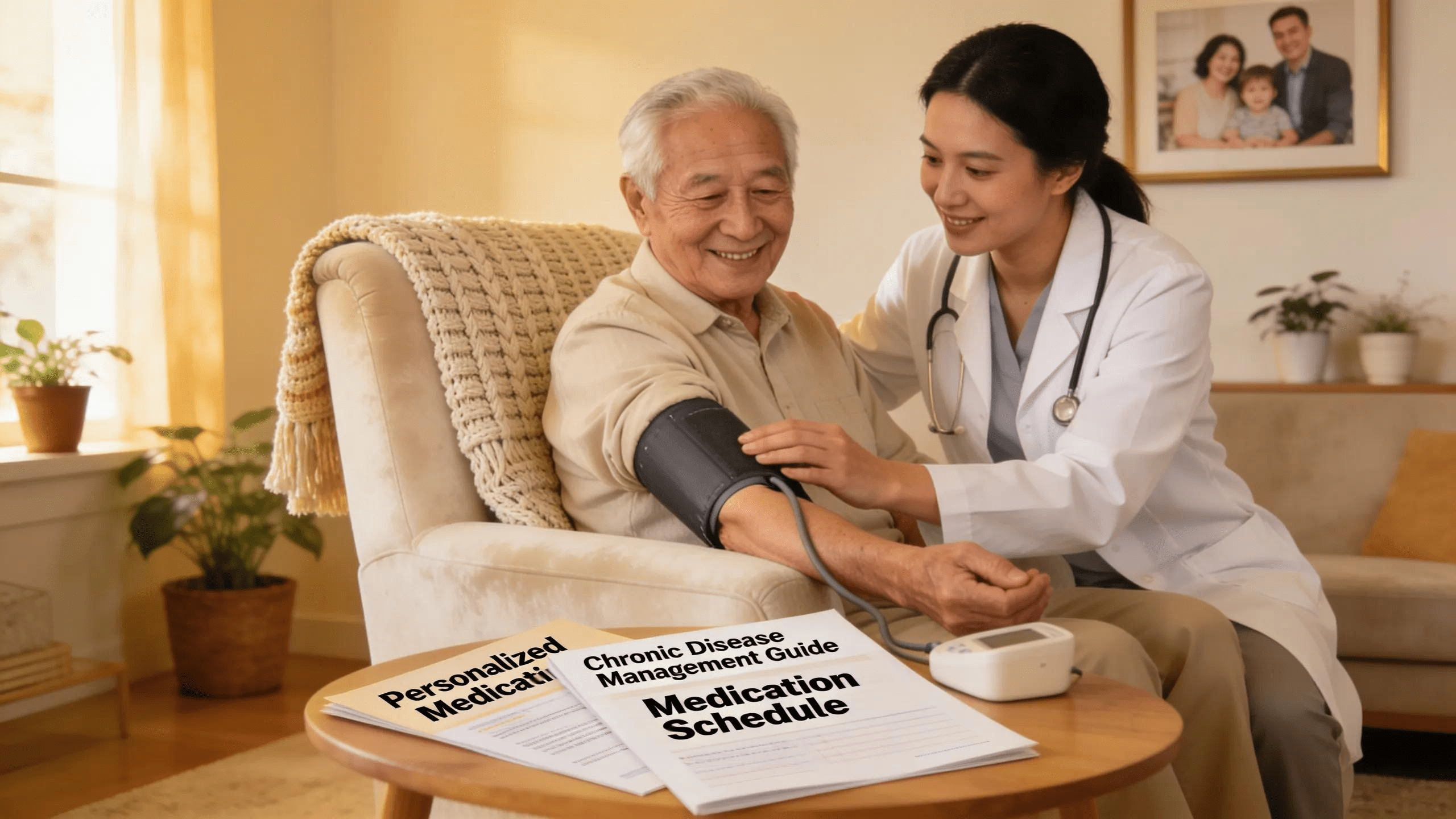
Integrated care plans for chronic disease management are structured strategies that focus on personalized approaches to patient care. These plans emphasize the importance of continuity, ensuring that patients receive coordinated care across multiple healthcare professionals. Key components include skilled nursing, medication management, and patient education, all aimed at improving the patient's overall health status and quality of life. With a holistic understanding of the patient's conditions, integrated care plans offer tailored interventions that align with the patient's specific health goals.

Ameri-Care Professional Service, Inc specializes in developing and implementing these personalized integrated care plans. Their patient-centered approach allows seniors and disabled individuals to receive comprehensive care in a familiar environment, significantly enhancing the effectiveness of chronic disease management.

Expected Outcomes

The adoption of integrated care plans in managing chronic diseases leads to significant expected outcomes that enhance patient well-being and healthcare efficiency. These outcomes include:

  1. Improved Health Outcomes: Patients often experience better control of their conditions, resulting in fewer complications.
  2. Enhanced Quality of Life: Personalized care plans can contribute to increased patient satisfaction through improved lifestyle management.
  3. Cost Savings for Healthcare Systems: Effective chronic disease management can reduce hospital admissions and emergency room visits, lowering overall healthcare costs.

Outcome TypeDescriptionExpected Value
Health OutcomesReduced hospital admissionsImproved patient stability
Quality of LifeTailored interventions for conditionsIncreased satisfaction
Cost SavingsDecrease in unnecessary proceduresFinancial efficiency

The effectiveness of home healthcare services in achieving these outcomes can be further explored through the dedicated protocols used by Ameri-Care Professional Service, Inc.

Strategies

Implementing effective strategies is crucial for the success of integrated care plans for managing chronic diseases. Various approaches enhance the quality of care delivered at home, ensuring that patients receive comprehensive support tailored to their specific needs.

Skilled Nursing Services

Skilled nursing services form a foundational element of integrated care plans, providing patients with professional medical assistance tailored to their conditions. These services include:

  • Assessment of Health Status: Continuous evaluation of the patient's health to adjust care plans accordingly.
  • Diabetes Management: Monitoring blood sugar levels and educating patients on insulin administration techniques.
  • COPD Symptom Management: Implementation of breathing exercises and oxygen therapy as needed.

Medication Management

Effective medication management is critical for ensuring patients adhere to their prescribed regimens. This strategy includes:

  • Education on Medication Importance: Patients receive guidance on the role of each medication in managing their conditions.
  • Tracking Medication Adherence: Regular check-ins and use of reminder systems to help patients stay compliant.
  • Nursing Support: Nurses provide assistance in understanding complex prescription instructions and potential side effects.

Patient Education

Patient education is essential in fostering a proactive approach to health management. Important aspects include:

  • Communication Strategies: Clear communication about conditions, treatment options, and self-care tips.
  • Resources for Patients: Providing materials that educate patients about their diseases and encourage self-management.
  • Family Involvement: Engaging family members in educational initiatives to strengthen support networks.

Coordination of Care

Coordinated care is vital in managing patients effectively across different healthcare providers and services. Key strategies include:

  • Interprofessional Collaboration: Collaboration among physicians, nurses, and other professionals ensures a unified approach to care.
  • Regular Updates: Communication between healthcare providers about patient progress to adapt care plans as necessary.
  • Patient-Centered Approach: Tailoring care strategies to patient preferences and circumstances promotes better outcomes.

Technology Integration

Technology plays an increasingly important role in chronic disease management at home. Various tools and platforms enhance the patient experience by offering:

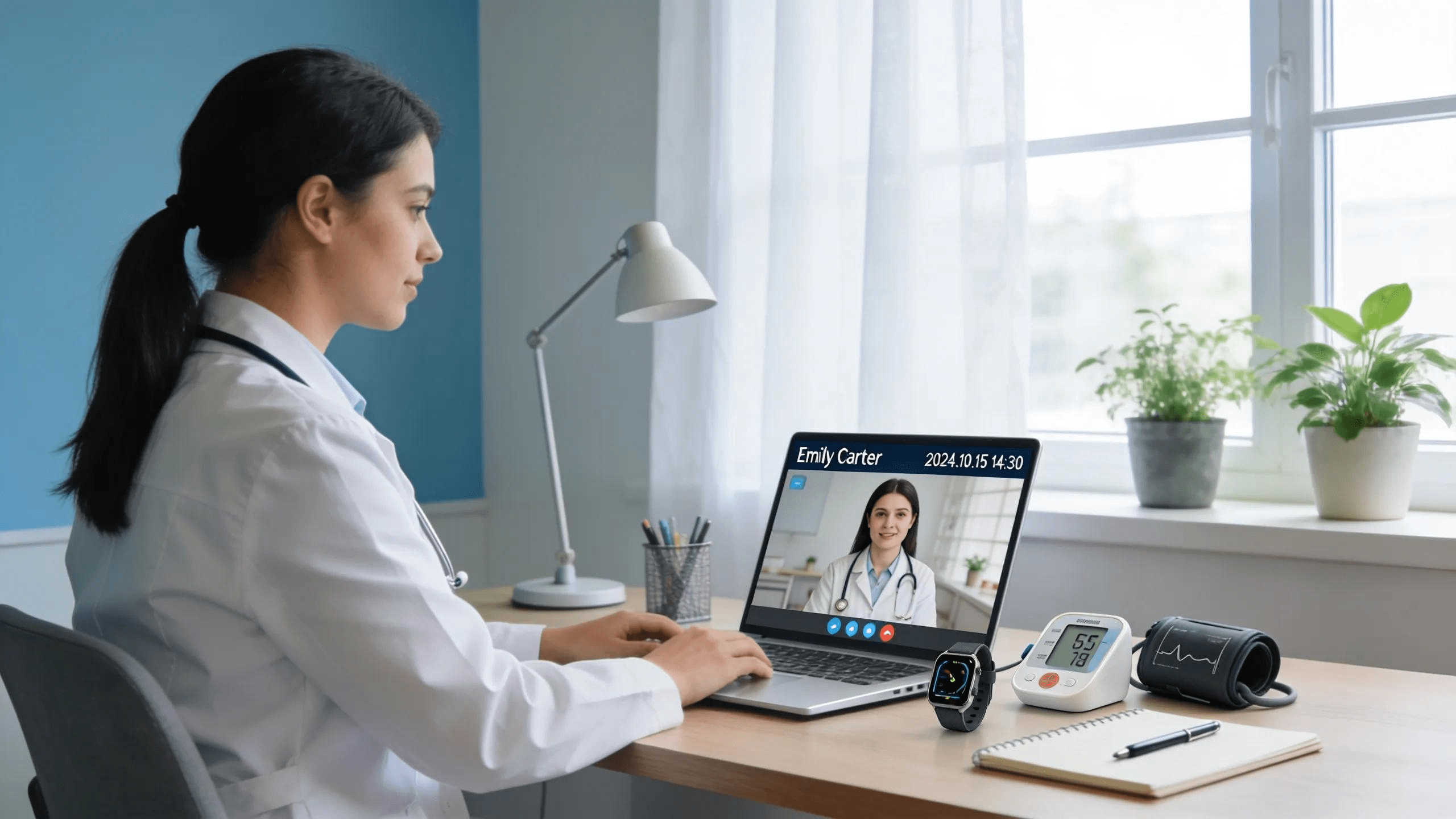
  • Telehealth Services: Facilitating virtual consultations and follow-up appointments to reduce the need for in-person visits.
  • Health Monitoring Apps: These applications help patients track their symptoms, medications, and overall health outcomes seamlessly.
  • Remote Monitoring Tools: Devices that allow healthcare professionals to monitor critical patient metrics from a distance.

Diabetes Clinical Pathways and CGM Integration

Effective diabetes management at home requires adherence to clinical pathways that include regular HbA1c monitoring, with the American Diabetes Association (ADA) recommending targets of less than 7% for most non-pregnant adults. Continuous Glucose Monitoring (CGM) has revolutionized this approach by enabling tighter glucose control and real-time feedback. Devices like the Dexcom G7 and Freestyle Libre 3 offer patients and clinicians near-continuous data to inform insulin titration protocols and reduce hypoglycemic events.

Insulin titration guided by CGM data allows for personalized dosing adjustments that can optimize glycemic control while minimizing risks. In addition to glucose monitoring, integrated diabetes care emphasizes comprehensive foot care screenings to prevent ulceration and infection, along with routine retinopathy monitoring through scheduled ophthalmologic evaluations to detect early signs of vision-threatening complications.

Integrating these components into home care ensures that patients receive cohesive, evidence-based diabetes management designed to reduce complications and hospitalizations while supporting patient self-management and quality of life.

Exercise Prescription for CHF and COPD Patients

Exercise prescription is a cornerstone of managing chronic heart failure (CHF) and COPD in home healthcare settings. For CHF patients, physical therapy-guided cardiac rehabilitation programs—especially phase II and III outpatient models—focus on improving functional capacity and quality of life. Exercise intensity is typically guided using the Rate of Perceived Exertion (RPE) scale, tailoring activities to individual tolerance and clinical status.

For COPD patients, pulmonary rehabilitation (PR) programs incorporate aerobic conditioning, strength training, and breathing retraining techniques such as pursed-lip and diaphragmatic breathing to enhance ventilation efficiency and reduce dyspnea. Occupational therapy interventions complement these efforts by teaching energy conservation strategies, thereby enabling patients to maintain daily activities with less fatigue and greater independence.

Both conditions benefit from interdisciplinary teams that customize exercise protocols to patient needs, ensuring safety and maximizing therapeutic benefits in the home environment.

Miami-Dade Health System Resources

Patients and caregivers in Miami-Dade County have access to several specialized resources offering comprehensive support for chronic disease management. The University of Miami Health System's UHealth Senior Care program provides geriatric-focused services including coordination of care for multiple chronic conditions.

Mount Sinai Medical Center hosts a Comprehensive Heart Failure Program delivering advanced outpatient management and education tailored to CHF patients. Baptist Health South Florida offers chronic disease management programs encompassing diabetes education, cardiac rehab, and pulmonary rehab services designed to enhance patient outcomes.

Additionally, the Jackson Health System operates diabetes education centers providing multidisciplinary instruction on self-care, nutrition, and complication prevention. These local programs play key roles in supporting integrated home care efforts by offering accessible, expert-driven resources within the community.

Relevant Resources

Resources that assist both patients and caregivers in chronic disease management are abundant. Important types of resources include:

  • Local Health Resources: Community organizations and healthcare centers provide services tailored to chronic disease management.
  • Caregiver Support Programs: Various programs offer training and assistance to family caregivers to help them manage their loved ones’ conditions.
  • Professional Guidance and Telehealth Services: Access to expert guidance through telehealth provides continuous support and information.

Best Practices for Diabetes, Heart Disease, and COPD Management in Home Healthcare Settings

Implementing best practices is crucial in managing diabetes, heart disease, and COPD effectively in home healthcare settings. Some recommended practices are:

  • Regular Monitoring: Checking vital signs and symptoms frequently to catch potential issues early.
  • Dietary Modifications: Educating patients on nutrition choices that support their conditions.
  • Physical Activity: Encouraging suitable exercise regimes that align with medical advice.

How Is COPD Home Health Management Effectively Delivered by Clinical Staff?

Effective management of COPD within the home relies on the expertise of clinical staff. Skilled nurses and respiratory therapists work closely with patients to deliver personalized care plans that address their individual needs. They assess patients for signs of exacerbation and implement strategies to mitigate risk factors contributing to declining health. Coordinated communication among healthcare providers ensures that the patient receives comprehensive care, promoting stability and improved health outcomes.

Which Evidence-Based Interventions Support Diabetes and Heart Disease Self-Management at Home?

Numerous evidenced-based interventions support self-management strategies for diabetes and heart disease. These include:

  • Blood Sugar Monitoring: Encouraging consistent monitoring of blood glucose levels for diabetes patients.
  • Patient Education Programs: Providing structured educational programs that help patients understand their diseases.
  • Lifestyle Modifications: Encouraging healthy eating and exercise habits to support cardiovascular health.

Transitional paragraph created to accommodate the link

For those seeking streamlined access to these vital services, understanding the referral process is key. Patient referral processes are essential components of chronic disease management.

How Does Caregiver Support Enhance Chronic Disease Home Care Outcomes?

Caregiver support is integral to achieving positive home care outcomes for patients with chronic diseases. Benefits of caregiver involvement include:

  • Emotional Support: Caregivers provide crucial emotional backing, which can alleviate stress for patients.
  • Monitoring and Education Roles: A well-informed caregiver can better monitor changes in patient health and assist in medication management.
  • Training Resources for Caregivers: Access to training helps caregivers develop necessary skills for effective chronic disease management.

What Training Resources Are Available for Family Caregivers Managing Multiple Conditions?

Various training resources are available to family caregivers managing multiple conditions effectively. Recommended options include:

  1. Workshops and Seminars: Organizations often offer educational events focusing on chronic disease management.
  2. Online Courses: Many platforms provide flexible learning opportunities tailored to caregiver needs.
  3. Educational Materials: Access to comprehensive guides and pamphlets that explain disease management strategies.

How Do Caregivers Facilitate Integrated Care Coordination and Patient Compliance?

Caregivers play a critical role in facilitating integrated care coordination and enhancing patient compliance by:

  • Monitoring Health Metrics: Keeping track of critical health indicators to ensure serious issues are promptly addressed.
  • Encouraging Patient Compliance: Motivating patients to adhere to their treatment plans and attend appointments.
  • Facilitating Communication: Acting as a liaison between healthcare providers and patients to streamline communication.

What Is the Role of Patient Referral Processes in Chronic Disease Home Care Delivery?

Patient referral processes are essential components of chronic disease management. They facilitate timely access to necessary services and ensure that patients receive appropriate care. Effective referral processes involve:

  • Initiating and Confirming Referrals: Healthcare providers must execute the referral process effectively to avoid delays in care.
  • Impact on Patient Access to Services: Smooth referral transitions directly contribute to improved patient health outcomes.
  • Coordination Between Providers: Ensuring all providers are informed about the patient’s health status promotes collaborative care.

How Does Ameri-Care’s Referral Portal Streamline Access to Integrated Home Care Services?

Ameri-Care Professional Service, Inc's referral portal offers several benefits that streamline access to integrated home care services, including:

  • Centralized Information for Referrals: The portal provides a single point of access for information relating to patient care.
  • Timely Processing of Care Requests: Rapid processing ensures that patients receive the services they require without delay.
  • Improved Communication with Healthcare Professionals: Enhanced communication channels allow for better coordination of care.

When Should Healthcare Professionals Refer Patients to Home Healthcare for Chronic Illness Management?

Healthcare professionals should consider referring patients to home healthcare when certain criteria are met, such as:

  1. Signs a Patient May Need Home Care: Indicators like frequent hospitalizations may warrant closer monitoring at home.
  2. Criteria for Referral: Established guidelines that help determine the necessity for home healthcare services.
  3. Benefits of Timely Referrals: Early intervention can mitigate patient deterioration and enhance overall health outcomes.

Which Insurance and Policy Updates Impact Access to In-Home Chronic Care Services?

Insurance coverage and policy changes significantly impact access to in-home chronic care services. Key factors include:

  • Common Insurance Options for Home Care: Medicare and Medicaid play pivotal roles in financing home healthcare.
  • Impact of Policy Changes on Eligibility: Recent legislation can shift the qualification parameters for access to home care services.
  • Resources for Understanding Coverage: Various organizations provide valuable information to help families navigate insurance options.

How Do CMS Eligibility Changes Since 2024 Affect Home Health Services for Diabetes, Heart Disease, and COPD Patients?

Recent changes in CMS eligibility criteria since 2024 have introduced new challenges and resources for home health services for chronic illness patients. These adjustments have:

  • Changed Eligibility Criteria: New policies impact how patients qualify for in-home care.
  • Impacted Patient Access to Necessary Services: Patients may now need to navigate additional hoops to receive care.
  • Role of Healthcare Providers in Navigating Changes: Providers are crucial in helping patients understand these new regulations and access the appropriate care.

What Insurance Coverage Options Are Common for Senior Chronic Disease Home Care?

Insurance coverage options for seniors needing chronic disease home care include:

  • Overview of Medicare and Medicaid: Programs that offer considerable support for eligible seniors requiring care.
  • Private Insurance Options and Benefits: Exploring available private insurance plans that supplement Medicare.
  • Long-Term Care Insurance Considerations: Understanding how long-term care insurance fits into the equation for senior care at home.

How Can Technology and Telehealth Complement Integrated Chronic Disease Care at Home?

Technology and telehealth solutions are essential for enhancing integrated chronic disease care at home. The advantages include:

  • Remote Monitoring Tools: Technologies enable healthcare providers to keep real-time tabs on patient health metrics.
  • Telehealth Services for Continuous Care: Access to virtual appointments aids in sustaining follow-up care beyond office visits.
  • Impact on Patient Engagement and Outcomes: Technology fosters increased patient participation in their healthcare journeys, which can lead to better outcomes.

What Telehealth Solutions Enhance Monitoring and Coordination for Chronic Illness Patients?

Various telehealth solutions improve monitoring and coordination for patients dealing with chronic illnesses, such as:

  • Remote Monitoring Devices: Tools that alert healthcare providers to health changes in real-time, allowing for timely interventions.
  • Health Monitoring Applications: Facilitate self-management through user-friendly interfaces and tracking capabilities.
  • Telehealth Platforms for Virtual Consultations: Provide easy access to healthcare professionals without the need for travel.

How Do Data-Driven Care Plans Improve Clinical Outcomes in Home Healthcare Environments?

Data-driven care plays a crucial role in enhancing clinical outcomes within home healthcare environments. The key aspects include:

  • Importance of Comprehensive Assessments: Thorough initial assessments inform tailored care plans that better address individual needs.
  • Benefits of Tracking Patient Data: Continuous monitoring allows for rapid adjustments to care strategies based on real-time feedback.
  • Impact of Tailored Care Plans on Health Outcomes: Personalized interventions significantly improve patient health and satisfaction levels.

Citations and References

Smart Home Technology for Aging in Place: IoT Devices That Keep Miami Seniors Safe and Independent

Smart Home Technology for Aging in Place: IoT Devices That Keep Miami Seniors Safe and Independent

Smart Home Technology for Aging in Place: IoT Devices That Keep Miami Seniors Safe and Independent

By Eduardo Lopez Prado, BS, PTA, CLT, Ameri-Care Professional Service, Inc.

As the population of seniors continues to grow, so does the need for innovative solutions that enable safe and independent living. Smart home technologies, particularly IoT (Internet of Things) devices, have emerged as essential tools for aging in place. These technologies facilitate a safer environment, providing seniors with the support and monitoring necessary to thrive in their homes. This article delves into the specific types of IoT safety devices available in Miami, the benefits of home automation, and how remote monitoring and integrated systems can enhance the lives of seniors.

The discussions cover key IoT safety devices, the advantages of voice-activated assistants, and the broader implications of integrating these technologies into daily life. By examining these technologies, families can gain insights into how they can maintain their loved ones’ independence while ensuring their safety and well-being.

What Are the Key IoT Safety Devices for Seniors in Miami?

IoT safety devices play a critical role in enhancing the living conditions of seniors, ensuring their safety and promoting independence. These devices include:

  • Fall Detection Systems: These are sophisticated sensors that detect falls in real-time, automatically alerting caregivers or emergency services to provide immediate assistance.
  • Health Monitoring Devices: These devices track vital signs such as heart rate, blood pressure, and activity levels, allowing for proactive health management.
  • Home Security Systems: Integrated security systems can offer peace of mind, with features such as surveillance cameras, motion sensors, and smart locks.

By equipping homes with such technologies, seniors can live with greater confidence, knowing that help is readily available if needed.

How Do Fall Detection Systems Operate to Prevent Senior Injuries?

Fall detection systems utilize a combination of sensors and algorithms to monitor the movements of seniors. These systems analyze motion patterns and can discern when a fall occurs. Upon detecting a fall, the system emits an alert to pre-defined contacts, such as family members or emergency personnel, ensuring that assistance is provided without delay.

Many systems integrate seamlessly with existing smart home technologies, allowing for a comprehensive safety network. Immediate alerts are essential in preventing complications that can result from delayed responses, especially in cases where seniors may be unable to call for help themselves. This integration of technology aids in faster intervention, reducing the risk of severe injuries and complications from falls.

Which Senior Safety Monitoring Devices Support Independent Living?

A variety of monitoring devices assist in keeping seniors safe while promoting independence. Some notable options include:

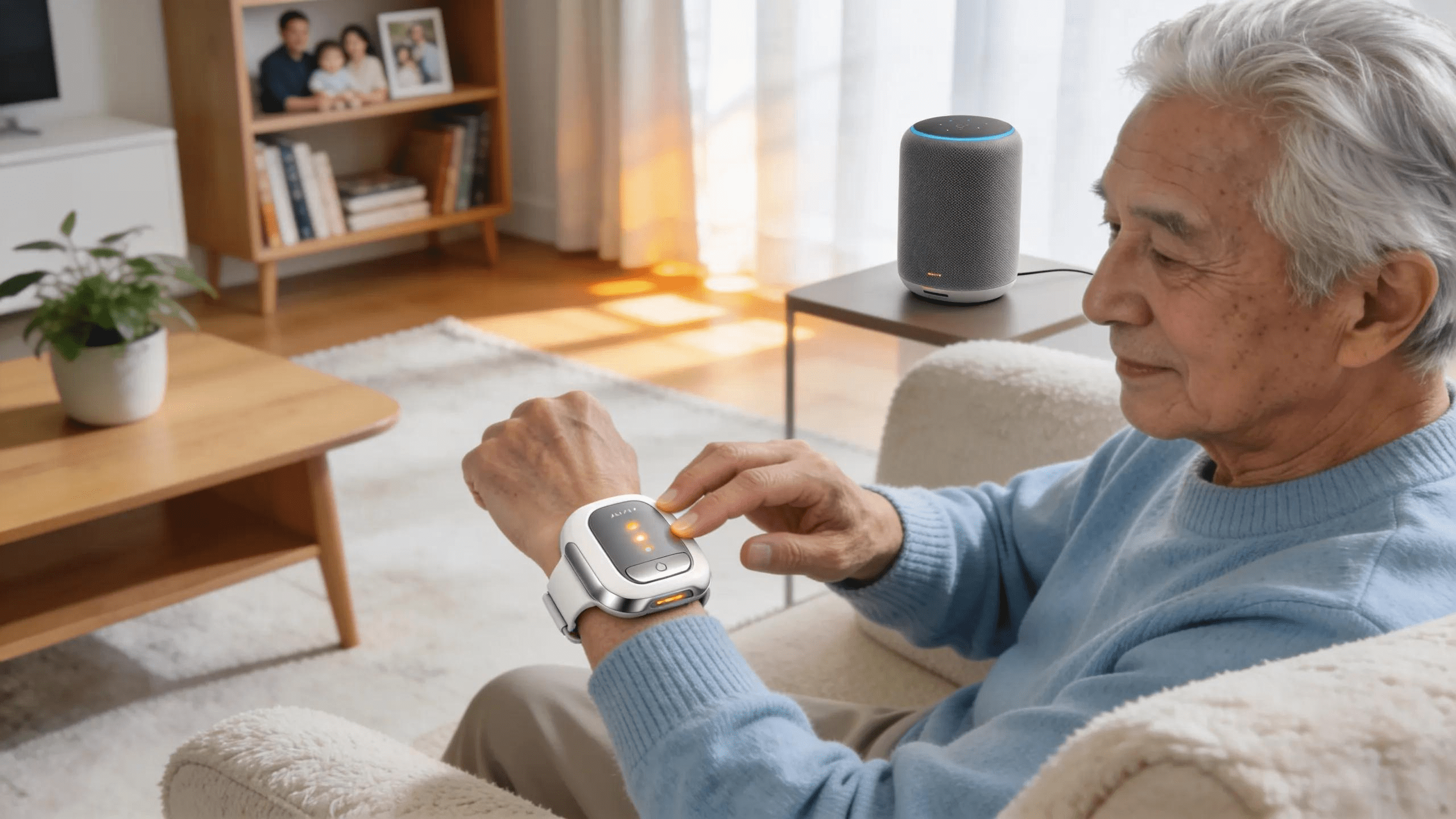
  1. Wearable Health Devices: These include sensors embedded in smartwatches that monitor heart rate and exercise levels. They can send alerts to caregivers if irregularities are detected.
  2. Environmental Sensors: Devices that monitor home conditions like smoke, CO2 levels, and water leaks offer an extra layer of safety.
  3. Emergency Response Systems: Many solutions allow seniors to summon help with the press of a button, ensuring that they are never truly alone.

These monitoring devices are crucial in creating environments where seniors can feel secure handling their daily tasks independently.

How Does Home Automation Improve Aging in Place Technology in Miami?

Home automation enhances the quality of life for seniors by integrating various smart devices that communicate with each other, creating an efficient and user-friendly environment. Home automation systems can control lighting, temperature, and security features, allowing seniors to manage their homes effortlessly.

For instance, smart lights can be programmed to adjust based on the time of day, reducing the risk of accidents in dark areas. Automated door locks give seniors a sense of security, enabling them to manage access to their homes safely. These features not only provide convenience but also contribute to a more comfortable home environment.

What Are the Benefits of Voice-Activated Assistants for Elderly Users?

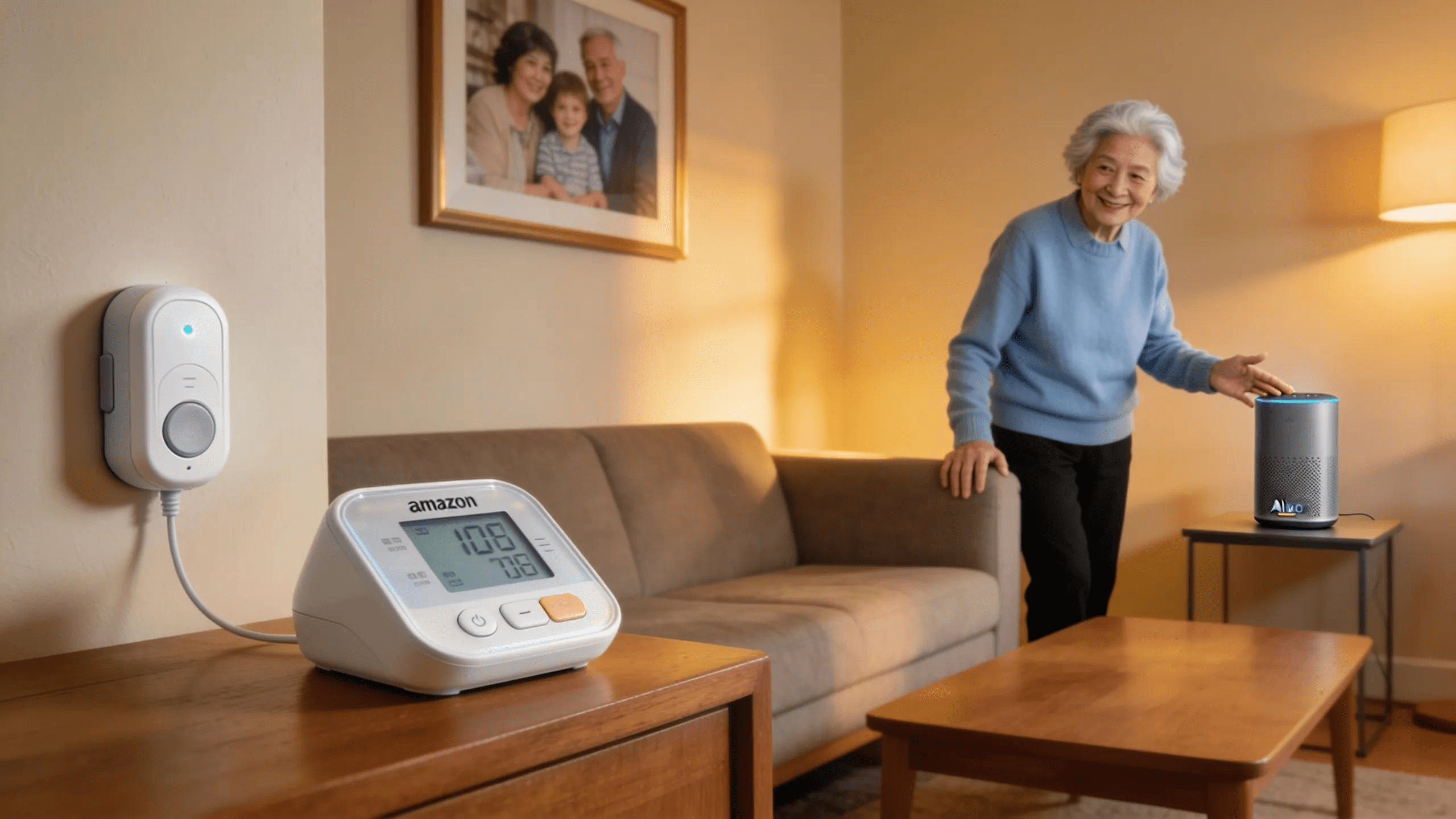
Voice-activated assistants, such as Amazon Alexa and Google Assistant, offer significant benefits for elderly users. These assistants enable hands-free control of various smart devices, simplifying interactions for those who may struggle with technology.

Key benefits include:

  • Convenience: Seniors can use voice commands to manage lighting, temperature, and multimedia content without needing physical interaction with devices.
  • Safety: Voice-activated assistants can call for help if a senior feels unsafe or needs immediate assistance.
  • Daily Reminders: These devices can provide medication reminders, helping seniors manage their health routines effectively.

With their user-friendly interfaces, voice-activated assistants significantly empower seniors, allowing them to maintain a degree of independence while receiving necessary support.

How Do Remote Monitoring Solutions Facilitate Caregiver Oversight?

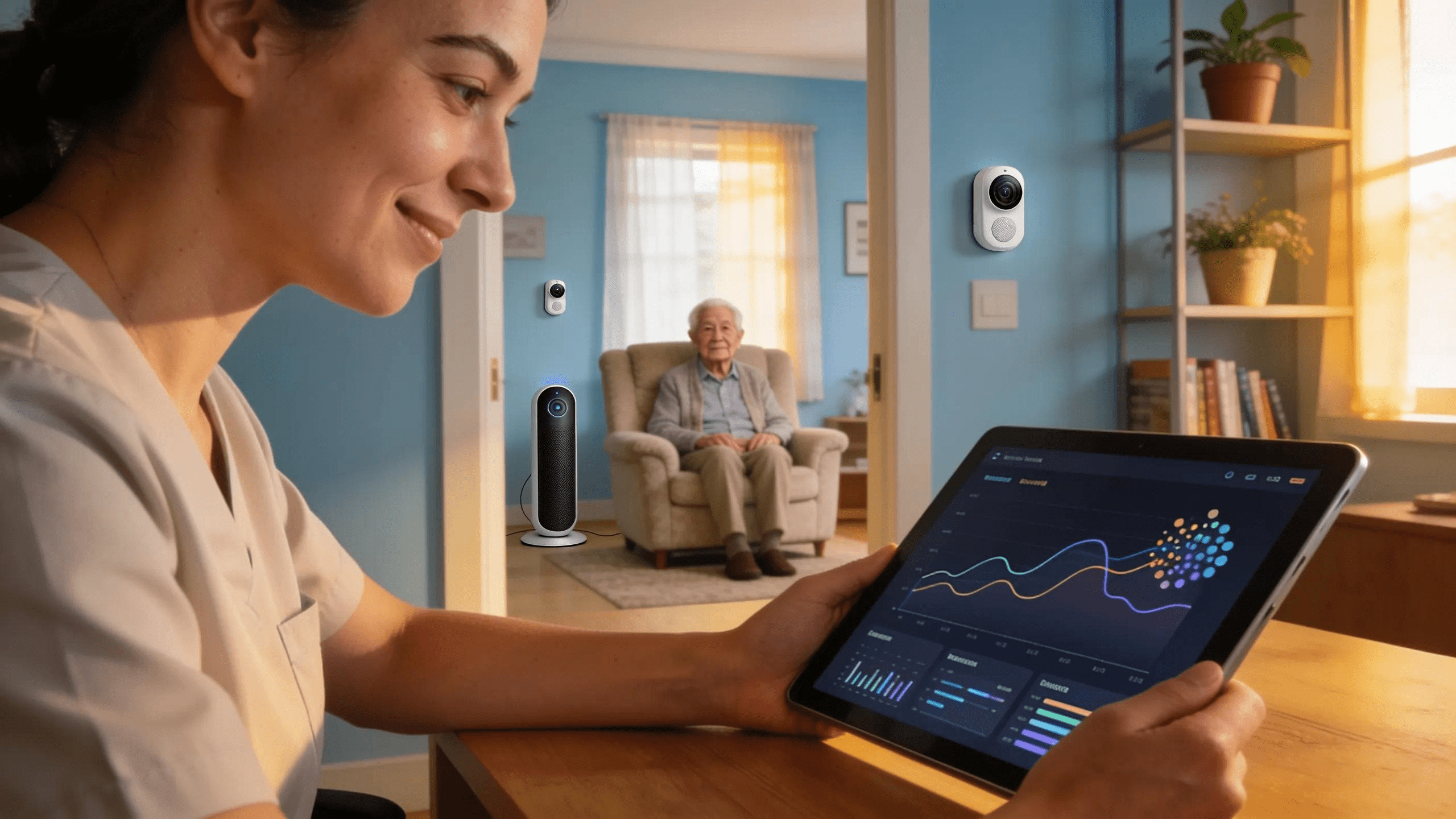
Remote monitoring solutions provide caregivers with valuable tools to oversee the well-being of seniors from afar. These systems often include cameras, health monitoring devices, and motion sensors that deliver real-time data about a senior's activities.

Benefits of remote monitoring solutions include:

  • Activity Tracking: Caregivers can monitor daily activities, ensuring that the senior is maintaining routines, such as regular meals and exercise.
  • Alerts for Anomalies: Sudden changes in activity patterns trigger alerts, allowing caregivers to check in as necessary.
  • Ease of Communication: Many systems offer video calling features, enabling caregivers to maintain direct contact without being physically present.

By leveraging these technologies, caregivers can enhance their oversight while allowing seniors to live as independently as possible.

How Does Ameri-Care Integrate IoT Devices into In-Home Healthcare Services?

Ameri-Care Professional Service Inc effectively integrates IoT devices into their in-home healthcare services, providing enhanced support for seniors. Utilizing various smart technologies, they create tailored solutions for individual health needs, improving both care quality and safety.

Which Clinical Evidence Supports Ameri-Care’s Aging-in-Place Technology Approach?

Clinical studies frequently demonstrate the effectiveness of smart technologies in improving health outcomes for seniors. Research indicates that homes equipped with advanced monitoring and safety systems have lower rates of hospital readmissions.

Ameri-Care’s emphasis on utilizing IoT technology aligns with these findings, ensuring that patients receive interventions that are timely and targeted. The integration of such technology not only promotes health but also provides reassurance to families regarding their loved ones' safety.

How Does the Patient Referral Process Incorporate Smart Home Solutions?

The patient referral process at Ameri-Care seamlessly incorporates smart home solutions into the assessment phase. During the initial evaluation, caregivers gather information about the patient's home environment and needs, determining the most suitable technologies to implement. This proactive approach ensures that seniors are matched with the right devices from the outset, facilitating a smoother transition into in-home healthcare services. The collaboration between healthcare professionals and technology providers enhances the overall quality of care received.

What Are the Cost and Setup Considerations for Aging in Place Technology in Miami?

When considering aging-in-place technology in Miami, families need to evaluate both costs and installation processes. Understanding what is available can facilitate informed decisions about which technologies to invest in.

What Is the Expected Investment for Home Automation and IoT Health Sensors?

Initial investments for home automation and IoT health sensors can vary widely based on device types and installation complexity. Basic systems may start at a few hundred dollars, while comprehensive setups can exceed several thousand.

To maximize value, families should consider:

  • Scalability: Start with essential devices and expand as needs grow.
  • Long-term savings: Investing in quality devices may lead to decreased healthcare costs over time by enhancing safety and reducing risks.

Which Providers Offer Installation and Ongoing Support for Senior Tech in Miami?

In Miami, a variety of providers offer installation and ongoing support for senior technologies. Many specialized companies focus on smart home solutions tailored for aging individuals, ensuring that families receive the necessary assistance.

Some providers also offer training programs for seniors and their families to enhance their understanding of the technologies in their homes, fostering confidence in using smart home systems.

What Are the Privacy and Security Standards for IoT Devices Used by Miami Seniors?

As the use of IoT devices increases, so does the emphasis on privacy and security. It is crucial for devices to comply with established standards to protect user data and maintain trust in these technologies.

How Are Personal Health Data and Alert Systems Secured in Smart Homes?

Personal health data collected by IoT devices must be encrypted and securely stored, ensuring that unauthorized access is prevented. Many devices use advanced encryption protocols and regular security updates to protect user data.

Additionally, alert systems should incorporate fail-safes to ensure that alerts are transmitted securely and promptly to designated contacts, maintaining both functionality and privacy.

Encryption standards commonly employed include AES-128 symmetric encryption for data at rest and WPA3 security for Wi-Fi connected devices. Battery life for sensors typically ranges from six months to several years depending on device duty cycles and communication protocols.

What Compliance Measures Ensure Device Reliability and Trustworthiness?

Compliance measures for IoT devices often include adherence to federal and state regulations, which govern the collection, storage, and use of personal health information. Manufacturers must demonstrate compliance with applicable laws such as HIPAA (Health Insurance Portability and Accountability Act) and FDA regulations to ensure reliability and build consumer trust.

Furthermore, standards such as the National Institute of Standards and Technology (NIST) Cybersecurity Framework are crucial in guiding device security practices. The Federal Trade Commission (FTC) also requires companies to implement adequate cybersecurity protections under its guidelines for IoT device manufacturers. Florida Statute §501.171 mandates immediate notification of data breaches affecting state residents, reinforcing local protections.

Privacy risks specific to voice-activated assistants like Amazon Alexa and Google Nest Hub include always-on microphones, data retention policies, and limitations in HIPAA compliance, which restrict their use in transmitting protected health information unless specifically designed for such environments.

Technical Specifications of IoT Smart Home Devices Supporting Independent Living Technology Miami

Understanding the technical specifications behind IoT senior safety devices is essential for effective deployment and long-term reliability in smart home aging in place initiatives.

Smart Sensors

  • Temperature, Humidity, and Air Quality Sensors: These devices measure ambient conditions, providing data on environmental comfort and health risks related to temperature extremes or poor air quality.
  • Water Leak Sensors: Placed in vulnerable areas, these sensors detect moisture leaks early to prevent flooding and mold.

Motion Detectors

Two main types of motion detection technologies are used:

  • Passive Infrared (PIR): Detects heat signatures from moving bodies, suitable for indoor security and occupancy tracking with ranges typically up to 30 feet.
  • Microwave Sensors: Emit microwave pulses and measure reflections; they provide greater sensitivity and can detect motion through walls but consume more power.

Door/Window Contact Sensors

These sensors identify entry points’ status by detecting the proximity or separation of magnetic contacts, enabling alerts for unauthorized access or safety monitoring.

Smart Locks

Smart locks deployed for senior safety should conform to ANSI/BHMA Grade 1 standards, representing the highest certification for security and durability. These locks often support multiple authentication modes including keypad, biometric, and remote mobile app control.

Voice-Activated Assistants

Popular voice-activated assistants include Amazon Alexa and Google Nest Hub. While these platforms simplify device control, it is important to note their current limitations regarding HIPAA compliance, which affects their use in clinical data transmission.

Environmental Monitoring

  • Carbon Monoxide Detectors: Provide critical alerts for hazardous, odorless gas emissions.
  • Radon Detectors: Measure radon levels to prevent long-term health risks such as lung cancer.

Connectivity Protocols

Several wireless protocols enable IoT device intercommunication:

  • Z-Wave and Zigbee: Low-power mesh networks ideal for reliable smart home device interconnection.
  • Wi-Fi 6: High-bandwidth protocol supporting more devices with improved security.
  • Thread and Matter Standard: Emerging IP-based protocols designed to enhance interoperability and simplify device ecosystems.

Devices typically feature battery lives from six months up to five years, depending on usage and protocol, with effective range varying by technology from 30 to 100 feet indoors.

Clinical Integration and Home Health Care Protocols for Smart Home Aging in Place

Integration of IoT smart home data into home health care workflows enables personalized, timely interventions and enhances patient outcomes.

  • Remote Monitoring Dashboards: Caregivers and clinicians access centralized platforms aggregating sensor data to monitor health metrics and environmental status in real time.
  • Alert Routing: Critical events such as falls or abnormal vital signs automatically trigger notifications routed to home health nurses or emergency contacts, ensuring rapid response.
  • Telehealth Integration: IoT data feeds into telehealth platforms, enabling virtual care providers to assess patient status and adjust care plans without in-person visits.
  • Care Plan Customization: Sensor-generated activity and health metrics enable dynamic adjustments of treatment protocols, such as modifying physical therapy regimens based on mobility data.
  • Coordination with Therapy Goals: Physical and occupational therapists utilize activity tracker data to objectively monitor progress and adherence, optimizing rehabilitation outcomes.

Expanded HIPAA and Regulatory Framework for IoT Senior Safety Devices

Ensuring compliance with regulatory frameworks is fundamental for safe deployment of smart home aging in place technology.

  • FDA Oversight: Medical-grade smart devices fall under FDA regulation, which mandates safety and efficacy documentation prior to market clearance.
  • FTC Guidelines: The Federal Trade Commission enforces security and privacy standards for IoT device manufacturers, safeguarding users against vulnerabilities.
  • NIST Cybersecurity Framework: Provides a comprehensive guideline for securing connected health devices, promoting risk management and incident response strategies.
  • CMS Reimbursement: The Centers for Medicare & Medicaid Services recognize remote patient monitoring technologies in certain reimbursement codes, incentivizing adoption.
  • Florida Data Breach Notification: Under Florida Statute §501.171, organizations must promptly notify affected individuals and agencies of breaches involving personal health data.
  • Privacy Concerns with Voice Assistants: Devices with always-on microphones pose risks related to inadvertent data capture; transparent retention policies and user control mechanisms are critical to mitigate privacy breaches.

Evidence-Based Outcomes and Research on IoT Senior Safety Devices

Peer-reviewed research supports the efficacy of smart home aging in place technologies in improving health outcomes and reducing costs:

  • A study published in JAMDA (Journal of the American Medical Directors Association) demonstrated that smart home monitoring reduced hospital readmissions among frail seniors by 20% through early intervention alerts.
  • Gerontechnology journal articles report enhanced quality of life scores for elderly participants utilizing home automation combined with health sensors.
  • Cost-effectiveness analyses show technology investments reduce emergency department visits and long-term care admissions, offsetting initial expenditures.
  • The AARP Digital Readiness Survey highlights increasing senior acceptance and competency with smart home devices, promoting independent living.

Miami-Dade Specific Context for Smart Home Aging in Place

Miami-Dade presents unique considerations for the deployment of IoT senior safety devices and independent living technology:

  • Hurricane Preparedness and Resilience: Smart homes incorporate backup power systems and cellular failover connectivity to maintain device operation during storms and outages.
  • Local Utility Incentives: Programs like Florida Power & Light’s GridSavers and rebates for smart thermostats reduce adoption costs and promote energy efficiency.
  • Area Agency on Aging Grants: Funding opportunities support acquisition of aging in place technology for vulnerable populations.
  • County Home Modification Services: Miami-Dade offers home accessibility modification initiatives that integrate smart technologies tailored for seniors.
  • Installation and Support Resources: Local providers specialize in smart home technology setups designed to address Miami’s climate and community needs, with experience in senior-friendly solutions.

Comprehensive Citations and References

For detailed guidance and evidence supporting the topics discussed, refer to:

Conclusion: Advancing Independent Living Technology Miami Through Expert Integration

As a specialist at the intersection of physical therapy, home safety, and technology-enabled independence, I, Eduardo Lopez Prado, BS, PTA, CLT, emphasize that smart home aging in place technologies represent a transformative approach to senior care in Miami. Through carefully selected IoT senior safety devices, clinical integration into home health protocols, and rigorous adherence to expanded regulatory frameworks, we can enhance both safety and quality of life.

Coupled with local Miami-Dade resilience strategies and supported by evidence-based research, these technologies empower seniors to live independently with confidence while providing caregivers with effective oversight tools. Families interested in adopting such solutions should seek providers offering tailored installation, ongoing support, and education to maximize benefits.

Embracing the technological advancements available today positions communities to better serve their aging populations, ensuring dignity, safety, and autonomy remain central in the aging experience.

Telehealth for Seniors in Miami-Dade: Virtual Doctor Visits and Remote Care Explained

Telehealth for Seniors in Miami-Dade: Virtual Doctor Visits and Remote Care Explained

Telehealth for Seniors in Miami-Dade: Comprehensive Guide to Virtual Doctor Visits and Remote In-Home Care Services

By Eduardo Lopez Prado, BS, PTA, CLT, Ameri-Care Professional Service, Inc.

Telehealth has emerged as a vital solution for seniors in Miami-Dade, providing convenient access to healthcare services while they remain in the comfort of their homes. As the population ages, telehealth becomes increasingly valuable, allowing elderly individuals to receive care without the challenges associated with traveling to medical facilities. This comprehensive guide explores the various aspects of telehealth, including its benefits, technology requirements, and answers to common questions that seniors and caregivers may have. Readers will gain insights into how virtual doctor visits and remote care can enhance healthcare for seniors, addressing their unique needs while promoting a healthier lifestyle.

Comprehensive Guide on Telehealth for Seniors in Miami-Dade

Telehealth encompasses a wide range of healthcare services delivered remotely, which can significantly benefit seniors. Through virtual consultations and remote monitoring, seniors can access medical care without the need to travel. Telehealth services often include virtual doctor visits, follow-up consultations, nursing support, and chronic condition management. These services are particularly beneficial for seniors with mobility issues or chronic illnesses, allowing them to remain engaged with their health management from home while maintaining their independence.

1. Overview of Telehealth Services

Telehealth services for seniors incorporate multiple healthcare strategies that prioritize accessibility and convenience. Key offerings include virtual consultations with healthcare providers, remote monitoring of health conditions, and access to specialists when needed. Moreover, these services can integrate in-home healthcare solutions that provide a holistic approach to managing a patient's health. The availability of telehealth services has grown, making it easier than ever for seniors in Miami-Dade to receive quality care tailored to their individual health needs without disruptions related to travel.

2. Key Benefits

Telehealth provides numerous advantages for seniors, enhancing their overall quality of life and facilitating better health management. The following are some of the critical benefits of telehealth for this demographic:

  1. Enhanced Independence: Seniors can manage their healthcare from the comfort of their homes, reducing reliance on caregivers for transportation.
  2. Cost-Effectiveness: In-home telehealth services can lead to cost savings compared to traditional in-person visits, lowering travel costs and time away from home.
  3. Holistic Health Management: Telehealth enables a comprehensive approach that integrates various healthcare services, improving overall wellness outcomes.

As specialists in telehealth-enabled in-home care, Ameri-Care Professional Service, Inc supports seniors and individuals with disabilities in Miami-Dade by facilitating remote consultations and monitoring to promote better health outcomes.

3. Accessibility

Accessing telehealth services in Miami-Dade involves understanding local resources and the availability of bilingual support. Many healthcare providers offer services tailored to the diverse population within the region, ensuring that language barriers do not hinder access to these critical health services. Community initiatives can further enhance accessibility by providing resources for seniors, fostering a more inclusive healthcare environment that promotes health literacy and engagement.

4. Technology Requirements

Engaging with telehealth services requires specific technologies that ensure effective communication between seniors and healthcare providers. For most virtual visits, seniors will need:

  • Devices: A smartphone, tablet, or computer equipped with a camera and microphone to facilitate video calls.
  • Internet Connection: A reliable internet connection is essential for smooth video streaming and health monitoring applications.
  • Software: Familiarity with telehealth platforms, which often come with built-in user guides and technical support, is critical for successful virtual visits.

These technological requirements are not only vital for participation but also for enjoying a seamless healthcare experience.

Which Licensed Healthcare Professionals Participate in Remote Senior Care?

Various licensed professionals are involved in providing telehealth services for seniors. These may include:

  1. Primary Care Physicians: Offering comprehensive assessments and ongoing management of chronic conditions.
  2. Specialists: Providing expertise in fields such as cardiology, gerontology, and mental health.
  3. Nurses and Nurse Practitioners: Conducting follow-up care and monitoring medications and symptoms.

Each professional contributes uniquely to a patient’s care plan, ensuring tailored support based on individual health needs.

5. Potential Challenges

While telehealth presents a myriad of benefits, some challenges may hinder its effectiveness for seniors. Key challenges include:

  • Technology Barriers: Some seniors may struggle with using new devices or software, leading to frustration and disengagement.
  • Isolation Effects: Virtual visits may lack the personal touch of in-person meetings, potentially exacerbating feelings of loneliness.
  • Insurance Coverage Understanding: Navigating insurance policies can be complicated, with varying levels of coverage for telehealth services.

Addressing these challenges is crucial in fostering a more inclusive environment for telehealth service delivery.

Telehealth represents a transformative shift in the healthcare paradigm for seniors, especially in areas like Miami-Dade. By enabling remote access to healthcare services, telehealth empowers seniors to take charge of their health from home. Whether it's through virtual consultations or efficient chronic condition management, this innovative approach paves the way for better health outcomes and a more fulfilling lifestyle. Seniors are encouraged to explore the telehealth options available to them and engage with local resources to optimize their healthcare experience.

What Are the Key Benefits of Telehealth for Seniors in Miami-Dade?

Telehealth provides several key advantages for seniors in Miami-Dade, particularly in enhancing their healthcare experience through improved access and convenience. The primary benefits include:

  1. Improved Access to Healthcare: Seniors can easily connect with healthcare providers without needing to travel, which is crucial for those with mobility issues.
  2. Convenience and Comfort of Remote Consultations: Virtual visits allow seniors to receive care in a familiar environment, reducing discomfort often associated with medical facilities.
  3. Enhanced Monitoring of Chronic Conditions: Telehealth solutions facilitate regular check-ins, enabling proactive management of health conditions and a quicker response to medical concerns.

These components illustrate the efficacy of telehealth in supporting the unique needs of seniors.

How Does Virtual Healthcare Improve Chronic Condition Management?

Virtual healthcare supports seniors managing chronic conditions by providing timely access to medical advice, which is essential for ongoing health maintenance. The integration of technology in healthcare allows for:

  • Personalized Care Plans: Healthcare providers can create tailored regimens that address individual health needs.
  • Regular Monitoring and Education: Telehealth enables continuous assessments, allowing for adjustments in treatment as conditions evolve.
  • Cost-Effectiveness of Telehealth: Routine virtual visits may reduce hospital admissions and emergency interventions, demonstrating a cost-efficient approach to long-term care.

What Advantages Does Remote Monitoring Offer for Elderly Patients?

Remote monitoring technologies provide significant benefits for elderly patients.

  1. Continuous Health Tracking: Vital signs and health metrics can be monitored in real-time, leading to early detection of potential issues.
  2. Reduced Need for In-Person Visits: Frequent check-ups can often be avoided, lowering travel demands and stress on seniors.
  3. Enhanced Communication with Providers: Patients can quickly relay their changes in condition, allowing for timely medical responses.

How Do Virtual Doctor Visits Operate in Miami-Dade’s In-Home Healthcare?

Virtual doctor visits function within the framework of Miami-Dade’s in-home healthcare, allowing seniors to receive personalized care from their homes. Typically, these visits include:

  • Scheduling Appointments: Patients can easily book virtual visits through dedicated platforms or mobile applications.
  • Consultation Process: During the visit, healthcare providers assess health concerns, review symptoms, and provide guidance on treatment plans.
  • Equipment and Setup Requirements: Seniors need to have access to necessary devices and a stable internet connection to connect effectively.

Which Licensed Healthcare Professionals Participate in Remote Senior Care?

The delivery of remote senior care involves various licensed professionals in Miami-Dade, which ensures comprehensive healthcare coverage.

  1. Physicians: Lead the primary care consultations and manage treatment plans.
  2. Nurse Practitioners: Provide follow-up care and essential screenings.
  3. Therapists: Engage in offering specialized mental health and physical rehabilitation services.

These professionals collaboratively contribute to a supportive healthcare network for seniors.

What Are the Medicare and Insurance Coverage Details for Telehealth Services in Florida?

In Florida, understanding insurance coverage for telehealth services, especially Medicare, is critical for seniors seeking remote care. Coverage typically includes:

  1. Eligibility Criteria for Medicare Coverage: Seniors must meet specific guidelines for telehealth services to be included.
  2. Details of Medicaid Support: Many state plans support various telehealth services, broadening access.
  3. List of Private Insurance Options: Several private insurers provide plans that cover telehealth, allowing for more flexible healthcare access.

How Does Medicare Reimburse Virtual Visits for Miami-Dade Seniors?

Medicare reimbursement for virtual visits often includes the following considerations:

  • Reimbursement Processes for Telehealth: Claims must be submitted accurately and timely to ensure coverage.
  • Key Eligibility Factors: Seniors need to qualify under the conditions set by Medicare to receive benefits for telehealth services.
  • Comparative Analysis of In-Person vs Virtual Reimbursements: Providers face different protocols for billing depending on the appointment type.

How Does the Patient Referral Process Work for Telehealth-Enabled Senior Care?

The patient referral process for telehealth services must be streamlined to effectively connect seniors with necessary healthcare providers. Key steps include:

  1. Detailed Steps in the Referral Process: Healthcare providers outline clear actions for referrals, ensuring no confusion.
  2. Embedded Family Involvement: Family members can assist in the referral process, providing valuable insights into the patient’s healthcare needs.
  3. Expected Timelines for Assessments: Patients should receive clear information on how quickly they can expect results and further actions.

What Steps Should Healthcare Professionals Follow to Initiate Referrals?

Healthcare professionals must adhere to specific protocols to ensure a smooth referral initiation for telehealth services:

  1. Complete Referral Forms Accurately: Details must be filled out correctly to facilitate efficient processing.
  2. Communicate with Families: Engaging family members can provide insights that improve patient outcomes.
  3. Follow Up on Referrals: Continuous communication with patients ensures they are informed about the status of their referrals.

Which Technologies and Platforms Enable Effective Remote Senior Care in Miami-Dade?

Multiple technologies and platforms are now available to support effective remote senior care. These include:

  • Telehealth Platforms: Specialized software designed for secure communication and patient management.
  • Monitoring Devices: Tools to track vital signs and health metrics, improving care delivery.
  • User Experience Considerations: Platforms must be user-friendly to ensure seniors can navigate them easily.

What Features Define Secure Telehealth Platforms for Elderly Patients?

Security is paramount in telehealth services, particularly for elderly patients who may be vulnerable. Critical features include:

  1. Privacy Policies for Telehealth Services: Compliance with healthcare regulations ensures the protection of sensitive patient information.
  2. Usability Features for Seniors: Platforms designed with seniors in mind enhance their ability to engage with telehealth services.
  3. Compliance with Healthcare Regulations: Adhering to necessary regulations builds trust between patients and providers.

How Are Technical Issues Troubleshooted During Virtual Appointments?

Handling technical issues during virtual appointments is essential for maintaining a smooth healthcare experience. Common technical solutions include:

  1. Common Issues Seniors May Face: Identifying frequent problems can prepare seniors for potential challenges.
  2. Where to Find Help: Resources must be readily available for seniors needing assistance during appointments.
  3. Pre-Appointment Checks to Avoid Issues: Encouraging users to test devices and connections prior to appointments improves the likelihood of successful visits.

What Are Common Questions Seniors and Caregivers Have About Telehealth Services?

Seniors and caregivers often have questions about telehealth, reflecting common concerns and misconceptions. Key questions include:

  1. Common Misconceptions About Telehealth: Clarifying the effectiveness and safety of telehealth services is crucial.
  2. Important Questions for New Users: First-time users should be informed about what to expect during virtual visits.
  3. Helpful Resources for Caregivers: Providing resources can empower caregivers to better support seniors in accessing telehealth services.

How Does Telehealth Work Specifically for Seniors with Disabilities?

Telehealth provides unique adaptations for seniors with disabilities, enhancing their ability to access healthcare. Specific features may include:

  1. Adaptations for Seniors with Disabilities: Telehealth platforms designed to accommodate various needs promote inclusivity.
  2. Accessibility Features in Telehealth Platforms: Tools such as screen readers and large print options are essential for usability.
  3. Community Support Initiatives: Local programs can provide additional resources to assist seniors with disabilities in navigating healthcare services.

How Are Personalized Care Plans Developed After Referral?

Care plans developed after a referral process must adhere to clear and effective strategies. Considerations include:

  1. Assessment Processes: A thorough evaluation of individual health needs informs the care plan.
  2. Family Involvement in Care Planning: Engaging family members can enhance understanding and compliance with care directives.
  3. Ongoing Communication With Healthcare Providers: Regular updates ensure that care plans evolve alongside changing health needs.

Which Technologies and Platforms Enable Effective Remote Senior Care in Miami-Dade?

The integration of technology in remote senior care facilitates improved health outcomes through effective care delivery. Key aspects include:

  • Tech Platforms Suitable for Senior Care: Platforms that cater specifically to seniors are essential for enhancing engagement and accessibility.
  • Expected Updates in Telehealth Technology: Continuous advancements in technology promise even more effective healthcare solutions in the future.
  • Integration of Different Services: Combining various health services through technology creates comprehensive care options for seniors.

What Features Define Secure Telehealth Platforms for Elderly Patients?

Security considerations are paramount when choosing telehealth platforms for elderly patients. Important features must include:

  1. Privacy Settings: Clear policies protect sensitive health information from unauthorized access.
  2. Data Protection Measures: Robust systems safeguard patient data against breaches.
  3. User-Friendly Design: Platforms that are easy to navigate encourage effective patient use.

How Are Technical Issues Troubleshooted During Virtual Appointments?

Managing technical issues during virtual appointments is critical in ensuring a smooth telehealth experience for seniors. Considerations include:

  1. Common Technical Problems Faced: Users should be made aware of frequent challenges to troubleshoot effectively.
  2. Where to Find Help: Resources must be easily accessible for seniors needing assistance during appointments.
  3. Pre-Appointment Checks to Avoid Issues: Encouraging users to perform technical checks prior to appointments can prevent many common issues.

What Are Common Questions Seniors and Caregivers Have About Telehealth Services?

Seniors and caregivers often pose questions reflecting their concerns about telehealth services. Several typical inquiries include:

  1. Frequently Asked Questions: Addressing common uncertainties helps demystify telehealth for potential users.
  2. Common Concerns About Telehealth: Understanding how telehealth meets medical needs reassures patients and caregivers alike.
  3. Helpful Resources for Caregivers: Providing additional information empowers caregivers in supporting seniors during their healthcare journey.

For specific patient referral processes, understanding the system is key. The patient referral process for telehealth services must be streamlined to effectively connect seniors with necessary healthcare providers.

What is telehealth for seniors?

As an expert in telehealth-enabled care, I, Eduardo Lopez Prado, BS, PTA, CLT, define telehealth for seniors as the use of digital communication technologies to provide healthcare services remotely, facilitating access to medical professionals, specialists, and ongoing monitoring without the need for physical travel. This approach is designed to accommodate the unique healthcare needs of elderly patients while promoting independence and convenience.

Is telehealth covered by Medicare in Florida?

Medicare coverage in Florida generally includes telehealth services if certain eligibility criteria are met. As per comprehensive guidance, Medicare reimburses for virtual visits when conducted by qualified providers and utilizing approved platforms. Seniors should verify specific coverage details with their Medicare plan and healthcare provider, as coverage may vary based on service type and circumstance.

What HIPAA protections apply to virtual doctor visits?

Health Insurance Portability and Accountability Act (HIPAA) regulations strictly protect patient information during virtual doctor visits. Telehealth platforms must comply with HHS Office for Civil Rights guidelines by implementing security safeguards such as encryption, secure data storage, and authorized access controls. These provisions ensure that seniors' health information remains confidential and secure during all remote consultations.

How do virtual doctor visits work for elderly patients?

Virtual doctor visits for elderly patients operate through scheduled video or audio consultations using compliant telehealth platforms. Patients typically require an internet-connected device with a camera and microphone. Providers conduct assessments, discuss symptoms, adjust treatments, and offer guidance remotely. This method facilitates ongoing care management, especially for those with mobility challenges or chronic conditions.

What telehealth services does Ameri-Care Pro Health offer in Miami-Dade?

At Ameri-Care Professional Service, Inc., we provide a suite of telehealth services tailored to seniors in Miami-Dade. Our offerings include virtual doctor consultations, chronic condition management, remote monitoring, nursing support, and personalized care plans developed with licensed healthcare professionals. These services are designed to enhance health outcomes while ensuring comfort and convenience for elderly patients.

References and Clinical Evidence

AI-Powered Fall Detection for Seniors: How Sensor Technology Prevents Injuries and Saves Lives

AI-Powered Fall Detection for Seniors: How Sensor Technology Prevents Injuries and Saves Lives

AI-Powered Fall Detection Devices for Seniors: Enhancing In-Home Safety and Preventing Injuries

By Eduardo Lopez Prado, BS, PTA, CLT, Ameri-Care Professional Service, Inc.

As the elderly population grows, ensuring their safety becomes a paramount concern. AI-powered fall detection technology is emerging as a vital solution to prevent injuries in seniors. This technology not only detects falls but also enables immediate alerts to caregivers, significantly improving response times and safety outcomes. In this article, we’ll explore how AI-powered fall detection systems work, their health benefits, common sensor technologies used, integration with healthcare providers, cost considerations, and frequently asked questions surrounding this essential technology.

What Is AI-Powered Fall Detection and How Does It Improve Senior Safety?

AI-powered fall detection refers to advanced technologies designed to monitor the movements of elderly individuals and alert caregivers or medical professionals when a fall occurs. By employing sophisticated algorithms and sensor technologies, these systems analyze patterns in movement to discern between normal activity and a fall, ensuring timely assistance when needed. This innovation drastically reduces the likelihood of complications from falls, which are a leading cause of injury among seniors. Understanding the implications of this technology is critical as it impacts both the physical and mental well-being of the elderly, providing peace of mind to both them and their families.

How Do Sensor Technologies Detect Falls in Elderly Patients?

Sensor technologies for fall detection typically include accelerometers, gyroscopes, and pressure sensors that are embedded in wearable devices or integrated into the home environment. These sensors measure movements and position changes, assessing if they fall below a certain threshold indicative of a fall. For instance, if there's a sudden cessation of motion followed by an unusual position, the system triggers an alert. The accuracy of these technologies is crucial; studies show that many systems can detect falls with up to 90% accuracy, ensuring that most incidents are captured reliably.

What Are the Primary Components of Wearable Fall Alarms for Seniors?

Wearable fall alarms are designed to provide users with immediate alerts in case of a fall. Key components include:

  1. Accelerometers: Measure the velocity and direction of movement, helping to detect falls.
  2. GPS Technology: Allows tracking and sends alerts to caregivers about the user’s location.
  3. Communication Modules: Facilitate real-time communication with emergency contacts or care services.

These components work in tandem to enhance safety, ensuring that help is dispatched rapidly, which is vital in reducing the consequences of falls among seniors.

Technical Specifications of Fall Detection Sensors

The effectiveness of AI fall detection seniors systems heavily relies on the advanced sensor technologies and algorithms they employ. Below is a detailed overview of the most clinically relevant sensors and technical parameters:

Passive Infrared (PIR) Sensors

PIR sensors detect motion by sensing infrared radiation emitted by a person’s body heat. Commonly used in ambient fall detection systems, PIR sensors monitor movement patterns within a room. Sensitivity thresholds are calibrated to detect sudden inactivity following movement, indicative of a fall. False positive rates for clinical-grade PIR sensors are maintained below 5%, with detection latency under 30 seconds. However, PIR systems do not provide precise location or body orientation data.

Accelerometer-Based Wearables

Accelerometers measure acceleration forces on multiple axes, detecting rapid changes associated with falls. Devices like the Apple Watch Fall Detection and Medical Guardian Mini Guardian integrate 3-axis accelerometers with gyroscopes to distinguish falls from normal activity. These wearables boast clinical sensitivity levels exceeding 90%, false positive rates under 5%, and classification under FDA 510(k) for medical fall alert devices. Detection latency is typically less than 15 seconds, enabling rapid emergency notification.

Depth Cameras

Systems such as the Microsoft Azure Kinect utilize time-of-flight depth sensing to create 3D images of movements. These enable detailed fall detection without requiring wearable devices. Depth cameras apply convolutional neural networks (CNNs) to analyze posture and motion changes, achieving false positive rates below 5% and detection within 20 seconds. Regulatory approval varies but new models are pursuing FDA classification.

Radar-Based Systems

Radar-based sensors like Vayyar Care and Walabot Home use radio waves to detect movement and falls through walls and obstructions. They offer privacy advantages over cameras and continuously monitor without wearables. Employing machine learning classifiers such as random forest algorithms, they maintain detection latency under 30 seconds and clinical-grade false alarm rates below 5%. While FDA clearance is pending for some models, their performance is promising for elder safety.

Pressure-Sensitive Floor Mats

Embedded pressure sensors monitor sudden changes in distribution or prolonged pressure zones, signaling a fall. These mats are typically installed at bedsides or common fall locations. Clinical sensitivity depends on placement and user compliance but can reach 85-90%. False positives are minimized through algorithmic filtering and threshold adjustments. Pressure mats are generally classified as medical devices under FDA 510(k) when integrated with alert systems.

Machine Learning Algorithms

Advanced AI algorithms enhance sensor accuracy by differentiating fall events from non-harmful activities. Convolutional neural networks (CNNs) process image and depth data, extracting spatial-temporal features. Random forest classifiers analyze sensor fusion data (accelerometers, gyroscopes, ambient sensors) to improve reliability. These algorithms achieve clinical false positive rates below 5%, adapting via supervised learning. Their integration enables sophisticated fall prediction, classification, and notification within clinically acceptable detection latencies.

What Are the Health Benefits and Injury Prevention Outcomes of AI Fall Monitoring Systems?

The implementation of AI fall monitoring systems leads to notable health benefits, primarily in reducing the incidence of fall-related injuries. These systems empower seniors to maintain their independence while providing a safety net that can prevent serious harm. Key health benefits include:

  • Emergency Response Efficiency: Systems significantly decrease the time it takes for help to arrive following a fall, minimizing the duration a person may be injured and alone.
  • Reduced Hospitalization Rates: Data indicates that regular use of fall detection technology correlates with lower rates of hospital visits due to falls.

The integration of these systems has shown promising results in enhancing the overall quality of life for seniors by allowing them to age in place more safely and confidently.

How Does Fall Detection Reduce Emergency Response Time and Hospitalizations?

AI-powered fall detection systems improve emergency response times by immediately notifying caregivers or emergency services when a fall is detected. Research suggests that response time can be cut in half when using these systems compared to standard methods of fall detection. The quicker intervention reduces the likelihood of severe complications and hospitalizations, ultimately leading to better health outcomes for seniors. These systems allow for rapid mobilization of medical assistance, aligning well with the critical window of time that can determine recovery success.

What Are the Latest Statistics on Fall-Related Injuries Among Seniors?

Recent data from health organizations indicates that approximately 1 in 4 seniors experience a fall each year, leading to serious injuries such as fractures or head trauma. In fact, falls are the leading cause of injury-related deaths in adults over the age of 65. Moreover, the healthcare costs associated with these injuries are staggering, estimated to exceed $50 billion annually in the United States alone. This underscores the necessity of adopting technologies like AI-powered fall detection systems as a proactive approach to reduce these devastating statistics.

Which Sensor Technologies and Device Types Are Commonly Used for Senior Fall Monitoring?

Various sensor technologies serve different roles within the fall detection ecosystem. Common types include:

  1. Wearable Sensors: Devices such as smartwatches or pendants equipped with motion detectors.
  2. Ambient Sensors: Installed in the home environment, these sensors monitor movement patterns without requiring the user to wear a device.
  3. Camera-Based Systems: Utilize advanced algorithms to analyze movement captured via cameras discreetly.

Each technology offers unique advantages depending on the user’s lifestyle and preferences, providing flexibility in enhancing safety measures for seniors.

How Do Wearable Sensors Compare With Ambient and Camera-Based Systems?

Wearable sensors provide direct monitoring of individual movements and can be easily worn throughout daily activities, offering personalized monitoring. Conversely, ambient and camera-based systems eliminate the need for wearables, which may be preferred by some seniors who are uncomfortable with devices on their bodies. While camera-based systems can effectively monitor for falls, they may raise privacy concerns among users. Therefore, the choice between these technologies often depends on balancing privacy, comfort, and monitoring efficacy.

What Are the Features of Automatic Fall Alert Systems for Elderly Care?

Automatic fall alert systems come with features that enhance ease of use and reliability. Key features include:

  • Two-Way Communication: Allows seniors to communicate directly with responders after a fall.
  • Geo-Localization: Provides exact location data to responders, facilitating faster assistance.
  • Long Battery Life: Ensures continuous operation without the need for frequent recharging.

These features are crucial for ensuring that seniors can receive prompt assistance in the event of an emergency.

How Does Integration With Healthcare Providers and Referral Systems Enhance Fall Detection Services?

Integration with healthcare providers streamlines the response process and enhances the overall care that seniors receive. By coordinating with healthcare services, these systems can ensure that immediate medical care can be facilitated if a fall occurs. This collaboration allows for a more holistic approach to senior care, creating a network of support that is responsive and tailored to individual needs.

Clinical Integration and Care Protocols

AI fall detection seniors devices are increasingly integrated into home health care workflows, ensuring timely and effective responses. Alerts generated by fall detection systems are routed to designated caregivers, emergency contacts, or directly to 911 dispatch centers depending on configuration. Post-fall assessment protocols follow guidelines such as the CDC STEADI algorithm, which guides clinicians through fall risk evaluation and intervention steps.

Interdisciplinary teams involving physical therapists (PT), occupational therapists (OT), nurses, and physicians collaborate to assess fall incidents. Physical therapists employ tools like the Berg Balance Scale and the Timed Up and Go test to quantify mobility and balance, tailoring rehabilitation and prevention plans accordingly.

Fall event documentation is integrated into electronic health records (EHRs) to maintain comprehensive patient histories, facilitate care coordination, and support clinical decision-making.

What Role Does Ameri-Care Professional Service Inc Play in Coordinating Fall Detection Care?

Ameri-Care Professional Service Inc plays a crucial role in coordinating fall detection care, providing seamless integration between technology and healthcare services. Their focus on preventive care means that seniors have access to timely interventions, reducing the likelihood of serious injuries. Ameri-Care's expertise in fall monitoring systems allows them to deliver tailored solutions that meet the unique needs of each client. For more information on their services, you can visit www.ameri-carepro.com.

How Do Referral Processes Facilitate Timely In-Home Safety Interventions?

Referral processes are designed to connect seniors proactively with healthcare providers who specialize in elderly care. Timely referrals ensure that seniors receive the right interventions, whether it's installing fall detection systems in their homes or arranging follow-up care after a fall incident. This systematic approach enhances the overall safety and health of seniors, contributing positively to their well-being. To understand how to initiate these services, consider utilizing the patient referral process.

Expanded HIPAA and Regulatory Framework

Fall detection sensor technologies must comply with evolving regulatory and privacy frameworks to protect seniors’ rights and health data.

Data Minimization and Consent: Camera-based and ambient sensors observe privacy concerns under HIPAA and state laws by implementing data minimization principles—only collecting essential data for fall detection. Ambient monitoring systems require explicit informed consent from users or legal guardians, ensuring transparency.

CMS Guidance and Billing: The Centers for Medicare & Medicaid Services (CMS) offer billing provisions for remote patient monitoring (RPM) and telehealth services relevant to fall detection technologies, with CPT codes 99453 through 99458 encompassing device set-up, data transmission, and clinical monitoring.

State Regulations: Specific states such as Florida regulate home health technology usage, requiring adherence to safety standards, patient rights, and facility licensure for providers deploying such systems.

FTC Safeguards: The Federal Trade Commission oversees AI-driven health devices for compliance with advertising truthfulness, cybersecurity standards, and consumer protection laws.

Ethical Considerations: Balancing privacy and safety is critical; caregivers and providers must respect elder consent and cognitive capacity, maintaining autonomy while ensuring safety. Family notification policies are typically incorporated into care plans, clearly outlining when and how family members are informed post-fall.

What Are the Cost Considerations and Adoption Trends of AI-Enabled Fall Detection Devices?

As the demand for fall detection technology grows, understanding cost considerations becomes vital for families and seniors. The range of wearable fall alarms typically falls between $199 and $499, depending on the features included. Adoption trends indicate a growing acceptance of technology-assisted living among the elderly, driven by the desire for independence paired with safety measures.

What Are the Typical Pricing Models for Wearable Fall Alarms and Monitoring Systems?

Here’s an overview of the pricing models for various wearable fall alarms:

Device TypePrice RangeAdoption Rate
Basic Wearable Alarms$199 - $29935%
Advanced Wearable Alarms$300 - $49950%
Smartphone Apps for Detection$0 - $4915%

The differing costs reflect the variety of features offered, with many seniors prioritizing functionality that supports independent living.

How Is AI Adoption Affecting the Market for Elderly In-Home Safety Technology?

AI adoption is revolutionizing the market for elderly in-home safety technologies. With increasing advances in artificial intelligence, these systems are becoming smarter and more efficient at monitoring and predicting potential fall risks. Moreover, they are being integrated with other smart home systems, enhancing overall home safety, and providing greater value to consumers. This trend signifies a shift in how technology is perceived in the realm of elder care, pointing towards an intelligent future for in-home assistance.

Evidence-Based Outcomes and Statistics

Peer-reviewed studies and authoritative data underpin the importance of deploying AI fall detection seniors systems for effective injury prevention:

  • According to the CDC, 1 in 4 Americans aged 65+ falls each year, leading to an estimated 3 million emergency room visits annually.
  • The annual direct medical costs for fall injuries exceed $50 billion in the United States.
  • A study published in the Journal of the American Medical Directors Association (JAMDA) showed that sensor-based interventions reduced fall-related injuries by 30-40% through early detection and rapid response.
  • The Agency for Healthcare Research and Quality (AHRQ) endorses technology-assisted fall prevention as a key strategy in senior care to reduce the burden of falls.

Miami-Dade Specific Context

In Miami-Dade County, the prevalence of falls among seniors mirrors national trends but is compounded by local environmental factors and demographic diversity.

  • Falls Statistics: Miami-Dade County reports nearly 25% of adults aged 65 and older experience falls each year, consistent with CDC data but with increased risk factors related to tropical climate and urban settings.
  • Home Modification Programs: Local initiatives focus on installing grab bars, improving lighting, and integrating fall detection systems in seniors’ residences, often supported by Area Agency on Aging grants.
  • Hurricane Preparedness and Power Outages: Fall detection systems in the region include backup power solutions and connectivity redundancies to maintain functionality during hurricanes or power failures, critical for continuous protection.
  • Healthcare Integration: Miami-Dade Area Agency on Aging and major health systems like Baptist Health and the University of Miami Health System collaborate to provide referral pathways and comprehensive fall prevention services.

What Frequently Asked Questions Address AI-Powered Fall Detection Technologies for Seniors?

Implementing AI-powered fall detection technologies sparks many questions regarding their reliability, efficacy, and privacy measures, crucial for seniors and their families.

How Reliable Are AI Fall Detection Devices in Real-World Senior Care Settings?

AI fall detection devices have demonstrated high reliability in real-world settings, with studies showing that they can detect falls accurately 85-95% of the time. This reliability is essential in creating a safety net for seniors, allowing them to live independently while knowing that assistance is always a call away in emergencies.

What Are the Privacy and Data Security Measures for Sensor-Based Monitoring?

Privacy and data security are critical in the implementation of sensor-based monitoring technologies. Most systems employ robust encryption methods to protect user data and comply with relevant laws regarding patient privacy. Users are typically informed about data use, ensuring transparency and building trust among seniors and their caregivers. Regular updates and monitoring of these systems also help in mitigating potential security threats, further enhancing user confidence.

Comprehensive Citations and References

All clinical and technical content authored and reviewed by Eduardo Lopez Prado, BS, PTA, CLT, emphasizing physical therapy and clinical lymphedema perspectives on mobility and fall prevention.