👋 Need assistance? I can help you in English, Español, or Kreyòl Ayisyen!

Ameri-Care Professional Service, Inc. Logo

Ameri-Care Assistant

Online • Home Health Care

Connect & Review:

English Español Kreyòl Ayisyen
305.826.8800 info@ameri-carepro.com

Smart Home Technology for Aging in Place: IoT Devices That Keep Miami Seniors Safe and Independent

By Eduardo Lopez Prado, BS, PTA, CLT, Ameri-Care Professional Service, Inc.

As the population of seniors continues to grow, so does the need for innovative solutions that enable safe and independent living. Smart home technologies, particularly IoT (Internet of Things) devices, have emerged as essential tools for aging in place. These technologies facilitate a safer environment, providing seniors with the support and monitoring necessary to thrive in their homes. This article delves into the specific types of IoT safety devices available in Miami, the benefits of home automation, and how remote monitoring and integrated systems can enhance the lives of seniors.

The discussions cover key IoT safety devices, the advantages of voice-activated assistants, and the broader implications of integrating these technologies into daily life. By examining these technologies, families can gain insights into how they can maintain their loved ones’ independence while ensuring their safety and well-being.

What Are the Key IoT Safety Devices for Seniors in Miami?

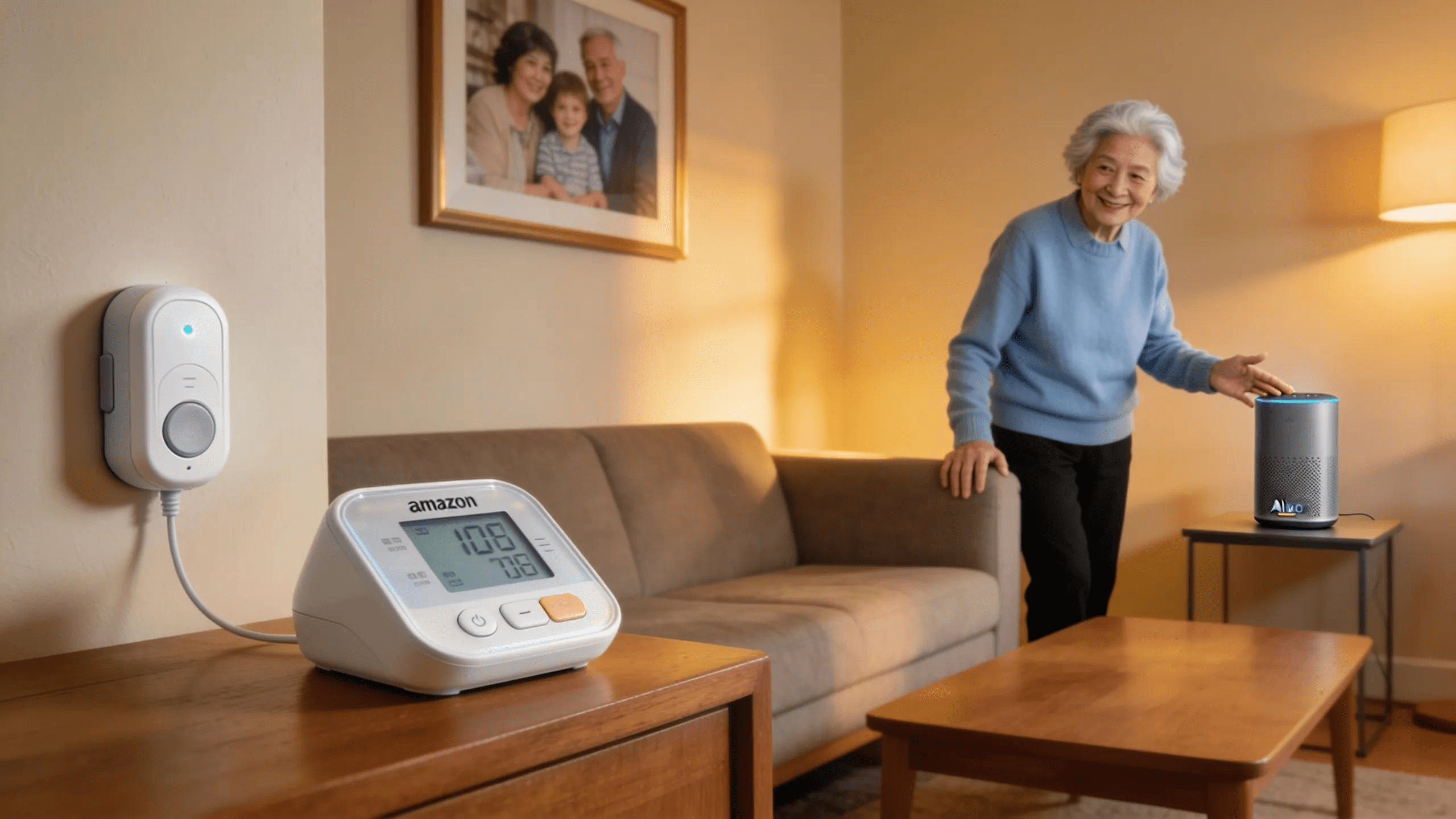
IoT safety devices play a critical role in enhancing the living conditions of seniors, ensuring their safety and promoting independence. These devices include:

  • Fall Detection Systems: These are sophisticated sensors that detect falls in real-time, automatically alerting caregivers or emergency services to provide immediate assistance.
  • Health Monitoring Devices: These devices track vital signs such as heart rate, blood pressure, and activity levels, allowing for proactive health management.
  • Home Security Systems: Integrated security systems can offer peace of mind, with features such as surveillance cameras, motion sensors, and smart locks.

By equipping homes with such technologies, seniors can live with greater confidence, knowing that help is readily available if needed.

How Do Fall Detection Systems Operate to Prevent Senior Injuries?

Fall detection systems utilize a combination of sensors and algorithms to monitor the movements of seniors. These systems analyze motion patterns and can discern when a fall occurs. Upon detecting a fall, the system emits an alert to pre-defined contacts, such as family members or emergency personnel, ensuring that assistance is provided without delay.

Many systems integrate seamlessly with existing smart home technologies, allowing for a comprehensive safety network. Immediate alerts are essential in preventing complications that can result from delayed responses, especially in cases where seniors may be unable to call for help themselves. This integration of technology aids in faster intervention, reducing the risk of severe injuries and complications from falls.

Which Senior Safety Monitoring Devices Support Independent Living?

A variety of monitoring devices assist in keeping seniors safe while promoting independence. Some notable options include:

  1. Wearable Health Devices: These include sensors embedded in smartwatches that monitor heart rate and exercise levels. They can send alerts to caregivers if irregularities are detected.
  2. Environmental Sensors: Devices that monitor home conditions like smoke, CO2 levels, and water leaks offer an extra layer of safety.
  3. Emergency Response Systems: Many solutions allow seniors to summon help with the press of a button, ensuring that they are never truly alone.

These monitoring devices are crucial in creating environments where seniors can feel secure handling their daily tasks independently.

How Does Home Automation Improve Aging in Place Technology in Miami?

Home automation enhances the quality of life for seniors by integrating various smart devices that communicate with each other, creating an efficient and user-friendly environment. Home automation systems can control lighting, temperature, and security features, allowing seniors to manage their homes effortlessly.

For instance, smart lights can be programmed to adjust based on the time of day, reducing the risk of accidents in dark areas. Automated door locks give seniors a sense of security, enabling them to manage access to their homes safely. These features not only provide convenience but also contribute to a more comfortable home environment.

What Are the Benefits of Voice-Activated Assistants for Elderly Users?

Voice-activated assistants, such as Amazon Alexa and Google Assistant, offer significant benefits for elderly users. These assistants enable hands-free control of various smart devices, simplifying interactions for those who may struggle with technology.

Key benefits include:

  • Convenience: Seniors can use voice commands to manage lighting, temperature, and multimedia content without needing physical interaction with devices.
  • Safety: Voice-activated assistants can call for help if a senior feels unsafe or needs immediate assistance.
  • Daily Reminders: These devices can provide medication reminders, helping seniors manage their health routines effectively.

With their user-friendly interfaces, voice-activated assistants significantly empower seniors, allowing them to maintain a degree of independence while receiving necessary support.

How Do Remote Monitoring Solutions Facilitate Caregiver Oversight?
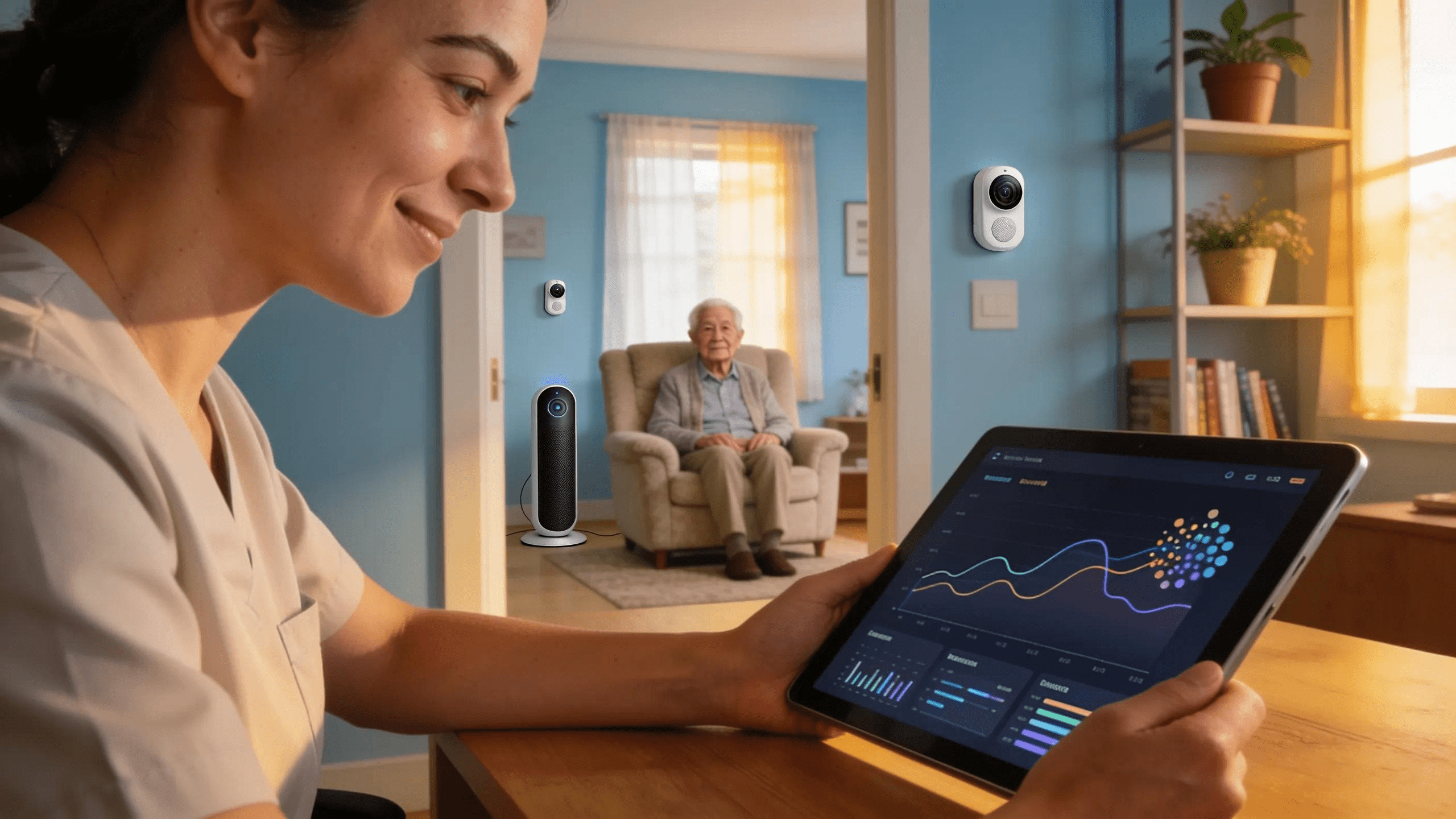
Remote monitoring solutions provide caregivers with valuable tools to oversee the well-being of seniors from afar. These systems often include cameras, health monitoring devices, and motion sensors that deliver real-time data about a senior's activities.

Benefits of remote monitoring solutions include:

  • Activity Tracking: Caregivers can monitor daily activities, ensuring that the senior is maintaining routines, such as regular meals and exercise.
  • Alerts for Anomalies: Sudden changes in activity patterns trigger alerts, allowing caregivers to check in as necessary.
  • Ease of Communication: Many systems offer video calling features, enabling caregivers to maintain direct contact without being physically present.

By leveraging these technologies, caregivers can enhance their oversight while allowing seniors to live as independently as possible.

How Does Ameri-Care Integrate IoT Devices into In-Home Healthcare Services?

Ameri-Care Professional Service Inc effectively integrates IoT devices into their in-home healthcare services, providing enhanced support for seniors. Utilizing various smart technologies, they create tailored solutions for individual health needs, improving both care quality and safety.

Which Clinical Evidence Supports Ameri-Care’s Aging-in-Place Technology Approach?

Clinical studies frequently demonstrate the effectiveness of smart technologies in improving health outcomes for seniors. Research indicates that homes equipped with advanced monitoring and safety systems have lower rates of hospital readmissions.

Ameri-Care’s emphasis on utilizing IoT technology aligns with these findings, ensuring that patients receive interventions that are timely and targeted. The integration of such technology not only promotes health but also provides reassurance to families regarding their loved ones' safety.

How Does the Patient Referral Process Incorporate Smart Home Solutions?

The patient referral process at Ameri-Care seamlessly incorporates smart home solutions into the assessment phase. During the initial evaluation, caregivers gather information about the patient's home environment and needs, determining the most suitable technologies to implement. This proactive approach ensures that seniors are matched with the right devices from the outset, facilitating a smoother transition into in-home healthcare services. The collaboration between healthcare professionals and technology providers enhances the overall quality of care received.

What Are the Cost and Setup Considerations for Aging in Place Technology in Miami?

When considering aging-in-place technology in Miami, families need to evaluate both costs and installation processes. Understanding what is available can facilitate informed decisions about which technologies to invest in.

What Is the Expected Investment for Home Automation and IoT Health Sensors?

Initial investments for home automation and IoT health sensors can vary widely based on device types and installation complexity. Basic systems may start at a few hundred dollars, while comprehensive setups can exceed several thousand.

To maximize value, families should consider:

  • Scalability: Start with essential devices and expand as needs grow.
  • Long-term savings: Investing in quality devices may lead to decreased healthcare costs over time by enhancing safety and reducing risks.

Which Providers Offer Installation and Ongoing Support for Senior Tech in Miami?

In Miami, a variety of providers offer installation and ongoing support for senior technologies. Many specialized companies focus on smart home solutions tailored for aging individuals, ensuring that families receive the necessary assistance.

Some providers also offer training programs for seniors and their families to enhance their understanding of the technologies in their homes, fostering confidence in using smart home systems.

What Are the Privacy and Security Standards for IoT Devices Used by Miami Seniors?

As the use of IoT devices increases, so does the emphasis on privacy and security. It is crucial for devices to comply with established standards to protect user data and maintain trust in these technologies.

How Are Personal Health Data and Alert Systems Secured in Smart Homes?

Personal health data collected by IoT devices must be encrypted and securely stored, ensuring that unauthorized access is prevented. Many devices use advanced encryption protocols and regular security updates to protect user data.

Additionally, alert systems should incorporate fail-safes to ensure that alerts are transmitted securely and promptly to designated contacts, maintaining both functionality and privacy.

Encryption standards commonly employed include AES-128 symmetric encryption for data at rest and WPA3 security for Wi-Fi connected devices. Battery life for sensors typically ranges from six months to several years depending on device duty cycles and communication protocols.

What Compliance Measures Ensure Device Reliability and Trustworthiness?

Compliance measures for IoT devices often include adherence to federal and state regulations, which govern the collection, storage, and use of personal health information. Manufacturers must demonstrate compliance with applicable laws such as HIPAA (Health Insurance Portability and Accountability Act) and FDA regulations to ensure reliability and build consumer trust.

Furthermore, standards such as the National Institute of Standards and Technology (NIST) Cybersecurity Framework are crucial in guiding device security practices. The Federal Trade Commission (FTC) also requires companies to implement adequate cybersecurity protections under its guidelines for IoT device manufacturers. Florida Statute §501.171 mandates immediate notification of data breaches affecting state residents, reinforcing local protections.

Privacy risks specific to voice-activated assistants like Amazon Alexa and Google Nest Hub include always-on microphones, data retention policies, and limitations in HIPAA compliance, which restrict their use in transmitting protected health information unless specifically designed for such environments.

Technical Specifications of IoT Smart Home Devices Supporting Independent Living Technology Miami

Understanding the technical specifications behind IoT senior safety devices is essential for effective deployment and long-term reliability in smart home aging in place initiatives.

Smart Sensors

  • Temperature, Humidity, and Air Quality Sensors: These devices measure ambient conditions, providing data on environmental comfort and health risks related to temperature extremes or poor air quality.
  • Water Leak Sensors: Placed in vulnerable areas, these sensors detect moisture leaks early to prevent flooding and mold.

Motion Detectors

Two main types of motion detection technologies are used:

  • Passive Infrared (PIR): Detects heat signatures from moving bodies, suitable for indoor security and occupancy tracking with ranges typically up to 30 feet.
  • Microwave Sensors: Emit microwave pulses and measure reflections; they provide greater sensitivity and can detect motion through walls but consume more power.

Door/Window Contact Sensors

These sensors identify entry points’ status by detecting the proximity or separation of magnetic contacts, enabling alerts for unauthorized access or safety monitoring.

Smart Locks

Smart locks deployed for senior safety should conform to ANSI/BHMA Grade 1 standards, representing the highest certification for security and durability. These locks often support multiple authentication modes including keypad, biometric, and remote mobile app control.

Voice-Activated Assistants

Popular voice-activated assistants include Amazon Alexa and Google Nest Hub. While these platforms simplify device control, it is important to note their current limitations regarding HIPAA compliance, which affects their use in clinical data transmission.

Environmental Monitoring

  • Carbon Monoxide Detectors: Provide critical alerts for hazardous, odorless gas emissions.
  • Radon Detectors: Measure radon levels to prevent long-term health risks such as lung cancer.

Connectivity Protocols

Several wireless protocols enable IoT device intercommunication:

  • Z-Wave and Zigbee: Low-power mesh networks ideal for reliable smart home device interconnection.
  • Wi-Fi 6: High-bandwidth protocol supporting more devices with improved security.
  • Thread and Matter Standard: Emerging IP-based protocols designed to enhance interoperability and simplify device ecosystems.

Devices typically feature battery lives from six months up to five years, depending on usage and protocol, with effective range varying by technology from 30 to 100 feet indoors.

Clinical Integration and Home Health Care Protocols for Smart Home Aging in Place

Integration of IoT smart home data into home health care workflows enables personalized, timely interventions and enhances patient outcomes.

  • Remote Monitoring Dashboards: Caregivers and clinicians access centralized platforms aggregating sensor data to monitor health metrics and environmental status in real time.
  • Alert Routing: Critical events such as falls or abnormal vital signs automatically trigger notifications routed to home health nurses or emergency contacts, ensuring rapid response.
  • Telehealth Integration: IoT data feeds into telehealth platforms, enabling virtual care providers to assess patient status and adjust care plans without in-person visits.
  • Care Plan Customization: Sensor-generated activity and health metrics enable dynamic adjustments of treatment protocols, such as modifying physical therapy regimens based on mobility data.
  • Coordination with Therapy Goals: Physical and occupational therapists utilize activity tracker data to objectively monitor progress and adherence, optimizing rehabilitation outcomes.

Expanded HIPAA and Regulatory Framework for IoT Senior Safety Devices

Ensuring compliance with regulatory frameworks is fundamental for safe deployment of smart home aging in place technology.

  • FDA Oversight: Medical-grade smart devices fall under FDA regulation, which mandates safety and efficacy documentation prior to market clearance.
  • FTC Guidelines: The Federal Trade Commission enforces security and privacy standards for IoT device manufacturers, safeguarding users against vulnerabilities.
  • NIST Cybersecurity Framework: Provides a comprehensive guideline for securing connected health devices, promoting risk management and incident response strategies.
  • CMS Reimbursement: The Centers for Medicare & Medicaid Services recognize remote patient monitoring technologies in certain reimbursement codes, incentivizing adoption.
  • Florida Data Breach Notification: Under Florida Statute §501.171, organizations must promptly notify affected individuals and agencies of breaches involving personal health data.
  • Privacy Concerns with Voice Assistants: Devices with always-on microphones pose risks related to inadvertent data capture; transparent retention policies and user control mechanisms are critical to mitigate privacy breaches.

Evidence-Based Outcomes and Research on IoT Senior Safety Devices

Peer-reviewed research supports the efficacy of smart home aging in place technologies in improving health outcomes and reducing costs:

  • A study published in JAMDA (Journal of the American Medical Directors Association) demonstrated that smart home monitoring reduced hospital readmissions among frail seniors by 20% through early intervention alerts.
  • Gerontechnology journal articles report enhanced quality of life scores for elderly participants utilizing home automation combined with health sensors.
  • Cost-effectiveness analyses show technology investments reduce emergency department visits and long-term care admissions, offsetting initial expenditures.
  • The AARP Digital Readiness Survey highlights increasing senior acceptance and competency with smart home devices, promoting independent living.

Miami-Dade Specific Context for Smart Home Aging in Place

Miami-Dade presents unique considerations for the deployment of IoT senior safety devices and independent living technology:

  • Hurricane Preparedness and Resilience: Smart homes incorporate backup power systems and cellular failover connectivity to maintain device operation during storms and outages.
  • Local Utility Incentives: Programs like Florida Power & Light’s GridSavers and rebates for smart thermostats reduce adoption costs and promote energy efficiency.
  • Area Agency on Aging Grants: Funding opportunities support acquisition of aging in place technology for vulnerable populations.
  • County Home Modification Services: Miami-Dade offers home accessibility modification initiatives that integrate smart technologies tailored for seniors.
  • Installation and Support Resources: Local providers specialize in smart home technology setups designed to address Miami’s climate and community needs, with experience in senior-friendly solutions.

Comprehensive Citations and References

For detailed guidance and evidence supporting the topics discussed, refer to:

Conclusion: Advancing Independent Living Technology Miami Through Expert Integration

As a specialist at the intersection of physical therapy, home safety, and technology-enabled independence, I, Eduardo Lopez Prado, BS, PTA, CLT, emphasize that smart home aging in place technologies represent a transformative approach to senior care in Miami. Through carefully selected IoT senior safety devices, clinical integration into home health protocols, and rigorous adherence to expanded regulatory frameworks, we can enhance both safety and quality of life.

Coupled with local Miami-Dade resilience strategies and supported by evidence-based research, these technologies empower seniors to live independently with confidence while providing caregivers with effective oversight tools. Families interested in adopting such solutions should seek providers offering tailored installation, ongoing support, and education to maximize benefits.

Embracing the technological advancements available today positions communities to better serve their aging populations, ensuring dignity, safety, and autonomy remain central in the aging experience.