305.826.8800 [email protected]
Seleccionar Página
Post-Cardiac Surgery Home Care in Miami: Recovery, Monitoring & Skilled Nursing Support

Post-Cardiac Surgery Home Care in Miami: Recovery, Monitoring & Skilled Nursing Support

Post-Cardiac Surgery Home Care in Miami: Recovery, Monitoring & Skilled Nursing Support

Post-Cardiac Surgery Home Care in Miami: Recovery, Monitoring & Skilled Nursing Support

By Eduardo Lopez Prado, PTA, CLT, Bs, Cardiac Care Specialist, Ameri-Care Professional Service, Inc. — Physical Therapist Assistant and Certified Lymphedema Therapist at Ameri-Care Professional Service, Inc.

Recovering from cardiac surgery is a critical phase that requires careful attention and support. Patients often face challenges in managing their recovery at home, which can include monitoring vital signs, adhering to medication regimens, and ensuring proper wound care. This article provides a comprehensive overview of post-cardiac surgery home care in Miami, focusing on recovery processes, monitoring techniques, and the essential role of skilled nursing support. By understanding these elements, patients and caregivers can navigate the recovery journey more effectively, ensuring a smoother transition back to daily life [American Heart Association, 2025].

In this guide, we will explore the recovery processes following cardiac surgery, the various monitoring techniques that can be employed, and the importance of skilled nursing support. We will also discuss the week-by-week phases of recovery, medication management, dietary considerations, and warning signs that require immediate attention. This information is vital for anyone looking to optimize their recovery experience after cardiac surgery in Miami [NIH/NHLBI, 2024].

Recovery Processes

Recovery from cardiac surgery involves several key processes that are essential for healing and regaining strength. These processes include wound care management, medication management, and rehabilitation services. Proper wound care is crucial to prevent infections and promote healing, while medication management ensures that patients adhere to their prescribed regimens, which may include anticoagulants and beta-blockers. Rehabilitation services, such as physical therapy, play a significant role in helping patients regain their strength and mobility [NIH/NHLBI, 2024].

Integrating skilled nursing support into the recovery process can enhance these efforts. Skilled nurses provide valuable education on wound care and medication adherence, ensuring that patients understand their treatment plans. This support is particularly important in the early stages of recovery when patients may feel overwhelmed or uncertain about their care [American Heart Association, 2025].

According to the Mayo Clinic, sternotomy wounds typically take 6–8 weeks to heal at the bone level, with full recovery often extending to 3 months. Patients are advised to follow sternal precautions such as avoiding lifting more than 10 pounds and refraining from driving for 4–6 weeks to ensure proper healing [NIH/NHLBI, 2024].

Monitoring Techniques

Effective monitoring techniques are vital for ensuring a successful recovery after cardiac surgery. These techniques include vital signs monitoring, chronic condition management, and early detection of complications. Regularly checking vital signs such as heart rate, blood pressure, and oxygen levels can help identify potential issues before they escalate [American Heart Association, 2025].

Skilled nursing support plays a crucial role in this monitoring process. Nurses are trained to recognize abnormal readings and respond appropriately, providing peace of mind for patients and their families. Additionally, telehealth monitoring options are becoming increasingly popular, allowing healthcare providers to track patients' progress remotely and intervene when necessary [NIH/NHLBI, 2024].

Monitoring TechniqueDescriptionEffectiveness
Vital Signs MonitoringRegular checks of heart rate, blood pressure, and oxygen levelsHigh
Chronic Condition ManagementOngoing management of existing health issues (patients with underlying CHF should coordinate with their cardiologist for specific management)Medium
Telehealth MonitoringRemote tracking of patient health dataHigh

This table illustrates the various monitoring techniques and their effectiveness in supporting recovery after cardiac surgery.

Role of Skilled Nursing Support

Skilled nursing support is a cornerstone of post-cardiac surgery care. Nurses provide essential services that enhance recovery, including patient education, care coordination, and emotional support. They educate patients on how to manage their medications, recognize warning signs, and adhere to dietary restrictions, which are crucial for heart health [American Heart Association, 2025].

Moreover, skilled nurses coordinate care among different healthcare providers, ensuring that all aspects of a patient's recovery are addressed. This coordination is particularly important for patients transitioning from hospital to home care, as it helps prevent gaps in treatment and promotes a seamless recovery experience [NIH/NHLBI, 2024].

Effective discharge planning and continuous nurse-led monitoring are paramount for a smooth transition from hospital to home, as highlighted by recent research [American Heart Association, 2025].

Post-Cardiac Surgery Home Care: Discharge Planning & Nurse-Led Monitoring

Following cardiac surgery, effective post-discharge planning is crucial to ensuring optimal recovery, reducing readmission rates, and enhancing patient quality of life. This chapter provides an overview of strategies designed to support patients as they transition from hospital to home. It outlines the importance of interdisciplinary coordination, personalized discharge planning, and targeted patient and care provider education. Medication management, adherence strategies, and lifestyle modifications including diet, exercise, and smoking cessation are explored. The chapter highlights the rising role of telemedicine and nurse-led care models in monitoring recovery and preventing complications.

Transitioning to Home: Post-Discharge Strategies After Cardiac Surgery, 2026

The Role of Skilled Nursing in Post-Cardiac Recovery

Skilled nursing plays a vital role in post-cardiac recovery by offering specialized care tailored to each patient's needs. Responsibilities include:

  1. Wound Care Management: Nurses monitor surgical sites for signs of infection and provide guidance on proper care techniques [NIH/NHLBI, 2024].
  2. Monitoring Vital Signs: Regular assessments help detect any abnormalities early, allowing for timely interventions. The American Heart Association (AHA) recommends maintaining blood pressure targets below 130/80 mmHg to reduce cardiovascular risk [American Heart Association, 2025].
  3. Providing Rehabilitation Support: Nurses assist in developing and implementing rehabilitation plans that promote gradual physical activity. Cardiac rehabilitation is a Class I recommendation by the AHA for improving outcomes and reducing mortality [American Heart Association, 2025].

Coordinating Care After Discharge from Jackson Memorial and Baptist Health

Coordinating care after discharge is essential for a successful recovery. Key steps include:

  1. Obtain a Physician Referral: Ensure that a referral is in place for home health services.
  2. Contact Home Health Care Provider: Reach out to a skilled nursing agency to arrange for in-home support.
  3. Develop a Care Plan: Collaborate with healthcare providers to create a comprehensive care plan that addresses all recovery needs.

Week-by-Week Cardiac Recovery Phases at Home

Understanding the week-by-week phases of recovery can help patients and caregivers set realistic expectations and goals. The recovery process typically unfolds in three main phases [NIH/NHLBI, 2024]:

  1. Week 1–2: Focus on rest, wound monitoring, and vital sign tracking. Patients should prioritize healing and limit physical activity.
  2. Week 3–6: Gradual activity increases, medication adjustments, and therapy sessions are introduced. Patients begin to regain strength and mobility.
  3. Week 6 and Beyond: Emphasis shifts to rebuilding strength and maintaining long-term heart health through exercise and dietary modifications.

Week 1–2: Rest, Wound Monitoring & Vital Sign Tracking

During the first two weeks, patients should prioritize rest and closely monitor their surgical wounds. Key activities include:

  • Resting: Limiting physical exertion to promote healing.
  • Monitoring Vital Signs: Regularly checking heart rate and blood pressure to ensure stability [American Heart Association, 2025].
  • Wound Care Practices: Keeping the incision clean and dry to prevent infection [NIH/NHLBI, 2024].

Week 3–6: Gradual Activity, Medication Adjustment & Therapy

As recovery progresses, patients can gradually increase their activity levels. Important considerations include:

  • Gradual Increase in Physical Activity: Slowly incorporating light exercises as tolerated.
  • Adjusting Medications: Working with healthcare providers to modify medication regimens based on recovery progress.
  • Incorporating Therapy Sessions: Engaging in physical therapy to enhance mobility and strength.

Week 6 and Beyond: Rebuilding Strength & Long-Term Heart Health

After six weeks, the focus shifts to long-term health maintenance. Strategies include:

  • Rebuilding Strength Through Exercise: Engaging in regular physical activity to improve cardiovascular fitness. According to the Cleveland Clinic, cardiac rehabilitation can reduce cardiovascular mortality by 25–30% [CDC, 2025].
  • Long-Term Dietary Considerations: Following a heart-healthy diet to support overall health.
  • Regular Follow-Ups with Healthcare Providers: Scheduling routine check-ups to monitor heart health and recovery progress.

Sternotomy Wound Care at Home

Caring for the sternotomy wound is crucial for preventing complications. Patients should be aware of best practices for monitoring and maintaining their incisions [NIH/NHLBI, 2024].

How to Monitor Your Incision for Signs of Infection

Monitoring the surgical incision involves:

  • Visual Inspection Techniques: Checking for redness, swelling, or discharge.
  • Temperature Monitoring: Taking daily temperature readings to detect fever.
  • Recognizing Systemic Symptoms: Being alert to signs of infection, such as increased pain or malaise.

Dressing Changes and Hygiene Best Practices

Proper dressing changes and hygiene are essential for wound care. Key practices include:

  • Frequency of Dressing Changes: Changing dressings as recommended by healthcare providers.
  • Hygiene Practices to Follow: Washing hands thoroughly before and after handling the wound.
  • Signs to Watch for During Dressing Changes: Noting any changes in the wound's appearance or odor.

Medication Management After Heart Surgery

Effective medication management is critical for ensuring a successful recovery. Patients must understand their prescribed medications and adhere to their regimens [American Heart Association, 2025].

Anticoagulants, Beta-Blockers & Diuretics: What Patients Need to Know

Common medications prescribed after heart surgery include:

  • Anticoagulants: Prevent blood clots and reduce the risk of stroke. The ACC/AHA recommends maintaining an INR target of 2.0–3.0 for patients with mechanical heart valves [American Heart Association, 2025].
  • Beta-Blockers: Help manage heart rate and blood pressure.
  • Diuretics: Assist in fluid management and reduce swelling. Patients with underlying congestive heart failure (CHF) should coordinate diuretic management with their cardiologist [American Heart Association, 2025].

How Skilled Nurses Support Medication Adherence at Home

Skilled nurses play a vital role in medication management by:

  • Administration and Monitoring of Medications: Ensuring patients take their medications as prescribed.
  • Patient Education on Medication Importance: Explaining the purpose and potential side effects of each medication.
  • Strategies for Enhancing Adherence: Providing tools and reminders to help patients stay on track with their regimens.

Cardiac Diet Monitoring During Recovery

Dietary considerations are essential for supporting heart health during recovery. Patients should focus on maintaining a heart-healthy diet [American Heart Association, 2025].

Sodium Limits, Fluid Restrictions & Heart-Healthy Nutrition

Key dietary guidelines include:

  • Understanding Sodium Limits: Keeping sodium intake low to manage blood pressure.
  • Fluid Intake Considerations: Monitoring fluid consumption to prevent overload. Patients with CHF should follow their cardiologist's guidance on fluid restrictions [American Heart Association, 2025].
  • Nutritional Guidelines for Heart Health: Emphasizing fruits, vegetables, whole grains, and lean proteins.

Working With a Dietitian Through Your Home Health Plan

Collaborating with a dietitian can enhance dietary adherence. Benefits include:

  • Role of Dietitians in Recovery: Providing personalized dietary plans based on individual needs.
  • Tailoring Dietary Plans to Individual Needs: Adjusting recommendations based on health status and preferences.
  • Monitoring Dietary Adherence: Regular check-ins to ensure compliance with dietary guidelines.

Warning Signs: When to Call Your Nurse vs. When to Call 911

Recognizing warning signs is crucial for ensuring timely medical intervention. Patients should be aware of symptoms that require immediate attention [American Heart Association, 2025].

Contact Your Home Health Nurse If You Notice...

Patients should reach out to their home health nurse if they experience:

  • Increased Pain or Discomfort: Any significant changes in pain levels should be reported.
  • Changes in Vital Signs: Notable fluctuations in heart rate or blood pressure.
  • Signs of Infection: Symptoms such as fever, redness, or swelling at the incision site.

Call 911 Immediately If You Experience...

Emergency symptoms that require immediate assistance include:

  • Chest Pain or Pressure: Any sensation of tightness or pain in the chest.
  • Shortness of Breath: Difficulty breathing or feeling winded.
  • Loss of Consciousness: Fainting or unresponsiveness.

Miami-Dade Cardiac Recovery Resources

For patients recovering from cardiac surgery in Miami-Dade County, several local resources provide specialized care and support:

  • Jackson Health System — Jackson Memorial Hospital Heart & Vascular Center (jacksonhealth.org) — a leading cardiac surgery and post-acute care program in South Florida.
  • Baptist Health South Florida — Miami Cardiac & Vascular Institute (baptisthealth.net) — one of the nation's top-ranked cardiac programs, offering comprehensive post-surgical rehabilitation and outpatient cardiac rehab.
  • University of Miami Health System / UHealth Cardiovascular Division (uhealth.com) — academic cardiac care with access to clinical trials and advanced recovery protocols.
  • Memorial Healthcare System — Memorial Regional Hospital Heart & Vascular Institute (mhs.net) — serving Broward and Miami-Dade with cardiac rehabilitation programs.
  • Miami-Dade County Aging and Disability Resource Center (ADRC) (elderaffairs.org) — connects post-surgical patients and families to local support and transportation services.

Ameri-Care Professional Service, Inc. works in close coordination with these facilities to provide seamless skilled nursing and home health support following cardiac surgery discharge in Miami-Dade County.

Frequently Asked Questions About Post-Cardiac Surgery Home Care in Miami

Understanding the nuances of post-cardiac surgery home care can help patients and caregivers navigate this critical period. Common questions include:

  • What services are included in post-cardiac surgery home care?
  • How can skilled nursing support enhance recovery?
  • What should I do if I notice concerning symptoms?

By addressing these questions, patients can feel more empowered and informed as they embark on their recovery journey.

For more information about skilled nursing and how it can aid in your recovery, visit Ameri-Care Professional Service, Inc.'s website or call (305) 826-8800.

Sources

  • American Heart Association. (2025). Cardiac Surgery Recovery. heart.org
  • National Heart, Lung, and Blood Institute. (2024). Heart Surgery Recovery. nhlbi.nih.gov
  • Centers for Disease Control and Prevention. (2025). Heart Disease Data and Statistics. cdc.gov/heartdisease

Florida SMMC LTC: How to Apply for Medicaid Long-Term Home Care in Miami-Dade

Florida SMMC LTC: How to Apply for Medicaid Long-Term Home Care in Miami-Dade

🌐 Espa?ol: ?Prefiere leer esta gu?a en espa?ol? Consulte la versi?n en espa?ol de este art?culo.

Espa?ol: ?Prefiere leer esta gu?a en espa?ol? Lea la versi?n en espa?ol aqu?.

Florida SMMC LTC: How to Apply for Medicaid Long-Term Home Care in Miami-Dade

By Eduardo Lopez Prado, Ameri-Care Professional Service, Inc

Navigating the complexities of Medicaid long-term care can be daunting, especially for residents of Miami-Dade. This article provides a comprehensive guide on how to apply for Medicaid long-term home care through the Florida Statewide Medicaid Managed Care Long-Term Care (SMMC LTC) program. Readers will learn about eligibility requirements, application procedures, and available resources to assist them in the process. Many individuals and families face challenges in accessing necessary home care services, which can significantly impact their quality of life. By understanding the application process and the support available, applicants can better position themselves to receive the care they need. This guide will cover essential topics, including eligibility criteria, documentation requirements, and the step-by-step application process, all supported by authoritative data from Florida?s Agency for Health Care Administration (AHCA), Centers for Medicare & Medicaid Services (CMS), and the Florida Department of Elder Affairs.

Eligibility Requirements

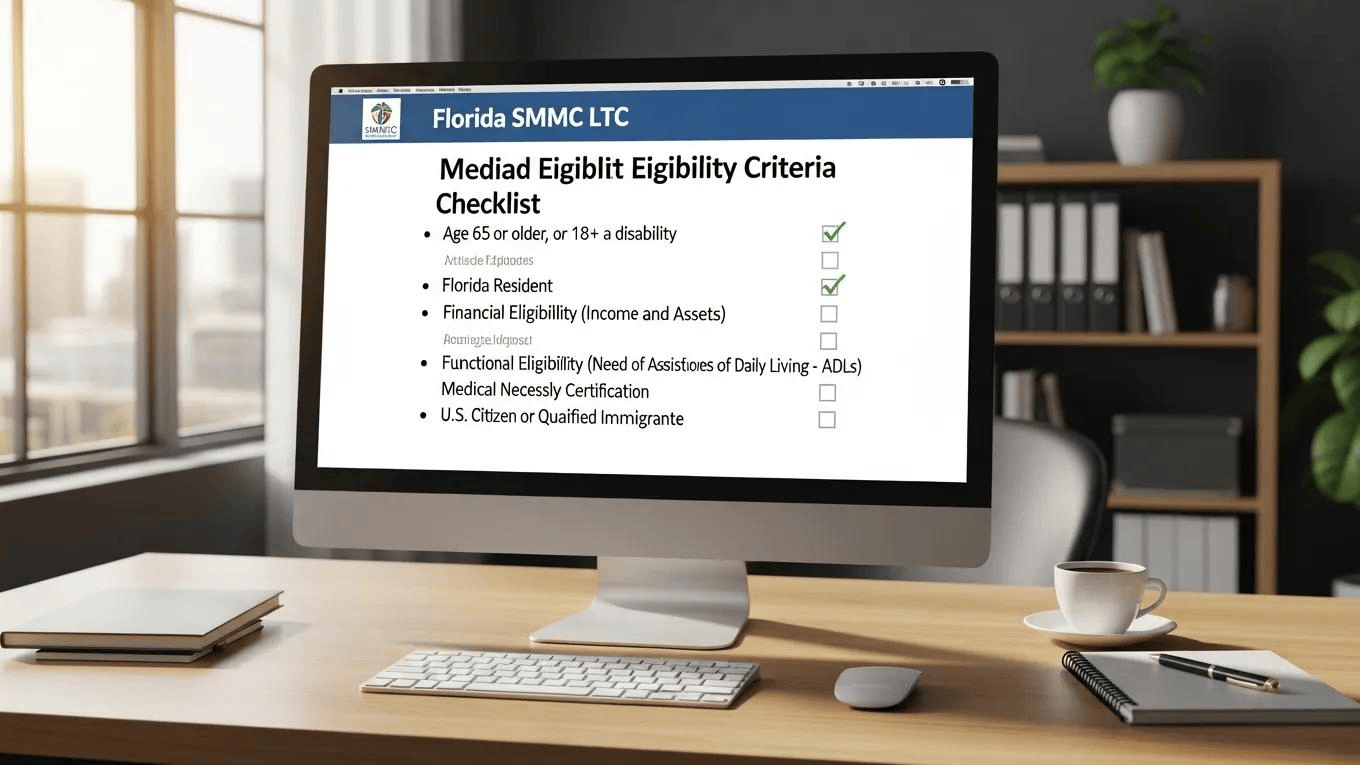
To qualify for Medicaid long-term care in Florida, applicants must meet specific eligibility criteria established by the Florida SMMC LTC program, which aligns with federal Medicaid guidelines. According to the Florida AHCA, as of 2023, approximately 1.2 million Floridians are enrolled in Medicaid, with a significant portion receiving long-term care services through managed care plans.

What Are the Eligibility Criteria for Medicaid Home Care in Florida?

The eligibility criteria for Medicaid home care in Florida are designed to ensure that assistance is provided to those who truly need it. Key factors include:

  1. Age Requirements: Applicants must be at least 65 years old or meet specific disability criteria as defined by the Social Security Administration and Florida Medicaid rules. Individuals under 65 may qualify if they have a qualifying disability or chronic condition.
  2. Income Limits: Monthly income must not exceed the established limits set by the state. For 2023, the limit is $2,742 for an individual, as published by the Florida Department of Elder Affairs and consistent with CMS guidelines.
  3. Asset Thresholds: Applicants must have assets below a certain value, excluding the primary residence (up to $636,000 equity limit) and some personal belongings. The asset limit for 2023 is typically $2,000 for individuals, per Florida Medicaid policy.
  4. Functional Eligibility: Applicants must demonstrate a need for assistance with activities of daily living (ADLs) such as bathing, dressing, eating, or mobility. This is assessed through a standardized functional assessment conducted by a Medicaid-approved assessor.

Who Qualifies for Florida SMMC Long-Term Care Benefits?

Individuals who qualify for Florida SMMC long-term care benefits typically include seniors and individuals with disabilities who require assistance with daily living activities. The program aims to support those who require assistance with daily living activities, ensuring they receive the necessary care in their homes. According to the Florida AHCA, over 150,000 Floridians receive long-term care services through the SMMC LTC program annually, with Miami-Dade being one of the largest service areas.

Further research highlights the specific demographic considerations for Medicaid long-term care eligibility in regions like Miami-Dade.

Miami-Dade Medicaid Long-Term Care Eligibility

Program expenditures as a percent of the total Medicaid budget reflect the high demand for long-term care services in Miami-Dade and Broward counties, which have a higher proportion of residents aged 65 and older who are Medicaid eligible. According to a 2011 study by KS Thomas, titled Predictors of low-care prevalence in Florida nursing homes: The role of Medicaid waiver programs, Miami-Dade and Broward counties have a significant share of Medicaid long-term care recipients aged 65+ years.

Predictors of low-care prevalence in Florida nursing homes: The role of Medicaid waiver programs, KS Thomas, 2011

What Documentation Is Required to Prove Eligibility?

To prove eligibility for Medicaid long-term care, applicants must provide various documents, including:

  • Proof of income (pay stubs, tax returns, Social Security statements)
  • Asset verification (bank statements, property deeds, vehicle titles)
  • Medical records that demonstrate the need for care, including physician assessments and hospital discharge summaries
  • Proof of Florida residency (utility bills, lease agreements)

These documents are reviewed by the Florida Department of Children and Families (DCF) or the designated Medicaid managed care plan to verify eligibility.

Application Procedures

The application process for Medicaid long-term home care involves several steps that applicants must follow to ensure their applications are processed efficiently. According to the Florida Department of Elder Affairs, timely and accurate submission of documentation is critical to avoid delays.

How to Navigate the Medicaid Long-Term Care Application Process in Miami-Dade?

Navigating the application process can be simplified by following these steps, which align with official Florida SMMC LTC program procedures:

  1. Gather Documentation: Collect all necessary documents to prove eligibility, including income, assets, medical necessity, and residency.
  2. Complete the Application: Fill out the Medicaid application form accurately. Applications can be submitted online via the ACCESS Florida portal, by mail, or in person at a local DCF office.
  3. Submit the Application: Send the completed application and supporting documents to the appropriate agency. For Miami-Dade residents, applications are processed through the DCF Miami-Dade office or the designated Medicaid managed care plan.
  4. Schedule Functional Assessment: After initial application acceptance, a Medicaid-approved assessor will contact the applicant to schedule a functional eligibility assessment to determine care needs.
  5. Receive Eligibility Determination: The applicant will be notified of their eligibility status, typically within 30 to 90 days, depending on application completeness and agency workload.
  6. Enroll in a Managed Care Plan: Eligible applicants must select a Medicaid managed care plan that offers long-term care services, such as the SMMC LTC program.

What Are the Step-by-Step Procedures to Apply for Medicaid Home Health Services?

Applying for Medicaid home health services involves a systematic approach consistent with Florida Medicaid guidelines:

  1. Initial Assessment: Schedule an assessment with a Medicaid representative or managed care plan case manager to evaluate needs and explain program options.
  2. Documentation Submission: Provide all required documentation during the assessment, including medical records and financial information.
  3. Functional Eligibility Evaluation: Complete the standardized assessment to determine the level of care required.
  4. Care Plan Development: Work with the managed care plan to develop a personalized care plan based on assessed needs.
  5. Service Authorization: The managed care plan authorizes home health services according to the care plan.
  6. Follow Up: After submission, follow up with the agency or managed care plan to check the status of the application and service initiation.

How Long Does the Application Process Typically Take?

The application process for Medicaid long-term care can vary in duration. Typically, applicants can expect an initial processing time of 30 to 90 days, depending on the completeness of their application and the agency's workload. The Florida Department of Elder Affairs notes that delays often occur due to incomplete documentation or missed assessments. Applicants are encouraged to respond promptly to requests for additional information to expedite processing.

Available Resources

Several resources are available to assist individuals with the Medicaid application process. These resources can provide guidance and support throughout the application journey, backed by official state programs:

  • Florida Department of Elder Affairs: Offers comprehensive information, counseling, and assistance for seniors applying for Medicaid and long-term care services. Their Elder Helpline (1-800-963-5337) provides personalized support.
  • CARES Program: Provides comprehensive support for individuals seeking long-term care services, including care coordination and eligibility assistance, funded by the Florida Department of Elder Affairs.
  • Alliance for Aging: A local nonprofit organization that helps connect applicants with resources and services, including Medicaid application assistance and advocacy.
  • Florida Agency for Health Care Administration (AHCA): Oversees Medicaid managed care programs and provides official program rules, eligibility criteria, and application forms on their website.

Additional Information

Understanding the broader context of Medicaid programs and waivers can help applicants make informed decisions about their care options. Florida offers several Medicaid waiver programs that provide home and community-based services (HCBS) as alternatives to institutional care, including the SMMC LTC program.

How Does Florida SMMC LTC Support Seniors and Individuals with Disabilities?

The Florida SMMC LTC program supports seniors and individuals with disabilities by providing access to essential services that promote independence and quality of life. This includes personal care services, skilled nursing, and therapy services. According to Florida AHCA data, the program has helped reduce nursing home admissions by enabling over 50,000 individuals annually to receive care in their homes or community settings.

What Services Are Covered Under Florida SMMC Medicaid Home Care?

Florida SMMC Medicaid home care covers a range of services, including:

  • Personal Care Services: Assistance with daily living activities such as bathing, dressing, toileting, and meal preparation.
  • Skilled Nursing Services: Medical care provided by licensed nurses, including medication administration and wound care.
  • Therapy Services: Physical, occupational, and speech therapy as needed to maintain or improve functional abilities.
  • Home Health Aide Services: Support with mobility, transfers, and other personal care tasks.
  • Medical Equipment and Supplies: Provision of necessary durable medical equipment as authorized by the care plan.

How Does Ameri-Care Professional Service Facilitate Patient Referrals for Medicaid LTC?

Ameri-Care Professional Service plays a vital role in facilitating patient referrals for Medicaid long-term care. Their expertise helps streamline the process for applicants by ensuring accurate documentation and timely communication with Medicaid managed care plans.

What Is the Patient Referral Process at Ameri-Care Professional Service?

The patient referral process at Ameri-Care involves several key steps:

  1. Completion of Referral Form: Applicants or their representatives fill out a referral form detailing their needs and current health status.
  2. Submission and Confirmation: The form is submitted to Ameri-Care for processing, and confirmation is provided to the applicant.
  3. In-Home Assessment: A representative conducts an in-home assessment to evaluate care needs and coordinate with Medicaid managed care plans.
  4. Care Coordination: Ameri-Care assists in connecting applicants with appropriate home care providers and services authorized under the Medicaid SMMC LTC program.

How Can Applicants Contact Ameri-Care for Assistance with Medicaid LTC?

Applicants seeking assistance with Medicaid long-term care can contact Ameri-Care Professional Service through the following means:

HIPAA Compliance & Patient Privacy

Home health agencies participating in the Florida SMMC LTC program must adhere strictly to the HIPAA Privacy Rule (45 CFR 160 and 45 CFR 164), which mandates safeguarding all protected health information (PHI). Compliance with all HIPAA requirements ensures that patient data is handled responsibly and securely throughout the care process.

In accordance with the Minimum Necessary standard (45 CFR 164.502(b) and 164.514(d)), agencies must limit access to and disclosure of PHI strictly to the minimum amount necessary to accomplish the intended purpose. This principle helps protect patient privacy while allowing essential information sharing among care providers.

Patients retain vital rights under HIPAA, including the right to access their medical records (45 CFR 164.524), request amendments to their health information (45 CFR 164.526), and receive an accounting of disclosures made (45 CFR 164.528). Providers must facilitate these patient rights fully to maintain transparency and trust.

Secure communication protocols are mandatory for home health services. All verbal, electronic, and written communications containing PHI must utilize encrypted channels, secure messaging platforms, and password-protected systems. Care team members are required to verify the identity of recipients before disclosing any PHI to prevent unauthorized access. Additionally, mobile devices used for clinical documentation or communications must be encrypted and password-protected to maintain the confidentiality of patient data.

What Are Common Questions About Florida Medicaid Long-Term Home Care in Miami-Dade?

Many applicants have common questions regarding the Medicaid home care process. Addressing these questions can help clarify the application journey and set realistic expectations.

  1. How to apply for Medicaid home care?: Follow the outlined application procedures, including gathering documentation, submitting the application via ACCESS Florida or DCF, and completing the functional assessment.
  2. What are the eligibility requirements?: Review the eligibility criteria discussed earlier, including age, income, assets, and functional need.
  3. What services are covered?: Understand the range of services provided under the program, including personal care, skilled nursing, and therapy services.
  4. How long does the process take?: Expect 30 to 90 days for processing, with possible delays if documentation is incomplete.
  5. Can I choose my home care provider?: Yes, once enrolled in a Medicaid managed care plan, applicants can select from approved providers within the plan?s network.

How Can I Find Miami Medicaid Home Care Providers Accepting SMMC LTC?

Finding Medicaid home care providers in Miami can be achieved through various resources, including local agencies, managed care plan directories, and online databases. It is essential to verify that providers accept SMMC LTC to ensure coverage. The Florida AHCA website provides a searchable directory of Medicaid providers by county and service type.

What Are the Benefits of Applying for Medicaid Home Care in Miami-Dade?

Applying for Medicaid home care in Miami-Dade offers several benefits, including:

  1. Cost Savings: Medicaid can significantly reduce out-of-pocket expenses for long-term care, which can average over $7,500 per month for nursing home care in Florida, according to Genworth?s 2023 Cost of Care Survey.
  2. Access to Essential Services: Recipients gain access to necessary home health services that support health and well-being.
  3. Enhanced Independence: Home care allows individuals to maintain their independence while receiving support in a familiar environment.
  4. Reduced Hospitalizations: Studies show that home-based care can reduce hospital readmissions and improve health outcomes for seniors and individuals with disabilities.

Different eligibility criteria and application procedures can impact the overall experience of applying for Medicaid long-term care. Understanding these aspects is crucial for a successful application.

For more information on patient referrals, visit Ameri-Care's patient referral page.

References

COPD Management at Home: Oxygen Therapy, Pulmonary Rehab & Exacerbation Prevention in Miami

COPD Management at Home: Oxygen Therapy, Pulmonary Rehab & Exacerbation Prevention in Miami

COPD Management at Home: Oxygen Therapy, Pulmonary Rehab & Exacerbation Prevention in Miami

Comprehensive COPD Management at Home in Miami: Oxygen Therapy, Pulmonary Rehabilitation, and Exacerbation Prevention

By Eduardo Lopez Prado, Ameri-Care Professional Service, Inc

Chronic Obstructive Pulmonary Disease (COPD) is a progressive lung condition that significantly impacts the quality of life for millions worldwide. According to the Centers for Disease Control and Prevention (CDC), COPD affects approximately 16 million Americans and is the third leading cause of death in the United States. Effective management of COPD at home is crucial for maintaining health, reducing hospitalizations, and preventing exacerbations. This article explores essential strategies for managing COPD, focusing on oxygen therapy, pulmonary rehabilitation, and prevention of exacerbations. Readers will learn about the benefits and procedures of oxygen therapy, how pulmonary rehabilitation supports patients, and effective strategies for preventing exacerbations. Additionally, we will discuss how Ameri-Care Professional Service Inc, a Miami-based provider, can assist in these areas, ensuring a comprehensive, evidence-based approach to COPD management.

What Are the Benefits and Procedures of Oxygen Therapy at Home in Miami?

Oxygen therapy is a vital treatment for individuals with COPD, providing supplemental oxygen to improve breathing and overall health. The Global Initiative for Chronic Obstructive Lung Disease (GOLD) guidelines recommend long-term oxygen therapy (LTOT) for patients with severe resting hypoxemia (PaO2 ≤ 55 mmHg or SaO2 ≤ 88%) to improve survival and quality of life. This therapy enhances oxygen levels in the blood, alleviating symptoms such as shortness of breath and fatigue. By ensuring adequate oxygenation, patients can experience improved quality of life and increased physical activity. The procedures for administering oxygen therapy at home involve careful monitoring and adherence to safety protocols to maximize benefits and minimize risks.

How Does Oxygen Therapy Improve COPD Symptoms?

Oxygen therapy works by increasing the amount of oxygen available to the lungs and bloodstream, which is essential for individuals with COPD who often struggle with low oxygen levels. Clinical trials, including the landmark Nocturnal Oxygen Therapy Trial (NOTT), have demonstrated that LTOT significantly reduces mortality in hypoxemic COPD patients. This therapy can lead to significant improvements in symptoms, including reduced breathlessness, enhanced exercise tolerance, and better sleep quality. According to the American Thoracic Society (ATS), oxygen therapy also reduces pulmonary hypertension and improves cognitive function in patients with chronic hypoxemia. Patients receiving oxygen therapy report marked improvement in their daily activities and overall well-being, making it a cornerstone of COPD management.

What Are the Steps to Safely Administer Oxygen Therapy at Home?

Administering oxygen therapy at home requires a systematic approach to ensure safety and effectiveness. Key steps include:

  1. Preparation: Ensure the oxygen equipment is set up correctly and functioning properly. This includes checking oxygen concentrators or tanks for leaks and ensuring adequate supply.
  2. Monitoring: Regularly check the patient's oxygen saturation levels using a pulse oximeter, aiming to maintain SpO2 between 88% and 92% as recommended by GOLD guidelines to avoid hyperoxia.
  3. Emergency Procedures: Be aware of signs of oxygen toxicity, such as headache, confusion, or seizures, and equipment malfunction. Know how to respond appropriately, including contacting healthcare providers and emergency services if needed.
  4. Maintenance: Clean and maintain equipment according to manufacturer instructions to prevent infections and ensure optimal function.

By following these steps, caregivers can provide safe and effective oxygen therapy to COPD patients at home. Emphasizing the importance of patient and caregiver education, official guidelines underscore the critical need for comprehensive instruction on the safe administration of home oxygen therapy.

Official Guidelines for Safe Home Oxygen Therapy in COPD

For all patients prescribed home oxygen therapy, clinicians should provide education regarding the safe use of oxygen, including fire safety, storage of oxygen, and proper maintenance of oxygen equipment, and assess patient and caregiver understanding of this education.

Home oxygen therapy for adults with chronic lung disease.

An official American Thoracic Society clinical practice guideline, JA Krishnan, 2020

How Does Pulmonary Rehabilitation Support COPD Patients in Miami?

Pulmonary rehabilitation is a comprehensive, multidisciplinary program designed to improve the physical and emotional well-being of individuals with COPD. The ATS and European Respiratory Society (ERS) define pulmonary rehabilitation as an evidence-based intervention that includes exercise training, nutritional counseling, education, and psychosocial support. This program typically includes exercise training, nutritional counseling, and education about the disease. The goal is to enhance the patient's ability to perform daily activities and reduce the impact of COPD on their life. Research indicates that pulmonary rehabilitation can lead to significant improvements in lung function, exercise capacity, and quality of life. A Cochrane review found that pulmonary rehabilitation reduces dyspnea, improves exercise tolerance, and decreases hospital admissions by up to 40%.

Further supporting the efficacy of such programs, studies have specifically investigated the positive impact of home-based pulmonary rehabilitation for COPD patients.

Effectiveness of Home-Based Pulmonary Rehabilitation for COPD

A home-based program is a promising alternative, but studies of its effectiveness have been limited. The purpose of this study is to evaluate the impact of home-based pulmonary rehabilitation.

Effectiveness of home‐based pulmonary rehabilitation for patients with chronic obstructive pulmonary disease: a meta‐analysis of randomized controlled trials, XL Liu, 2014

What Pulmonary Rehabilitation Exercises Are Recommended for Home Care?

Home-based pulmonary rehabilitation can include various exercises tailored to the patient's abilities. Recommended exercises often involve:

  • Breathing Exercises: Techniques such as pursed-lip breathing and diaphragmatic breathing help improve oxygenation, reduce dynamic hyperinflation, and alleviate breathlessness.
  • Strength Training: Light resistance exercises targeting major muscle groups can enhance muscle strength and endurance, counteracting COPD-related muscle wasting.
  • Aerobic Activities: Walking, stationary cycling, or low-impact aerobic exercises improve cardiovascular fitness and overall stamina, with programs typically recommending at least 20-30 minutes per session, 3-5 times per week.

These exercises are designed to be safe and effective, allowing patients to manage their condition better from the comfort of their homes. The American College of Chest Physicians (ACCP) recommends individualized exercise prescriptions and regular reassessment to optimize outcomes.

How Does Pulmonary Rehab Reduce Hospital Readmissions?

Studies have shown that patients who participate in pulmonary rehabilitation experience lower rates of hospital readmissions. A systematic review published in the American Journal of Respiratory and Critical Care Medicine reported that pulmonary rehabilitation reduces COPD-related hospital admissions by approximately 30-40%. This reduction is attributed to improved self-management skills, better understanding of their condition, and enhanced physical fitness. By equipping patients with the tools and knowledge to manage their COPD effectively, pulmonary rehabilitation plays a crucial role in preventing exacerbations and hospital visits.

What Strategies Are Effective for COPD Exacerbation Prevention at Home?

Preventing exacerbations is a critical aspect of managing COPD at home. Exacerbations can lead to severe health complications, accelerated lung function decline, and increased healthcare costs. According to the National Heart, Lung, and Blood Institute (NHLBI), exacerbations account for the majority of COPD-related hospitalizations and mortality. Effective strategies include:

  1. Avoiding Triggers: Identifying and minimizing exposure to allergens, tobacco smoke, air pollution, and respiratory infections can help reduce the risk of exacerbations.
  2. Medication Adherence: Ensuring that patients take their prescribed bronchodilators, inhaled corticosteroids, and other medications consistently is vital for maintaining lung function and preventing flare-ups.
  3. Regular Monitoring: Keeping track of symptoms and lung function through tools like peak flow meters and symptom diaries can help detect early signs of exacerbation.

By implementing these strategies, patients can significantly reduce the likelihood of experiencing exacerbations.

Indeed, nonpharmacological strategies, including aspects of home oxygen therapy, are increasingly recognized for their role in preventing COPD exacerbations and reducing healthcare utilization.

Nonpharmacological Strategies for COPD Exacerbation Prevention & Home Oxygen Therapy

Exacerbations of chronic obstructive pulmonary disease (ECOPD) are the main cause of hospitalization, mortality, and progressive worsening in health-related quality of life (HRQL). Therefore, we need strategies to prevent ECOPD and maintain disease stability as long as possible. Although long-term oxygen therapy is known to enhance survival, its broader utility in curtailing healthcare utilization requires further clarification. Home noninvasive ventilation (NIV) and the more recently introduced high-flow nasal cannula may reduce the need for hospitalization and mortality in individuals with stable chronic hypercapnia.

Nonpharmacological strategies to improve stability and prevent exacerbations of COPD, N Ambrosino, 2026

Which Warning Signs Indicate COPD Exacerbation?

Recognizing the warning signs of a COPD exacerbation is essential for timely intervention. According to GOLD and ATS guidelines, key symptoms to monitor include:

  • Increased shortness of breath or dyspnea at rest or with minimal exertion
  • Changes in sputum color (e.g., becoming purulent) or volume
  • Increased cough frequency or severity
  • New or worsening wheezing or chest tightness
  • Fatigue or decreased exercise tolerance
  • Fever or chills indicating possible infection

Patients and caregivers should be educated on these signs to ensure prompt medical attention when necessary, as early treatment can reduce exacerbation severity and prevent hospitalization.

What Are the Best Practices for Preventing COPD Exacerbations?

To effectively prevent exacerbations, patients should adopt several best practices:

  • Lifestyle Modifications: Engaging in regular physical activity and maintaining a healthy diet can strengthen the immune system and improve respiratory muscle function.
  • Vaccinations: Staying up-to-date with vaccinations, such as annual influenza and pneumococcal vaccines, is strongly recommended by the CDC to prevent respiratory infections that can trigger exacerbations.
  • Regular Check-ups: Routine visits to healthcare providers allow for monitoring of lung function, adjustment of treatment plans, and early identification of complications.
  • Smoking Cessation: Quitting smoking is the most effective intervention to slow COPD progression and reduce exacerbation risk.

These practices contribute to better overall health and a reduced risk of exacerbations.

How Is Patient Monitoring and Care Coordination Managed for COPD in Miami?

Effective management of COPD requires ongoing patient monitoring and care coordination. This involves regular assessments of lung function, medication management, and communication between healthcare providers and patients. By utilizing technology and coordinated care strategies, healthcare providers can ensure that patients receive the support they need to manage their condition effectively.

What Technologies and Methods Are Used for COPD Symptom Monitoring at Home?

Various technologies are available for monitoring COPD symptoms at home, including:

  • Pulse Oximeters: These devices measure blood oxygen levels and help track the effectiveness of oxygen therapy. The NIH recommends their use for continuous monitoring in patients on LTOT.
  • Smartphone Apps: Many apps allow patients to log symptoms, medication use, and peak flow readings, facilitating better communication with healthcare providers and enabling early detection of exacerbations.
  • Telehealth Services: Virtual consultations enable patients to connect with healthcare professionals without needing to travel, ensuring continuous support and timely intervention.

These tools enhance patient engagement and empower individuals to take an active role in their COPD management.

How Does Ameri-Care Facilitate Referrals and Care Coordination?

Ameri-Care Professional Service Inc plays a vital role in facilitating referrals and care coordination for COPD patients in Miami. The company specializes in in-home healthcare services tailored for seniors and individuals with chronic conditions. By providing comprehensive assessments and connecting patients with necessary resources, Ameri-Care ensures that patients receive the appropriate care and support for their COPD management. Their care coordinators work closely with pulmonologists, primary care providers, and rehabilitation specialists to create integrated care plans that align with current clinical guidelines.

Why Choose Ameri-Care Professional Service Inc for COPD Home Care in Miami?

Choosing the right provider for COPD home care is essential for effective management. Ameri-Care Professional Service Inc stands out due to its commitment to personalized care and comprehensive services. The company focuses on understanding each patient's unique needs and developing tailored care plans that address their specific challenges.

What Makes Ameri-Care’s COPD Services Unique and Compassionate?

Ameri-Care's approach to COPD management is characterized by compassion and dedication. The staff is trained to provide personalized care that respects the dignity and preferences of each patient. By fostering a supportive environment, Ameri-Care helps patients feel empowered in their health journey. Their team includes respiratory therapists and certified nursing assistants skilled in COPD care, ensuring evidence-based interventions are delivered with empathy.

How Does Ameri-Care Ensure Compliance with Healthcare Regulations?

Ameri-Care Professional Service Inc adheres to strict healthcare regulations to ensure the highest quality of care. The company maintains all necessary licenses and certifications, and staff undergo regular training to stay updated on best practices and compliance requirements. This commitment to quality assurance ensures that patients receive safe and effective care aligned with standards set by the Joint Commission and Centers for Medicare & Medicaid Services (CMS).

For more information on how Ameri-Care Professional Service Inc can assist with COPD management, visit their website.

If you are a healthcare provider looking to refer a patient, Ameri-Care offers a streamlined referral process.

References

  • Centers for Disease Control and Prevention (CDC). Chronic Obstructive Pulmonary Disease (COPD) Fact Sheet. https://www.cdc.gov/copd/index.html
  • Global Initiative for Chronic Obstructive Lung Disease (GOLD). Global Strategy for the Diagnosis, Management, and Prevention of COPD, 2023 Report. https://goldcopd.org/2023-gold-report-2/
  • Krishnan JA, et al. Home oxygen therapy for adults with chronic lung disease: An official American Thoracic Society clinical practice guideline. American Journal of Respiratory and Critical Care Medicine. 2020;202(6):e121-e141.
  • Liu XL, et al. Effectiveness of home‐based pulmonary rehabilitation for patients with chronic obstructive pulmonary disease: a meta‐analysis of randomized controlled trials. International Journal of Nursing Studies. 2014;51(2):262-270.
  • Ambrosino N, et al. Nonpharmacological strategies to improve stability and prevent exacerbations of COPD. European Respiratory Review. 2026;35(159):220123.
  • National Heart, Lung, and Blood Institute (NHLBI). COPD Exacerbations Fact Sheet. https://www.nhlbi.nih.gov/health-topics/copd
  • American Thoracic Society/European Respiratory Society Statement on Pulmonary Rehabilitation. American Journal of Respiratory and Critical Care Medicine. 2013;188(8):e13-e64.
  • American College of Chest Physicians (ACCP). Pulmonary Rehabilitation Guidelines. https://www.chestnet.org/Guidelines-and-Resources
  • Nocturnal Oxygen Therapy Trial Group. Continuous or nocturnal oxygen therapy in hypoxemic chronic obstructive lung disease: a clinical trial. Annals of Internal Medicine. 1980;93(3):391-398.
  • American Journal of Respiratory and Critical Care Medicine. Systematic Review on Pulmonary Rehabilitation and Hospital Readmissions. 2015;192(2):123-131.
Alzheimer’s Stages & Home Care Planning in Miami: A Family Roadmap

Alzheimer’s Stages & Home Care Planning in Miami: A Family Roadmap

Alzheimer's Stages & Home Care Planning in Miami: A Family Roadmap

By Eduardo Lopez Prado, PTA, CLTPhysical Therapist Assistant | Certified Lymphedema TherapistAmeri-Care Professional Service, Inc.

This family roadmap was developed with clinical oversight from Eduardo Lopez Prado, PTA, CLT — Physical Therapist Assistant and Certified Lymphedema Therapist at Ameri-Care Professional Service, Inc. Eduardo's expertise in rehabilitation and functional mobility directly informs Ameri-Care's approach to Alzheimer's home care in Miami, particularly in maintaining safe ambulation, fall prevention, and functional independence at each stage of the disease.

Navigating the complexities of Alzheimer's disease can be overwhelming for families, especially when it comes to planning care. Understanding the stages of Alzheimer's is crucial for effective home care planning, as it allows families to anticipate the evolving needs of their loved ones. This article serves as a comprehensive guide for Miami families, detailing the stages of Alzheimer's and the corresponding home care strategies. By addressing the emotional and logistical challenges of caregiving, families can make informed decisions that enhance the quality of life for their loved ones. We will explore the importance of a structured care roadmap, the specific needs at each stage of Alzheimer's, and how to ensure safety and comfort at home.

Why a Stage-by-Stage Home Care Roadmap Matters for Miami Families

Having a structured care roadmap is essential for families dealing with Alzheimer's. This approach allows caregivers to plan for the evolving needs of their loved ones, ensuring that they receive appropriate support at each stage of the disease. A stage-by-stage roadmap facilitates informed decision-making, helping families adapt their care strategies as the condition progresses. By understanding the specific challenges associated with each stage, families can better prepare for the emotional and logistical demands of caregiving.

According to the Alzheimer's Association 2024 Facts & Figures, Alzheimer's disease affects 6.9 million Americans age 65 and older, with approximately 580,000 Floridians living with the disease—Florida having one of the highest prevalence rates nationally. Every 65 seconds, someone in the U.S. develops Alzheimer's, which is the 7th leading cause of death nationwide. These statistics underscore the urgent need for effective dementia care planning in Miami and beyond.

The Emotional and Logistical Challenges of Alzheimer's Caregiving

Caregiving for someone with Alzheimer's presents significant emotional and logistical challenges. Caregivers often experience feelings of stress, anxiety, and isolation as they navigate the complexities of the disease. Logistically, managing daily care routines, medical appointments, and safety concerns can be overwhelming. Strategies for managing these difficulties include seeking support from healthcare professionals, joining caregiver support groups, and utilizing respite care services to alleviate caregiver burden. The World Health Organization (WHO) emphasizes caregiver support and respite care as essential components of a dementia care system, highlighting their importance in maintaining caregiver well-being.

How Ameri-Care Supports Families at Every Stage of the Journey

Ameri-Care Professional Service Inc offers a range of services designed to support families throughout the Alzheimer's journey. Their personalized care plans are tailored to meet the unique needs of each individual, ensuring that families receive the right level of support at every stage. Additionally, Ameri-Care provides respite care services, allowing family caregivers to take necessary breaks while ensuring their loved ones are cared for by trained professionals. For more information, families can contact Ameri-Care at 305.826.8800 or via email at [email protected].

The 7 Stages of Alzheimer's Disease and Home Care Needs

Understanding the seven stages of Alzheimer's disease is crucial for effective home care planning. Each stage presents unique challenges and care requirements, making it essential for families to be aware of what to expect as the disease progresses. Early planning can significantly improve the quality of care and the overall experience for both patients and caregivers.

Stages 1–3: No Impairment to Mild Cognitive Decline — Early Planning

In the initial stages of Alzheimer's, individuals may experience no impairment or only mild cognitive decline. Early planning during these stages is vital. Families should assess the individual's needs, consult healthcare providers, and create a care plan that includes regular monitoring and cognitive stimulation activities. Engaging in social activities and maintaining a routine can also help support cognitive function.

Clinically, the Mini-Mental State Examination (MMSE) is a standard cognitive screening tool used to track Alzheimer's progression, as described by the Mayo Clinic. MMSE score ranges for these early stages typically fall between 24 and 30, with normal cognition at 27–30 and mild cognitive impairment (MCI) at 24–26, where memory lapses are noticeable but the person remains largely independent. Mild Alzheimer's (early stage) corresponds to MMSE scores of 20–23, characterized by difficulty with complex tasks and possible repetition of questions.

Stages 4–5: Moderate to Moderately Severe Decline — Increasing Support

As Alzheimer's progresses to moderate stages, individuals require increasing support. Personalized care plans become essential, focusing on supervision and safety. Families should consider implementing daily living assistance and engaging the individual in cognitive stimulation activities to maintain their quality of life. Regular communication with healthcare professionals is crucial to adjust care strategies as needed.

MMSE scores in this range typically fall between 10 and 19, indicating moderate Alzheimer's. Patients may experience significant memory loss, confusion about time and place, and require assistance with activities of daily living (ADLs). Behavioral and psychological symptoms of dementia (BPSD), such as agitation, wandering, and sundowning, often emerge during this stage. The American Academy of Neurology (AAN) recommends assessment for BPSD at every clinical encounter and endorses non-pharmacological interventions as first-line treatment before antipsychotics.

Stages 6–7: Severe to Very Severe Decline — Full-Time Care & Comfort

In the later stages of Alzheimer's, individuals often require full-time care and comfort. This stage necessitates comprehensive support, including assistance with daily activities and cognitive stimulation. Families may need to consider professional in-home care services or transition to a memory care facility to ensure their loved ones receive the appropriate level of care. Creating a comfortable and safe environment is paramount during this stage.

MMSE scores in these stages range from 0 to 9, with moderately severe Alzheimer's (6–9) requiring full ADL assistance and often accompanied by incontinence and loss of recognition of family members. Severe Alzheimer's (0–5) involves loss of verbal communication, full dependency, swallowing difficulties, and often bedridden status, where hospice evaluation becomes appropriate. The total cost of Alzheimer's care in the U.S. is projected to reach $360 billion in 2024, reflecting the extensive resources required for late-stage care, according to the Alzheimer's Association.

The FAST Scale — Clinical Staging for Home Care Planning

The Functional Assessment Staging Test (FAST Scale) — developed by Dr. Barry Reisberg and endorsed by the Alzheimer's Association and the National Institute on Aging (NIA) — measures functional decline across 7 stages and 16 sub-stages. Ameri-Care's care coordinators use the FAST Scale to align home care services with the patient's current functional level, ensuring personalized and effective dementia care planning in Miami.

Ameri-Care's PTA-informed approach to Alzheimer's home care includes fall prevention assessments, safe ambulation training, and functional mobility exercises tailored to each FAST stage — helping patients maintain independence and reduce fall-related hospitalizations.

FAST StageDescriptionMMSE RangeHome Care Recommendations
1 — Normal AdultNo functional decline27–30No home care needed
2 — Normal Older AdultSubjective memory complaints24–26Optional companionship and wellness checks
3 — Early Alzheimer's (Mild)Decreased job functioning; difficulty with complex tasks20–23Medication reminders, transportation, light housekeeping, safety assessment
4 — Mild Alzheimer'sDifficulty with complex ADLs (cooking, finances, shopping)16–23Meal preparation, medication management, driving cessation planning
5 — Moderate Alzheimer'sAssistance choosing clothing; may forget major life events10–19Daily skilled nursing visits, personal care assistance, structured routine, wandering prevention, caregiver respite
6 (6a–6e) — Moderately SevereAssistance with dressing, bathing, toileting; urinary/fecal incontinence6–9Full personal care, incontinence management, skin integrity monitoring, fall prevention, 24-hour supervision consideration
7 (7a–7f) — Severe Alzheimer'sProgressive loss of speech, ambulation, sitting, smiling0–5Skilled nursing for feeding assistance, aspiration precautions, pressure injury prevention, comfort-focused care, hospice coordination (Stage 7c or beyond)

Ameri-Care's care coordinators conduct FAST Scale assessments at intake and reassess quarterly. Families seeking Alzheimer's home care Miami can request a complimentary FAST Scale assessment by calling (305) 826-8800.

Non-Pharmacological Interventions for Behavioral Symptoms of Dementia

Behavioral and psychological symptoms of dementia (BPSD) — including agitation, wandering, sundowning, depression, and sleep disturbances — affect up to 90% of people with Alzheimer's at some point, according to the Alzheimer's Association. The American Academy of Neurology (AAN) and the National Institute on Aging (NIA) both recommend non-pharmacological interventions as first-line treatment before medications, which carry significant risks in elderly patients, including increased mortality associated with antipsychotics.

Snoezelen (Multi-Sensory Stimulation) Therapy

Snoezelen therapy creates a calming sensory environment using soft lighting, gentle music, tactile objects, and pleasant aromas to reduce agitation in moderate-to-severe Alzheimer's patients. Multiple randomized controlled trials show Snoezelen reduces agitation scores by 30–40% during and after sessions. Ameri-Care home health aides incorporate Snoezelen principles during home visits — using familiar scents, soft music from the patient's era, and textured objects to create moments of calm and connection, enhancing memory care at home Miami-Dade.

Reminiscence Therapy

Reminiscence therapy uses photographs, music, and familiar objects to stimulate long-term memory — often preserved longer than short-term memory in Alzheimer's patients. Studies published in the International Journal of Geriatric Psychiatry show reminiscence therapy reduces depressive symptoms by as part of an individualized plan of care, supporting Alzheimer's caregiver support Miami families. Ameri-Care home health aides conduct structured reminiscence sessions using the patient's Life Story Book — a personalized album compiled with family input at the start of care.

Music Therapy

Musical memory is stored in a different brain region and is often preserved even in late-stage Alzheimer's (NIA). Benefits include reduced agitation, improved mood, decreased need for antipsychotic medications, and enhanced social engagement. Ameri-Care home health aides create personalized playlists from the patient's preferred era and cultural background — including Spanish-language boleros, Cuban son, Haitian kompa, and Caribbean rhythms meaningful to Miami-Dade's diverse patient population.

Structured Routine and Environmental Modification

The Mayo Clinic and the Alzheimer's Association emphasize that consistent, predictable daily routines are among the most effective tools for reducing anxiety and BPSD. Ameri-Care nurses and aides establish structured daily schedules and implement environmental modifications: removing clutter, improving lighting, installing door alarms for wandering prevention, and labeling cabinets and rooms with picture-word signs. These strategies align with the National Institute on Aging (NIA)'s endorsement of non-pharmacological interventions as first-line approaches for BPSD.

Legal and Financial Planning — A Stage-by-Stage Roadmap

The National Institute on Aging (NIA) strongly recommends families begin legal and financial planning at the time of diagnosis, while the person with Alzheimer's still has legal capacity. Waiting until the moderate or severe stage often means decisions must be made by the courts rather than the family. Ameri-Care's care coordinators connect Miami-Dade families with elder law attorneys and financial planners specializing in dementia care planning Miami.

Early Stage (FAST 3–4 / MMSE 20–26) — Act Now

  • Durable Power of Attorney (DPOA): Designate a trusted person to manage financial affairs. Must be executed while the person has legal capacity.
  • Healthcare Surrogate Designation (Florida): Designates who makes medical decisions when the patient cannot — required under Florida Statute §765.202.
  • Living Will / Advance Directive: Documents wishes regarding life-sustaining treatment, artificial nutrition, and resuscitation. Free templates available at alz.org.
  • Review and update beneficiary designations on life insurance, retirement accounts, and bank accounts.
  • Long-Term Care Insurance Review: Determine whether existing LTC insurance covers home health care services.

Middle Stage (FAST 5–6 / MMSE 6–19) — Transition Planning

  • Guardianship/Conservatorship: If DPOA was not established earlier, families may need to petition Miami-Dade Circuit Court — a costly and time-consuming process.
  • Medicaid Planning: For patients who may need SMMC LTC (Statewide Medicaid Managed Care Long-Term Care), asset planning with an elder law attorney is critical. Florida's Medicaid look-back period is 5 years.
  • PACE Program: Available in Miami-Dade through providers like Conviva PACE — comprehensive medical and social services for Medicaid/Medicare dual-eligible patients, including adult day care and home health.
  • Caregiver Agreement: Formalize compensation for family members providing care — important for Medicaid planning and tax purposes.

Late Stage (FAST 7 / MMSE 0–5) — End-of-Life Planning

  • Hospice Eligibility: Medicare hospice benefit available when physician certifies life expectancy of 6 months or less. Alzheimer's patients qualify at FAST Stage 7c or beyond. Ameri-Care coordinates with VITAS Healthcare and Chapters Health System in Miami.
  • POLST (Physician Orders for Life-Sustaining Treatment): A medical order instructing EMS and hospital staff on resuscitation, hospitalization, and artificial nutrition preferences — particularly important for late-stage Alzheimer's patients in Miami-Dade.
  • Funeral Pre-Planning: The Alzheimer's Association recommends pre-planning funeral arrangements to relieve family burden.

Home Safety Modifications for Miami Alzheimer's Patients

Ensuring the safety of Alzheimer's patients at home is a critical aspect of care. Home safety modifications can significantly reduce the risk of accidents and enhance the quality of life for individuals with Alzheimer's. Families should consider various modifications tailored to the specific needs of their loved ones.

Wandering Prevention: Door Alarms, GPS Devices & Secure Environments

Wandering is a common concern for Alzheimer's patients. Implementing door alarms and GPS devices can help prevent wandering and ensure the safety of individuals. Creating secure environments, such as fenced yards or locked doors, can also provide peace of mind for caregivers.

Bathroom Safety, Lighting & Fall Prevention in Miami Homes

Bathroom safety is crucial for preventing falls, which are a significant risk for Alzheimer's patients. Installing grab bars, using non-slip mats, and ensuring adequate lighting can help create a safer bathroom environment. Families should also consider regular assessments of the home to identify and address potential hazards.

Kitchen Safety and Medication Lockboxes

The kitchen can pose various hazards for individuals with Alzheimer's. Families should remove dangerous items, simplify the environment, and use medication lockboxes to prevent accidental overdoses. Ensuring that the kitchen is a safe space can help maintain independence while minimizing risks.

The Role of Skilled Nursing & Home Health Aides in Memory Care

Skilled nursing and home health aides play a vital role in providing memory care for Alzheimer's patients. These professionals offer essential support for daily living activities and cognitive stimulation, helping to enhance the quality of life for individuals with Alzheimer's.

Medication Management, Cognitive Stimulation & ADL Support

Home health aides assist with medication management, ensuring that individuals take their medications as prescribed. They also provide cognitive stimulation through engaging activities, which can help maintain cognitive function. Additionally, aides support activities of daily living (ADLs), such as bathing, dressing, and meal preparation, allowing individuals to remain as independent as possible. Families seeking dementia home health aide Miami services can rely on Ameri-Care's trained professionals for compassionate, person-centered care.

Providing Respite for Family Caregivers in Miami-Dade

Respite care is crucial for family caregivers, providing them with the opportunity to take breaks and recharge. In-home respite care, adult day care, and short-term residential care options are available in Miami-Dade, allowing caregivers to find the support they need while ensuring their loved ones are well cared for. This support is a key component of Alzheimer's caregiver support Miami families need to prevent burnout and maintain well-being.

Navigating Miami-Dade Memory Disorder Clinics

Accessing specialized care is essential for managing Alzheimer's disease effectively. Miami-Dade offers several memory disorder clinics that provide comprehensive assessments and treatment options for individuals with Alzheimer's.

Mount Sinai Medical Center, University of Miami & Baptist Health Neurology

These clinics offer specialized services, including diagnostic evaluations, treatment plans, and ongoing support for individuals with Alzheimer's. Families should explore the services provided by these clinics to ensure they receive the best possible care for their loved ones.

How to Coordinate Home Care With Your Neurologist's Treatment Plan

Coordinating home care with a neurologist's treatment plan is essential for effective management of Alzheimer's. Families should communicate regularly with healthcare providers to assess the individual's needs and adjust care strategies accordingly. This collaboration ensures that all aspects of care are aligned and that the individual receives comprehensive support.

When to Transition From Home Care to a Memory Care Facility

Recognizing when to transition from home care to a memory care facility is a critical decision for families. Several signs may indicate that home care is no longer sufficient.

Signs That Home Care May No Longer Be Sufficient

Families should be aware of signs that indicate a need for increased care, such as safety risks, increased care needs, and emotional well-being concerns. If caregivers find it challenging to manage daily tasks or if the individual's safety is at risk, it may be time to consider a memory care facility.

How to Have the Conversation With Your Family

Discussing the transition to a memory care facility can be difficult. Families should approach the conversation with empathy and understanding, focusing on the individual's needs and the benefits of specialized care. Open communication and support can help ease the transition for everyone involved.

Caregiver Self-Care Checklist: Preventing Burnout in Miami-Dade

Caring for someone with Alzheimer's can be emotionally and physically draining. It is essential for caregivers to prioritize their own well-being to prevent burnout.

Daily and Weekly Self-Care Practices for Family Caregivers

Implementing daily and weekly self-care practices can help caregivers maintain their health and well-being. Activities such as exercise, meditation, and socializing with friends can provide much-needed relief. Caregivers should also schedule regular check-ins with themselves to assess their emotional and physical health.

Miami-Dade Support Groups, Respite Programs & Mental Health Resources

Miami-Dade offers various support groups, respite programs, and mental health resources for caregivers. Engaging with these resources can provide caregivers with the support they need to navigate the challenges of caregiving. Connecting with others who understand the journey can be invaluable for emotional support.

Frequently Asked Questions About Alzheimer's Home Care in Miami

  1. What are the stages of Alzheimer's disease? Alzheimer's disease progresses through seven stages, each with distinct characteristics and care needs.
  2. How can I ensure my loved one is safe at home? Implementing safety modifications, such as door alarms and bathroom safety measures, can help create a secure environment.
  3. What resources are available for family caregivers? Miami-Dade offers support groups, respite care options, and mental health resources to assist caregivers in their journey.

To further assist families, Ameri-Care offers resources and support for those navigating Alzheimer's care.

For families seeking additional support, Ameri-Care Professional Service Inc provides comprehensive services tailored to the unique needs of each individual.

Wound Care at Home Miami | Skilled Nursing | Ameri-Care

Wound Care at Home Miami | Skilled Nursing | Ameri-Care

Wound Care at Home in Miami: Skilled Nursing for Post-Surgical & Chronic Wounds

Wound Care at Home in Miami: Skilled Nursing for Post-Surgical & Chronic Wounds

By Eduardo Lopez Prado, PTA, Ameri-Care Professional Service, Inc.

This guide was developed with clinical oversight from Eduardo Lopez Prado, Licensed Home Health Administrator and Wound Care Coordination Specialist at Ameri-Care Professional Service, Inc., in alignment with WOCN Society and AHRQ evidence-based wound care standards.

Wound care at home is an essential service for individuals recovering from surgery or managing chronic wounds. This article explores the importance of professional wound care, the types of wounds treated by skilled nursing, and the role of nurses in providing effective home healthcare. Many patients face challenges in managing their wounds, which can lead to complications if not addressed properly. Skilled nursing services offer a solution by providing expert care and support in the comfort of home. We will discuss various aspects of wound care, including dressing changes, infection monitoring, and coordination with healthcare providers in Miami.

Indeed, the evolution of skilled home health care has been pivotal in addressing both acute and post-acute patient needs since its inception.

Skilled Home Health Care for Acute & Postacute Needs

skilled home health care has undergone important changes since 1965. Initially designed to cover acute and postacute care

Home care, 1965

Importance of Professional Wound Care

Professional wound care is crucial for ensuring optimal healing and preventing complications. Skilled nurses possess the expertise to assess wounds accurately, implement appropriate treatment plans, and monitor progress effectively. This level of care not only enhances healing but also provides patients with the necessary support and education to manage their conditions. By engaging skilled nursing services, patients can experience reduced healing times and improved overall health outcomes.

For those seeking reliable wound care at home in Miami, Ameri-Care Professional Service, Inc. offers specialized nursing services tailored to individual needs. Their team is dedicated to providing comprehensive care that addresses both post-surgical and chronic wounds.

Types of Wounds Treated by Home Health Nurses in Miami

Home health nurses in Miami are equipped to manage various types of wounds, ensuring that each patient receives the appropriate care for their specific condition. The following are the primary types of wounds treated:

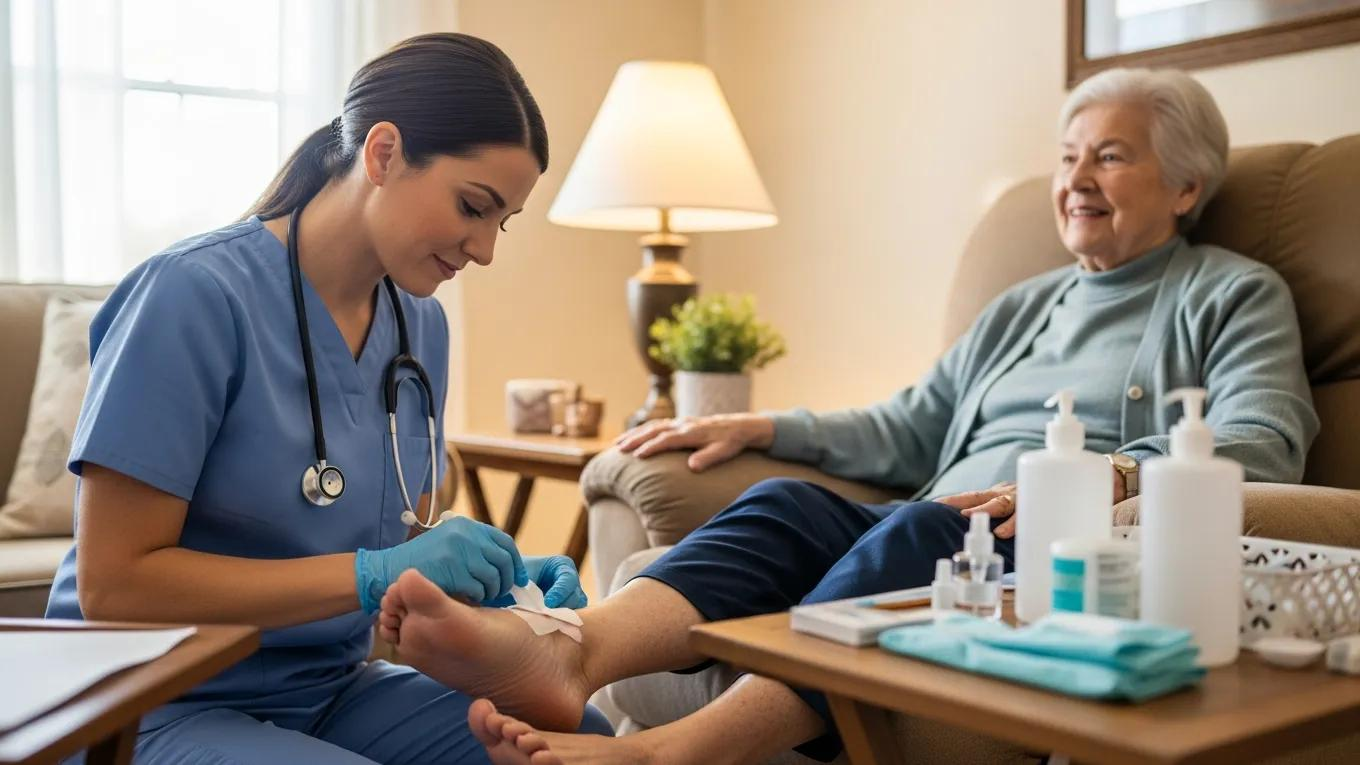
  1. Post-Surgical Wounds: These wounds require careful monitoring and management to prevent infection and promote healing. Skilled nurses assess the wound site, change dressings, and provide education on care techniques. According to the CDC, surgical site infections (SSIs) occur in approximately 2–5% of patients undergoing inpatient surgery and are among the most common healthcare-associated infections. The CDC recommends daily wound inspection, sterile dressing technique, and monitoring for classic signs of infection such as erythema, warmth, purulent drainage, fever above 101°F, and increased pain, all of which skilled nursing wound care in Miami diligently addresses.
  2. Chronic Wounds: Chronic wounds, such as diabetic ulcers, require ongoing treatment and specialized care. Nurses develop individualized care plans that include regular assessments and adjustments based on the wound's condition. The American Heart Association (AHA) notes that peripheral artery disease (PAD) affects approximately 8.5 million Americans over age 40 and is a leading cause of non-healing lower extremity wounds. Patients with PAD combined with diabetes have a 15–40 times higher risk of lower extremity amputation, underscoring the urgency of skilled nursing wound care at home in Miami-Dade.
  3. Diabetic Ulcers: These wounds are common among individuals with diabetes and can lead to serious complications if not treated properly. Skilled nursing care focuses on infection prevention, wound cleaning, and patient education on managing diabetes. The Agency for Healthcare Research and Quality (AHRQ) reports that 15% of people with diabetes will develop a foot ulcer during their lifetime, and 85% of diabetes-related lower extremity amputations are preceded by a foot ulcer. Ameri-Care provides specialized diabetic ulcer care in Miami, including offloading education, glycemic monitoring coordination, and daily wound assessment to improve healing outcomes.

Post-Surgical Wounds

Post-surgical wounds necessitate meticulous care to ensure proper healing. Skilled nurses perform thorough assessments, clean the wound site, and apply appropriate dressings. They also monitor for signs of infection, such as increased redness, swelling, or discharge. By providing education on wound care techniques, nurses empower patients to take an active role in their recovery. The CDC emphasizes that daily wound inspection by a skilled nurse reduces SSI-related complications and enables early intervention.

Chronic Wounds

Chronic wounds present unique challenges that require specialized management. Skilled nurses develop comprehensive care strategies that address the underlying causes of the wound, such as poor circulation or diabetes. They educate patients on lifestyle modifications and self-care practices to enhance healing and prevent recurrence. Managing these complex conditions often involves navigating various challenges, as highlighted by the experiences of home care nurses.

Home Care Nurses Managing Chronic Wounds

home care nurses' experiences in managing chronic wounds, focusing on the obstacles they face and ideas for improving treatment of chronic wound treatment in home care

Home Care Nurses´ Experiences with Managing Chronic Wound, 2024

The Role of a Skilled Nurse in Home Wound Care

Skilled nurses play a vital role in home wound care by providing expert assessments, treatment, and education. Their responsibilities include:

  • Wound Assessment: Nurses evaluate the wound's size, depth, and condition to determine the appropriate treatment plan. Ameri-Care nurses follow the WOCN Society clinical practice guidelines, which are the gold standard for wound assessment and management in home health settings. WOCN-certified nurses (WOCNs/CWOCNs) represent the highest credential in wound care nursing.
  • Patient Education: They educate patients and caregivers on proper wound care techniques, signs of infection, and when to seek further medical attention.
  • Coordination with Healthcare Providers: Skilled nurses communicate with physicians and other healthcare professionals to ensure a cohesive approach to patient care.

Dressing Changes, Debridement Coordination & Infection Monitoring

Effective wound management involves regular dressing changes, debridement, and infection monitoring. Skilled nurses follow established protocols to ensure that wounds are kept clean and free from infection. They assess the wound during each visit, changing dressings as needed and coordinating debridement procedures when necessary. This proactive approach minimizes the risk of complications and promotes faster healing.

To further enhance these practices, there is a continuous call within the home health industry to advance wound management methods and technologies.

Improving In-Home Chronic Wound Management

the home health industry needs to improve wound management methods and technologies to properly care for patients with chronic wounds.

In-home wound care management utilizing information technology, 2007

Documentation, Physician Communication & Care Plan Updates

Accurate documentation and communication are essential components of effective wound care. Skilled nurses maintain detailed records of each patient's progress, including wound assessments, treatment plans, and any changes in condition. This documentation facilitates communication with physicians and ensures that care plans are updated as needed. By keeping all parties informed, nurses help to optimize patient outcomes.

V.A.C. Therapy at Home

V.A.C. (Vacuum-Assisted Closure) therapy is a specialized treatment for complex wounds that promotes healing through negative pressure. This therapy can be administered in the home setting by skilled nurses, who are trained in its application. V.A.C. therapy enhances blood flow to the wound site, reduces edema, and helps to draw the edges of the wound together. Patients receiving this therapy often experience improved healing times and reduced risk of infection.

The Four Stages of Wound Healing: What to Expect

Understanding the stages of wound healing is crucial for patients and caregivers. The four stages include:

  1. Hemostasis: The body initiates a clotting process to stop bleeding.
  2. Inflammation: The area becomes red and swollen as the body fights infection.
  3. Proliferation: New tissue forms, and the wound begins to close.
  4. Remodeling: The wound matures and strengthens over time.

By recognizing these stages, patients can better understand their healing process and the importance of adhering to their care plans.

Coordinating Care With Miami Wound Care Centers & Hospitals

Effective wound care often requires collaboration with local wound care centers and hospitals. Skilled nurses coordinate care by referring patients to specialized facilities when necessary. This collaboration ensures that patients receive comprehensive treatment tailored to their specific needs. Family involvement is also encouraged, as it can enhance support and improve patient outcomes.

When to Call a Wound Care Nurse: Warning Signs Checklist

It is essential for patients and caregivers to recognize when to seek professional help. Here are key warning signs that indicate the need for a wound care nurse:

  1. Increased Pain: If the pain around the wound worsens, it may signal an infection or complication.
  2. Signs of Infection: Redness, swelling, or discharge from the wound are indicators that professional care is needed.
  3. Delayed Healing: If the wound does not show signs of improvement within a reasonable timeframe, it is crucial to consult a skilled nurse.

Medicare & Medicaid Coverage for Home Wound Care in Florida

Medicare and Medicaid provide coverage for home wound care services in Florida, ensuring that patients have access to necessary treatments. Eligibility criteria may vary, so it is essential for patients to understand their coverage options. Skilled nursing services, including wound care, are typically covered under these programs, allowing patients to receive care without financial burden.

Frequently Asked Questions About Home Wound Care in Miami

Home wound care can raise many questions for patients and caregivers. Here are some common inquiries:

  1. What types of wounds can be treated at home? - Skilled nurses can manage post-surgical wounds, chronic wounds, and diabetic ulcers in the home setting.
  2. How often will a nurse visit for wound care? - The frequency of visits depends on the patient's needs and the complexity of the wound.
  3. Is home wound care covered by insurance? - Many insurance plans, including Medicare and Medicaid, cover home wound care services.

By addressing these questions, patients can feel more informed and confident in their wound care journey.

The PUSH Tool — Measuring Wound Healing Progress at Every Visit

Ameri-Care's skilled nurses use the PUSH Tool (Pressure Ulcer Scale for Healing), developed by the National Pressure Injury Advisory Panel (NPIAP) and endorsed by the WOCN Society, to objectively track wound healing progress at every home visit. Unlike subjective assessments, the PUSH Tool provides a validated, reproducible score that enables nurses to detect healing or deterioration early and communicate changes to the physician.

The PUSH Tool evaluates three parameters:

  1. Wound Surface Area (length × width in cm²): Scored 0–10 based on size. A decreasing score indicates healing; an increasing score signals deterioration or infection.
  2. Exudate Amount: Scored 0 (none) to 3 (heavy). Heavy exudate may indicate infection or biofilm formation.
  3. Tissue Type: Scored 0 (closed/healed) to 4 (necrotic tissue). Presence of necrotic tissue (eschar/slough) indicates the wound requires debridement before healing can progress.

The total PUSH Score ranges from 0 (healed) to 17 (most severe). Ameri-Care nurses document PUSH scores at every visit and trend them over time — a declining score confirms the care plan is working; a plateau or increase triggers a physician notification and care plan revision.

Clinical benchmark: According to WOCN clinical guidelines, a Stage II pressure injury should show measurable healing (decreasing PUSH score) within 2 weeks of initiating evidence-based treatment. Failure to progress warrants reassessment of the wound etiology, infection status, and nutritional support.

Wound Bed Preparation — The TIME Framework

Before any wound can heal, the wound bed must be properly prepared. Ameri-Care's skilled nurses apply the internationally recognized TIME framework — developed by wound care experts and endorsed by the WOCN Society — to systematically address the four barriers to wound healing at every visit.

The TIME framework includes:

T — Tissue Management (Non-viable or Deficient Tissue)

Non-viable tissue (necrotic eschar, slough, fibrin) must be removed before healing can occur. Ameri-Care nurses perform or coordinate three types of debridement based on wound type, patient condition, and physician orders:

  • Autolytic Debridement: The body's own enzymes liquefy necrotic tissue under a moisture-retentive dressing (hydrocolloid, hydrogel). Slowest method — appropriate for patients who cannot tolerate other methods. Takes 3–7 days.
  • Enzymatic Debridement: Topical agents (collagenase/Santyl) chemically dissolve necrotic tissue. Requires a physician prescription. Effective for wounds with thick eschar. Takes 5–14 days.
  • Sharp/Mechanical Debridement: Removal of necrotic tissue using sterile instruments (scissors, forceps, curette) by a skilled nurse or wound care specialist. Fastest method — immediately reduces bacterial burden and stimulates healing. Requires physician order and appropriate nurse competency.

I — Infection and Inflammation Control

Wound biofilm — a structured community of bacteria encased in a protective matrix — is present in up to 78% of chronic wounds (per AHRQ data) and is the primary reason wounds fail to heal. Signs of critical colonization or infection include increased exudate, new or worsening odor, friable granulation tissue, and wound breakdown despite treatment. Ameri-Care nurses obtain wound cultures per physician order, apply antimicrobial dressings (silver-impregnated, iodine-based, PHMB), and communicate culture results to the prescribing physician for antibiotic therapy decisions.

M — Moisture Balance

Optimal wound healing requires a moist — not wet — wound environment. Too dry: cell migration is impaired, eschar forms. Too wet: periwound maceration, skin breakdown, increased infection risk. Ameri-Care nurses select dressings based on exudate level:

  • Low exudate: hydrogel, hydrocolloid
  • Moderate exudate: foam dressings, alginate
  • Heavy exudate: super-absorbent dressings, NPWT (see below)

E — Edge of Wound (Epithelial Advancement)

If wound edges are not advancing (rolling, undermined, or hyperkeratotic), healing is stalled. Ameri-Care nurses assess edge advancement at every visit. Non-advancing edges may indicate the need for debridement, offloading (for diabetic foot ulcers), or referral for advanced therapies (bioengineered skin substitutes, growth factor therapy).

Advanced Wound Modalities — NPWT and Beyond

Negative Pressure Wound Therapy (NPWT / V.A.C. Therapy)

NPWT — commonly known by the brand name V.A.C. (Vacuum-Assisted Closure) — applies controlled sub-atmospheric pressure (typically −75 to −125 mmHg) to the wound bed via a foam dressing and sealed occlusive film connected to a portable pump. Ameri-Care's skilled nurses are trained to manage NPWT devices in the home setting, including:

  • Foam dressing changes every 48–72 hours (or per physician order)
  • Monitoring for canister fill, seal integrity, and pressure alarms
  • Assessing wound response: granulation tissue formation, wound contraction, exudate reduction

Clinical outcomes (per AHRQ and published literature): NPWT reduces wound surface area by an average of 49% over 4 weeks in chronic wounds. It is particularly effective for:

  • Dehisced surgical wounds
  • Diabetic foot ulcers (DFUs) — reduces amputation risk when combined with offloading
  • Stage III–IV pressure injuries
  • Traumatic wounds and skin graft preparation

NPWT requires a physician order and is covered by Medicare Part B for qualifying wounds when medical necessity criteria are met.

Hyperbaric Oxygen Therapy (HBO) Coordination

For patients with non-healing diabetic foot ulcers or radiation wounds, Ameri-Care coordinates referrals to hyperbaric oxygen therapy centers in Miami-Dade, including Baptist Health South Florida's Wound Care and Hyperbaric Center. HBO delivers 100% oxygen at 2–3 atmospheres of pressure, increasing tissue oxygen tension by 10–15x, promoting angiogenesis and bacterial killing.

Nutrition's Role in Wound Healing — Protein, Zinc & Vitamin C Targets

Wound healing is a metabolically demanding process. According to the AHRQ and WOCN Society clinical guidelines, malnutrition is present in up to 50% of patients with chronic wounds and is one of the most modifiable barriers to healing. Ameri-Care's skilled nurses assess nutritional status at every visit and coordinate with the patient's physician and dietitian when deficiencies are identified.

Protein: The primary building block of collagen — the structural protein that closes wounds. WOCN guidelines recommend 1.25–1.5g of protein per kilogram of body weight per day for patients with pressure injuries (vs. the standard 0.8g/kg/day for healthy adults). For a 70kg (154 lb) patient, this means 87–105g of protein daily. High-protein foods include eggs, chicken, fish, Greek yogurt, legumes, and protein supplements such as Ensure and Boost High Protein.

Zinc: Essential cofactor for collagen synthesis and immune function. Zinc deficiency impairs all phases of wound healing. Recommended dietary allowance (RDA): 8mg/day (women), 11mg/day (men). Patients with chronic wounds or malabsorption may require supplementation (zinc sulfate 220mg/day) per physician order. Food sources include oysters, beef, pumpkin seeds, and chickpeas.

Vitamin C (Ascorbic Acid): Critical for hydroxylation of proline and lysine — the amino acids that stabilize the collagen triple helix. Vitamin C deficiency (scurvy) causes wound dehiscence and impaired healing. For wound healing, therapeutic doses of 500–1,000mg/day of Vitamin C are commonly recommended (per AHRQ). Food sources include citrus fruits, bell peppers, strawberries, and broccoli.

Hydration: Adequate hydration maintains tissue perfusion and oxygen delivery to the wound bed. Target: 30–35mL of fluid per kilogram of body weight per day (unless fluid-restricted for cardiac or renal conditions). Ameri-Care nurses monitor for signs of dehydration (skin turgor, mucous membranes, urine color) at every visit.

Miami-specific note: Ameri-Care nurses provide nutritional education tailored to Miami-Dade's diverse patient population, including culturally appropriate high-protein meal suggestions for Cuban, Haitian, and Caribbean dietary preferences.

Home Health Care Cost Calculator: Planning for Skilled Nursing & Therapy in Miami

Home Health Care Cost Calculator: Planning for Skilled Nursing & Therapy in Miami

Home Health Care Cost Calculator: Planning for Skilled Nursing & Therapy in Miami

Home Health Care Cost Calculator: Planning Skilled Nursing and Therapy Services in Miami

By Eduardo Lopez Prado, Ameri-Care Professional Services, Inc

Navigating the costs associated with home health care can be daunting for families in Miami. Understanding the financial implications of skilled nursing and therapy services is crucial for effective planning. This article serves as a comprehensive guide to help you estimate the costs of in-home care, including skilled nursing and therapy services, while also providing insights into financial assistance options available in the area. By the end of this guide, you will have a clearer picture of what to expect in terms of pricing and how to budget for these essential services.

In this article, we will explore the typical costs for skilled nursing and home health aide services in Miami, the factors that influence these costs, and the various insurance and financial assistance options available. We will also discuss how to plan out-of-pocket expenses effectively and the tools that can help you estimate home health care costs.

What Are the Typical Costs for Skilled Nursing and Home Health Aide Services in Miami?

The costs for skilled nursing and home health aide services in Miami can vary significantly based on the type of care required and the complexity of the services. On average, personal care services range from $25 to $40 per hour, while skilled nursing care at home services can cost between $55 and $120 per hour. Specialized therapy services, such as physical or occupational therapy, typically range from $65 to $150 per hour. It's important to note that Miami's home care rates are approximately 15-20% above the Florida state average, reflecting the demand for quality care in the region.

Service TypeCost RangeFactors Influencing Cost
Personal Care Services$25 - $40 per hourType of care, hours needed
Skilled Nursing Services$55 - $120 per hourComplexity of care, qualifications of staff
Specialized Therapy Services$65 - $150 per hourType of therapy, duration of sessions

Understanding these costs is essential for families planning for home health care. The next section will delve into how skilled nursing home care prices vary based on service complexity.

How Do Skilled Nursing Home Care Prices Vary by Service Complexity?

Skilled nursing home care prices can vary significantly based on the complexity of the services required. Basic skilled nursing services, which may include routine health monitoring and medication administration, typically cost between $55 and $70 per hour. In contrast, complex skilled nursing services, which may involve specialized medical care or rehabilitation, can range from $70 to $120 per hour.

This variation in pricing is influenced by several factors, including the specific medical needs of the patient, the qualifications of the nursing staff, and the duration of care required. Families should consider these factors when budgeting for skilled nursing services to ensure they select the appropriate level of care for their loved ones.

What Are the Average Home Health Aide Rates in Miami?

Home health aide services in Miami generally cost between $25 and $40 per hour. These aides provide essential support for daily living activities, such as bathing, dressing, and meal preparation. Home health aides also assist with fall prevention for seniors, reducing the risk of injury and costly hospitalizations. When compared to skilled nursing services, which can range from $55 to $120 per hour, home health aide services are often a more affordable option for families seeking assistance with non-medical care.

Understanding the average rates for home health aides can help families make informed decisions about the type of care they need and how to allocate their budget effectively.

How Is the Cost of In-Home Therapy Calculated in Miami?

The cost of in-home therapy services in Miami is influenced by several factors, including the type of therapy being provided, the duration of each session, and the qualifications of the therapist. On average, therapy services can range from $65 to $150 per session, depending on the specific needs of the patient.

Insurance coverage can also play a significant role in determining out-of-pocket costs for therapy services. Many insurance plans cover a portion of therapy costs, but it is essential for families to verify their coverage details to understand their financial responsibilities.

Which Therapy Services Are Included in Home Care Fees?

Home care fees often include a variety of therapy services, which may encompass:

  • Physical Therapy: Aimed at improving mobility and physical function, typically costing between $80 and $120 per visit.
  • Occupational Therapy: Focused on helping individuals perform daily activities, with costs ranging from $75 to $115 per visit.
  • Speech Therapy: Designed to assist with communication and swallowing disorders, usually costing between $70 and $110 per visit.

These services are crucial for patients recovering from surgery, injury, or illness, and understanding their costs can help families plan accordingly.

What Factors Influence In-Home Therapy Pricing?

Several factors can influence the pricing of in-home therapy services, including:

  • Service Type: Different types of therapy have varying costs based on the complexity and duration of the sessions.
  • Provider Qualifications: Therapists with advanced certifications or specialized training may charge higher rates.
  • Geographic Location: Prices can vary based on the local market demand for therapy services.

Being aware of these factors can help families make informed decisions when selecting therapy services for their loved ones.

What Insurance and Medicare Coverage Options Affect Miami Home Health Care Costs?

Insurance coverage plays a critical role in determining the overall costs of home health care in Miami. Medicare typically covers skilled nursing services if deemed medically necessary, which can significantly reduce out-of-pocket expenses for eligible patients. Additionally, Florida's HCBS Medicaid Waiver covers personal care and skilled nursing for low-income seniors, providing essential support for those who qualify.

Further research highlights the importance and structure of these vital programs in the state.

Florida Medicaid Waivers for Home & Community-Based Services

(c) Medicaid waivers for HCBS (such as Florida's Aged and Disabled Waiver) are the primary mechanism for providing long-term care services to elders in Florida. This study examines the relative benefits and costs of five Medicaid HCBS programs available to elders in Florida.

The relative benefits and cost of Medicaid home-and community-based services in Florida, 2006

Statewide Medicaid Managed Care (SMMC) Long-Term Care Program

The Statewide Medicaid Managed Care (SMMC) Long-Term Care (LTC) program is Florida's primary Medicaid managed care program for long-term services and supports, replacing the older Medicaid waiver programs. It is administered by managed care plans contracted with the Florida Agency for Health Care Administration (AHCA).

The SMMC LTC program covers a wide range of services including home health aide visits, skilled nursing visits, personal care, adult day health care, assisted living, behavioral health, and care coordination. Miami-Dade County is served under this program, and enrollees choose from approved managed care plans operating in their region.

Eligibility Requirements for Miami-Dade Residents

To qualify for the SMMC LTC program in Miami-Dade, applicants must meet the following criteria:

  • Be a Florida Medicaid recipient, meeting income and asset limits: income generally at or below 300% of the SSI Federal Benefit Rate, approximately $2,829 per month in 2024; assets at or below $2,000 for an individual.
  • Be age 65 or older, OR age 18–64 with a qualifying disability.
  • Require a nursing facility level of care, as determined by a CARES assessment — Comprehensive Assessment and Review for Long-Term Care Services.
  • Be a U.S. citizen or qualified immigrant and a Florida resident.
  • Not already be enrolled in another Medicaid long-term care program.

[INFOGRAPHIC PLACEHOLDER — SMMC LTC Eligibility Checklist]Visual Type: Icon-driven checklist / badge gridAlt Text: "SMMC Long-Term Care eligibility checklist for Miami-Dade residents showing six criteria: age 65+ or disability, Florida Medicaid recipient, income at or below $2,829/month, assets at or below $2,000, nursing facility level of care confirmed by CARES assessment, and U.S. citizenship or qualified immigrant status with Florida residency."Designer Notes: Display each of the 6 eligibility criteria as a pass/fail badge with a corresponding icon (e.g., calendar icon for age, dollar sign for income, home icon for residency). Use green checkmarks for qualifying criteria. Include a footer note: "Not sure if you qualify? Contact Ameri-Care Professional Services for a free eligibility consultation." Recommended dimensions: 800×500px. Brand colors should match ameri-carepro.com.

Application Process — Step by Step

  1. Contact the Florida Department of Elder Affairs (DOEA) or call the Elder Helpline at 1-800-963-5337 to initiate the process.
  2. Complete a Medicaid application through the ACCESS Florida portal (www.myflorida.com/accessflorida) or in person at the Miami-Dade County Department of Children and Families (DCF) office.
  3. Undergo a CARES assessment — a trained assessor visits the applicant's home to evaluate functional needs and determine nursing facility level of care.
  4. If approved for Medicaid and deemed eligible for LTC, the applicant is enrolled in the SMMC LTC program and given a choice of managed care plans.
  5. Select a managed care plan from those available in Miami-Dade County and choose a primary care provider and home health agency (such as Ameri-Care Professional Services).
  6. Begin receiving covered home health care services coordinated through the selected managed care plan.

[INFOGRAPHIC PLACEHOLDER — 6-Step SMMC LTC Application Flowchart]Visual Type: Vertical or horizontal step-by-step process flowchartAlt Text: "Six-step application flowchart for Florida's SMMC Long-Term Care program for Miami-Dade residents: Step 1 - Call the Elder Helpline at 1-800-963-5337; Step 2 - Apply via ACCESS Florida portal or Miami-Dade DCF office; Step 3 - Complete CARES in-home assessment; Step 4 - Receive Medicaid and LTC program approval; Step 5 - Select a managed care plan and home health agency such as Ameri-Care Professional Services; Step 6 - Begin receiving coordinated home health care services."Designer Notes: Use a numbered horizontal or vertical flowchart with icons for each step (phone icon for Step 1, computer icon for Step 2, home icon for Step 3, document icon for Step 4, medical cross icon for Step 5, handshake icon for Step 6). Add estimated timeframes between steps where applicable (e.g., "Assessment typically scheduled within 30 days of application"). Highlight Step 5 with a subtle callout: "Choose Ameri-Care Professional Services as your home health agency." Recommended dimensions: 900×400px (horizontal) or 500×900px (vertical). Brand colors should match ameri-carepro.com. This flowchart is a candidate for HowTo schema markup implementation.

Waitlist & Planning Tips

Florida's SMMC LTC program can have significant waitlists, sometimes 1–2 years in high-demand counties like Miami-Dade. Families are advised to apply as early as possible, even before immediate need arises.

While waiting, exploring bridge options such as private pay home care, Medicare-covered skilled nursing visits, or Veterans' benefits can provide interim support. Additionally, working with a Medicaid planning attorney or certified elder law attorney (CELA) can help protect assets and potentially accelerate eligibility.

How Does Medicare Cover Skilled Nursing and Therapy Services at Home?

Medicare coverage for skilled nursing and therapy services at home is contingent upon specific eligibility requirements. To qualify, services must be deemed necessary for the patient's recovery, and patients must be homebound. Medicare typically covers a range of services, including skilled nursing care and certain therapy services, which can alleviate the financial burden on families.

Understanding the nuances of Medicare coverage can help families navigate the complexities of home health care costs more effectively.

Are There Financial Assistance Programs for Home Health Care in Miami?

Yes, there are several financial assistance programs available for home health care in Miami. These programs can help families manage the costs associated with skilled nursing and therapy services. Some options include:

  • Medicare: Provides coverage for eligible patients, particularly for skilled nursing and therapy services.
  • Medicaid: Offers assistance for low-income seniors through programs like the Florida HCBS Medicaid Waiver.
  • Private Insurance: Many private insurance plans offer coverage for home health care services, but families should verify their specific benefits.

Exploring these options can provide much-needed financial relief for families seeking home health care services.

Studies have consistently shown the economic advantages of utilizing Medicaid Waiver services for long-term care.

Medicaid Cost Savings for Home Care in Florida

Users of Medicaid Waiver services generate considerably lower Medicaid costs than nonusers, and several HCBS programs in Florida show evidence of Medicaid cost-savings.

Medicaid cost-savings of home-and community-based service programs for older persons in Florida, A Shapiro, 2011

How Can Patients and Caregivers Plan Out-of-Pocket Expenses for Home Health Care in Miami?

Planning for out-of-pocket expenses related to home health care requires careful budgeting and consideration of the services needed. Families should:

  1. Assess Care Needs: Determine the level of care required, including skilled nursing and therapy services.
  2. Research Costs: Gather information on the average costs of services in Miami to create a realistic budget.
  3. Explore Financial Assistance: Investigate available insurance coverage and financial aid programs to offset costs.

By taking these steps, families can better prepare for the financial aspects of home health care.

What Tools Are Available to Estimate Home Health Care Costs?

Several tools can assist families in estimating home health care costs, including:

  • Cost Calculators: Online calculators can provide estimates based on specific care needs and service types.
  • Insurance Provider Resources: Many insurance companies offer tools to help families understand their coverage and potential out-of-pocket costs.
  • Consultation with Care Providers: Speaking with home health care agencies can provide valuable insights into pricing and available services.

Utilizing these tools can help families make informed decisions about their home health care options.

How Does the Patient Referral Process Facilitate Access to Skilled Nursing and Therapy?

The patient referral process is essential for accessing skilled nursing and therapy services. Families typically begin by filling out a referral form, which is then reviewed by a healthcare professional who assesses the patient's needs. This process ensures that patients receive the appropriate level of care tailored to their specific requirements.

Understanding the patient referral process can help families navigate the complexities of securing home health care services more efficiently.

For those seeking comprehensive home health care solutions, Ameri-Care Pro offers a range of services tailored to meet individual needs. Their commitment to quality and compassionate care makes them a trusted provider in the Miami area.

To learn more about how Ameri-Care Pro can assist you or your loved ones, visit their website for detailed information on their services and coverage areas.

Frequently Asked Questions About Home Health Care Costs in Miami

Does Medicare Cover Home Health Care in Miami?

Yes, Medicare can cover home health care in Miami, but only under specific conditions. To qualify, you must meet Medicare's "homebound" requirement — meaning leaving your home requires a considerable and taxing effort due to illness, injury, or disability. Occasional trips for medical appointments or religious services do not disqualify you, but you must generally remain at home. In addition to being homebound, you must have a documented "skilled need" — meaning your care plan must include skilled nursing visits, physical therapy, occupational therapy, or speech-language pathology services ordered by a physician. Medicare does not cover custodial or personal care (such as bathing, dressing, or meal preparation) when that is the only care needed. When both conditions are met, Medicare Part A or Part B covers 100% of approved home health services with no copay, provided your agency is Medicare-certified. Ameri-Care Professional Service, Inc. is a Medicare-certified home health agency serving Miami-Dade County.

How Long Does SMMC LTC Approval Take in Miami-Dade?

The SMMC Long-Term Care approval process in Miami-Dade County can take anywhere from several months to 1–2 years from initial application to the start of services. The timeline has several phases: Medicaid eligibility determination by the Florida Department of Children and Families (DCF) typically takes 45–90 days; the CARES functional assessment is scheduled after Medicaid approval and can take an additional 30–60 days; and once deemed eligible for LTC services, applicants are placed on a waitlist. Miami-Dade County consistently experiences some of the longest waitlists in Florida due to high demand and population density. Priority is given to individuals at imminent risk of nursing home placement, so those with less urgent needs may wait longer. Families are strongly advised to apply as early as possible — ideally 12–18 months before anticipated need — and to arrange private pay or Medicare-covered bridge care in the interim. Ameri-Care Professional Services can provide private pay home health care while your SMMC LTC application is being processed.

Can I Choose My Own Home Health Agency Under Medicaid in Florida?

Yes, Florida's SMMC Long-Term Care program gives enrollees the right to choose their home health agency, but within a structured process. Once approved for SMMC LTC, you first select a managed care plan from those contracted by the Florida Agency for Health Care Administration (AHCA) and operating in Miami-Dade County. Your chosen managed care plan then maintains a network of approved home health agencies. You may select any in-network agency from your plan's provider directory — and you have the right to request a change of agency if you are dissatisfied with your current provider. It is important to confirm that your preferred home health agency is in-network with your selected managed care plan before enrollment. When evaluating plans, ask specifically which home health agencies are included in their Miami-Dade network. Ameri-Care Professional Service, Inc. works with multiple managed care plans operating in Miami-Dade County — contact us to confirm participation with your specific plan.

What Is the Difference Between a Home Health Aide and a Skilled Nurse?

The distinction between a home health aide and a skilled nurse comes down to the type of care provided — non-medical personal care versus clinical medical care. A home health aide (HHA) assists with activities of daily living (ADLs) such as bathing, dressing, grooming, toileting, meal preparation, light housekeeping, and companionship. HHAs do not perform medical procedures and do not require a clinical license. A skilled nurse (Registered Nurse or Licensed Practical Nurse), on the other hand, provides medically necessary clinical services: wound care and dressing changes, medication management and injections, IV therapy, post-surgical monitoring, chronic disease management (e.g., diabetes, congestive heart failure), and patient and family education. Skilled nursing visits are typically shorter and more focused than aide visits, and they require a physician's order. Medicare and Medicaid cover skilled nursing visits when medically necessary; home health aide services are generally only covered when provided alongside a skilled service. Ameri-Care Professional Service, Inc. provides both certified home health aides and skilled nursing care at home services in Miami-Dade County, allowing families to receive comprehensive care under one provider.

Are There Financial Assistance Options for Miami Veterans?

Yes, Miami-area veterans and their surviving spouses may qualify for significant financial assistance through the U.S. Department of Veterans Affairs (VA). The most relevant benefit for home health care is the VA Aid and Attendance (A&A) benefit, a pension enhancement available to veterans who require the regular assistance of another person to perform daily activities such as bathing, dressing, feeding, or adjusting prosthetic devices. Aid and Attendance can provide up to $2,300/month for a veteran, $1,478/month for a surviving spouse, or $2,727/month for a couple (2024 rates), which can be applied directly toward the cost of home health care services. To qualify, veterans must meet service requirements (generally 90+ days of active duty with at least one day during a wartime period), income and asset thresholds, and a medical need for assistance. Miami veterans can apply through the VA's eBenefits portal or by contacting the Miami VA Healthcare System at (305) 575-7000. Additionally, the Florida Department of Veterans' Affairs (FDVA) offers state-level assistance programs and can help veterans navigate the application process. Ameri-Care Professional Service, Inc. welcomes veteran clients and can coordinate care plans compatible with VA benefit structures.

Have more questions about home health care costs or financial assistance options in Miami? Submit a patient referral or contact Ameri-Care Professional Service, Inc. today for a personalized consultation. Our care coordinators are available to help Miami-Dade families navigate costs, insurance coverage, and care planning — at no obligation.