305.826.8800 [email protected]
Seleccionar Página
How Do I Know if In-Home Care Is the Right Choice for My Loved One?

How Do I Know if In-Home Care Is the Right Choice for My Loved One?

How Do I Know if In-Home Care Is the Right Choice for My Loved One?

How Do I Know if In-Home Care Is the Right Choice for My Loved One? Signs, Benefits, and Decision Guidance

By Eduardo Lopez Prado, PTA, CLT, BS — Physical Therapist Assistant and Certified Lymphedema Therapist at Ameri-Care Professional Service, Inc.

Deciding whether in-home care is the right choice for your loved one is a critical decision that impacts their safety, independence, and quality of life. As a physical therapist assistant and certified lymphedema therapist with a Bachelor of Science degree and over 15 years of experience in geriatric care and home health services, I understand the complexities families face when balancing the desire for independence with the need for professional support. This article provides expert guidance on recognizing the signs that indicate a need for in-home care, the benefits it offers, and practical decision-making tools to help families make informed choices. By integrating clinical insights and real-world scenarios, we aim to empower families to navigate this important transition confidently.

Research consistently highlights the importance of understanding the specific nursing and care needs of elderly individuals living at home to ensure effective support.

Identifying & Meeting Nursing Needs in Home Care

In Norway, as in many Western countries, a shift from institutional care to home care is taking place. Our knowledge is limited regarding which needs for nursing interventions patients being cared for in their home have, and how they are met. We aimed at assessing aspects of health and function in a representative sample of the most vulnerable home-dwelling elderly, to identify their needs for nursing interventions and how these needs were met.

Assessment tools to evaluate Activities of Daily Living (ADL) and Instrumental Activities of Daily Living (IADL) in older adults:

A systematic review, M Pashmdarfard, 2020

Key Signs Indicating the Need for Care:
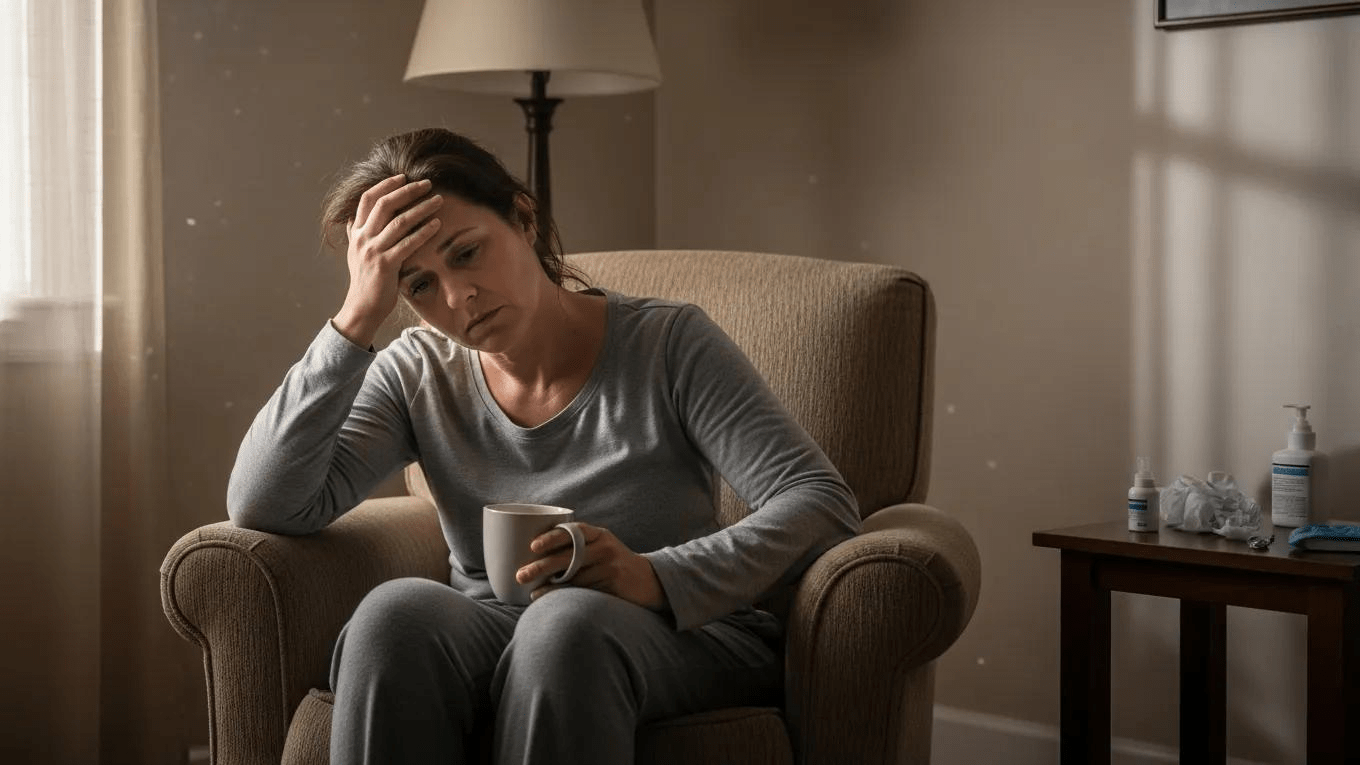
Recognizing when a loved one may need in-home care is crucial for ensuring their safety and well-being. Several key signs can indicate that assistance is required. According to the National Institute on Aging, these signs often include changes in physical and cognitive abilities that affect daily living and safety.

  1. Mobility Issues: If your loved one struggles with walking, climbing stairs, or maintaining balance, it may be time to consider in-home care to prevent falls and injuries.
  2. Health Monitoring Concerns: Frequent hospital visits or unmanaged chronic conditions can signal the need for professional assistance to monitor health and medication.
  3. Memory Loss: If your loved one exhibits signs of confusion, forgetfulness, or difficulty with daily tasks, in-home care can provide the necessary support and supervision.

These signs can help families identify when it may be time to seek professional help for their loved ones.

Benefits of In-Home Care:

In-home care offers numerous advantages that can significantly enhance the quality of life for seniors and individuals with disabilities. Understanding these benefits can help families make informed decisions. The preference for aging in place is strong among older adults; a 2021 AARP survey found that 77% of adults aged 50 and older want to remain in their homes as they age, underscoring the importance of in-home care options.

  1. Supportive Environment: In-home care allows individuals to remain in the comfort of their own homes, surrounded by familiar surroundings and loved ones.
  2. Personalized Care: Care plans can be tailored to meet the specific needs of the individual, ensuring they receive the appropriate level of support.
  3. Cost-Effectiveness: In many cases, in-home care can be more affordable than assisted living facilities or nursing homes, providing a viable option for families.

According to a 2022 survey by the National Association for Home Care & Hospice, over 85% of families reported high satisfaction rates with in-home care services, citing improved emotional well-being and independence for their loved ones.

For those considering in-home care, Ameri-Care Professional Service Inc offers a range of services designed to meet the unique needs of each client, ensuring they receive the best possible care in their own home.

Guidance for Making the Decision:

Making the decision to pursue in-home care involves careful consideration and planning. Here are some steps families can take to assess their loved one's needs effectively. The CDC's National Center for Health Statistics reports that many older Americans receive home health care due to functional limitations, highlighting the importance of timely assessment and intervention.

  1. Assess Needs: Evaluate the daily living activities your loved one struggles with, such as bathing, dressing, or meal preparation.
  2. Consult Healthcare Providers: Discuss your concerns with healthcare professionals who can provide insights and recommendations based on your loved one's health status.
  3. Research Providers: Look into local in-home care agencies, such as Ameri-Care Professional Service Inc, to understand the services they offer and their reputation in the community.

By following these steps, families can make a more informed decision regarding in-home care.

Decision-Making Checklist: Is In-Home Care Right for Your Loved One?

CriteriaYesNo
Does your loved one have difficulty with mobility or frequent falls?
Are there concerns about managing medications or chronic health conditions?
Is there noticeable memory loss or cognitive decline?
Does your loved one struggle with daily activities like bathing, dressing, or meal preparation?
Is there caregiver burnout or insufficient family support?

If you answered "Yes" to two or more of these criteria, it is advisable to consider in-home care services to support your loved one’s needs.

What Are the Key Signs That Indicate Your Loved One Needs In-Home Care?

Identifying specific signs that indicate the need for in-home care can help families take timely action. Here are some critical indicators:

  1. Mobility Issues: Difficulty walking or frequent falls can be a sign that your loved one requires assistance.
  2. Health Monitoring Concerns: Unmanaged health conditions or frequent hospitalizations may necessitate professional care.
  3. Memory Loss: Signs of cognitive decline, such as forgetfulness or confusion, can indicate the need for supervision and support.

Recognizing these signs early can lead to better outcomes for your loved one.

How to Recognize Physical and Cognitive Changes Requiring Care

Physical and cognitive changes can significantly impact a person's ability to live independently. Here are some changes to watch for:

  1. Physical Changes: Noticeable weight loss, difficulty with personal hygiene, or changes in mobility can indicate a need for assistance.
  2. Cognitive Changes: Increased forgetfulness, confusion about time or place, and difficulty following conversations can signal cognitive decline.

Being aware of these changes can help families determine when to seek in-home care.

When Daily Living Activities Become Challenging: A Care Assessment Checklist

Assessing daily living activities is essential for understanding the level of care needed. Here’s a checklist to help families evaluate their loved one's situation:

  • Bathing and Grooming: Can your loved one bathe and groom themselves independently?
  • Meal Preparation: Are they able to prepare meals or manage their dietary needs?
  • Medication Management: Can they remember to take their medications on time?

This checklist can guide families in determining the necessity of in-home care.

Further research emphasizes the critical role of standardized assessment tools like ADL and IADL in accurately evaluating the functional abilities and care needs of older adults.

Assessing Elder Care Needs: ADL & IADL Tools

Background:Given the increasing population of older adults in different societies, it is important to take into account the needs of them. In this regard, the most important things that are closely related to their quality of life are their ability in evaluating Activity of Daily Living (ADL) and Instrumental Activity of Daily Living (IADL) performances. The aims of the present study were to identify the outcome measures specific to the ADL and IADL for older adults and to investigate the psychometric properties of these measures.

Assessment tools to evaluate Activities of Daily Living (ADL) and Instrumental Activities of Daily Living (IADL) in older adults:

A systematic review, M Pashmdarfard, 2020

What Are the Benefits of In-Home Care for Seniors and Individuals with Disabilities?

In-home care provides several benefits that can enhance the quality of life for seniors and individuals with disabilities. These benefits include:

  1. Emotional Support: In-home care fosters emotional well-being by allowing individuals to stay in a familiar environment, which the National Institute on Aging notes can reduce stress and improve overall health outcomes.
  2. Physical Assistance: Caregivers can assist with daily tasks, ensuring that individuals receive the help they need to maintain their independence.
  3. Financial Flexibility: In-home care can often be more affordable than other care options, making it a practical choice for many families.

By choosing in-home care, families can ensure their loved ones receive the support they need while maintaining their independence.

How Personalized Care Supports Independence and Quality of Life

Personalized care is essential for promoting independence and enhancing the quality of life for individuals receiving in-home care. Here’s how it works:

  1. Comfort and Familiarity: Being in a familiar environment can reduce anxiety and promote a sense of security.
  2. Support for Daily Activities: Caregivers can assist with daily tasks, allowing individuals to maintain their routines and independence.

This personalized approach ensures that care is tailored to meet the unique needs of each individual.

How Collaboration with Families and Healthcare Professionals Enhances Care Outcomes

Collaboration between families and healthcare professionals is vital for achieving optimal care outcomes. Here’s why:

  1. Roles of Families and Professionals: Families provide valuable insights into their loved one's preferences and history, while professionals offer expertise in care management.
  2. Effective Communication Strategies: Open communication between families and caregivers ensures that everyone is on the same page regarding care plans and adjustments.

This collaborative approach leads to better care outcomes and enhances the overall experience for both the individual and their family.

How Do I Choose a Qualified and Trustworthy Home Caregiver?

Selecting a qualified and trustworthy home caregiver is crucial for ensuring the safety and well-being of your loved one. Here are some tips to guide the selection process:

  1. Key Qualifications: Look for caregivers with relevant certifications and training in personal care assistance or skilled nursing services.
  2. Background Checks: Ensure that the agency conducts thorough background checks to verify the caregiver's credentials and history.

By following these guidelines, families can find caregivers who are not only qualified but also trustworthy.

What Caregiver Qualifications and Experience Should You Look For?

When choosing a caregiver, it’s essential to consider their qualifications and experience. Here are some key factors to evaluate:

  1. Certifications: Look for caregivers with certifications in first aid, CPR, and specialized training in elderly care.
  2. Experience: Consider caregivers with experience in providing care for individuals with similar needs to your loved one.

These qualifications can significantly impact the quality of care provided.

How to Evaluate Caregiver Compatibility and Communication Skills

Evaluating caregiver compatibility and communication skills is essential for ensuring a positive caregiving experience. Here’s how to assess these qualities:

  1. Assessing Qualifications: Review the caregiver's qualifications and experience to ensure they align with your loved one's needs.
  2. Evaluating Compatibility: Schedule an introductory meeting to observe how the caregiver interacts with your loved one and assess their communication style.

This evaluation process can help families find caregivers who are not only skilled but also a good fit for their loved one.

What Are the Typical Costs and Insurance Considerations for Elderly Home Care Services?

Understanding the costs and insurance considerations for elderly home care services is crucial for families. Here are some key points to consider:

  1. Average Expenses: In-home care costs can vary widely based on the level of care required and the provider's rates.
  2. Insurance Coverage: Many insurance plans, including Medicare and Medicaid, may cover some in-home care services, making it essential to check eligibility. According to Medicare.gov, Medicare covers skilled nursing care, physical therapy, and home health aide services when medically necessary.

By understanding these factors, families can better navigate the financial aspects of in-home care.

How to Understand and Compare Home Care Service Pricing

Comparing home care service pricing can be challenging. Here are some tips to help families make informed decisions:

  1. Pricing Structures: Understand the different pricing structures, such as hourly rates versus flat fees, to determine what works best for your budget.
  2. Factors Influencing Costs: Consider factors such as the level of care required, the caregiver's experience, and the agency's reputation when comparing prices.

This understanding can help families find the best value for their loved one's care.

Which Insurance Options and Financial Assistance Programs Are Available?

Several insurance options and financial assistance programs can help families manage the costs of in-home care. Here are some to consider:

  1. Medicare and Medicaid: These government programs may cover certain in-home care services, depending on eligibility.
  2. Long-Term Care Insurance: Policies specifically designed for long-term care can provide financial support for in-home care services.

Exploring these options can help families find the financial assistance they need.

What Questions Should Families Ask About In-Home Care Services and the Patient Referral Process?

When considering in-home care services, families should ask specific questions to ensure they choose the right provider. Here are some essential questions to consider:

  1. Understanding Services Offered: What types of services does the agency provide, and how are they tailored to meet individual needs?
  2. Eligibility Criteria: What are the eligibility criteria for receiving in-home care services, and how does the referral process work?

Asking these questions can help families make informed decisions about in-home care.

How Does the Patient Referral Process Work with Ameri-Care Professional Service Inc?

Understanding the patient referral process with Ameri-Care Professional Service Inc can help families navigate the transition to in-home care. Here’s an overview of the process:

  1. Steps in the Referral Process: Families can initiate the referral process by contacting the agency to discuss their loved one's needs and schedule an assessment.
  2. Insurance Verification: The agency will assist families in verifying insurance coverage and determining eligibility for services.

This streamlined process ensures that families receive the support they need to transition to in-home care smoothly.

What Are Common Family Concerns and How Are They Addressed?

Families often have concerns when considering in-home care for their loved ones. Here are some common concerns and how they can be addressed:

  1. Quality of Care: Families may worry about the quality of care their loved one will receive. Choosing a reputable agency with qualified caregivers can alleviate these concerns.
  2. Cost and Insurance Coverage: Understanding the costs and available insurance options can help families feel more confident in their decision.

By addressing these concerns, families can make informed choices about in-home care for their loved ones.

In-Home Care vs. Assisted Living vs. Nursing Homes: A Comparison

Choosing the right care setting for a loved one involves understanding the differences between in-home care, assisted living, and nursing homes. The following table contrasts these options across key dimensions:

DimensionIn-Home CareAssisted LivingNursing Homes
CostTypically lower; hourly or daily rates; flexible based on needsModerate; monthly fees covering housing and some careHighest; comprehensive medical and personal care included
IndependenceHigh; remains in own home with personalized supportModerate; private apartments with assistance availableLow; structured environment with 24/7 supervision
Medical SupportAvailable as needed; skilled nursing and therapy servicesBasic medical support; some nursing care on siteComprehensive medical and nursing care 24/7
Social InteractionVaries; depends on family and community involvementHigh; organized activities and communal diningHigh; structured social and recreational programs
Best Suited ForIndividuals needing assistance but wishing to stay at homeThose needing help with daily activities but not intensive medical careIndividuals requiring constant medical supervision and complex care

Main Types of In-Home Care Services

Understanding the different types of in-home care services can help families select the appropriate support for their loved ones. Below is a breakdown of the main service categories:

  • Skilled Nursing Care: Provided by licensed nurses, this includes medical monitoring, wound care, injections, and managing complex health conditions. Typically used for patients recovering from surgery or managing chronic illnesses.
  • Physical Therapy: Delivered by licensed therapists or assistants, physical therapy helps improve mobility, strength, and balance. Often prescribed after injury, surgery, or to manage conditions like arthritis.
  • Personal Care/ADL Assistance: Assistance with Activities of Daily Living such as bathing, dressing, grooming, and meal preparation. Ideal for individuals who need help with daily self-care but do not require medical intervention.
  • Companion Care: Focuses on providing social interaction, companionship, and assistance with light household tasks. Suitable for seniors who are mostly independent but benefit from social support.
  • Respite Care: Temporary relief for primary caregivers, offering short-term in-home care to allow family caregivers to rest or attend to other responsibilities.

In-Home Care Satisfaction Rates and Patient Outcomes

Data from reputable sources highlight the positive impact of in-home care on patient satisfaction and health outcomes:

  • A 2021 AARP survey found that over 90% of seniors prefer to age in place, valuing the comfort and familiarity of their own homes.
  • The Centers for Disease Control and Prevention (CDC) report that patients receiving in-home care have lower rehospitalization rates compared to those discharged to institutional settings, indicating better management of chronic conditions.
  • According to the National Association for Home Care & Hospice, families report high satisfaction rates exceeding 85%, citing improved emotional well-being and independence for their loved ones.

About Ameri-Care Professional Service, Inc.

Ameri-Care Professional Service, Inc. is a leading provider of in-home care services in the Miami and South Florida area. With a commitment to personalized, compassionate care, Ameri-Care offers a comprehensive range of services tailored to meet the unique needs of each client. Their team of qualified caregivers and healthcare professionals works closely with families to ensure the highest standards of care, promoting independence and quality of life for seniors and individuals with disabilities.

Author Bio

Eduardo Lopez Prado, PTA, CLT, BS, is a Physical Therapist Assistant and Certified Lymphedema Therapist with a Bachelor of Science degree. With over 15 years of clinical experience in geriatric care and home health services, Eduardo brings a deep understanding of the physical and therapeutic needs of elderly patients. His expertise informs his guidance on in-home care decisions, helping families balance medical requirements with the desire for independence and comfort in the home setting.

What Factors Influence the Pricing of Your Home Care Services?

What Factors Influence the Pricing of Your Home Care Services?

What Factors Influence the Pricing of Your Home Care Services?

What Factors Influence the Pricing of Your Home Care Services? Comprehensive Guide to Home Care Pricing Factors and Cost Considerations

By Eduardo Lopez Prado, PTA, CLT, BS — Physical Therapist Assistant and Certified Lymphedema Therapist at Ameri-Care Professional Service, Inc.

With over 15 years of professional experience in home healthcare management and geriatric care, Eduardo Lopez Prado brings expert insights into the complex factors influencing home care pricing. Understanding the pricing of home care services is essential for families seeking quality care for their loved ones. Various factors influence these costs, including the type of services provided, the intensity of care required, and the geographical location of the service. This comprehensive guide will explore the key elements that affect home care pricing, helping families make informed decisions. By examining service variations, insurance impacts, and demographic considerations, readers will gain valuable insights into the financial aspects of home care. Additionally, we will discuss how to evaluate and compare home care pricing effectively, ensuring that families can find the best options for their needs.

Which Types of Home Care Services Affect Pricing? Understanding Service Variations and Their Costs

The type of home care service significantly impacts pricing, as different services come with varying levels of complexity and expertise. Home care services can be broadly categorized into several types, each with its associated costs. According to the National Association for Home Care & Hospice (NAHC), the average hourly rates vary widely depending on the service type and region.

<

Service TypeTypical Cost Range (USD)Description
Companionship Services$20 to $35 per hourSocial interaction, supervision, and assistance with light activities.
Personal Care Assistance$25 to $50 per hourHelp with daily living activities such as bathing, dressing, and meal preparation.
Skilled Nursing Services$50 to $100+ per hourMedical care provided by licensed nurses, including wound care and medication management.
Therapy Services (Physical, Occupational, Speech)$60 to $120 per sessionRehabilitation services tailored to individual needs, often prescribed by physicians.
Chronic Illness ManagementVaries based on frequency and complexityOngoing support for individuals with chronic conditions such as diabetes or COPD.
Homemaking Services$20 to $40 per hourAssistance with household tasks like cleaning, laundry, and shopping.

Ameri-Care Professional Service Inc specializes in personalized in-home healthcare services targeting seniors, individuals with disabilities, and those with chronic conditions. Understanding these service types and their costs is crucial for families when budgeting for home care. According to the Genworth Cost of Care Survey, the national median cost for a home health aide is approximately $27 per hour, which aligns with the ranges presented here and provides a useful benchmark for families comparing costs nationally.

How Does Care Intensity Influence Home Health Care Rates?

Care intensity refers to the level of medical or personal care required by the patient. Higher intensity care typically incurs higher costs due to the need for specialized skills and more time spent with the patient. For example, skilled nursing care, which involves complex medical tasks, commands higher hourly rates compared to companionship or personal care services.

Skilled nursing care ranges from $50 to $100+ per hour, reflecting the expertise required for medical tasks. In contrast, personal care services, which focus on assistance with daily activities, are generally priced between $25 and $50 per hour. Families should consider the specific needs of their loved ones when evaluating care intensity, as this will directly influence the overall cost of home health care.

Further research emphasizes the importance of accurately predicting care intensity, especially for geriatric patients, to ensure appropriate resource allocation and cost management.

Predicting Home Care Intensity for Geriatric Patients

Health instability measured with CHESS-Lite has a high predictive value for identifying home care intensity in geriatric patients after discharge from hospital to home, especially in persons with higher home care intensity scores.

Predicting care intensity in geriatric home care patients: a comparison of different measures, K Palmer, 2020

How Do Insurance and Payment Options Impact Home Care Service Fees? Exploring Coverage and Financial Assistance

Insurance coverage plays a significant role in determining out-of-pocket expenses for home care services. Medicare, for example, covers limited home health services, primarily for patients who meet specific criteria such as being homebound and requiring skilled nursing or therapy services. However, Medicare does not cover 24-hour care, personal care alone, or homemaker services without a skilled care component. This coverage detail is outlined clearly on Medicare.gov, which provides authoritative guidance on what Medicare Part A and Part B cover for home health services.

Medicaid provides assistance for eligible individuals, often covering a broader range of services depending on the state.

Beyond Medicare and Medicaid, several other insurance and payment options can impact home care costs:

  • Veterans' Benefits: The Department of Veterans Affairs (VA) offers home care benefits for eligible veterans, including Aid & Attendance and Homemaker/Home Health Aide programs, which can significantly reduce costs. The VA Aid & Attendance pension benefit is a valuable resource for veterans and surviving spouses needing home care assistance.
  • Long-Term Care Insurance: Policies designed to cover extended home care services can offset expenses, though coverage varies widely by plan. Families should review their policies carefully to understand coverage limits and eligibility criteria.
  • Medicaid Waiver Programs: Florida offers the Home and Community-Based Services (HCBS) waiver program, which provides eligible seniors and individuals with disabilities access to home care services as an alternative to institutional care. This program helps reduce out-of-pocket costs and expands service options.
  • Financial Assistance Programs: Numerous nonprofit organizations and state-level programs provide grants or subsidies to assist families with home care expenses. Examples include the Florida Department of Elder Affairs’ programs and national nonprofits like the National Council on Aging, which offer resources and financial aid for low-income seniors. The AARP also provides comprehensive guidance on financial assistance options and the importance of long-term care planning for families navigating home care costs.

Private insurance may also cover some in-home care, but the extent of coverage varies widely. Families should thoroughly review their insurance policies to understand what services are covered and any potential out-of-pocket costs. Additionally, exploring financial assistance programs can help alleviate the financial burden of home care services.

What Geographic and Demographic Factors Influence the Cost of In-Home Care? Regional and Patient-Specific Pricing Variations

Geographic location significantly affects home care pricing, with urban areas typically experiencing higher rates than rural regions. For instance, home care rates in Miami average around $30 to $45 per hour, which is approximately 15-20% higher than the Florida state average of $25 to $38 per hour. This variation reflects the higher cost of living and demand for services in metropolitan areas.

Studies highlight that these regional variations in home care fees can significantly impact older persons' financial well-being and access to necessary services.

Home Care User Fees & Regional Price Variation

The results show that user fees may represent a significant share of older persons’ monthly incomes. Consequently, home care users, especially those with low incomes, are at risk of economic deprivation and non-take-up of the services. We also found substantial variation in user fees across municipalities, causing regional inequality.

Not free at all: home care user fees in a Nordic care system, L Van Aerschot, 2024

Demographic factors, such as the patient's age and specific needs, also influence pricing. Seniors with chronic conditions may require more intensive care, leading to increased costs. Additionally, the availability of bilingual caregivers can impact pricing, as specialized skills may command higher rates. Understanding these geographic and demographic factors is essential for families when budgeting for home care services.

How Does Location Affect Home Care Pricing?

Location is a critical factor in determining the cost of home care services. Different regions have varying costs of living, which directly influences service pricing. For example, urban areas often have higher caregiver wages due to increased demand and living expenses.

In Miami, home care rates can be notably higher than the state average, driven by the competitive market and the need for skilled professionals. Families should consider the location of the service provider when evaluating costs, as this can significantly impact their overall budget for home care.

State-by-State and Regional Cost Comparison of Home Care Services

To provide a clearer picture of how home care pricing varies, the following table compares average hourly and monthly home care rates in Florida, Miami/South Florida, and national averages:

RegionAverage Hourly Rate (USD)Average Monthly Cost (USD)*
National Average$24 to $45$2,000 to $3,750
Florida State Average$25 to $38$2,100 to $3,200
Miami / South Florida$30 to $45$2,500 to $3,750

In What Ways Do Patient Demographics Impact Home Care Service Fees?

Patient demographics play a vital role in shaping home care service fees. Factors such as age, health status, and specific care needs can lead to variations in pricing. For instance, seniors with chronic conditions often require more intensive and specialized care, which can increase costs.

Additionally, the availability of bilingual services may incur higher fees, as these caregivers often possess specialized skills that are in demand. Families should assess the unique needs of their loved ones and how these demographics may influence the overall cost of care.

How Does the Patient Referral Process Affect Home Care Pricing? Understanding Referral Pathways and Cost Implications

The patient referral process is crucial in accessing home care services and can significantly impact pricing. Referrals typically begin with a physician's assessment, which determines the type of services required. The nature of these services can affect costs, as more specialized care often comes with higher fees.

Insurance verification is another critical aspect of the referral process, as it can influence the overall cost of care. Families should ensure that all necessary documentation is completed accurately and promptly to avoid delays in service initiation.

What Is the Role of Patient Referrals in Accessing Home Care Services?

Patient referrals serve as a gateway to accessing home care services. The process involves several steps, including the completion of referral forms and timely communication between healthcare providers. Accurate documentation is essential, as it determines eligibility for services and can expedite the initiation of care.

Understanding the referral process can help families navigate the complexities of home care, ensuring that their loved ones receive the necessary support without unnecessary delays.

How Can Efficient Referral Methods Optimize Home Care Pricing?

Efficient referral methods can significantly optimize home care pricing by reducing delays and ensuring timely access to services. Clear communication between healthcare providers and families is essential for streamlining the referral process.

Educating families about the referral process can also aid in quicker decision-making, allowing them to secure the necessary services without unnecessary complications. Structured referral systems that prioritize timely assessments and documentation can lead to better outcomes for patients and families alike.

What Are the Key Pricing Factors to Consider When Choosing Home Care Services? Comprehensive Cost Drivers and Considerations

When selecting home care services, several key pricing factors should be considered. These include the level of care required, the duration of services needed, and the geographic location of the provider.

More intensive care typically incurs higher costs, while longer service durations can lead to increased expenses. Families should also evaluate the reputation of the service provider, as quality care often correlates with higher pricing. Understanding these cost drivers is essential for families when making informed decisions about home care.

Which Elements Most Significantly Influence Home Care Service Fees?

Several elements significantly influence home care service fees. The type of service provided, such as skilled nursing versus personal care, can lead to substantial cost differences.

Additionally, the intensity and duration of care required will impact pricing. Families should also consider the effects of insurance coverage, as this can reduce out-of-pocket expenses. By evaluating these elements, families can better understand the factors that contribute to home care service fees.

How Can Families Evaluate and Compare Home Care Pricing Effectively?

Evaluating and comparing home care pricing effectively requires a systematic approach. Families should start by identifying the specific services needed and the associated costs.

Assessing care hours required and considering geographic location are also crucial steps in the evaluation process. Researching provider reputation and understanding insurance coverage can further aid families in making informed decisions about home care services.

To streamline the patient referral process, Ameri-Care offers resources and support to guide families through each step.

About Ameri-Care Professional Service, Inc.

Ameri-Care Professional Service, Inc. is a trusted provider of personalized in-home healthcare services in the Miami and South Florida region. With a strong commitment to quality care, Ameri-Care specializes in serving seniors, individuals with disabilities, and those managing chronic conditions. Their team of experienced caregivers and healthcare professionals works closely with families to develop tailored care plans that meet unique needs. Ameri-Care’s deep understanding of local market dynamics and regulatory requirements positions them as a leading authority in home care services within the region.

Frequently Asked Questions (FAQ) about Home Care Pricing

Stroke Recovery at Home in Miami: A 90-Day Rehabilitation Roadmap for Families

Stroke Recovery at Home in Miami: A 90-Day Rehabilitation Roadmap for Families

Stroke Recovery at Home in Miami: A 90-Day Rehabilitation Roadmap for Families

Stroke Recovery at Home in Miami: Comprehensive 90-Day Rehabilitation Roadmap for Families

By Eduardo Lopez Prado, BS, PTA, CLT Rehabilitation Specialist, Ameri-Care Professional Service, Inc

Stroke recovery can be a challenging journey, especially when navigating the complexities of rehabilitation at home. This comprehensive guide provides families in Miami with a structured 90-day rehabilitation roadmap designed to support stroke recovery effectively. Readers will learn about the key phases of stroke recovery, the essential in-home therapy services available, and how to access caregiver support and education. Understanding these elements is crucial for families looking to enhance the recovery process for their loved ones. This article will explore the phases of recovery, the integration of various therapies, and the resources available to ensure a successful rehabilitation experience.

What Are the Key Phases of Stroke Recovery and Their Impact on Home Rehabilitation?

Understanding the phases of stroke recovery is essential for effective home rehabilitation. Stroke recovery typically occurs in three distinct phases: acute, subacute, and chronic. Each phase presents unique challenges and opportunities for rehabilitation, influencing how therapy is planned and executed at home. Recognizing these phases allows families to tailor their approach to meet the specific needs of the patient, ensuring a more personalized and effective recovery process [NIH/NINDS, 2024].

Understanding Acute, Subacute, and Chronic Recovery Phases

The acute phase of stroke recovery begins immediately after the stroke occurs and lasts for about 1-2 weeks. During this time, medical professionals focus on stabilizing the patient's condition and preventing further complications. The subacute phase follows, lasting from 1 week to 3 months, where rehabilitation efforts intensify, and patients begin to regain lost functions through therapy. Finally, the chronic phase extends beyond three months, where recovery continues but at a slower pace, focusing on maintaining gains and improving quality of life. Each phase requires different therapeutic strategies and support systems to maximize recovery potential [NIH/NINDS, 2024].

How Recovery Phases Influence In-Home Therapy Planning

The recovery phases significantly influence how in-home therapy is structured. For instance, during the acute phase, therapy may focus on basic mobility and self-care skills, while the subacute phase may involve more intensive rehabilitation, including physical, occupational, and speech therapy. Ongoing assessments are crucial to adjust therapy plans based on the patient's progress and needs. Collaboration with healthcare providers ensures that families can implement the most effective strategies for their loved ones' recovery [NIH/NINDS, 2024].

How Does the 90-Day Rehabilitation Roadmap Support Effective Stroke Recovery at Home?

The 90-day rehabilitation roadmap is designed to provide a structured approach to stroke recovery at home. This roadmap outlines specific milestones and therapy types that families can follow to ensure comprehensive care. By adhering to this plan, families can better manage the recovery process, making it more predictable and less overwhelming [American Stroke Association, 2025].

Detailed Timeline and Milestones of the 90-Day Stroke Recovery Plan

The 90-day rehabilitation plan is divided into three main phases, each with specific milestones:

  1. Weeks 1-4 (Acute Phase): Focus on stabilization and basic mobility. Key milestones include regaining the ability to sit up independently and perform basic self-care tasks.
  2. Weeks 5-8 (Subacute Phase): Intensified therapy sessions aimed at improving strength and coordination. Milestones include walking with assistance and beginning to engage in daily activities.
  3. Weeks 9-12 (Chronic Phase): Emphasis on maintaining progress and enhancing quality of life. Goals include independent mobility and improved communication skills.

This structured timeline helps families track progress and adjust therapy as needed [NIH/NINDS, 2024].

Integrating Therapy Types Within the Rehabilitation Roadmap

Integrating various therapy types is crucial for a holistic approach to stroke recovery. The roadmap includes physical therapy to improve mobility, occupational therapy to enhance daily living skills, and speech therapy to address communication challenges. Families are encouraged to participate in therapy sessions, as their involvement can significantly boost the patient's motivation and progress. This collaborative approach not only aids recovery but also strengthens family bonds during a challenging time [American Stroke Association, 2025].

What In-Home Therapy Services Are Essential for Post-Stroke Care in Miami?

In-home therapy services play a vital role in post-stroke recovery, providing patients with the necessary support to regain independence. Essential services include physical therapy, occupational therapy, and speech therapy, each tailored to meet the unique needs of stroke survivors. These services are designed to facilitate recovery in a familiar environment, promoting comfort and engagement [American Stroke Association, 2025].

Ameri-Care Professional Service, Inc. offers in-home therapy services to support stroke recovery. Families can reach out at 305.826.8800 or via email at [email protected] for more information on available services.

Role of Physical, Occupational, and Speech Therapy in Stroke Rehabilitation

Each type of therapy plays a distinct role in the rehabilitation process. Physical therapy focuses on improving mobility and strength, helping patients regain their ability to walk and perform daily activities. Occupational therapy assists patients in adapting to their home environment, teaching them strategies to manage daily tasks independently. Speech therapy addresses communication difficulties, enabling patients to express themselves effectively and regain confidence in social interactions. Together, these therapies create a comprehensive support system for stroke recovery [American Stroke Association, 2025].

Benefits of Personalized Therapy Programs for Stroke Patients at Home

Personalized therapy programs are essential for maximizing recovery outcomes in stroke patients. Tailored plans consider the individual's specific needs, preferences, and recovery goals, leading to more effective rehabilitation. The comfort of receiving therapy at home allows patients to engage more fully in their recovery process, often resulting in higher satisfaction and better adherence to therapy regimens [American Stroke Association, 2025].

Therapy TypeBenefitImpact Level
Physical TherapyImproves mobility and strengthHigh
Occupational TherapyEnhances daily living skillsHigh
Speech TherapyAddresses communication challengesMedium

This table illustrates how personalized therapy programs can significantly impact recovery, emphasizing the importance of tailored approaches in stroke rehabilitation.

How Can Families Access Caregiver Support and Education During Stroke Recovery?

Accessing caregiver support and education is crucial for families navigating the complexities of stroke recovery. Various resources are available to assist caregivers in providing the best possible care for their loved ones. These resources include support groups, educational workshops, and online forums where caregivers can share experiences and strategies [American Stroke Association, 2025].

Ameri-Care Professional Service, Inc. provides valuable resources for families, including training and support for caregivers. Families can contact them at 305.826.8800 or [email protected] for more information on available support services.

Resources and Training for Stroke Caregivers in Miami

Caregivers play a vital role in the recovery process, and access to training and resources can enhance their effectiveness. In Miami, several organizations offer training programs and support groups specifically designed for stroke caregivers. These resources provide essential information on managing care, understanding the recovery process, and coping with the emotional challenges that may arise [American Stroke Association, 2025].

What Is the Patient Referral Process for Post-Stroke Home Health Care with Ameri-Care?

The referral process for post-stroke home health care is straightforward and designed to ensure that patients receive timely and appropriate services. Families can initiate the process by consulting with their healthcare provider, who will assess the patient's needs and recommend home health care services [CDC, 2025].

Step-by-Step Guide to Initiating Stroke Recovery Services

  1. Consult with Healthcare Providers: Discuss the patient's needs and obtain recommendations for home health care services.
  2. Complete Referral Forms: Fill out the necessary paperwork to initiate services.
  3. Verify Insurance Coverage: Ensure that the selected services are covered by the patient's insurance plan.

This clear process helps families navigate the complexities of accessing home health care services, ensuring that their loved ones receive the support they need.

Insurance and Coverage Information for Home Health Care in Miami

Understanding insurance coverage for home health care is essential for families seeking services. Many insurance plans cover in-home therapy services, but eligibility criteria and coverage limits can vary. Families should review their insurance policies and consult with their providers to understand what services are covered and any out-of-pocket costs they may incur [CDC, 2025].

What Are the Expected Outcomes and Benefits of Home-Based Stroke Rehabilitation?

Home-based stroke rehabilitation offers numerous benefits that can significantly enhance recovery outcomes. Patients often experience improvements in mobility, independence, and overall quality of life when receiving therapy in a familiar environment. Additionally, personalized care plans tailored to individual needs can lead to higher satisfaction and better adherence to therapy regimens [American Stroke Association, 2025].

Recent 2025-2026 Stroke Recovery Statistics Supporting Home Therapy

Recent studies indicate that home-based rehabilitation can lead to improved recovery rates compared to traditional facility-based care. Statistics show that patients who engage in home therapy programs report higher satisfaction and better functional outcomes. This evidence supports the effectiveness of personalized, in-home rehabilitation strategies for stroke recovery [American Stroke Association, 2025; NIH/NINDS, 2024].

Patient Testimonials and Case Studies Demonstrating Success

Real-life success stories highlight the positive impact of home-based stroke rehabilitation. Many patients have shared their experiences of regaining independence and improving their quality of life through personalized therapy programs. These testimonials underscore the importance of tailored approaches and the role of family support in the recovery journey.

By following this comprehensive 90-day rehabilitation roadmap, families in Miami can effectively support their loved ones through the challenges of stroke recovery, ensuring a more successful and fulfilling rehabilitation experience.

Miami-Dade Stroke Recovery Resources

Families in Miami-Dade County have access to several specialized stroke recovery resources and facilities that provide comprehensive care and support:

  • Jackson Health System — Jackson Memorial Hospital's Comprehensive Stroke Center (jacksonhealth.org) — one of Florida's largest stroke programs, offering inpatient and outpatient rehabilitation services.
  • Baptist Health South Florida — Baptist Hospital of Miami Neuroscience Center (baptisthealth.net) — provides stroke rehabilitation and post-acute care coordination.
  • University of Miami Health System / UHealth — Miller School of Medicine Neurology (uhealth.com) — an academic medical center with stroke recovery research programs.
  • Miami-Dade County Aging and Disability Resource Center (ADRC) — (elderaffairs.org) — connects stroke survivors and families to local support services.

Ameri-Care Professional Service, Inc. coordinates directly with these facilities to ensure seamless hospital-to-home transitions for stroke patients in Miami-Dade County.

Frequently Asked Questions About Stroke Recovery at Home in Miami

How long does stroke recovery at home typically take?

Recovery timelines vary significantly based on stroke severity, the area of the brain affected, and how quickly rehabilitation begins. According to the American Stroke Association, most measurable recovery occurs within the first 3–6 months, though neuroplasticity allows continued improvement for years. Ameri-Care's 90-day roadmap is designed to maximize gains during this critical window [American Stroke Association, 2025; NIH/NINDS, 2024].

What types of therapists come to the home during stroke recovery?

In-home stroke rehabilitation typically involves a multidisciplinary team including physical therapists (PT) for mobility and strength, occupational therapists (OT) for daily living skills, and speech-language pathologists (SLP) for communication and swallowing. Ameri-Care coordinates all three disciplines under RN supervision.

Does Medicare cover in-home stroke rehabilitation in Miami?

Yes. Medicare Part A covers home health services — including skilled nursing, physical therapy, occupational therapy, and speech therapy — when a physician certifies that the patient is homebound and requires skilled care. Ameri-Care is a Medicare-certified home health agency serving Miami-Dade County [CDC, 2025].

What are the warning signs that a stroke survivor needs more intensive care?

Warning signs include sudden worsening of weakness or paralysis, new confusion or difficulty speaking, severe headache, loss of balance, or signs of depression or emotional dysregulation. If any of these occur, contact the supervising physician immediately. Ameri-Care's RN supervisors conduct regular assessments to monitor for these changes.

How does in-home stroke rehabilitation compare to inpatient rehab facilities (IRFs)?

In-home rehabilitation allows patients to practice skills in their actual living environment, which research from NIH/NINDS shows can improve functional outcomes and reduce fall risk compared to facility-based settings. It also reduces hospital readmission rates and is often preferred by patients and families for comfort and continuity of care [NIH/NINDS, 2024].

For more information on how to start the patient referral process, visit Ameri-Care Professional Services.

To learn more about Ameri-Care and the services they offer, contact them today.

Sources

  • American Stroke Association. (2025). Stroke Recovery. stroke.org
  • National Institute of Neurological Disorders and Stroke. (2024). Post-Stroke Rehabilitation. ninds.nih.gov
  • Centers for Disease Control and Prevention. (2025). Stroke Data and Statistics. cdc.gov/stroke

Caregiver Burnout: Signs, Prevention & Respite Care Resources in Miami

Caregiver Burnout: Signs, Prevention & Respite Care Resources in Miami

Caregiver Burnout: Signs, Prevention & Respite Care Resources in Miami

Caregiver Burnout: Signs, Prevention, and Respite Care Services in Miami for Family Caregivers

By Eduardo Lopez Prado, LCSW, Geriatric Care Specialist, Ameri-Care Professional Service, Inc.

Caregiver burnout is a significant issue affecting many individuals who provide care for loved ones. This phenomenon occurs when caregivers experience physical, emotional, and mental exhaustion due to the demands of caregiving. Understanding the signs of caregiver burnout is crucial for early intervention and effective management. In this article, we will explore the signs of caregiver burnout, prevention strategies, and the available respite care services in Miami that can provide much-needed support. By recognizing the symptoms and implementing proactive measures, caregivers can maintain their well-being while continuing to provide quality care. We will also discuss practical stress management tips and local resources that can help caregivers navigate their challenges.

Caregiver Burnout Self-Assessment: 10 Warning Signs

If you recognize 4 or more of the following signs in yourself, you may be experiencing caregiver burnout and should consider seeking support.

  1. Feeling exhausted even after a full night's sleep — Persistent fatigue that rest doesn't relieve is one of the earliest signs of burnout.
  2. Withdrawing from friends, family, or activities you once enjoyed — Social isolation often develops gradually as caregiving demands increase.
  3. Feeling resentful, irritable, or angry toward the person you care for — These emotions are common and do not make you a bad caregiver, but they signal that you need relief.
  4. Neglecting your own health — Skipping doctor's appointments, medications, or meals to prioritize caregiving is a red flag.
  5. Feeling hopeless or trapped — A persistent sense that things will never improve is a sign of emotional depletion.
  6. Losing interest in activities that previously brought you joy — Anhedonia (inability to feel pleasure) is a clinical marker of burnout and depression.
  7. Experiencing frequent headaches, stomach problems, or other physical symptoms — Chronic stress manifests physically; don't dismiss these symptoms.
  8. Feeling like caregiving is your only identity — When caregiving consumes all roles and relationships, burnout accelerates.
  9. Having difficulty concentrating or making decisions — Cognitive fatigue is a direct result of prolonged high-stress caregiving.
  10. Feeling like no one understands what you're going through — Isolation and lack of peer support are both a symptom and a driver of burnout.

Scoring guide:

  • 0–3 signs: Monitor your stress levels and practice regular self-care.
  • 4–6 signs: You are showing moderate signs of burnout. Consider scheduling respite care and speaking with a counselor.
  • 7–10 signs: You are experiencing significant burnout. Please reach out to a healthcare professional or contact Ameri-Care Professional Service, Inc. to discuss respite care options in Miami-Dade County.

Signs of Caregiver Burnout:

Identifying the signs of caregiver burnout is essential for timely intervention. Caregiver burnout manifests through various physical, emotional, and behavioral symptoms that can significantly impact the caregiver's quality of life.

  1. Physical Symptoms: Caregivers may experience fatigue, sleep disturbances, and frequent illnesses due to the stress of caregiving. [CDC, 2024]
  2. Emotional Symptoms: Feelings of anxiety, depression, and irritability are common among caregivers who are overwhelmed by their responsibilities. [CDC, 2024]
  3. Behavioral Changes: Caregivers may withdraw from social activities, lose interest in hobbies, or exhibit changes in their eating and sleeping patterns.

Recognizing these signs early can help caregivers seek the necessary support and resources to manage their stress effectively.

Further emphasizing the importance of early detection, this resource delves deeper into the emotional and physical indicators of caregiver burnout.

Recognizing Emotional & Physical Caregiver Burnout Signs

Caregiver burnout refers to a state of emotional exhaustion, physical fatigue, and reduced capacity to manage responsibilities. Symptoms may range from mild and manageable to severe and debilitating. In this article, we examine the emotional and physical symptoms of caregiver burnout and why recognizing these symptoms early matters.

Emotional & Physical Signs Of Caregiver Burnout

Prevention Strategies:

Preventing caregiver burnout involves implementing strategies that promote self-care and support. Here are some effective approaches:

  1. Utilizing Respite Care Services: Taking breaks through respite care can provide caregivers with the time they need to recharge.
  2. Joining Support Groups: Connecting with other caregivers can offer emotional support and practical advice.
  3. Prioritizing Self-Care: Engaging in regular physical activity, maintaining a healthy diet, and ensuring adequate rest are vital for caregivers' well-being.

By adopting these strategies, caregivers can reduce their risk of burnout and enhance their overall quality of life.

Understanding the broader implications, this research highlights the significant risks associated with caregiver burnout and outlines comprehensive prevention strategies.

Caregiver Burnout: Risks & Prevention Strategies

Caring for patients with major neurocognitive disorders, other neuropsychiatric disorders, or functional impairments can lead to caregiver burnout, resulting in premature nursing home placement of the patient and increased risk for physical health problems and mortality in the caregiver. This chapter discusses risk factors and management strategies to help prevent early nursing home placement due to caregiver burnout, to prevent deterioration of caregiver health related to the burden of caregiving, and to reduce adverse health outcomes for patients.

Caregiver burnout, 2017 [CDC, 2024]

Respite Care Services in Miami:

Respite care services are designed to provide temporary relief for caregivers, allowing them to take a break while ensuring their loved ones receive quality care. In Miami, various respite care options are available to support caregivers.

Service TypeDescriptionEligibility Criteria
In-Home CareTemporary relief provided by licensed home health aides.Caregivers needing short-term assistance.
Adult Day CareFacilities where caregivers can leave their loved ones for the day.Suitable for individuals requiring supervision.
Short-Term Residential CareTemporary stays in care facilities for more extensive support.For caregivers needing extended breaks.

These services can significantly alleviate the stress associated with caregiving, allowing caregivers to focus on their health and well-being.

What Are the Early Signs and Symptoms of Caregiver Burnout?

Understanding the early signs and symptoms of caregiver burnout is crucial for effective management. Caregivers often experience a combination of emotional, physical, and behavioral indicators that signal the onset of burnout.

Emotional and Physical Indicators of Caregiver Stress

Common emotional indicators of caregiver stress include feelings of hopelessness, anxiety, and irritability. Physically, caregivers may suffer from chronic fatigue, headaches, and gastrointestinal issues. These symptoms can escalate if not addressed promptly, leading to more severe health problems. [CDC, 2024]

Recognizing Behavioral Changes and Fatigue in Caregivers

Behavioral changes such as withdrawal from social interactions, neglecting personal care, and decreased performance in caregiving tasks are significant signs of burnout. Caregivers may also exhibit increased irritability and mood swings, which can affect their relationships with those they care for.

How Can Caregivers Prevent Burnout and Manage Stress Effectively?

Caregivers can take proactive steps to prevent burnout and manage stress effectively. Here are some strategies to consider:

  1. Utilizing Respite Care Services: Engaging respite care services allows caregivers to take necessary breaks, reducing stress levels.
  2. Engaging with Support Groups: Participating in support groups can provide emotional relief and practical advice from others in similar situations.
  3. Implementing Self-Care Practices: Prioritizing self-care through regular exercise, healthy eating, and mindfulness practices can enhance overall well-being.

By incorporating these strategies into their routines, caregivers can better manage their stress and prevent burnout.

Practical Stress Management Tips for Family Caregivers

Managing stress is essential for caregivers to maintain their health and effectiveness. Here are some practical tips:

  1. Set Realistic Goals: Establish achievable daily goals to avoid feeling overwhelmed.
  2. Take Breaks: Schedule regular breaks throughout the day to recharge.
  3. Seek Professional Help: If feelings of stress become unmanageable, consider consulting a mental health professional.

Implementing these tips can help caregivers maintain a healthier balance in their lives.

Self-Care Strategies and Mental Health Resources in Miami

Self-care is vital for caregivers to sustain their physical and emotional health. In Miami, various resources are available to support caregivers in their self-care journey.

  1. Local Mental Health Services: Access to counseling and therapy can provide caregivers with the support they need.
  2. Wellness Programs: Many community centers offer wellness programs tailored for caregivers, focusing on stress management and self-care.
  3. Educational Workshops: Participating in workshops can equip caregivers with valuable skills and knowledge to enhance their caregiving experience.

These resources can empower caregivers to prioritize their well-being while continuing to provide care for their loved ones.

What Respite Care Services Are Available in Miami to Support Caregivers?

Miami offers a range of respite care services designed to support caregivers. Understanding these options can help caregivers make informed decisions about their care needs.

  1. In-Home Care: This service provides caregivers with temporary relief through licensed home health aides who assist with daily activities.
  2. Adult Day Care: Facilities that offer supervised care during the day, allowing caregivers to work or take a break.
  3. Short-Term Residential Care: Temporary stays in care facilities for individuals requiring more extensive support.

These services are essential for caregivers seeking relief from their responsibilities.

Overview of Ameri-Care’s In-Home Respite Care Offerings

Ameri-Care Professional Service, Inc. provides a variety of in-home respite care services tailored to meet the needs of caregivers in Miami. Their offerings include:

  • In-Home Care: Assistance with daily activities to support both caregivers and care recipients.
  • Adult Day Care: Supervised care during the day, allowing caregivers to take necessary breaks.
  • Short-Term Residential Care: Temporary stays in a residential facility for comprehensive support.

These services are designed to provide caregivers with the relief they need while ensuring their loved ones receive quality care.

Comparing Respite Care Options: Temporary Relief and Professional Support

When considering respite care options, it's essential to understand the differences between temporary relief and professional support. Temporary relief services, such as in-home care, offer immediate assistance, while professional support services provide ongoing care and supervision. Each option has its benefits, and caregivers should choose based on their specific needs and circumstances.

How to Access Professional In-Home Healthcare and Caregiver Support in Miami?

Accessing professional in-home healthcare and caregiver support in Miami involves several steps:

  1. Consulting Healthcare Providers: Discuss care needs with healthcare professionals to determine the best options.
  2. Completing Referral Forms: Many services require referral forms to initiate care.
  3. Contacting Local Providers: Reach out to local home care agencies to inquire about available services and eligibility.

By following these steps, caregivers can effectively navigate the process of accessing the support they need.

Navigating Patient Referral Systems for Respite Care Services

Navigating patient referral systems can be challenging for caregivers. Here are some steps to simplify the process:

  1. Understand Referral Requirements: Familiarize yourself with the necessary documentation and eligibility criteria for respite care services.
  2. Engage with Care Coordinators: Work closely with care coordinators to ensure all paperwork is completed accurately.
  3. Follow Up: Regularly check in with providers to stay informed about the status of referrals and services.

These steps can help caregivers efficiently navigate the referral process and access the support they need.

Connecting with Licensed Home Care Providers and Support Groups in Miami

Connecting with licensed home care providers and support groups is crucial for caregivers seeking assistance. Here are some ways to establish these connections:

  1. Research Local Providers: Look for licensed home care agencies in Miami that offer respite care services.
  2. Join Support Groups: Participate in local caregiver support groups to share experiences and gain insights from others.
  3. Utilize Online Resources: Many organizations provide online directories of licensed providers and support groups.

These connections can provide caregivers with valuable resources and support.

What Resources and Support Groups Exist for Caregivers in Miami?

Miami offers various resources and support groups for caregivers. These include:

  1. Local Support Groups: Many community organizations host support groups for caregivers to share experiences and advice.
  2. Educational Programs: Workshops and seminars are available to educate caregivers on managing stress and improving care techniques.
  3. Online Resources: Websites and forums provide additional support and information for caregivers.

These resources can help caregivers feel less isolated and more empowered in their roles.

Local Caregiver Support Groups and Educational Programs

Local caregiver support groups in Miami provide a platform for sharing experiences and gaining insights. Educational programs often focus on stress management, self-care strategies, and effective caregiving techniques. Engaging in these programs can enhance caregivers' skills and provide emotional support.

Authoritative Statistics and Research on Caregiver Burnout in Miami

Recent studies indicate that caregiver burnout is prevalent among family caregivers in Miami, with approximately 40% reporting significant stress levels. [AARP/NAC, Caregiving in the U.S. 2020] Research shows that access to respite care services can reduce burnout rates and improve caregivers' overall well-being. Understanding these statistics can help caregivers recognize the importance of seeking support and utilizing available resources.

Miami-Dade Respite Care & Caregiver Support Resources

Miami-Dade County offers several valuable resources to support caregivers through respite care and other assistance programs:

  • Miami-Dade County Aging and Disability Resource Center (ADRC)elderaffairs.org — Connects caregivers to local respite programs, support groups, and financial assistance.
  • Alliance for Aging, Inc.allianceforaging.org — The Area Agency on Aging for Miami-Dade and Monroe Counties; administers the Community Care for the Elderly (CCE) and Alzheimer's Disease Initiative (ADI) programs.
  • Jackson Health System — Social Work & Care Coordinationjacksonhealth.org — Provides caregiver counseling and discharge planning support.
  • Baptist Health South Florida — Caregiver Support Programsbaptisthealth.net — Offers caregiver education, support groups, and respite referrals.
  • Florida Department of Elder Affairselderaffairs.org — Statewide programs including the National Family Caregiver Support Program (NFCSP).

Additionally, Ameri-Care Professional Service, Inc. provides professional respite care services throughout Miami-Dade County, giving family caregivers scheduled relief while ensuring their loved ones receive expert, compassionate care.

To further explore options, consider visiting Ameri-Care for more information on available services.

Moreover, patient referral systems are in place to streamline the process of connecting caregivers with the support they need.

For those seeking additional support, Ameri-Care Professional Service, Inc. offers a range of services tailored to meet the unique needs of caregivers in Miami.

Sources

  • AARP & National Alliance for Caregiving. (2020). Caregiving in the U.S. 2020. aarp.org
  • Centers for Disease Control and Prevention. (2024). Caregiving for Family and Friends. cdc.gov/caregiving
  • National Alliance for Caregiving. (2020). Caregiving in the U.S. caregiving.org

Home Health Care in Hialeah, FL: Skilled Nursing, Therapy & Personal Care Services

Home Health Care in Hialeah, FL: Skilled Nursing, Therapy & Personal Care Services

🌐 Espa?ol: ?Prefiere leer esta gu?a en espa?ol? Consulte la versi?n en espa?ol de este art?culo.

Espa?ol: ?Prefiere leer esta gu?a en espa?ol? Lea la versi?n en espa?ol aqu?.

Comprehensive Home Health Care in Hialeah, FL: Skilled Nursing, Therapy, and Personal Care Services for Patient Wellbeing

By Eduardo Lopez Prado, Ameri-Care Professional Service, Inc

Home health care in Hialeah, FL, encompasses a range of services designed to support individuals in the comfort of their own homes. This comprehensive approach includes skilled nursing, therapy, and personal care services, all aimed at enhancing patient wellbeing. As the population ages and the demand for personalized care increases, understanding the various options available becomes essential. This article will explore the different types of home health care services, their benefits, and how they can significantly improve the quality of life for seniors and individuals with chronic conditions. We will also discuss the eligibility criteria for these services, the referral process, and the insurance considerations involved.

Skilled Nursing Services

Skilled nursing services provide essential medical care to patients in their homes, ensuring they receive the necessary support for recovery and health maintenance. These services are typically delivered by registered nurses or licensed practical nurses who are trained to handle complex medical needs. Skilled nursing encompasses a variety of tasks, including medication management, wound care, and monitoring vital signs. This level of care is crucial for patients recovering from surgery, managing chronic illnesses, or requiring rehabilitation after hospitalization.

Types of Skilled Nursing Services Offered

  1. Medication Management: Nurses ensure that patients take their medications correctly and on time, reducing the risk of complications.
  2. Wound Care: Skilled nurses provide specialized care for wounds, including dressing changes and infection prevention.
  3. Vital Signs Monitoring: Regular monitoring of blood pressure, heart rate, and other vital signs helps track the patient's health status.

Importance of Skilled Nursing for Patient Recovery

Skilled nursing services play a vital role in patient recovery by providing professional medical care that can prevent complications and promote healing. The presence of skilled nurses in the home allows for timely interventions, which can significantly reduce hospital readmissions. Moreover, these services offer peace of mind to families, knowing that their loved ones are receiving expert care in a familiar environment.

Therapy Services

Therapy services are an integral part of home health care, focusing on rehabilitation and recovery for patients with various needs. These services include physical therapy, occupational therapy, and speech therapy, each tailored to address specific patient requirements. The goal of therapy services is to help individuals regain independence and improve their quality of life.

Types of Therapy Services Provided

  1. Physical Therapy: Aims to improve mobility and strength through targeted exercises and rehabilitation techniques.
  2. Occupational Therapy: Focuses on helping patients perform daily activities and regain independence in their homes.
  3. Speech Therapy: Assists individuals with communication disorders, helping them improve their speech and language skills.

Benefits of Therapy for Rehabilitation

Therapy services provide numerous benefits, including enhanced physical function, improved communication skills, and increased independence. By receiving therapy in the comfort of their homes, patients can engage in familiar surroundings, which can enhance their motivation and overall recovery experience. Additionally, personalized therapy plans ensure that each patient's unique needs are addressed effectively.

Personal Care Services

Personal care services are designed to assist individuals with daily living activities, ensuring they maintain their dignity and quality of life. These services are particularly beneficial for seniors and individuals with disabilities who may struggle with routine tasks. Personal care aides provide support with bathing, dressing, grooming, and meal preparation, allowing clients to live comfortably at home.

Types of Personal Care Services Offered

  1. Bathing and Grooming Assistance: Aides help clients with personal hygiene, ensuring they feel clean and comfortable.
  2. Meal Preparation: Personal care aides prepare nutritious meals tailored to the dietary needs of clients.
  3. Companionship: Providing emotional support and companionship helps combat feelings of loneliness and isolation.

Importance of Personal Care for Seniors

Personal care services are essential for seniors as they promote independence while ensuring safety and comfort. These services allow individuals to remain in their homes longer, enhancing their overall quality of life. Furthermore, personal care aides can identify changes in a client's health status, alerting family members or healthcare providers when necessary.

Benefits of Home Health Care

Home health care offers numerous advantages that contribute to the overall wellbeing of patients. Understanding these benefits can help families make informed decisions about their loved ones' care.

Service TypeBenefitDescription
Skilled NursingMedical SupportProvides professional medical care at home, reducing hospital visits.
Therapy ServicesRehabilitationAids in recovery and enhances physical and cognitive functions.
Personal CareDaily Living SupportAssists with daily activities, promoting independence and dignity.

The convenience of receiving care at home allows patients to maintain their routines and stay connected with their families. Additionally, home health care fosters a holistic approach to patient care, addressing not only medical needs but also emotional and social aspects of health.

What Skilled Nursing Services Are Available in Hialeah for In-Home Care?

In Hialeah, skilled nursing services are tailored to meet the diverse needs of patients requiring in-home care. These services include comprehensive assessments, medication management, and specialized care for chronic conditions. Skilled nurses work closely with patients and their families to develop personalized care plans that address individual health goals.

Eligibility Criteria for Skilled Nursing Services

To qualify for skilled nursing services, patients must meet specific eligibility criteria, including:

  1. Medical Necessity: A physician must determine that skilled nursing care is necessary for the patient's recovery.
  2. Homebound Status: Patients must be considered homebound, meaning that leaving home requires considerable effort.
  3. Documentation: Proper documentation, including a physician's order, is required to initiate services.

Understanding the historical context and specific requirements for Medicare coverage is crucial when determining eligibility for these vital services.

Medicare Eligibility for Long-Term Home Health Care

In order for patients to receive home care that is reimbursable by Medicare, the Health Care Financing Administration (HCFA) has ruled that a physician must certify the need for services at home and establish the plan of care.1This gate-keeping role may be appropriate for primary care physicians in many cases. However, nurses, therapists, or social workers may sometimes be better suited to determine home care eligibility because of the nature of the patient's condition or because, unlike physicians, they routinely make house calls.2Before 1989, coverage of home care services by Medicare was intended exclusively to provide short-term care after an acute illness or medical event. Since 1989, as a result of a lawsuit brought against the federal government by the National Association of Home Care on behalf of a patient (Duggan v Bowen), Medicare beneficiaries can receive in-home, long-term care so long as eligibility criteria continue to be met.1,3

Eligibility for home care certification: what clinicians should know, 1998

How Does Skilled Nursing Support Seniors and Individuals with Chronic Conditions?

Skilled nursing services are particularly beneficial for seniors and individuals with chronic conditions, providing essential support that enhances their quality of life. These services help manage complex health issues, ensuring that patients receive the care they need to maintain their independence.

Benefits of Skilled Nursing for Seniors

  1. Chronic Condition Management: Skilled nurses help monitor and manage chronic conditions, reducing the risk of complications.
  2. Patient Education: Nurses provide education on managing health conditions, empowering patients to take an active role in their care.
  3. Emotional Support: Skilled nursing services offer emotional support, helping patients cope with the challenges of aging and illness.

What Are the Eligibility Criteria for Skilled Nursing Services at Home?

Understanding the eligibility criteria for skilled nursing services is crucial for families seeking in-home care for their loved ones. The following factors determine eligibility:

  1. Medical Necessity: A healthcare provider must establish that skilled nursing care is necessary for the patient's health.
  2. Homebound Status: Patients must demonstrate that they are homebound and require assistance to leave their homes.
  3. Referral Process: A referral from a physician is typically required to initiate skilled nursing services.

For more information on the referral process, families can contact Ameri-Care Professional Service, Inc. at 305.826.8800 or via email at [email protected].

Which Therapy Services Are Offered In-Home in Hialeah, FL?

In Hialeah, various therapy services are available to support patients in their recovery journey. These services are designed to address specific rehabilitation needs and promote overall health.

Benefits of In-Home Therapy Services

  1. Convenience: Patients receive therapy in the comfort of their homes, reducing the need for travel.
  2. Personalized Care Plans: Therapists develop individualized plans that cater to each patient's unique needs and goals.
  3. Improved Outcomes: Research shows that patients often achieve better outcomes when receiving therapy at home.

Further advancements in healthcare technology, such as remote therapeutic monitoring, are continually enhancing the effectiveness of in-home therapy.

Remote Therapeutic Monitoring for Personalized Home Health Care

The integration of RTM in enhancing therapeutic outcomes is undeniable. It offers a pathway to better outcomes, greater accessibility, and more personalized care, aligning perfectly with the evolving needs of patients and healthcare providers.

Influence of remote therapeutic monitoring on efficiency and effectiveness of PT in home health settings, I Bhonde, 2025

What Are the Benefits of Physical and Occupational Therapy at Home?

Physical and occupational therapy services provide significant benefits for patients recovering from injuries or surgeries. These therapies focus on restoring function and enhancing independence.

Therapy TypeBenefitDescription
Physical TherapyMobility ImprovementHelps patients regain strength and mobility through targeted exercises.
Occupational TherapyDaily Living SkillsAssists patients in performing daily activities independently.
Speech TherapyCommunication EnhancementSupports patients in improving their speech and language abilities.

The personalized nature of in-home therapy allows for a more focused approach, leading to improved patient engagement and satisfaction.

How Are Therapy Plans Customized for Patient Needs?

Therapy plans are tailored to meet the specific needs of each patient, ensuring that they receive the most effective care possible. The customization process involves:

  1. Initial Assessment: Therapists conduct a thorough assessment to identify the patient's strengths and areas for improvement.
  2. Goal Setting: Patients and therapists collaborate to set realistic and achievable goals for therapy.
  3. Ongoing Evaluation: Therapy plans are regularly evaluated and adjusted based on the patient's progress and changing needs.

How Does Personal Care Assistance Enhance Elderly Home Care in Hialeah?

Personal care assistance plays a crucial role in enhancing the quality of life for elderly individuals in Hialeah. These services provide essential support for daily living activities, allowing seniors to maintain their independence.

Benefits of Personal Care Assistance

  1. Support for Daily Activities: Personal care aides assist with tasks such as bathing, dressing, and meal preparation.
  2. Companionship: Aides provide emotional support and companionship, reducing feelings of isolation.
  3. Customized Care Plans: Personal care services are tailored to meet the unique needs of each individual.

What Types of Personal Care Services Are Provided to Support Daily Living?

Personal care services encompass a wide range of support options designed to assist individuals with daily living activities. These services include:

  1. Bathing and Grooming: Assistance with personal hygiene to ensure comfort and dignity.
  2. Meal Preparation: Preparing nutritious meals that cater to dietary restrictions and preferences.
  3. Medication Reminders: Helping clients manage their medications effectively to ensure adherence to prescribed regimens.

How Do Home Health Aides Facilitate Patient Comfort and Safety?

Home health aides play a vital role in ensuring patient comfort and safety. Their responsibilities include:

  1. Personal Care Assistance: Aides help with daily living tasks, promoting independence and dignity.
  2. Mobility Support: Aides assist patients with mobility challenges, ensuring they can move safely within their homes.
  3. Monitoring and Reporting: Aides observe changes in a patient's condition and report any concerns to healthcare providers.

What Is the Patient Referral Process for Home Health Care Services in Hialeah?

The patient referral process for home health care services involves several key steps to ensure that individuals receive the appropriate care. This process typically includes:

  1. Completion of Referral Forms: Healthcare providers complete necessary referral documentation to initiate services.
  2. Submission and Confirmation: Referrals are submitted to the home health agency for confirmation and scheduling.
  3. Eligibility Assessment: The agency conducts an assessment to determine the patient's eligibility for services.

How Can Healthcare Professionals and Families Initiate Patient Referrals?

Initiating patient referrals for home health care services requires collaboration between healthcare professionals and families. The process involves:

  1. Consulting Healthcare Providers: Families should discuss their loved one's needs with their healthcare provider to determine the appropriate services.
  2. Completing Referral Forms: Necessary forms must be filled out accurately to facilitate the referral process.
  3. Maintaining Communication: Ongoing communication with the home health agency ensures that all parties are informed and involved in the care process.

What Documentation and Information Are Required for Referrals?

To initiate a referral for home health care services, specific documentation and information are required, including:

  1. Referral Form: A completed referral form detailing the patient's needs and medical history.
  2. Doctor's Orders: A physician's order outlining the recommended services and care plan.
  3. Face-to-Face Documentation: Documentation of a face-to-face encounter with the patient to establish medical necessity.

What Are the Insurance and Cost Considerations for Home Health Care in Hialeah?

Understanding the insurance and cost considerations for home health care is essential for families seeking services. Various factors influence coverage and out-of-pocket expenses.

Coverage Options for Home Health Care

  1. Medicare: Medicare typically covers skilled nursing and therapy services for eligible patients.
  2. Medicaid: Medicaid may provide coverage for home health services based on financial need and eligibility.
  3. Private Insurance: Many private insurance plans offer coverage for home health care services, but benefits vary by policy.

Which Insurance Plans Commonly Cover Skilled Nursing and Therapy Services?

  1. Medicare: Covers skilled nursing and therapy services for eligible beneficiaries.
  2. Medicaid: Provides coverage for home health services based on state-specific guidelines.
  3. Private Insurance: Many private insurers offer plans that include home health care benefits.

How Can Patients Understand and Manage Out-of-Pocket Expenses?

Patients can take several steps to understand and manage their out-of-pocket expenses for home health care services:

  1. Assessing Financial Situations: Evaluating personal finances can help determine the affordability of services.
  2. Understanding Insurance Benefits: Patients should review their insurance policies to understand coverage limits and co-pays.
  3. Exploring Financial Assistance: Various programs and resources may be available to assist with home health care costs.

What Frequently Asked Questions Do Patients and Families Have About Home Health Care in Hialeah?

Patients and families often have common questions regarding home health care services, including:

  1. What services are included?: Home health care typically includes skilled nursing, therapy, and personal care services.
  2. How do I qualify for services?: Eligibility is based on medical necessity and homebound status.
  3. What are the costs involved?: Costs vary based on services provided and insurance coverage.

How Does Ameri-Care Ensure Compliance with Healthcare Regulations and Patient Privacy?

Ameri-Care Professional Service, Inc. prioritizes compliance with healthcare regulations and patient privacy. The company implements strict policies and procedures to ensure that all services meet regulatory standards. This commitment to quality care includes:

  1. Regulatory Compliance Practices: Regular training and audits ensure adherence to healthcare regulations.
  2. Patient Privacy Policies: Strict confidentiality measures protect patient information and privacy.
  3. Quality Assurance Measures: Continuous monitoring and evaluation of services maintain high standards of care.

To learn more about how to initiate patient referrals, it's essential to understand the necessary steps and documentation.

For families seeking home health care, understanding the different types of services available is crucial.

The skilled nursing provided is essential for those needing medical support at home.

Home Health Care in Coral Gables & South Miami: Skilled Nursing & Senior Care Services

Home Health Care in Coral Gables & South Miami: Skilled Nursing & Senior Care Services

🌐 Espa?ol: ?Prefiere leer esta gu?a en espa?ol? Consulte la versi?n en espa?ol de este art?culo.

Espa?ol: ?Prefiere leer esta gu?a en espa?ol? Lea la versi?n en espa?ol aqu?.

Comprehensive In-Home Skilled Nursing and Senior Care Services in Coral Gables and South Miami

By Eduardo Lopez Prado, Ameri-Care Professional Service, Inc

In-home health care Coral Gables Florida offers essential skilled nursing and senior care services that greatly enhance the quality of life for elderly residents, especially in the vibrant neighborhoods of Coral Gables and South Miami. These local services provide tailored, compassionate care that empowers seniors to maintain independence while receiving expert medical attention. This article explores the diverse skilled nursing Coral Gables FL services, senior care South Miami options, caregiver qualifications, and the wide-ranging benefits of in-home care specific to these communities. We detail how specialized skilled nursing supports chronic condition management and fosters patient autonomy directly in the comfort of patients' homes in this beautiful region.

Understanding the nuances of home health care Coral Gables residents rely on is pivotal for families striving to select the best possible care for their loved ones. We delve into local skilled nursing Coral Gables FL services, the credentials caregivers hold, and how personalized care plans meet unique needs in Coral Gables and South Miami. Readers will gain a comprehensive perspective on the in-home skilled nursing and senior care landscape tailored to these South Florida neighborhoods.

Types of Services Offered

In-home skilled nursing and senior care services in Coral Gables and South Miami are designed to meet the diverse and specialized needs of elderly patients in these communities. These services include:

Service TypeDescriptionBenefits
Skilled Nursing ServicesMedical care provided by licensed nurses familiar with local community health needsEnsures proper medical management and monitoring with a neighborhood-focused approach
Personal Care AssistanceHelp with daily activities like bathing and dressing provided with cultural sensitivityEnhances quality of life and encourages independence in a familiar environment
Therapy ServicesPhysical, occupational, and speech therapy, including physical therapy Coral Gables expertsAids in recovery and rehabilitation with tailored therapy plans
Emotional SupportCompanionship and mental health support specialized for South Miami and Coral Gables seniorsReduces feelings of isolation and depression through community-oriented care
Medical Social ServicesAssistance with healthcare navigation, including Medicaid long term care Coral Gables guidanceProvides comprehensive support for families navigating local resources

These services are meticulously tailored to the individual needs of Coral Gables and South Miami seniors, ensuring they receive the appropriate level of care while enjoying the comforts of their own homes.

Caregiver Qualifications

Caregivers providing in-home skilled nursing and senior care in Coral Gables and South Miami must meet rigorous qualifications to uphold the highest standard of care across these unique neighborhoods. These qualifications typically include:

  • Certifications Required: Caregivers hold certifications relevant to Florida standards, such as Certified Nursing Assistant (CNA) or Licensed Practical Nurse (LPN), licensed to practice within Coral Gables FL.
  • Ongoing Training: Continuous education is undertaken to stay current with advances in geriatric care, physical therapy Coral Gables practices, and Medicaid long term care Coral Gables regulations.
  • Licensed Professionals: Skilled nursing services are delivered by licensed nurses trained to handle medical emergencies and chronic care specific to South Miami and Coral Gables populations.

These qualifications ensure caregivers are not only competent but culturally attuned to the needs of seniors in these Florida communities.

Benefits for Seniors and Their Families

In-home care in Coral Gables and South Miami delivers numerous advantages for seniors and their loved ones, making it a preferred choice among residents. Key benefits include:

  1. Enhanced Independence: Seniors maintain autonomy by receiving care within their own neighborhood homes, fostering improved mental well-being.
  2. Improved Quality of Life: Personalized care plans address individual health needs and cultural preferences, boosting overall satisfaction.
  3. Cost-Effectiveness: In-home care often proves more affordable compared to extended hospital stays or assisted living facilities, especially when leveraging Medicaid long term care Coral Gables options.
  4. Holistic Approach: Care plans integrate physical therapy Coral Gables specialists, emotional support, and social engagement, meeting comprehensive senior needs.
  5. Family Involvement: Close proximity allows families in South Miami and Coral Gables to actively participate in care, strengthening bonds and support systems.

Families exploring in-home healthcare services will find these benefits vital to informed decision-making for their loved ones residing in these communities.

What Skilled Nursing Services Are Available for Home Care in Coral Gables and South Miami?

Skilled nursing services tailored for home care in Coral Gables and South Miami include:

  • Wound Care: Expert care for surgical or chronic wounds to promote effective healing within neighborhood homes.
  • Medication Management: Professional administration and adherence support for prescribed medicine regimens critical to chronic illness management.
  • Monitoring of Vital Signs: Consistent tracking of blood pressure, heart rate, and other metrics essential for senior health surveillance.
  • Patient Education: Instruction and resources to empower patients and families with knowledge on disease and medication management.
  • Therapeutic Services: Physical therapy Coral Gables and other therapies delivered at home to restore function and enhance mobility.

These specialized services ensure comprehensive medical care in a familiar, comfortable setting tailored to local specifics.

Which Licensed Nursing Services Support Chronic Condition Management?

Licensed nursing services play a crucial role in managing prevalent chronic conditions within Coral Gables and South Miami communities. These services encompass:

  • Wound Care Management: Focused care on chronic and pressure wounds to prevent infections and support healing processes.
  • Medication Adherence: Assistance to guarantee timely and accurate medication intake for effective disease control.
  • Vital Signs Monitoring: Routine health assessments to promptly identify changes requiring intervention.
  • Patient Education: Providing comprehensive guidance on chronic condition self-management and early complication detection.

These licensed services enable seniors to sustain health stability and minimize complications while living independently.

How Does Skilled Nursing Enhance Patient Independence at Home?

Skilled nursing enhances patient independence at home by combining professional healthcare with a respect for individual autonomy prevalent in Coral Gables and South Miami. This approach features:

  • Comfort of Home: Familiar surroundings foster mental wellness and ease for patients during recovery.
  • Engagement in Recovery: Encouraging patients to participate actively in their care and rehabilitation with skilled guidance, including physical therapy Coral Gables specific techniques.
  • Reduction of Hospital Stays: Effective local in-home care reduces unnecessary hospitalizations, enabling patients to maintain daily routines within their communities.

This model nurtures seniors' ability to live fulfilling, self-directed lives while receiving necessary medical support.

Indeed, the preference for home-based care, particularly in palliative settings, is a significant factor in enhancing patient well-being and independence.

Home-Based Palliative Care: Patient Preference & Nurse-Led Teams

Many patients in palliative care and their families prefer to have the patient receive care and pass away at home. To satisfy patients? preference to stay at home, home-based palliative care service has been developed, which has been shown to increase the likelihood of dying at home. Home-based palliative care is a form of palliative care provided by informal caregivers (such as family members) and a trained multiprofessional team of doctors, nurses, social workers, and others in patients? homes.

Nurse-delivered telehealth in home-based palliative care: integrative systematic review, 2025

How Does Senior Care Assistance Support Elderly Patients in South Miami and Coral Gables?

Senior care assistance in South Miami and Coral Gables delivers a broad spectrum of services essential for elderly patient support, including:

  • Skilled Nursing Services: High-quality medical care customized for the health challenges common in these neighborhoods.
  • Personal Care Assistance: Support with activities of daily living tailored to maintain independence within familiar environments.
  • Therapeutic Services: Incorporating physical therapy Coral Gables local experts to help with rehabilitation and mobility enhancement.
  • Companionship Services: Addressing social needs through emotionally supportive, culturally sensitive companionship to alleviate loneliness.
  • Respite Care: Temporary caregiving relief enabling family members to rest, critical for sustained caregiving in South Miami and Coral Gables.

These comprehensive services collaboratively enhance the overall well-being and dignity of seniors in the community.

What Daily Living Support and Companionship Services Are Offered?

Daily living support and companionship services are fundamental in assisting seniors in Coral Gables and South Miami with everyday tasks. These services incorporate:

  • Daily Living Support: Aid with bathing, dressing, cooking, and other routine tasks delivered with respect for personal preferences.
  • Mobility Assistance: Helping seniors move safely within their homes to prevent falls and encourage activity.
  • Medication Reminders: Ensuring medication schedules are adhered to accurately, reinforcing chronic condition management.
  • Companionship Services: Offering meaningful social interaction personalized to individual interests and cultural backgrounds.
  • Customized Care Plans: Developed by local care providers to reflect the unique needs and lifestyle of each senior.

These services foster both physical health maintenance and emotional well-being in the heart of Coral Gables and South Miami communities.

How Are Care Plans Personalized for Senior Home Care Assistance?

Personalization of care plans for senior home care assistance in Coral Gables and South Miami involves multiple intentional steps:

  • Referral Process: Families and healthcare providers initiate contact with local home care agencies knowledgeable in neighborhood-specific needs.
  • In-Home Assessment: Comprehensive, culturally sensitive evaluations conducted within the senior's residence to ascertain exact care requirements.
  • Family Involvement: Collaboration with family members integral to crafting care plans that honor personal wishes and community values.

This approach ensures care strategies are uniquely suitable for seniors living in these South Florida areas.

What Is the Patient Referral Process for Skilled Nursing Services in Coral Gables and South Miami?

The patient referral process for skilled nursing Coral Gables FL and South Miami typically involves these well-defined steps:

  1. Completion of Referral Form: Healthcare providers or family members complete a detailed form describing the patient's healthcare needs.
  2. Submission and Confirmation: The form is sent to a local home care agency specializing in Coral Gables and South Miami services for verification.
  3. Follow-Up Procedures: The agency contacts the family to coordinate an in-home assessment and discuss tailored care options.

This structured process facilitates timely and effective access to skilled nursing and senior care services within these neighborhoods.

Understanding this referral procedure is especially important due to the frequent complex transitions patients endure when returning from hospitals or skilled nursing facilities back to the community.

Patient & Caregiver Perspectives on Skilled Nursing to Home Transitions

Patients who undergo the complex series of transitions from the hospital to a skilled nursing facility (SNF) back to home represent a unique patient population with multiple comorbidities and impaired functional abilities. The needs and outcomes of patients who are discharged from the hospital to SNF before returning home are understudied in care transitions scholarship.

Complex transitions from skilled nursing facility to home: patient and caregiver perspectives, JL Carnahan, 2021

How Can Healthcare Professionals and Families Initiate Referrals?

Healthcare professionals and families in Coral Gables and South Miami can initiate referrals by:

  1. Referral Form Completion: Accurately filling out the referral form with detailed patient care requirements.
  2. Submission Process: Sending the form to the designated local home care agency or skilled nursing service provider.
  3. Follow-Up Communication: Maintaining dialogue with the agency to confirm receipt and coordinate further assessments and care planning.

This cooperative process ensures patients receive prompt access to appropriate in-home skilled nursing care.

What Are the Steps to Access Timely In-Home Nursing Care?

Accessing timely in-home nursing care in Coral Gables and South Miami requires:

  1. Complete the Referral Form: Families or healthcare providers submit a thorough referral indicating medical necessity and care needs.
  2. Submit the Referral: The form goes to the selected local home health care Coral Gables provider.
  3. Confirmation of Referral: The agency verifies the referral and schedules an in-home assessment to develop an individualized care plan.

Following these steps helps prevent delays and facilitates seamless care initiation in these communities.

How Is Chronic Condition Management Integrated into Home Health Care Services?

Chronic condition management within Coral Gables and South Miami home health care services integrates:

  • Skilled Nursing Services: Focused care addressing chronic illnesses commonly found in the local senior population.
  • Medication Management: Comprehensive oversight of medications to encourage adherence and prevent complications.
  • Patient Education: Empowering patients and families with tools and knowledge about chronic disease control.

This integrated, neighborhood-oriented approach improves health outcomes and enhances overall well-being.

Research further demonstrates that managing chronic conditions in the home setting, particularly within community contexts like Coral Gables and South Miami, yields optimized health outcomes and cost benefits.

Optimizing Chronic Disease Management with In-Home Care

The emerging attention on in-home care in Canada assumes that chronic disease management will be optimized if it takes place in the community as opposed to the health care setting. Both the patient and the health care system will benefit, the latter in terms of cost savings.

In-home care for optimizing chronic disease management in the community: an evidence-based analysis, 2013

Which Chronic Illnesses Are Commonly Supported by Skilled Nursing?

Skilled nursing Coral Gables FL and South Miami services commonly support chronic illnesses such as:

  • Diabetes: Blood sugar monitoring and nutritional guidance tailored to local dietary habits.
  • Heart Disease: Regular monitoring and medication management to reduce risks common among local seniors.
  • Chronic Wounds: Specialized wound care to prevent infection and promote healing with experienced local nurses.

These services are essential to helping patients maintain health and engagement within their communities.

What Case Studies Demonstrate Effective Home-Based Care Outcomes?

Case studies within Coral Gables and South Miami illustrate positive outcomes from skilled nursing and senior care, highlighting:

  • Positive Patient Outcomes: Patients benefit from improved health markers and quality of life with personalized, neighborhood-based care.
  • Family Involvement: Increased family participation bolsters adherence and satisfaction in local in-home health scenarios.
  • Care Plan Effectiveness: Custom-tailored plans reflect community resources and individual preferences, driving successful results.

These examples underscore the value of specialized, culturally aware care for seniors in South Florida.

What Telehealth and Family Caregiver Resources Complement Skilled Nursing and Senior Care?

Telehealth and caregiver resources play an important role supporting skilled nursing Coral Gables FL and senior care South Miami by offering:

  • Respite Care Services: Providing family caregivers temporary relief, essential in these demanding communities.
  • Family Education and Support: Training and resources designed around local healthcare systems and Medicaid long term care Coral Gables policies.
  • Telehealth Services: Remote access to healthcare providers enhances monitoring and continuity of care across the region.

These complementary offerings improve the overall care experience for patients and their families.

How Does Telehealth Enhance Monitoring and Communication?

Telehealth enhances the delivery of in-home health care Coral Gables Florida by:

  • Remote Monitoring: Tracking vital signs and other health data from a distance, allowing rapid intervention when needed.
  • Improved Communication: Facilitating real-time consultation between patients and their care teams, crucial for chronic disease management.
  • Access to Healthcare Professionals: Ensuring that residents can readily reach providers knowledgeable in South Miami and Coral Gables health concerns.

This technology ensures efficient, continuous, and responsive healthcare tailored to local needs.

What Resources Are Available to Support Family Caregivers?

Family caregivers in Coral Gables and South Miami benefit from several vital supports, including:

  • Respite Care Services: Allowing needed breaks for family members to maintain their own wellbeing.
  • Family Education: Providing training on caregiving skills, disease-specific information, and Medicaid long term care Coral Gables assistance.
  • Community Resources: Access to local support groups and organizations offering specialized assistance and counseling.

These resources empower caregivers to sustain quality care for their loved ones while managing their responsibilities effectively.

What Are Common Questions About Home Health Care Services in Coral Gables and South Miami?

Common inquiries about local in-home health care include:

  • Types of Services: What skilled nursing Coral Gables FL and senior care South Miami options are available?
  • Eligibility Criteria: Who qualifies for Medicaid long term care Coral Gables and in-home skilled nursing?
  • Cost Range: What are typical expenses associated with home health care Coral Gables services?

Providing clear answers aids families in making well-informed choices tailored to their specific neighborhood context.

How to Qualify for Skilled Nursing at Home?

Qualifying for skilled nursing Coral Gables FL at home generally requires:

  • Medical Necessity: A healthcare provider's documented need for skilled nursing due to a medical condition.
  • Homebound Status: Patients typically must have challenges leaving their homes without assistance.
  • Documentation Required: Necessary supporting medical records and assessments submitted to Medicaid or private payers.

A clear understanding of these criteria smoothens the process for families navigating local home health care Coral Gables Florida systems.

To initiate the process or learn more about patient referral, families and healthcare professionals in Coral Gables and South Miami can easily take the first step.

For those seeking senior care assistance, understanding neighborhood-specific services and personalization is essential to quality care.