


Florida SMMC LTC: How to Apply for Medicaid Long-Term Home Care in Miami-Dade
Eligibility Requirements
What Are the Eligibility Criteria for Medicaid Home Care in Florida?
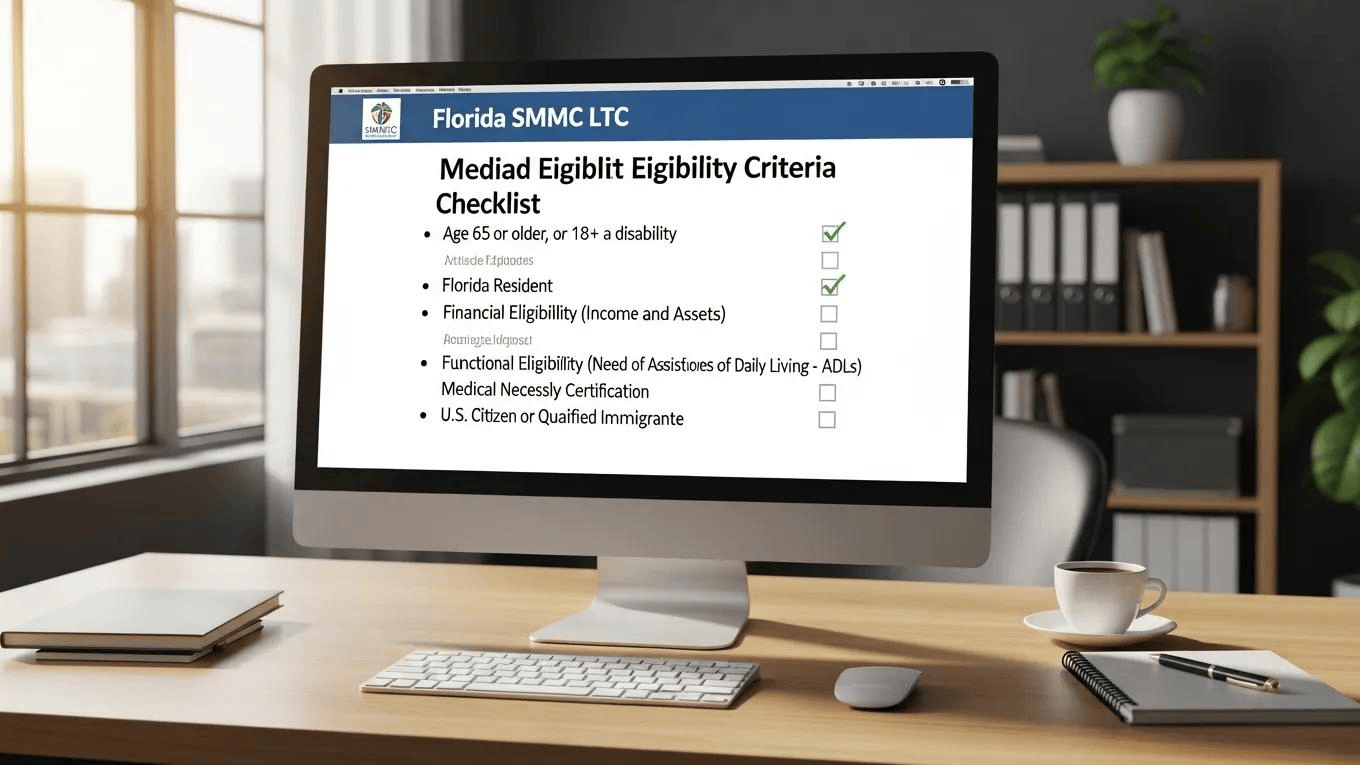
- Age Requirements: Applicants must be at least 65 years old or meet specific disability criteria as defined by the Social Security Administration and Florida Medicaid rules. Individuals under 65 may qualify if they have a qualifying disability or chronic condition.
- Income Limits: Monthly income must not exceed the established limits set by the state. For 2023, the limit is $2,742 for an individual, as published by the Florida Department of Elder Affairs and consistent with CMS guidelines.
- Asset Thresholds: Applicants must have assets below a certain value, excluding the primary residence (up to $636,000 equity limit) and some personal belongings. The asset limit for 2023 is typically $2,000 for individuals, per Florida Medicaid policy.
- Functional Eligibility: Applicants must demonstrate a need for assistance with activities of daily living (ADLs) such as bathing, dressing, eating, or mobility. This is assessed through a standardized functional assessment conducted by a Medicaid-approved assessor.
Who Qualifies for Florida SMMC Long-Term Care Benefits?
Miami-Dade Medicaid Long-Term Care Eligibility
Program expenditures as a percent of the total Medicaid budget reflect the high demand for long-term care services in Miami-Dade and Broward counties, which have a higher proportion of residents aged 65 and older who are Medicaid eligible. According to a 2011 study by KS Thomas, titled Predictors of low-care prevalence in Florida nursing homes: The role of Medicaid waiver programs, Miami-Dade and Broward counties have a significant share of Medicaid long-term care recipients aged 65+ years.
Predictors of low-care prevalence in Florida nursing homes: The role of Medicaid waiver programs, KS Thomas, 2011
What Documentation Is Required to Prove Eligibility?
- Proof of income (pay stubs, tax returns, Social Security statements)
- Asset verification (bank statements, property deeds, vehicle titles)
- Medical records that demonstrate the need for care, including physician assessments and hospital discharge summaries
- Proof of Florida residency (utility bills, lease agreements)
Application Procedures
How to Navigate the Medicaid Long-Term Care Application Process in Miami-Dade?
- Gather Documentation: Collect all necessary documents to prove eligibility, including income, assets, medical necessity, and residency.
- Complete the Application: Fill out the Medicaid application form accurately. Applications can be submitted online via the ACCESS Florida portal, by mail, or in person at a local DCF office.
- Submit the Application: Send the completed application and supporting documents to the appropriate agency. For Miami-Dade residents, applications are processed through the DCF Miami-Dade office or the designated Medicaid managed care plan.
- Schedule Functional Assessment: After initial application acceptance, a Medicaid-approved assessor will contact the applicant to schedule a functional eligibility assessment to determine care needs.
- Receive Eligibility Determination: The applicant will be notified of their eligibility status, typically within 30 to 90 days, depending on application completeness and agency workload.
- Enroll in a Managed Care Plan: Eligible applicants must select a Medicaid managed care plan that offers long-term care services, such as the SMMC LTC program.
What Are the Step-by-Step Procedures to Apply for Medicaid Home Health Services?
- Initial Assessment: Schedule an assessment with a Medicaid representative or managed care plan case manager to evaluate needs and explain program options.
- Documentation Submission: Provide all required documentation during the assessment, including medical records and financial information.
- Functional Eligibility Evaluation: Complete the standardized assessment to determine the level of care required.
- Care Plan Development: Work with the managed care plan to develop a personalized care plan based on assessed needs.
- Service Authorization: The managed care plan authorizes home health services according to the care plan.
- Follow Up: After submission, follow up with the agency or managed care plan to check the status of the application and service initiation.
How Long Does the Application Process Typically Take?
Available Resources
- Florida Department of Elder Affairs: Offers comprehensive information, counseling, and assistance for seniors applying for Medicaid and long-term care services. Their Elder Helpline (1-800-963-5337) provides personalized support.
- CARES Program: Provides comprehensive support for individuals seeking long-term care services, including care coordination and eligibility assistance, funded by the Florida Department of Elder Affairs.
- Alliance for Aging: A local nonprofit organization that helps connect applicants with resources and services, including Medicaid application assistance and advocacy.
- Florida Agency for Health Care Administration (AHCA): Oversees Medicaid managed care programs and provides official program rules, eligibility criteria, and application forms on their website.
Additional Information
How Does Florida SMMC LTC Support Seniors and Individuals with Disabilities?
What Services Are Covered Under Florida SMMC Medicaid Home Care?
- Personal Care Services: Assistance with daily living activities such as bathing, dressing, toileting, and meal preparation.
- Skilled Nursing Services: Medical care provided by licensed nurses, including medication administration and wound care.
- Therapy Services: Physical, occupational, and speech therapy as needed to maintain or improve functional abilities.
- Home Health Aide Services: Support with mobility, transfers, and other personal care tasks.
- Medical Equipment and Supplies: Provision of necessary durable medical equipment as authorized by the care plan.
How Does Ameri-Care Professional Service Facilitate Patient Referrals for Medicaid LTC?
What Is the Patient Referral Process at Ameri-Care Professional Service?
- Completion of Referral Form: Applicants or their representatives fill out a referral form detailing their needs and current health status.
- Submission and Confirmation: The form is submitted to Ameri-Care for processing, and confirmation is provided to the applicant.
- In-Home Assessment: A representative conducts an in-home assessment to evaluate care needs and coordinate with Medicaid managed care plans.
- Care Coordination: Ameri-Care assists in connecting applicants with appropriate home care providers and services authorized under the Medicaid SMMC LTC program.
How Can Applicants Contact Ameri-Care for Assistance with Medicaid LTC?
- Phone: 305.826.8800
- Email: [email protected]
- Website: ameri-carepro.com
HIPAA Compliance & Patient Privacy
What Are Common Questions About Florida Medicaid Long-Term Home Care in Miami-Dade?
- How to apply for Medicaid home care?: Follow the outlined application procedures, including gathering documentation, submitting the application via ACCESS Florida or DCF, and completing the functional assessment.
- What are the eligibility requirements?: Review the eligibility criteria discussed earlier, including age, income, assets, and functional need.
- What services are covered?: Understand the range of services provided under the program, including personal care, skilled nursing, and therapy services.
- How long does the process take?: Expect 30 to 90 days for processing, with possible delays if documentation is incomplete.
- Can I choose my home care provider?: Yes, once enrolled in a Medicaid managed care plan, applicants can select from approved providers within the plan?s network.
How Can I Find Miami Medicaid Home Care Providers Accepting SMMC LTC?
What Are the Benefits of Applying for Medicaid Home Care in Miami-Dade?
- Cost Savings: Medicaid can significantly reduce out-of-pocket expenses for long-term care, which can average over $7,500 per month for nursing home care in Florida, according to Genworth?s 2023 Cost of Care Survey.
- Access to Essential Services: Recipients gain access to necessary home health services that support health and well-being.
- Enhanced Independence: Home care allows individuals to maintain their independence while receiving support in a familiar environment.
- Reduced Hospitalizations: Studies show that home-based care can reduce hospital readmissions and improve health outcomes for seniors and individuals with disabilities.
References
- Florida Agency for Health Care Administration (AHCA)
- Centers for Medicare & Medicaid Services (CMS)
- Florida Department of Elder Affairs
- Florida Department of Children and Families (DCF) ACCESS Florida Portal
- Genworth Cost of Care Survey 2023
- Thomas, K.S. (2011). Predictors of low-care prevalence in Florida nursing homes: The role of Medicaid waiver programs.