305.826.8800 [email protected]
Seleccionar Página
In-home vs. clinic-based lymphedema treatment: A comparison for seniors

In-home vs. clinic-based lymphedema treatment: A comparison for seniors

Espa?ol: ?Prefiere leer esta gu?a en espa?ol? Lea la versi?n en espa?ol aqu?.

In-Home vs. Clinic-Based Lymphedema Treatment for Seniors: Comprehensive Comparison of Effectiveness, Costs, and Care Options

By Eduardo Lopez Prado, BS, PTA, CLT, Ameri-Care Professional Service, Inc.

Lymphedema is a chronic condition that significantly impacts the quality of life for many seniors, leading to swelling and discomfort in the extremities. This article explores two primary treatment modalities available: in-home lymphedema therapy and clinic-based treatment. Readers will learn about the benefits and drawbacks of each approach, which will help them make informed choices on the most suitable care options. By examining the effectiveness, costs, and patient satisfaction associated with these treatments, the article highlights how each one caters to the unique needs of seniors. Ultimately, understanding these options and their respective impacts can empower seniors and their families in managing lymphedema more effectively. Key sections include the primary benefits of in-home therapy, a comparison with clinic-based options, cost differences, patient eligibility, and an analysis of outcomes.

What Are the Primary Benefits of In-Home Lymphedema Therapy for Seniors?

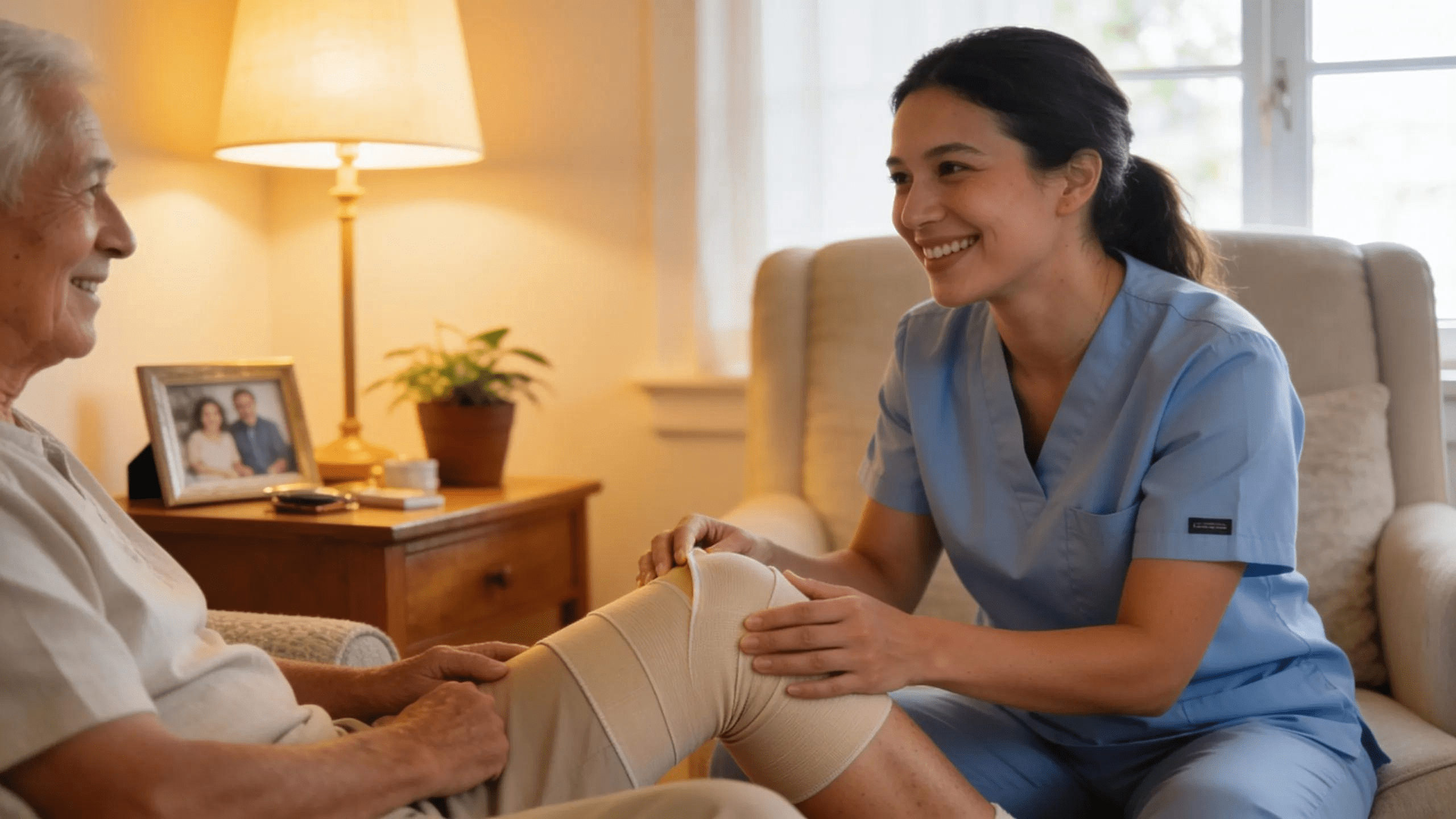
In-home lymphedema therapy offers several significant benefits, particularly tailored for seniors managing this chronic condition. This treatment modality enables healthcare providers to deliver personalized care within the patient's familiar environment, which can enhance treatment effectiveness and comfort. Key advantages include improved patient outcomes due to customized care plans, enhanced convenience, and potentially lower long-term costs compared to clinic visits.

Following this holistic care approach, Ameri-Care Professional Service Inc specializes in providing tailored in-home lymphedema therapy, ensuring seniors receive personalized attention to optimize their treatment outcomes.

How Does Personalized In-Home Care Enhance Therapy Outcomes?

Personalized in-home care empowers healthcare providers to develop tailored treatment plans that consider individual lifestyles and needs. This customization frequently leads to better results, as treatment plans can adapt to the patient's daily routines, preferences, and specific medical conditions.

Additionally, in-home treatment allows for ongoing assessments and adjustments, which are often more challenging in clinic settings. Such flexibility can significantly enhance therapy effectiveness as care becomes more aligned with patients' real-life challenges and circumstances.

What Safety and Convenience Advantages Does Home-Based Treatment Offer?

In-home lymphedema therapy offers critical safety and convenience benefits. By receiving treatment at home, seniors avoid the risks associated with clinic environments, such as exposure to infections or the physical strains of transportation.

Moreover, home treatments reduce stress for patients who may find traveling to healthcare facilities challenging. This convenience not only helps maintain treatment adherence but also promotes a more supportive and relaxed atmosphere conducive to healing.

How Do Clinic-Based Lymphedema Treatments Compare to Home Care for Seniors?

Clinic-based lymphedema treatments offer a structured environment with access to specialized equipment and professional supervision. However, they can present several limitations and potential risks that impact seniors' overall experience, including accessibility issues, longer wait times, and the impersonality of a clinical setting.

When considering efficacy, it's essential to note that many patients find clinic treatment to be less flexible compared to in-home options. Understanding the nuances of each approach empowers seniors to make informed decisions about their lymphedema management.

What Are the Limitations and Risks Associated with Clinic Treatments?

While clinic-based lymphedema treatments provide valuable resources, they come with inherent limitations. Accessibility can be a significant barrier for seniors with mobility issues, as traveling to appointments might not always be feasible. Additionally, extended wait times for consultations and treatments can lead to delays in care that negatively impact the condition's progression.

Moreover, the clinical setting may contribute to anxiety and discomfort for some patients, detracting from their overall treatment experience. Being aware of these potential downsides is crucial for seniors when considering their lymphedema management options.

Which Therapy Modalities Are Commonly Used in Clinic Settings?

Clinic-based treatments often incorporate various modalities aimed at reducing lymphedema symptoms. Common therapies include:

  • Compression Therapy: Utilizes specialized garments to help manage swelling.
  • Manual Lymphatic Drainage: A gentle massage technique to encourage lymphatic flow and fluid reduction.
  • Exercise Therapy: Customized exercises to enhance circulation and lymphatic drainage.

These modalities can be highly effective but may vary from patient to patient based on individual needs and conditions.

What Are the Cost Differences Between In-Home and Clinic Lymphedema Treatments?

Cost is a significant factor for seniors considering lymphedema treatments. When assessing options, it?s essential to evaluate both immediate and long-term financial impacts associated with in-home and clinic treatments.

In-home lymphedema therapy can often lead to lower overall costs by reducing travel expenses and avoiding clinic-based fees. Conversely, clinic treatments may seem less expensive per visit but can add up due to frequent appointments and ancillary costs.

How Does Insurance Coverage Impact Costs for Seniors?

Insurance coverage plays a vital role in determining out-of-pocket costs for lymphedema treatments. Medicare and many private insurance plans may cover certain in-home services, thereby reducing financial burdens for eligible seniors.

However, the extent of coverage varies widely, and seniors should thoroughly review their individual plans to understand what services are included, how much reimbursement they can expect, and the documentation required for claims.

What Are the Long-Term Financial Implications of Each Treatment Setting?

Long-term financial implications should also be considered when choosing between in-home and clinic-based lymphedema treatments. In-home therapy not only tends to be more convenient but can also yield cost savings over time as appointments are tailored to the patient's schedule and needs.

Additionally, by potentially avoiding complications and hospitalizations associated with unmanaged lymphedema, in-home care can provide substantial cost benefits. Seniors should weigh these factors when making treatment decisions.

Who Is Eligible for In-Home Lymphedema Treatment and What Safety Criteria Apply?

In-home lymphedema treatment eligibility typically requires a thorough clinical assessment. Certain clinical indications can determine a patient's suitability, such as the severity of lymphedema, overall health status, and ability to comprehend and follow treatment plans.

Understanding the eligibility criteria ensures that patients receive the appropriate level of care tailored to their conditions while meeting safety measures necessary for effective treatment.

What Clinical Indications Determine Patient Suitability?

Clinical indications for in-home lymphedema treatment often include:

  • Chronic Condition Considerations: Patients must have a diagnosis of lymphedema that necessitates ongoing treatment.
  • Mobility and Health Status Factors: Considerations of a patient's mobility and general health can dictate the appropriateness and safety of in-home care.

These indicators enable healthcare providers to create customized treatment pathways that align with each patient's circumstances.

How Do Referral Processes Facilitate Professional Collaboration?

Effective referral processes are essential for organizing comprehensive lymphedema care. Collaboration among healthcare providers, including primary care doctors, specialists, and home health agencies, ensures seamless communication and coordinated care strategies.

By engaging in a structured referral process, care providers can establish comprehensive treatment plans that address all aspects of a patient's health and well-being.

How Do Patient Outcomes and Satisfaction Compare Between In-Home and Clinic Care?

Examining patient outcomes and satisfaction is crucial in understanding the effectiveness of in-home versus clinic-based lymphedema treatments. Patients often report higher satisfaction levels with personalized care approaches, which can lead to better adherence to treatment plans.

Research indicates that seniors can experience improved health outcomes with the individualized attention offered by in-home therapy, ultimately enhancing their overall quality of life.

What Evidence Supports Effectiveness of In-Home Lymphedema Therapy?

Evidence suggests that in-home lymphedema therapy can effectively reduce symptoms and improve patient outcomes. Studies have demonstrated that patients receiving personalized care at home often experience increased mobility, reduced swelling, and heightened satisfaction with their treatment.

Moreover, ongoing assessment and care adjustments in the home setting ensure that interventions remain aligned with evolving patient needs.

How Do Patient Testimonials and Case Studies Illustrate Treatment Success?

Real-life patient experiences and testimonials can illustrate the significant impact of in-home lymphedema therapy. Many seniors have reported substantial improvements in their condition, alongside enhanced comfort and quality of life from receiving treatment in their familiar surroundings.

These success stories emphasize the value of personalized care and highlight the potential benefits of embracing in-home therapy options.

What Are the Key Factors for Selecting the Appropriate Lymphedema Therapy Option for Elderly Patients?

Selecting the right lymphedema therapy option for seniors requires careful consideration of multiple factors. Assessing clinical needs, personal preferences, and overall care goals are essential components of this decision-making process.

Additionally, weighing the pros and cons of in-home versus clinic settings can help families make informed choices that align with patients' unique circumstances.

How Should Care Providers Assess Suitability of Home Versus Clinic Treatment?

Care providers play an instrumental role in evaluating treatment suitability by employing comprehensive assessment methods. Factors include the patient?s medical history, lifestyle constraints, and social support systems that may significantly influence treatment outcomes.

By carefully analyzing these elements, healthcare professionals can recommend the most appropriate therapy option tailored to each patient's situation.

What Role Do Accredited Care Standards and Quality Measures Play in Decision Making?

Accredited care standards and quality measures are critical components in selecting a lymphedema therapy option. These benchmarks ensure that both in-home and clinic-based treatments maintain high-quality standards, protecting patient safety while optimizing care.

Understanding these measures empowers patients and families to make informed decisions, ultimately leading to better health outcomes and satisfaction levels throughout the treatment process.

References

Comprehensive guide to lymphedema management at home

Comprehensive guide to lymphedema management at home

Comprehensive Guide to Lymphedema Home Treatment and Self-Care Management

By Eduardo Lopez Prado, BS, PTA, CLT, Ameri-Care Professional Service, Inc.

Lymphedema is a chronic condition resulting from an impaired lymphatic system, causing swelling primarily in the extremities. This comprehensive guide provides essential home care tips and self-care strategies to effectively manage lymphedema, offering individuals practical solutions to improve their quality of life. Readers will learn how to address key aspects of lymphedema management, focusing on the significance of proper care practices and lifestyle adjustments. This guide addresses common challenges faced by lymphedema patients and suggests actionable steps for managing symptoms and enhancing well-being at home. Key topics include understanding lymphedema, effective home management strategies, safe exercises, infection prevention, and when to seek professional care.

What Is Lymphedema? Causes, Symptoms, and Risk Factors

Lymphedema is a condition characterized by the accumulation of lymphatic fluid in body tissues, leading to swelling. This occurs when the lymphatic system is compromised, either due to genetic factors, surgical interventions, or chronic medical conditions. Understanding lymphedema's causes helps in recognizing symptoms early, allowing for timely management and treatment. Key causes of lymphedema include surgeries that remove lymph nodes, radiation therapy, and infections. Individuals with certain medical histories, such as cancer patients or those with obesity, are at a higher risk for developing lymphedema—a condition that can significantly impact daily activities and self-esteem.

How Does Lymphedema Affect the Lymphatic System?

Lymphedema disrupts the normal function of the lymphatic system, which plays a crucial role in fluid balance and immune response. The lymphatic vessels can become blocked or damaged, preventing lymph fluid from draining efficiently. As a result, this leads to an increased pressure within the vessels, causing fluid to seep into surrounding tissues, thus resulting in swelling and discomfort. Understanding this impact is fundamental to developing effective management strategies aimed at alleviating symptoms and restoring lymphatic function.

Which Populations Are Most at Risk for Lymphedema?

Certain populations are more vulnerable to developing lymphedema due to various risk factors. These include individuals undergoing cancer treatments, especially those who have had lymph nodes removed or irradiated. Patients suffering from obesity may also face an increased likelihood of lymphedema due to added pressure on their lymphatic systems. Additionally, those with chronic venous insufficiency or a family history of lymphedema are at higher risk. Recognizing these populations can aid healthcare providers in implementing preventive measures and education to minimize the impact of lymphedema.

How Can Lymphedema Be Effectively Managed at Home?

Effective home management of lymphedema includes a combination of self-care strategies, lifestyle changes, and utilizing appropriate medical devices such as compression garments. Collaboration with healthcare providers is crucial to develop an individualized management plan. Patients are encouraged to closely monitor their symptoms and practice consistent self-management to maintain their quality of life. The integration of effective self-care techniques not only alleviates symptoms but also empowers patients to take control of their condition. For comprehensive support and resources, you can explore services offered through Ameri-Carepro, a provider offering tailored solutions for home healthcare needs.

What Are Recommended Compression Therapy Methods for Lymphedema?

Compression therapy is a cornerstone of lymphedema management, aimed at reducing swelling and improving fluid drainage. Recommended methods include:

  1. Compression Garments: These specialized stockings or sleeves provide graduated compression, promoting lymphatic flow.
  2. Compression Bandaging: Utilizing multi-layer bandages can effectively reduce limb volume and allow for better fluid management.
  3. Pneumatic Compression Devices: Requiring a prescription, these devices periodically inflate and deflate to stimulate lymphatic flow.

Each method has unique benefits and can be tailored based on individual needs, ensuring optimal support for lymphedema management.

How Should Skin Care and Elevation Be Integrated into Daily Management?

Proper skin care plays a vital role in preventing infections and maintaining skin integrity for lymphedema patients. Recommended strategies include:

  • Daily Inspection: Regularly check for skin changes, cuts, or infections.
  • Hydration: Use moisture-rich creams to keep the skin moisturized and prevent cracking.
  • Elevation Techniques: Elevating the affected limb can reduce swelling and enhance lymphatic drainage. Aim to elevate the limb above heart level whenever possible, especially during rest.

Integrating these practices into daily routines reinforces self-care and minimizes complications associated with lymphedema.

Which Exercises and Physical Activities Support Lymphedema Relief at Home?

Exercise is crucial for improving lymphatic flow and overall well-being in individuals with lymphedema. Regular physical activity helps to stimulate lymphatic drainage and maintain limb function. Nevertheless, care must be taken to choose appropriate activities that do not exacerbate swelling. By incorporating targeted exercises into daily routines, patients can promote lymphatic health and enhance their overall quality of life.

What Are Safe and Effective Lymphedema Exercise Protocols?

Safe exercise protocols for lymphedema focus on low-impact activities that enhance mobility without causing strain. Recommended options include:

  1. Walking: A simple and effective way to encourage lymphatic flow.
  2. Swimming: The buoyancy of water reduces pressure on joints and allows for easier movement.
  3. Strength Training: Light weights and resistance bands can enhance muscle tone and support lymphatic function.

It's essential to consult with a healthcare provider before starting any new exercise program to ensure safety and tailor activities to individual capabilities.

How Does Manual Lymphatic Drainage Complement Exercises?

Manual Lymphatic Drainage (MLD) is a specialized massage technique designed to stimulate lymphatic circulation, facilitating fluid movement in the body. Integrating MLD with an exercise program can significantly enhance the benefits of both approaches. By improving lymphatic drainage, MLD not only alleviates swelling but also prepares the body for physical activity, making exercises more effective. It is recommended to engage in sessions with a trained therapist for optimal results, especially when beginning a new exercise regimen.

What Infection Prevention Strategies and Warning Signs Must Home Patients Recognize?

For those living with lymphedema, the risk of infections increases due to compromised skin integrity and fluid accumulation. Preventive measures and awareness of warning signs are critical in maintaining health and mitigating complications. Patients should familiarize themselves with infection control protocols and strategies to maintain skin integrity to minimize risk.

How Can Skin Integrity Be Maintained to Prevent Infections?

Maintaining skin integrity involves proactive measures including:

  • Daily Moisturization: Prevents dryness and cracking.
  • Gentle Cleansing: Use mild soaps and warm water to clean the skin without causing irritation.
  • Proper Wound Care: Treat cuts or abrasions immediately with appropriate antiseptic applications to prevent infections.

By adopting these practices, lymphedema patients can significantly reduce the risk of infections and promote healthier skin.

What Symptoms Indicate the Need for Immediate Medical Attention?

Recognizing symptoms that require urgent medical evaluation is vital for lymphedema patients. Key warning signs include:

  1. Increased Redness or Swelling: Sudden changes could indicate infection.
  2. Fever: Coupled with other symptoms, a fever may signal an infection.
  3. Severe Pain: Intense or unexplained pain in the affected area warrants immediate attention.

Prompt recognition and response to these symptoms can lead to timely interventions and improve health outcomes.

When and How Should Professional Healthcare Services Be Engaged in Lymphedema Management?

Engaging with healthcare professionals is crucial for individuals managing lymphedema. Professionals can provide specialized care and support tailored to the individual's needs, enhancing the effectiveness of self-care strategies. Understanding when to seek professional help can greatly impact the management of the condition. Accessing appropriate professional services can be facilitated through proper channels, such as those outlined by Ameri-Carepro for patient referrals.

What Role Does Skilled Nursing Care Play in Home Lymphedema Treatment?

Skilled nursing care plays a fundamental role in lymphedema management. Nurses can provide services such as:

  • Education on Self-Care: Instructing patients on effective management strategies and techniques.
  • Assessment and Monitoring: Keeping track of the condition and identifying potential complications.
  • Assistance with Compression Therapy: Ensuring proper application of compression garments or bandaging techniques.

Access to skilled nursing can enhance the management of lymphedema and support patients in their self-care journeys.

How Does Patient Referral and Insurance Reimbursement Impact Access to Care?

The process of patient referral and insurance reimbursement significantly affects access to necessary lymphedema care. Understanding these elements can empower patients:

  1. Navigating Referrals: Ensuring proper evaluations by specialists can facilitate timely interventions.
  2. Insurance Coverage: Familiarizing oneself with insurance policies regarding lymphedema treatments can help manage costs and maximize available resources.

Proactive engagement with healthcare providers can ensure that patients receive the comprehensive care required to manage lymphedema effectively.

Balancing Pediatric and Senior Care at Home: A Guide for Miami’s Sandwich Generation

Balancing Pediatric and Senior Care at Home: A Guide for Miami’s Sandwich Generation

Balancing Pediatric and Senior Care at Home in Miami: Comprehensive Guidance for the Sandwich Generation

By Eduardo Lopez Prado, BS, PTA, CLT, Ameri-Care Professional Service, Inc.

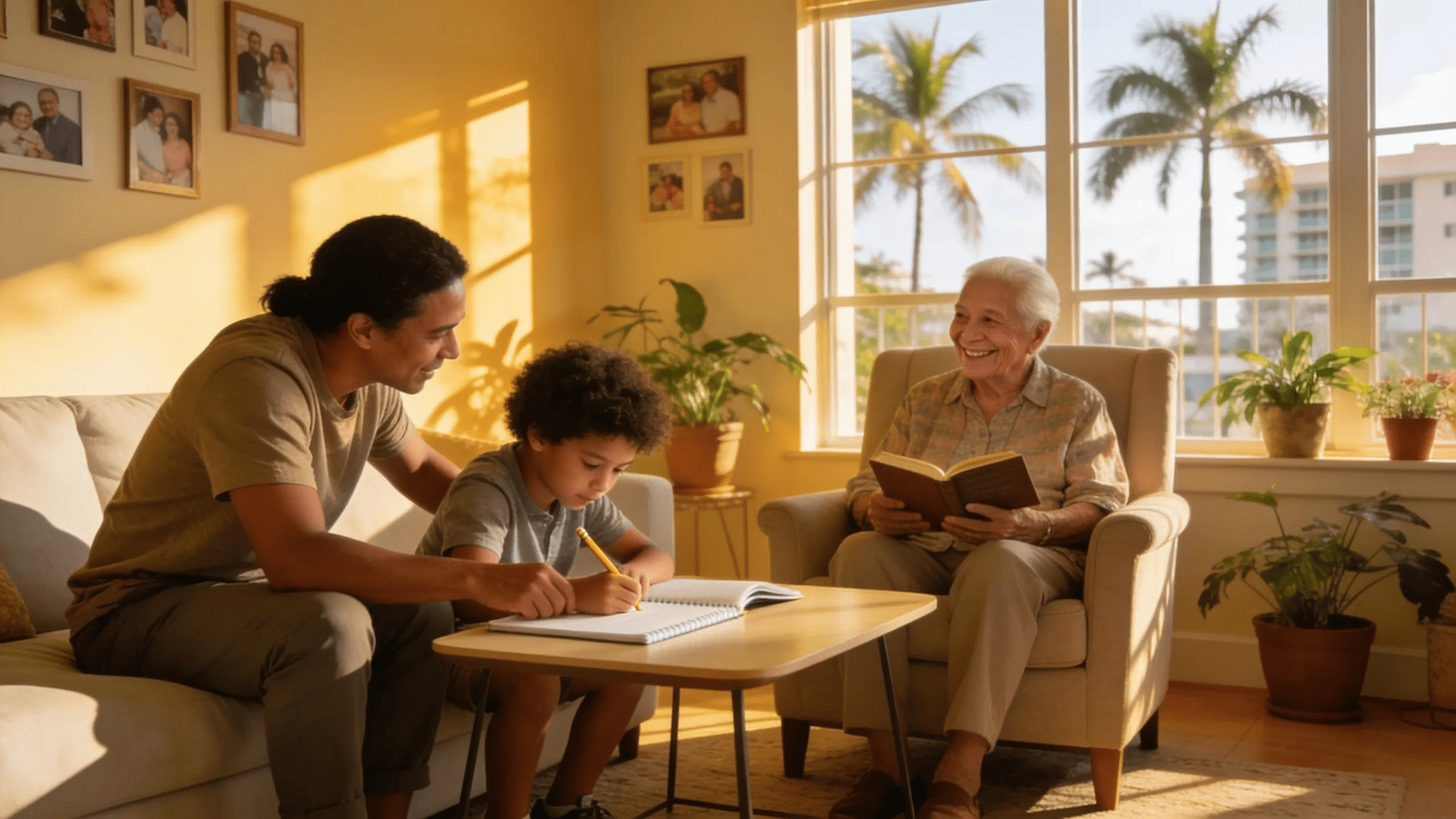
Managing the delicate balance of caring for both children and elderly family members can be a significant challenge for the "sandwich generation" in Miami. This demographic, typically comprising individuals between 35 and 55 years old, often finds themselves juggling responsibilities for both their aging parents and their children. As the workforce becomes more demanding, caregivers must be equipped with effective strategies, resources, and support systems. This article provides a comprehensive guide to help the sandwich generation manage pediatric and senior care effectively at home. By understanding time management strategies, available resources, and best practices, caregivers can foster a more harmonious home environment. Additionally, we will discuss the core challenges that arise within caregiving dynamics and ways to address them to promote family well-being.

Time Management Strategies

Effective time management is crucial for caregivers navigating the complexities of multigenerational care. Prioritizing tasks is the first step in ensuring that both children’s and seniors’ needs are met. Caregivers should create a daily schedule that allocates specific times for activities, appointments, and self-care. Setting boundaries is equally important, encouraging family members to understand and respect each other’s time.

Delegating responsibilities can also alleviate some of the pressures associated with caregiving. Involving children in chores and activities with seniors not only builds connections but allows caregivers to manage their time more effectively. By establishing clear routines and promoting family teamwork, caregivers can foster a supportive atmosphere that meets everyone's needs.

Available Resources for Care

In Miami, numerous resources are available to support those in the sandwich generation. These include respite care services that offer temporary relief for caregivers, allowing them to take personal time without compromising the care of their loved ones. Community resources such as local support groups, educational workshops, and online forums provide valuable emotional support and practical advice for navigating the challenges of caregiving.

Many local organizations offer educational workshops designed specifically for caregivers, enhancing their understanding of pediatric and senior care needs. This learning opportunity can empower caregivers with the knowledge required to make informed decisions regarding their loved ones' welfare.

Best Practices to Support Both Age Groups

Effective multigenerational caregiving relies on several best practices that can enhance the quality of life for both seniors and children. A holistic care approach prioritizes the mental, emotional, and physical well-being of all family members. Family involvement in caregiving planning creates an empowering environment where everyone feels valued and included.

Open communication is essential for fostering relationships among family members, allowing caregivers to understand better and address the unique needs of both children and seniors. Family meetings can serve as a platform to discuss responsibilities, expectations, and emotional challenges, reinforcing teamwork in caregiving.

How families manage these dynamics can significantly affect the overall environment and individual well-being. Moreover, coordinating care effectively ensures that each family member feels respected and supported in their unique role.

What Are the Core Challenges of Multigenerational Caregiving in Miami?

Managing care for multiple generations can introduce several challenges for families in Miami. Time management struggles often arise when caregivers attempt to balance work and personal lives while ensuring the well-being of their loved ones. Emotional stress can also be a significant burden, especially when caregivers face unresolved conflicts related to familial responsibilities.

Resource allocation issues further complicate caregiving dynamics. Identifying adequate support and services that address both pediatric and senior care can be overwhelming. Thus, understanding and navigating these challenges is critical for effective caregiving within the sandwich generation.

How Does the Sandwich Generation Manage Dual Care Responsibilities?

The sandwich generation employs various strategies to manage the complexities of providing care for both seniors and children. Multilingual care coordination can enhance communication among family members and external providers, ensuring that everyone is on the same page regarding care plans and needs.

Transportation barriers often pose a significant challenge, especially for seniors with mobility issues. Utilizing community resources, such as shuttle services, can facilitate transportation for medical appointments, providing relief for caregivers from logistical concerns. Medication management is another critical responsibility that many sandwich generation caregivers handle, requiring them to stay organized and informed about medication schedules and dosages.

What Demographic Trends Drive Pediatric and Senior Care Needs in Miami?

In recent years, demographic trends in Miami have increasingly influenced the demand for pediatric and senior care. A rising elderly population necessitates more comprehensive healthcare and support services tailored for seniors. At the same time, increasing birth rates contribute to growing demands for pediatric care resources.

These demographic shifts create a unique landscape for the sandwich generation in Miami, necessitating an understanding of how to adapt caregiving strategies to meet evolving family needs.

What In-Home Pediatric Nursing Services Are Available in Miami?

Families seeking in-home pediatric nursing services in Miami have access to various options tailored to their children's unique health requirements. Skilled pediatric nurses provide personalized care that addresses individual medical needs, while home health aides support daily living activities.

Pediatric therapy providers, including physical and occupational therapists, offer specialized services to help children achieve developmental milestones. These integrated services collectively ensure ample support for families navigating pediatric care at home.

Which Pediatric Nursing Care Roles Support At-Home Families?

Pediatric nursing encompasses multiple roles that directly support at-home families. Skilled pediatric nurses are responsible for administering medications, monitoring health, and educating families about care plans. They play a critical function in maintaining child health and wellness, fostering familial confidence in caregiving.

In addition to nurses, home health aides assist with daily living tasks, providing essential support while caregivers manage their responsibilities. This teamwork creates an effective support network benefiting both children and their families, enhancing overall at-home care.

How Does Ameri-Care Ensure Quality Pediatric Care Coordination?

Ameri-Care Professional Service, Inc. employs systematic processes to ensure quality pediatric care coordination. Their trained staff collaborates with families to develop individual care plans tailored to specific needs. The company emphasizes ongoing staff training to keep caregivers informed about best practices and emerging healthcare trends.

By fostering a proactive approach to medical care, Ameri-Care ensures coordination that improves health outcomes for children while relieving burden from family caregivers. Their commitment to integrating resources contributes significantly to the overall support for at-home families. Ameri-Care Professional Service, Inc. ensures quality pediatric care coordination.

How Is Senior Care Effectively Coordinated Within Multigenerational Homes in Miami?

Coordinating senior care within multigenerational homes involves utilizing various strategies tailored to the unique dynamics of Miami families. Community resources such as local senior centers and caregiver support groups can provide valuable guidance on best practices for managing elderly care.

Home health aides support seniors by addressing personal care needs, medication management, and companionship. This enhances seniors’ quality of life while enabling their families to navigate caregiving responsibilities more smoothly. Understanding these coordination strategies can lead to better support systems for all family members.

What Home Health Aide Services Support Elderly Patients in Miami?

Home health aide services in Miami offer essential support for elderly patients, significantly impacting their quality of life. Personal care assistance encompasses activities like bathing, dressing, and grooming, ensuring that seniors maintain dignity and well-being at home.

Medication management provided by home health aides is crucial for seniors, promoting adherence to prescribed regimens. Cognitive stimulation activities can further enhance mental well-being, preventing cognitive decline as they age.

How Do Care Coordination Strategies Reduce Family Caregiver Burden?

Effective care coordination strategies can significantly alleviate the burden faced by family caregivers. Implementing the role of a nurse navigator is one method that can streamline communication and enhance overall care plans. This role ensures that caregivers have access to appropriate resources and services, minimizing confusion and maximizing efficiency.

Comprehensive care plans that incorporate input from all family members create transparency and foster a sense of teamwork in addressing care needs. By recognizing the importance of teamwork and planning, families can reduce stress and increase the overall effectiveness of caregiving.

How to Navigate Patient Referrals for Combined Pediatric and Senior Home Care?

Navigating patient referrals for combined pediatric and senior home care requires a thorough understanding of necessary procedures. Families must ensure to gather all necessary forms and documentation when seeking services, maintaining compliance with healthcare standards.

Direct communication with care providers about needs and expectations can enhance the referral process, ensuring all aspects of care are addressed. Understanding the logistics behind referrals facilitates smoother transitions as both children and seniors receive ongoing support.

What Resources Support Sandwich Generation Caregivers Managing Pediatric and Senior Care?

Numerous local services in Miami are designed to support sandwich generation caregivers in managing both pediatric and senior care. Organizations provide educational workshops focusing on caregiver skills, allowing individuals to enhance their caregiving capabilities.

Financial assistance options are also available, helping caregivers access necessary resources without incurring overwhelming expenses. By actively pursuing these resources, caregivers can create a supportive infrastructure that allows them to thrive amidst their responsibilities.

Which Stress Management Techniques Alleviate Multigenerational Caregiver Burden?

Recognizing the emotional toll of caregiving, stress management techniques play a vital role in maintaining caregiver well-being. Setting realistic goals for daily responsibilities can prevent burnout and create a sense of accomplishment.

Taking breaks from caregiving duties is essential, allowing caregivers time to recharge physically and emotionally. Engaging in self-care practices such as exercise, hobbies, or relaxation techniques further alleviates stress for caregivers managing multiple roles within the household.

What Local Miami Support Services and Community Resources Are Available?

Local Miami support services and community resources are invaluable for caregivers in the sandwich generation. The Aging and Disability Resource Center provides a comprehensive database of services tailored to seniors, while the Alliance for Aging connects caregivers to helpful resources across Miami.

Establishing connections with these organizations can provide essential support for navigating both pediatric and senior care responsibilities, enabling families to understand their options as they care for loved ones.

How Does Integrating Pediatric and Senior Care Improve Outcomes for Miami Families?

Integrating pediatric and senior care within families fosters better health outcomes for all members. This holistic approach ensures that caregivers are aware of the interconnectedness between the needs of children and seniors, emphasizing collaboration and teamwork in caregiving.

Creating a family support system facilitates communication among family members, encouraging cooperation in managing the diverse needs of different age groups. This integration cultivates an atmosphere of understanding and empathy, enhancing overall family dynamics.

What Are the Measurable Benefits of Coordinated Multigenerational Home Care?

Coordinated multigenerational home care yields measurable benefits for families in Miami. Reduced caregiver stress often results from established routines and shared responsibilities. Clear communication regarding care needs promotes better health monitoring, enhancing the well-being of both children and seniors.

The positive impact of familial support in managing caregiving responsibilities leads to improved emotional health for both caregivers and their loved ones. Thus, recognizing and implementing coordinated care strategies can significantly enhance the caregiving experience.

How Can Families Optimize Care Plans Using Professional Assistance?

Families can optimize care plans by utilizing professional assistance that analyzes their specific needs and goals. Assessment and planning by healthcare professionals ensure that each family member receives tailored support that promotes holistic well-being.

Utilizing local resources enhances care coordination, ensuring communities effectively address both pediatric and senior care needs. Engaging professionals fosters a comprehensive support system that empowers families in Miami to manage their responsibilities with greater ease and confidence.

Navigating patient referrals for combined pediatric and senior home care requires a thorough understanding of necessary procedures. Families must ensure to gather all necessary forms and documentation when seeking services, maintaining compliance with healthcare standards. Understanding these processes is key, and for specific guidance on how to initiate this, one can explore how to navigate patient referrals.

Companion Care for Seniors in Miami: Combating Isolation & Loneliness

Companion Care for Seniors in Miami: Combating Isolation & Loneliness

Companion Care for Seniors in Miami: Effective Strategies to Combat Isolation and Loneliness with In-Home Senior Care Services

By Eduardo Lopez Prado, BS, PTA, CLT, Ameri-Care Professional Service, Inc.

Loneliness and isolation are significant issues affecting seniors in Miami, leading to various mental and physical health challenges. As the population ages, the need for compassionate companionship and support has become increasingly vital. This article explores effective strategies for combating these issues through companion care services, emphasizing the value of in-home support. Readers will learn how companion care addresses the unique needs of seniors, offering companionship and assistance in daily activities, significantly enhancing their quality of life. We will delve into the definition of companion care, its benefits, and how it integrates with other healthcare services in Miami to promote well-being. In particular, we will examine the roles of professional caregivers, the patient referral process with Ameri-Care Professional Service, cost considerations, and available resources for enhancing social interaction among seniors.

What Is Companion Care and How Does It Address Senior Isolation in Miami?

Companion care is a specialized service designed to provide companionship and assistance to seniors, helping to alleviate feelings of loneliness and isolation. It involves trained caregivers spending quality time with elderly individuals, engaging in various activities that promote social interaction and mental stimulation. By creating a supportive environment, companion care encourages seniors to maintain their independence while addressing emotional and physical needs. Such services can include everything from shared hobbies and conversation to assistance with daily tasks, which can significantly improve a senior's emotional health and overall happiness.

Defining Elderly Companionship Services and In-Home Care in Miami

Elderly companionship services in Miami encompass a range of in-home care options tailored to meet the diverse needs of seniors. These services include:

  • Personalized Companionship: Caregivers engage seniors in activities they enjoy, fostering meaningful relationships.
  • Assistance with Daily Activities: Support with tasks such as meal preparation, light housekeeping, and errands enables seniors to live more independently.
  • Transportation Services: Providing transportation to appointments and social events ensures that seniors remain active and connected to their community.

The combination of these services creates comprehensive in-home care that adapts to each individual's lifestyle and preferences, ultimately enhancing their quality of life.

How Does Companion Care Reduce Loneliness Among Seniors?

Companion care directly addresses loneliness among seniors through various engagement strategies. Caregivers play a critical role in facilitating social activities, which may include:

  • Encouraging social outings: Taking seniors out for walks, shopping, or social events helps them maintain connections.
  • In-home activities: Doing puzzles, playing games, or sharing stories helps stimulate cognitive functions and fosters companionship.
  • Transportation assistance: Enabling mobility ensures seniors can access essential services and participate in community events.

By actively participating in the lives of seniors, caregivers significantly reduce feelings of isolation, promoting both emotional well-being and mental health.

What Are the Mental and Physical Health Benefits of Companion Care for Seniors?

The mental and physical health benefits of companion care for seniors are profound. Research indicates that engaged seniors experience lower levels of depression and anxiety, leading to improved overall mental health. Furthermore, companion care can provide:

  • Improved Cognitive Function: Regular social interaction and mental stimulation help maintain cognitive abilities.
  • Enhanced Physical Health: Engaging in light physical activities and outings encourages an active lifestyle, which is crucial for maintaining mobility and health.
  • Increased Happiness: Companionship fosters a sense of belonging and purpose, driving up overall satisfaction with life.

These benefits underscore the importance of companion care in promoting comprehensive wellness for seniors.

Impact of Dementia-Sensitive Companionship on Cognitive Support

Dementia-sensitive companionship is a facet of companion care that specifically addresses the needs of seniors experiencing cognitive decline. Caregivers trained in this area focus on:

  • Nurturing Cognitive Engagement: Activities are tailored to stimulate memory and other cognitive functions.
  • Implementing Supportive Communication Techniques: Using clear and engaging language helps maintain connections with seniors facing memory challenges.
  • Fostering a Calm Environment: Establishing a comfortable atmosphere reduces stress and enhances the overall experience.

Through tailored companionship, seniors with dementia can experience emotional support that contributes to cognitive stability.

How Companion Care Enhances Aging in Place and Physical Well-Being

Companion care significantly enhances the ability of seniors to age in place, promoting physical well-being by providing various support levels. Caregivers assist with essential daily living tasks, including:

  • Household Management: Providing light housekeeping, meal preparation, and laundry services ensures seniors maintain a clean and efficient living environment.
  • Personal Care Assistance: Support with personal hygiene and grooming enhances dignity and comfort.
  • Health Monitoring: Caregivers can help track health changes and ensure seniors adhere to medications and appointments.

This comprehensive approach allows seniors to maintain their independence in familiar surroundings while receiving the support they need.

Which Licensed In-Home Healthcare Professionals Provide Companion Care in Miami?

In Miami, the professionals providing companion care services include various licensed in-home healthcare workers. These may include:

  • Registered Nurses (RNs): Offering medical care and health assessments while supporting daily activities.
  • Licensed Practical Nurses (LPNs): Assisting with basic medical needs and personal care tasks.
  • Home Health Aides (HHAs): Focusing on companionship and daily living support without performing medical procedures.

This diverse team ensures that seniors receive holistic care tailored to their specific needs and preferences.

Qualifications and Roles of Home Health Aides and Caregivers in Miami

Home health aides and caregivers in Miami must meet certain qualifications to provide effective care. Key requirements include:

  • Certification: Many are certified through state-regulated training programs that cover essential caregiving skills and knowledge.
  • Background Checks: Ensuring the safety and well-being of clients requires thorough background checks for all caregivers.
  • Training in Dementia Care: Specialized training equips caregivers to handle the unique challenges presented by seniors with cognitive impairments.

These qualifications ensure a high standard of care and enhance the quality of life for seniors receiving companion support.

Why Choose Licensed Healthcare Providers for Senior Companion Care?

Choosing licensed healthcare providers for senior companion care is paramount in ensuring high-quality services. Benefits include:

  • Quality Assurance: Licensed providers adhere to state regulations that guarantee a minimum standard of care.
  • Experience and Training: Caregivers from licensed agencies receive extensive training that equips them to handle various needs.
  • Regulatory Oversight: Continuous monitoring by regulatory agencies ensures compliance with safety and quality standards.

By selecting licensed providers, families can have peace of mind knowing that their loved ones are receiving skilled and compassionate care.

How Does the Patient Referral Process Work for Companion Care at Ameri-Care Professional Service?

Ameri-Care Professional Service offers a streamlined patient referral process that simplifies access to companion care. This process typically involves the following steps:

  1. Initial Consultation: A thorough assessment of the senior's needs and preferences is conducted to identify suitable care options.
  2. Care Plan Development: Collaborating with families, a personalized care plan is created to address specific needs and goals.
  3. Ongoing Monitoring: Regular check-ins and updates ensure that the developed care plan remains effective and adapts as necessary.

This structured process enhances the chances of matching seniors with the right caregivers and support services. Explore the details of the patient referral process to understand how seamless and supportive it is.

Step-by-Step Overview of the Patient Referral System in Miami

The referral system at Ameri-Care includes several key components to facilitate access to care:

  • Detailed Assessment Forms: Families provide comprehensive information about their loved one’s health status and social preferences.
  • Eligibility Evaluation: The team evaluates the suitability of services based on the senior’s unique circumstances.
  • In-Home Assessment: An in-home visit allows caregivers to understand the living situation and establish rapport with the client.

These steps ensure that seniors receive appropriate and effective support tailored to their needs.

What Are the Advantages of Using Ameri-Care’s Referral Process for Seniors?

Utilizing Ameri-Care’s referral process offers numerous advantages for families seeking companion care:

  • Personalized Care Solutions: The tailored approach ensures that care meets individual requirements and preferences.
  • Simplified Access to Care: The structured referral system minimizes administrative burdens for families.
  • Community Connections: Ameri-Care helps connect seniors with local resources and community activities that further enhance social interaction and engagement.

These benefits illustrate the value of using a dedicated referral service for senior companion care.

What Are the Costs, Insurance Options, and Financial Considerations for Companion Care in Miami?

Understanding the costs associated with companion care and available insurance options is essential for families. Factors affecting the cost of in-home senior care include:

  • Service Type: The complexity and intensity of care influence pricing, with specialized services often costing more.
  • Duration of Services: Longer caregiving engagements may offer reduced hourly rates for ongoing care.
  • Location and Availability: Pricing may also vary based on geographic factors and market demand.

Families should discuss potential costs and options with providers to navigate these financial considerations effectively.

Cost Factors and Pricing Models for In-Home Senior Care Services

Several important cost factors affect pricing models for in-home senior care services, such as:

  1. Hourly Rates: Most agencies operate on an hourly rate for caregivers, which can range widely based on services offered.
  2. Flat Fee Services: Some agencies might provide specific services for a flat fee, making budgeting straightforward.
  3. Payment Plans: Flexible payment options, including monthly plans or sliding scales based on income, may be available for qualifying seniors.

These options provide families with diverse plans to consider based on their financial situation.

Which Insurance Plans and Assistance Programs Support Companion Care Expenses?

Multiple insurance plans and assistance programs are designed to support companion care expenses. Key options include:

  • Medicaid: This government program often covers various in-home services for eligible seniors.
  • Medicare: Limited home health services may be covered under Medicare for specific medical needs.
  • Long-term Care Insurance: Many private insurance policies offer coverage for companion care, allowing families to access necessary resources.

Researching and understanding these options is crucial for families grappling with funding choices for senior care.

Where Can Families and Caregivers Access Resources and Support for Senior Social Interaction in Miami?

Families and caregivers can find several valuable resources and support systems to enhance senior social interactions, including:

  • Local Community Centers: These often provide activities, classes, and social events tailored to seniors' interests.
  • Senior Advocacy Organizations: Many organizations offer guidance and resources for families navigating elder care options.
  • Online Forums and Support Groups: Digital platforms can connect families with similar experiences, providing emotional support and practical tips.

Accessing these resources can significantly contribute to improving the social dynamics and engagement levels of seniors in the community.

Family and Caregiver Guides to Enhancing Elder Social Engagement

Families looking to enhance elder social engagement can utilize several practical strategies:

  • Encouraging Hobbies: Helping seniors pursue hobbies they enjoy can stimulate interaction and joy.
  • Setting Up Regular Social Gatherings: Family events or gatherings with friends can alleviate feelings of loneliness.
  • Community Involvement: Participating in programs or volunteering can create a sense of purpose while connecting with others.

Implementing these strategies fosters an environment of support, leading to more engaged and happier seniors.

Testimonials and Case Studies Demonstrating Companion Care Effectiveness

Numerous testimonials and case studies illustrate the effectiveness of companion care in improving seniors' quality of life. Families often report positive experiences, such as:

  • Improved Mood and Well-Being: Many seniors experience enhanced mental health after regular interactions with caregivers.
  • Increased Independence: Through companion assistance, seniors are able to engage in activities they enjoy while maintaining their independence.
  • Stronger Family Connections: The presence of a caregiver often eases the burden on family members, allowing them to focus on quality time without worrying about caregiving tasks.

These real-world examples showcase the profound impact companion care can have on seniors and their families.

The Future of AI in Home Health Care

The Future of AI in Home Health Care

The Future of AI in Home Health Care: Advancing Patient-Centered Technology Solutions with HIPAA Compliance

By Eduardo Lopez Prado, BS, PTA, CLT, Ameri-Care Professional Service, Inc

The integration of artificial intelligence (AI) into home health care is fundamentally transforming patient care delivery by enhancing accessibility, personalization, and operational efficiency at an unprecedented scale. According to recent industry reports, the global AI in healthcare market is projected to reach USD 45.2 billion by 2026, with home health applications constituting a significant and rapidly growing segment. The aging population and increased prevalence of chronic diseases have driven demand for innovative solutions that deliver high-quality care efficiently while reducing costs. AI-powered technologies are emerging as crucial enablers to meet these needs by automating clinical workflows, advancing remote patient monitoring, and delivering predictive insights to clinicians. Amid this transformation, strict adherence to federal healthcare regulations such as the Health Insurance Portability and Accountability Act (HIPAA) remains a cornerstone to ensure patient privacy and trust. Compliance with guidelines issued by authoritative bodies like the Centers for Medicare & Medicaid Services (CMS), HHS Office for Civil Rights (OCR), and the American Health Information Management Association (AHIMA) guarantees that AI integration aligns with ethical and legal frameworks. This article delves deeply into the evolving clinical and technical facets of AI in home health care, examining the benefits, challenges, compliance mandates, and future directions underpinning this critical advancement.

AI in Home Health Care

AI in home health care encompasses a broad spectrum of technologies designed to enhance clinical decision-making, patient engagement, and administrative efficiency. These systems utilize data analytics, machine learning algorithms, and natural language processing to transform raw clinical data into actionable insights, facilitating personalized treatment and early intervention. Telehealth services augmented by AI enable real-time remote monitoring, allowing clinicians to track vital signs and health indicators securely from patient homes. For instance, AI-powered remote patient monitoring systems use biosensors and wearable devices that transmit encrypted data over HIPAA-compliant networks, ensuring confidentiality and integrity. Additionally, natural language processing (NLP) applications streamline clinical documentation processes by intelligently extracting relevant data from electronic health records (EHRs), reducing clinician burden while maintaining documentation accuracy and compliance. AI algorithms also contribute to predictive analytics by identifying patients at risk for falls or hospital readmissions, enabling proactive care plans tailored to individual profiles. These innovations must be implemented within frameworks that rigorously adhere to CMS quality standards, OCR enforcement policies, and established audit requirements.

Future of Home Health Technology

The future of home health technology is poised for revolutionary growth centered around intelligent automation and integrated digital ecosystems. Robotic assistance devices, equipped with smart sensors and AI-based adaptive learning, are increasingly incorporated into smart home environments to support activities of daily living and safety monitoring for elderly and disabled individuals. These robotic health assistants operate under embedded security protocols compliant with HIPAA and FDA guidance on AI/ML-based medical devices, which include mandatory patient consent procedures, audit trails, and continuous performance monitoring. Enhanced telehealth platforms utilizing AI provide richer, context-aware virtual consultations augmented by decision support tools that aid clinicians in evidence-based care delivery. Machine learning models will continue to evolve, enabling even more precise personalization of care plans by assimilating multi-dimensional datasets—from genomics to social determinants of health—while maintaining all patient data within HIPAA-compliant, encrypted repositories. Regulatory bodies like CMS are expected to refine reimbursement models incentivizing AI-enabled care innovations that improve outcomes while safeguarding patient rights and data privacy. The convergence of AI with Internet of Medical Things (IoMT) and blockchain technologies promises a secure, transparent infrastructure for data sharing and care coordination in home health settings.

Artificial Intelligence Caregiving

Artificial intelligence caregiving refers to the application of AI technologies specifically designed to support caregiving tasks and enhance patient safety and well-being. In home health, AI caregiving systems integrate machine learning, robotics, and intelligent software agents to deliver continuous monitoring, emergency response, and personalized interaction. AI-powered predictive analytics are utilized to identify early signs of clinical deterioration through continuous analysis of biosignals and environmental data, facilitating timely intervention to prevent adverse events such as falls or medication errors. Natural language processing enables caregivers to document patient encounters quickly and accurately, freeing time for direct patient engagement. Furthermore, virtual caregiving assistants enhance communication between patients and clinicians, supporting medication adherence, appointment reminders, and patient education, all managed through platforms secured by HIPAA-aligned encryption and regulated access controls. Ethical considerations, including mitigation of algorithmic bias and maintaining patient autonomy, are rigorously evaluated throughout the development and deployment of AI caregiving applications to ensure equitable, just care delivery.

Artificial Intelligence Home Care

Artificial intelligence home care integrates advanced AI tools into the continuum of services provided to patients within their residences. This integration encompasses AI-driven remote patient monitoring systems that employ wearable devices and ambient sensors to track real-time health metrics, facilitating continuous risk assessment under HIPAA-compliant data governance frameworks. Machine learning algorithms analyze collected data to dynamically adjust individualized care plans, optimizing therapy regimens in response to evolving patient conditions while maintaining audit-ready records as mandated by CMS and OCR. Robotics, including automated medication dispensers and mobility aids, offer hands-free assistance while leveraging secure communications complying with federal privacy standards. Enhanced telehealth platforms incorporate AI decision support to streamline triage and referral processes, improving care coordination across multidisciplinary teams through encrypted communication channels and stringent Business Associate Agreements (BAAs) with technology providers. These sophisticated systems require comprehensive staff training focusing on proper AI system operation, privacy safeguards, and adherence to state licensure laws governing home healthcare technology utilization.

Future of Home Health Care

The future of home health care is intrinsically linked with the maturation of AI technologies that enable scalable, patient-centric, and compliant care models. Innovations such as AI-enhanced telehealth, predictive analytics, and natural language processing are anticipated to deliver more precise diagnostics, early risk detection, and personalized interventions. Combined with robotic assistants and smart home integrations, these technologies will reduce hospital admissions and improve quality-of-life outcomes for seniors and individuals with disabilities. Crucially, this evolution will be underscored by robust compliance with HIPAA regulations requiring stringent data encryption standards such as Advanced Encryption Standard (AES) 256-bit protocols, formal patient consent management frameworks, and continuous monitoring through audit logs to ensure transparency and accountability. CMS policy adaptations will support payment models that incentivize value-based AI implementations, while ongoing OCR oversight will ensure enforcement of privacy rules in the face of emerging AI capabilities. The healthcare workforce will increasingly partner with intelligent machines, enhancing clinical workflows without compromising ethical standards or patient confidentiality.

Future of Home Healthcare Technology

The future of home healthcare technology promises a confluence of AI innovations transforming care provision into a seamlessly connected, intelligent ecosystem. Emerging technologies include AI-powered natural language generation tools for real-time clinical documentation, reducing errors and enhancing compliance with regulatory standards. Wearable health monitors employing multisensor arrays deliver continuous physiologic data streams secured through HIPAA-compliant cloud infrastructures, enabling timely interventions. Predictive analytics models predict clinical events such as falls or exacerbations of chronic conditions by analyzing longitudinal patient data alongside environmental factors to mitigate risk proactively. Robotics integrated with smart home systems provide automated assistance for mobility, medication management, and emergency detection, incorporating fail-safe encryption and multi-factor authentication mechanisms consistent with federal cybersecurity requirements. Furthermore, AI-driven virtual nursing assistants facilitate 24/7 patient engagement and triage, operating under strict adherence to CMS telehealth reimbursement policies and state licensure directives. The convergence of semantic SEO and structured data standards in digital health platforms further enhances accessibility and transparency for patients and providers, fostering robust public trust and regulatory compliance.

Deep Clinical and Technical Insights

AI-Powered Remote Patient Monitoring Systems

Remote Patient Monitoring (RPM) systems enhanced by AI incorporate biosensors, wearable devices, and IoMT technologies to collect continuous patient health data such as heart rate, blood pressure, oxygen saturation, and activity levels. These data points are transmitted via encrypted channels adhering to HIPAA standards to centralized health information systems. AI algorithms analyze real-time data streams to detect anomalies, generate alerts for clinicians, and support tailored intervention strategies. The integration of end-to-end encryption, role-based access controls, and Business Associate Agreements with technology vendors ensures compliance with OCR regulations and CMS requirements for patient safety and privacy.

Predictive Analytics for Fall Prevention and Hospital Readmission Reduction

Machine learning models analyze multifactorial datasets including patient demographics, clinical history, medication profiles, and environmental parameters to predict fall risk and hospital readmission likelihood. By identifying high-risk patients, home health providers can implement targeted preventive strategies such as home safety modifications, personalized exercise regimens, and proactive symptom management. Algorithms operate within clinically validated thresholds and undergo continuous performance evaluation to minimize bias and maximize accuracy. Documentation and data handling comply with HIPAA Security Rules, incorporating audit trails and encryption throughout data storage and transmission.

Natural Language Processing for Clinical Documentation

NLP technologies extract meaningful clinical data from unstructured text within electronic health records, physician notes, and patient communications. This capability enhances documentation accuracy, reduces clinician administrative burden, and facilitates quality reporting aligned with CMS Conditions of Participation. NLP engines are designed with privacy-preserving techniques including data anonymization and de-identification where appropriate, ensuring adherence to HIPAA Privacy Rule requirements. Secure APIs and data exchange protocols maintain compliance during information processing and retrieval.

Machine Learning Algorithms for Personalized Care Plans

Personalized care planning is enhanced through supervised and unsupervised machine learning approaches that analyze longitudinal health data to generate dynamic, patient-specific recommendations. These algorithms consider genetic, clinical, behavioral, and psychosocial variables to optimize therapy and intervention strategies. Data privacy is paramount, requiring encryption, controlled access, and rigorous patient consent protocols documented systematically to satisfy OCR audit standards. Integration with EHRs supports data interoperability while maintaining compliance with CMS interoperability and patient access final rules.

Robotic Assistance and Smart Home Integrations

Robotic assistants equipped with AI capabilities support mobility, medication management, and environmental control within patient homes. Smart home integrations enable devices to monitor safety, automate lighting, temperature, and emergency alert systems. These interconnected devices use secure communication protocols and leverage HIPAA-compliant data storage solutions. Continuous security audits, vulnerability assessments, and adherence to FDA guidance for medical devices ensure regulatory compliance and patient safety.

Telehealth AI Enhancements

AI enhancements in telehealth platforms include intelligent triage systems, automated scheduling, virtual nursing assistants, and clinical decision support tools. These systems improve patient-provider communication efficiency while ensuring data confidentiality. Platforms undergo stringent penetration testing and comply with CMS telehealth reimbursement and privacy policies. HIPAA Security Rule mandates safeguard protected health information transmitted during teleconsultations, with patient consent management integrated into platform workflows.

Ethical Considerations Including Algorithmic Bias

AI implementation in home health care must address ethical challenges such as algorithmic bias that may lead to disparities in care. Development teams employ transparency protocols, bias mitigation strategies, and inclusive datasets to ensure equitable outcomes. Ongoing monitoring and reporting frameworks are established to fulfill OCR’s guidance on fairness and accountability. Patient autonomy and consent remain central, with clear communication about AI-generated recommendations and data usage provided consistent with HIPAA Privacy Rule principles.

Maintaining HIPAA Compliance and Regulatory Adherence

Ameri-Care Professional Service Inc emphasizes uncompromising compliance with all applicable federal and state regulations governing AI in home health care. This includes thorough implementation of HIPAA Privacy and Security Rules mandating administrative, physical, and technical safeguards, such as AES-256 encryption, multi-factor authentication, secure audit trails, and incident response protocols. Patient consent is obtained and documented prior to deployment of AI-driven technologies, ensuring transparency in data collection, usage, and sharing. CMS regulations related to Medicare and Medicaid Conditions of Participation guide quality and safety benchmarks, requiring continuous quality improvement initiatives and vigilant risk management. All technology vendors engaged must enter Business Associate Agreements to confirm their compliance responsibility. The HHS OCR provides oversight and enforcement, underscoring the importance of proactive policies and ongoing staff training in privacy and data security best practices.

Ameri-Care Professional Service Inc’s Strategic AI Integration

To capitalize on AI's transformative potential while ensuring regulatory adherence, Ameri-Care Professional Service Inc has instituted comprehensive strategic initiatives:

  • Staff Training and Education: Regular, mandatory training programs equip clinical and administrative personnel with knowledge on AI system functionalities, HIPAA-compliant data handling, and ethical use standards.
  • Robust Technology Implementation: Adoption of AI tools vetted for compliance with OCR guidelines, CMS quality mandates, and FDA medical device standards, supported by formal BAAs.
  • Patient-Centered Care Enhancements: Deployment of machine learning-driven personalized care plans, secure telehealth platforms, and predictive analytics to optimize outcomes and reduce hospitalizations.
  • Compliance Monitoring: Establishment of internal audit systems to evaluate ongoing adherence to regulatory frameworks and prompt mitigation of potential vulnerabilities.

Advancing AI-Enhanced Patient Referral Workflows

Ameri-Care’s planned AI-enhanced patient referral services leverage HIPAA-compliant platforms integrated with CMS regulations to streamline patient access and improve multidisciplinary coordination. Intelligent algorithms assist in matching patients with appropriate service providers based on clinical needs and logistical feasibility, ensuring timely and efficient care transitions. Data privacy is maintained through end-to-end encryption, strict access controls, and formalized patient consent processes, with continuous audit capabilities to ensure OCR compliance.

Structured Data and Semantic SEO for Regulatory Transparency and Engagement

By implementing structured data schemas and semantic SEO strategies aligned with healthcare metadata standards, Ameri-Care improves digital content discoverability, user engagement, and informational transparency. This approach enhances public access to relevant regulatory compliance information and patient education materials, fostering trust and accountability in line with CMS and OCR expectations. Content is regularly updated to reflect evolving AI regulatory landscapes, providing stakeholders with authoritative insights supported by peer-reviewed research.

Citations and References

Disclaimer: All AI tools and technologies discussed should be thoroughly evaluated for HIPAA compliance, including appropriate Business Associate Agreements, encryption, and access controls before implementation in home health care settings.