


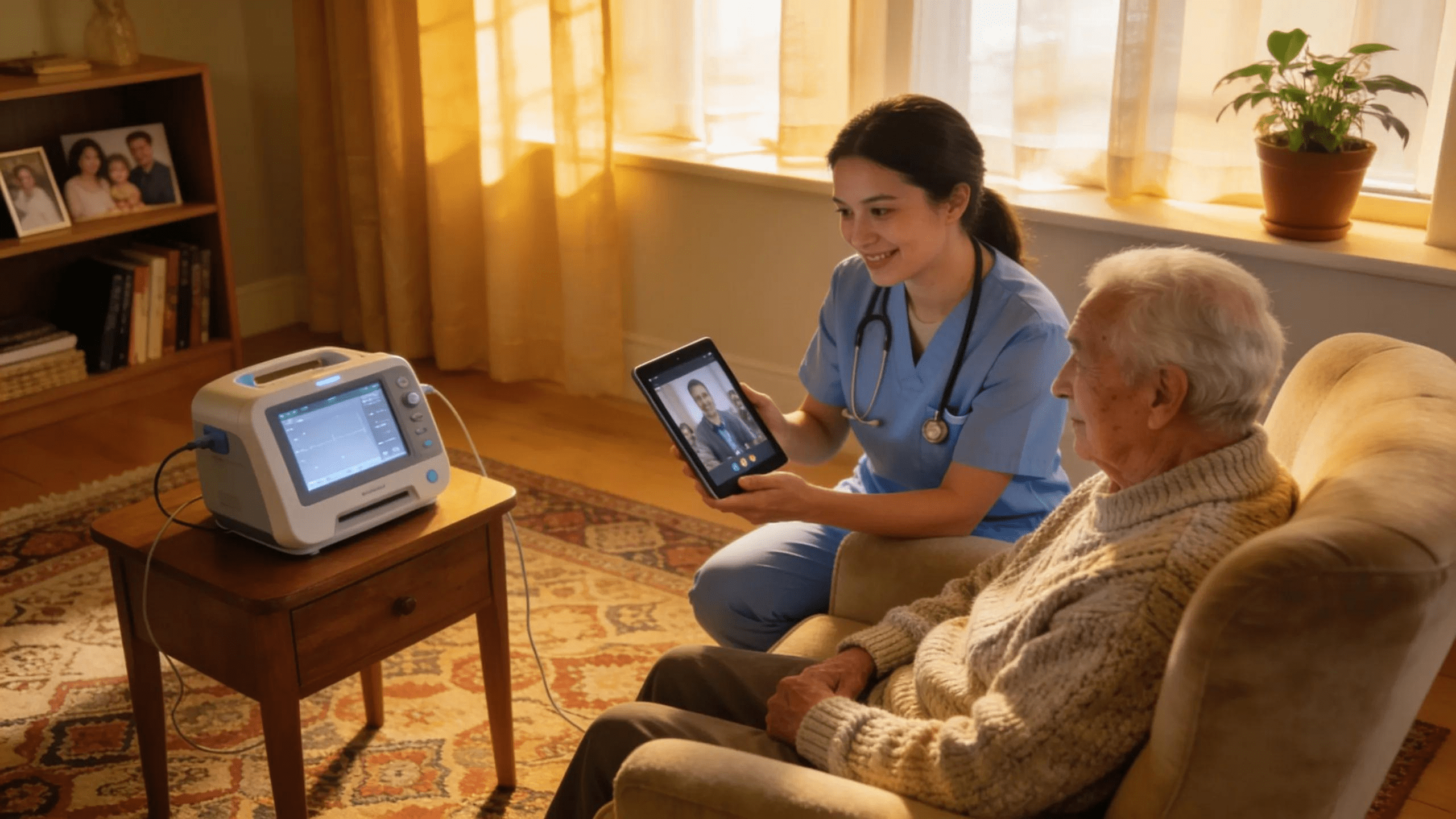
High Tech Nursing Services: Comprehensive In-Home Skilled Nursing Supported by Advanced Medical Technology
Features of High Tech Nursing Services
- Skilled Nursing Care: Trained nursing staff providing in-home health services tailored to individual patient needs.
- Therapy Services: Physical, occupational, and speech therapy conducted in familiar surroundings to promote recovery.
- Home Infusion Therapy: Administration of medications and nutrients via IV in the patient's home, reducing hospital visits.
- Telehealth Integration: Use of telecommunication technology to conduct remote consultations and monitor patient health.
Benefits of High Tech Nursing Services

- Personalized Care: High tech nursing allows for tailored treatment plans that cater to the unique needs of each patient.
- Convenience and Comfort: Patients receive care in a familiar environment, which can contribute to better recovery rates and a stronger sense of well-being.
- Improved Patient Outcomes: Studies show that patients receiving in-home skilled nursing care often experience better recovery rates. This is largely due to regular monitoring and immediate medical attention when needed.
- Holistic Approach: High tech nursing incorporates both medical and emotional support, involving family members in the care process to promote healing.
Enhancing Patient Outcomes
- Regular Monitoring: Continuous tracking of vital signs and health metrics enables healthcare providers to respond swiftly to any changes.
- Chronic Condition Management: Patients with long-term illnesses benefit from personalized care plans that use technology for real-time assessments.
- Patient Education: Continuous communication fosters patient understanding of their conditions, leading to greater compliance and health management.
What Are High Tech Nursing Services in Clinical Home Health Care?
How Do Skilled Nursing Services Integrate Advanced Medical Technology?
- IV Therapy: Skilled nurses administer intravenous treatments, allowing patients to receive necessary medications while remaining at home.
- Remote Monitoring: Devices enable nurses and physicians to track patients' vital signs and other health metrics from afar, intervening when necessary.
- Telehealth Services: Patients can consult with healthcare providers virtually, significantly reducing barriers to access and enabling timely care.
Which Patient Demographics Benefit Most from Technology-Supported In-Home Nursing?
- Seniors: As they often have multifaceted healthcare needs, seniors benefit from personalized, in-home services that facilitate mobility.
- Post-Surgical Patients: Individuals recovering from surgery require careful monitoring and assistance, making in-home nursing a perfect fit.
- Patients Requiring Rehabilitation: Those undergoing rehabilitation can continue their recovery in a supportive home environment, leveraging technology for guided therapy.
Which Advanced Patient Care Technologies Are Utilized in Home Nursing?
- Telehealth Services: These allow for virtual consultations, making it easier for patients to access care without traveling.
- Home Monitoring Devices: Tools such as blood pressure monitors and glucose meters facilitate continuous health assessments.
- Medication Management Systems: These systems help patients manage their medication schedules effectively, reducing the risk of errors.
How Does Clinical Care Protocol Adapt with Technology Assistance?
- Telehealth Services: These have altered traditional face-to-face visits, necessitating adaptations in record-keeping and patient interactions.
- Wearable Devices: Personal health monitors dictate the design of care plans based on real-time data.
- Health Monitoring Apps: Incorporating these tools enables patients to take an active role in managing their health, leading to empowered care decisions.
How Does the Patient Referral Process Support Access to High Tech Nursing Services?
- Referral Completion: Ensuring that all necessary documentation is accurately filled out to prevent delays.
- Eligibility Assessment: Evaluating patient needs to ascertain whether high tech nursing services are warranted.
- Communication with Healthcare Providers: Establishing strong lines of communication to enhance the coordination of care.
What Are the Criteria for Patient Eligibility in Technology-Enabled Home Care?
- Homebound Status: Individuals unable to leave their homes for medical care due to health limitations typically qualify for these services.
- Medical Needs: Patients diagnosed with chronic conditions or requiring skilled nursing care are prime candidates for technology-driven support.
- Referral Process: A thorough referral process ensures that only those who meet specific health criteria receive high tech nursing services.
How Can Healthcare Professionals Submit Patient Referrals Efficiently?
- Consultation and Order Processes: Establish clear guidelines for initiating referrals.
- Documentation Requirements: Ensure that comprehensive documentation accompanies all referrals.
- Direct Contact Protocols: Maintain open lines of communication with nursing service providers to facilitate immediate discussions regarding patient needs.
What Are the Clinical Benefits and Outcomes of Technology-Assisted Skilled Nursing?
- Patient Health Improvement: Regular monitoring leads to timely interventions and better health outcomes.
- Hospital Readmission Reduction: Properly managed home care significantly decreases the likelihood of readmissions.
- Enhanced Independence: Patients experience greater autonomy through remote monitoring and at-home therapies.
How Does Advanced Technology Improve Chronic Condition Management at Home?
- Remote Monitoring: Continuous tracking of health parameters ensures timely responses to changing health conditions.
- Telehealth Services: Patients can easily consult with healthcare providers without needing to travel, making it easier to manage their conditions.
- Patient Education: Providing in-depth information about managing chronic illnesses promotes better self-care practices among patients.
What Metrics Demonstrate Improved Patient Outcomes in High Tech Nursing?
- Reduction in Readmission Rates: Tracking the number of patients returning to the hospital post-discharge reveals the effectiveness of home care.
- Patient Satisfaction: Assessing the feedback from patients about their care experience provides insights into service quality.
- Improved Recovery Outcomes: Measuring clinical improvements in patients over time highlights the tangible benefits of these services.
Which Resources Support Families and Healthcare Professionals in High Tech Nursing?
- Skilled Nursing Services: Organizations offer guides on the types of services available and how to access them.
- Telehealth Resources: Educational materials assist families in understanding how telehealth operates and its benefits.
- Community Support: Local groups provide information and emotional support to families engaged with high tech nursing.
What FAQs Address Common Questions About Medical Technology in Home Care?
- Benefits of Telehealth: Many seek to understand how telehealth services enhance patient care and access.
- Adaptations for Seniors: Questions arise about how technology can be tailored for elderly patients to ensure usability and safety.
- Community Initiatives: Inquiries about community programs that support high tech nursing services often arise, highlighting the importance of local involvement in healthcare.
How Are Patient Success Stories and Testimonials Used to Build Trust?
- Building Trust through Testimonials: Personal narratives from satisfied patients illustrate the positive impact of high tech nursing on their health.
- Impact on Patient Relationships: Transparency in sharing experiences fosters better relationships between healthcare providers and patients.
- Effective Methods for Showcasing Stories: Utilizing various platforms to share success stories can amplify their reach and influence.
How is Structured Data and Semantic SEO Enhancing Visibility of High Tech Nursing Services?
- Importance of Schema Markups: Utilizing markup helps search engines understand the services offered and their benefits.
- Enhancing Visibility through Structured Data: Properly implemented structured data enables search engines to return richer search results, making services easier to find.
- Impact of Semantic SEO: This approach optimizes content relationships and relevancy, increasing the chances of being discovered by potential patients searching for high tech nursing services.
What Schema.org Markups Support Clinical Home Health Service Information?
- Service Type: Clearly defining the type of nursing service offered enhances search engine understanding.
- Contact Information: Marking up essential contact details improves accessibility for potential patients.
- Location Identification: Clearly indicating service area helps to target local search results effectively.
How Do Semantic Entity Relationships Improve Search Engine Understanding?
- Value of Structured Data: Utilizing structured data highlights service offerings and their interconnections, facilitating better indexing.
- Improving Content Discoverability: By emphasizing relationships between services and patient needs, search engines can prioritize relevant results.
- Enhancing User Engagement: Clear understanding of content relationships invites users to interact with the material, leading to better engagement rates.