305.826.8800 [email protected]

Home Health Care for Diabetics: Managing Blood Sugar, Wounds & Medications at Home in Miami

Home Health Care for Diabetics: Managing Blood Sugar, Wounds & Medications at Home in Miami

By Eduardo Lopez Prado, Ameri-Care Professional Service, Inc

Managing diabetes effectively requires a comprehensive approach that includes monitoring blood sugar levels, managing medications, and caring for wounds. Home health care services for diabetics in Miami provide essential support to individuals who need assistance in these areas. This article explores the various aspects of home health care for diabetics, including the role of skilled nursing, insulin administration, wound care, and continuous blood sugar monitoring. By understanding these components, patients and caregivers can work together to improve health outcomes and enhance the quality of life for those living with diabetes.

In this guide, we will cover the importance of skilled nursing in diabetic care, safe insulin administration protocols, specialized wound care practices, and the significance of continuous blood sugar monitoring. Additionally, we will discuss how diet and lifestyle adjustments can further support diabetes management. Finally, we will highlight the insurance coverage options available for diabetic home health care services in Miami and why choosing Ameri-Care Professional Service Inc can be beneficial for patients and their families.

Florida has approximately 2.9 million diagnosed diabetics ? the 3rd highest in the US according to the CDC National Diabetes Statistics Report. Miami-Dade County's predominantly Hispanic population faces an 87% higher risk of developing Type 2 diabetes compared to non-Hispanic whites (CDC Health Disparities Data). Additionally, Florida's diabetes-related hospitalization rate is 23% above the national average. These numbers represent real families in our community ? and they underscore why expert, personalized diabetic home care in Miami-Dade is not just helpful, but essential.

The Role of Skilled Nursing in Diabetic Home Care

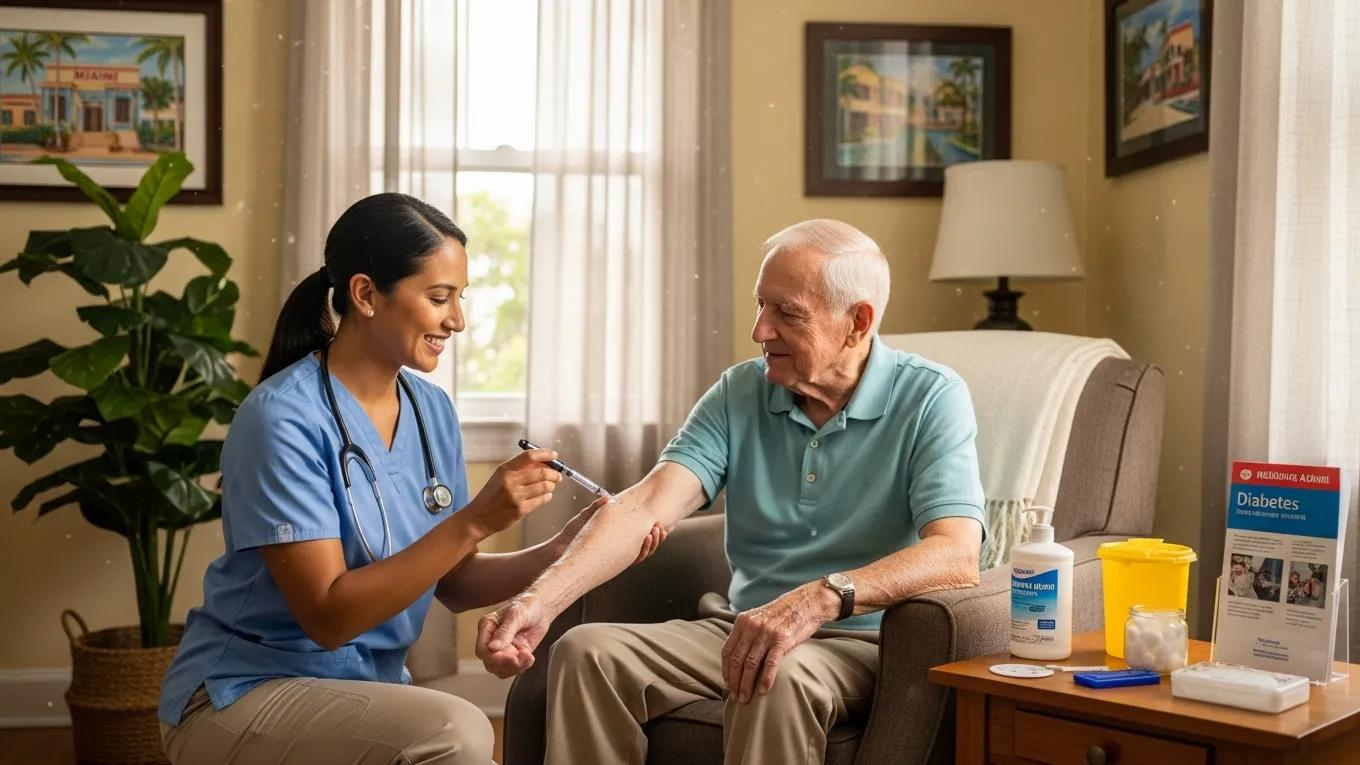
Skilled nursing plays a crucial role in managing diabetes at home by providing essential medical support and education to patients. Skilled nurses are trained to monitor vital signs, administer medications, and educate patients on effective diabetes management strategies. This personalized care not only improves health outcomes but also empowers patients to take control of their condition.

Studies highlight the effectiveness of home-based nursing care in providing essential education and support for diabetic patients.

Home-Based Nursing Care for Diabetic Patients

Accordingly, registered nurses who were experienced in diabetes care performed three home visits to provide education and support.

The effects of home-based nursing care on metabolic control among patients with type ii diabetes mellitus: A randomized clinical trial, M Khodaveisi, 2018

Why Skilled Nurses Are Essential for Diabetes Management

Skilled nurses are vital in diabetes management for several reasons. They provide wound care management, which is crucial for preventing infections in diabetic patients. Additionally, they monitor vital signs, allowing for timely interventions when necessary. Patient education is another key aspect, as nurses empower individuals to manage their condition effectively, leading to better adherence to treatment plans and improved overall health.

How In-Home Nursing Differs from Clinic-Based Diabetic Care

In-home nursing care offers several advantages over traditional clinic-based care. Patients receive personalized treatment plans tailored to their specific needs, which can lead to better health outcomes. Moreover, receiving care in a familiar environment can enhance emotional well-being and reduce anxiety associated with medical visits. This personalized approach fosters a stronger patient-nurse relationship, ultimately benefiting the patient's health journey.

Insulin Administration & Medication Management

Proper insulin administration and medication management are critical components of diabetes care. Ensuring that patients understand how to administer insulin safely and adhere to their medication regimens can significantly impact their health.

Safe Insulin Administration Protocols at Home

Safe insulin administration involves several best practices. Patients should be educated on proper techniques for insulin injection, including the importance of hygiene and safety. Monitoring blood sugar levels post-administration is also essential to ensure that insulin is working effectively. By following these protocols, patients can manage their diabetes more effectively and reduce the risk of complications.

Insulin storage is equally important to maintain its potency. Unopened insulin should be refrigerated at 36?46?F (2?8?C). Once opened or in use, insulin can be safely kept below 77?F (25?C) for up to 28 days. Miami-specific caution is critical: car interiors can reach 130?150?F during summer, instantly destroying insulin potency.

💬 Nurse's Corner ? Ameri-Care Pro Clinical Team

"One of the most critical ? and most overlooked ? mistakes we see among Miami diabetics is storing insulin in their vehicles. On a typical Miami summer day, the interior of a parked car can reach 130?150?F within minutes, destroying insulin potency entirely. Always transport insulin in an insulated cooler bag and never leave it in a hot car, even briefly. Our home health nurses assess insulin storage conditions on every visit as part of our standard diabetic care protocol."? Ameri-Care Pro Skilled Nursing Team, Miami-Dade

The American Diabetes Association (ADA) recommends the 15-15 Hypoglycemia Rule for managing low blood sugar episodes: consume 15 grams of fast-acting carbohydrates (such as 4 glucose tablets or 4 oz of juice), wait 15 minutes, then recheck blood glucose. If levels remain below 70 mg/dL, repeat the process until stabilized (American Diabetes Association. Hypoglycemia (Low Blood Glucose)).

Medication Adherence Tools and Reminders for Diabetics

Medication adherence is crucial for effective diabetes management. Tools such as pill organizers and reminder apps can help patients stay on track with their medication schedules. Additionally, involving family members in the adherence process can provide essential support and encouragement, further enhancing the likelihood of successful management.

Specialized Diabetic Wound Care at Home

Wound care is a vital aspect of diabetes management, as individuals with diabetes are at a higher risk for infections and complications. Understanding best practices for wound care can help prevent serious health issues.

Best Practices for Diabetic Wound Care Protocols

Effective diabetic wound care involves regular assessment of wounds, proper cleaning, and dressing techniques. Patients should be educated on the signs of infection to watch for, such as increased redness or swelling, foul odor, or unusual discharge. By following these best practices, patients can significantly reduce the risk of complications and promote healing.

Diabetic foot ulcers affect approximately 15% of all diabetic patients and are the leading cause of non-traumatic lower limb amputations in the US (American Diabetes Association). Early intervention by a skilled home health nurse can reduce amputation risk by up to 85%.

💬 Nurse's Corner ? Ameri-Care Pro Clinical Team

"In Miami's subtropical climate ? where average humidity exceeds 75% year-round and summer temperatures regularly top 90?F ? diabetic wound care requires extra vigilance. High humidity slows wound drying and dramatically increases the risk of bacterial and fungal infections in open wounds. Our nurses apply moisture-barrier dressings specifically formulated for humid environments and conduct more frequent wound assessments during summer months. Additionally, Miami's sandal and open-toe footwear culture significantly increases diabetic foot injury exposure ? we always recommend closed-toe, diabetic-approved footwear for our patients, regardless of the season."? Ameri-Care Pro Skilled Nursing Team, Miami-Dade

When to Escalate: Recognizing Serious Wound Complications

Recognizing when to seek further medical attention for wounds is crucial. Symptoms that require escalation include delayed healing, increased pain, or any signs of infection. Early intervention can prevent more severe complications and ensure that patients receive the care they need in a timely manner.

Continuous Blood Sugar Monitoring

Continuous blood sugar monitoring is essential for effective diabetes management. By regularly tracking blood glucose levels, patients can make informed decisions about their diet, activity, and medication.

Recommended Blood Glucose Tracking Devices for Home Use
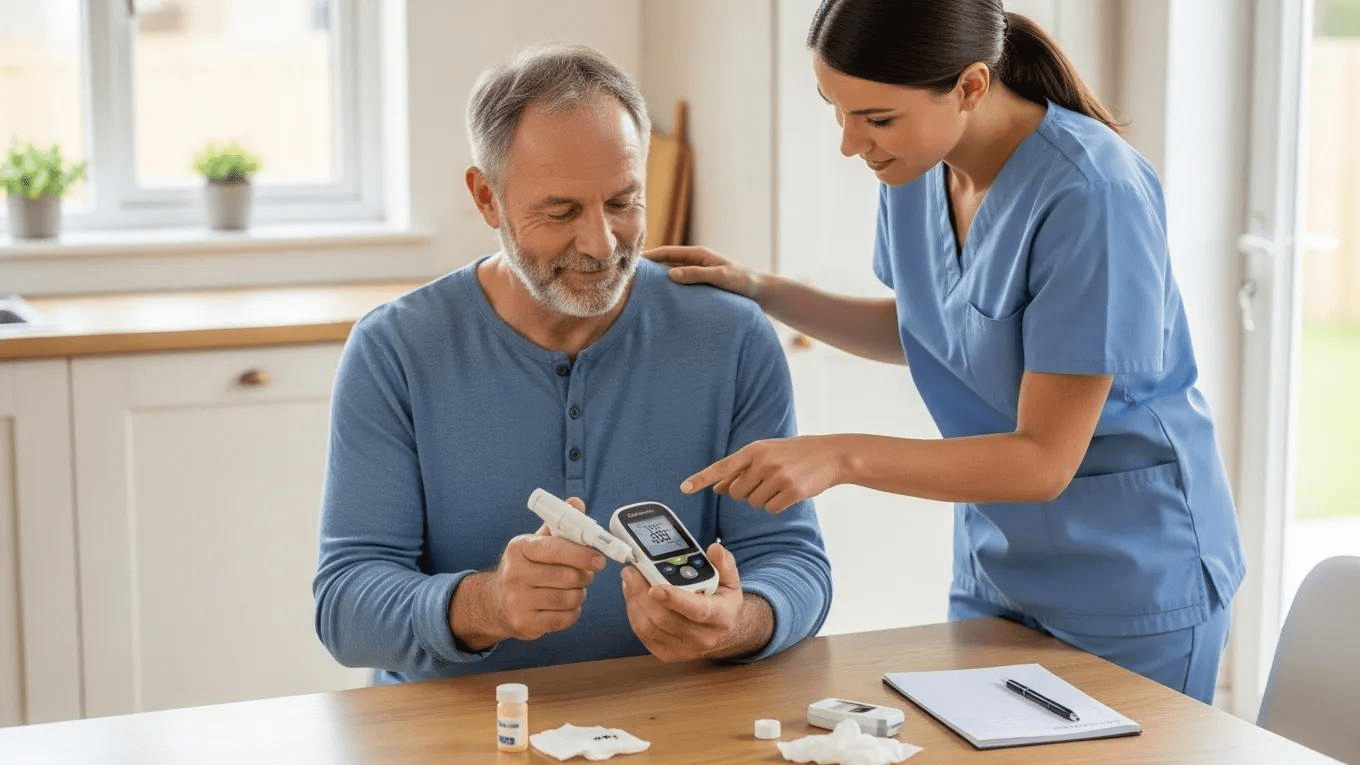
There are several blood glucose tracking devices available for home use. Patients should look for user-friendly options that suit their lifestyle and preferences. Features to consider include ease of use, accuracy, and cost. By selecting the right device, patients can effectively monitor their blood sugar levels and make necessary adjustments to their management plans.

The American Diabetes Association (ADA) 2024 clinical targets for blood glucose are:

Popular continuous glucose monitoring (CGM) devices include:

  • Dexcom G7: real-time continuous glucose alerts, 10-day sensor wear, smartphone integration
  • FreeStyle Libre 3: smallest CGM sensor, 14-day wear, minute-by-minute readings
  • Medtronic Guardian 4: predictive alerts up to 60 minutes before hypoglycemia

The efficacy of continuous glucose monitoring systems for home use has been evaluated in various studies, demonstrating their value in diabetes management.

Continuous Glucose Monitoring for Home Diabetes Management

The present study evaluates the performance of the MiniMed continuous glucose monitoring system (CGMS) in patients with diabetes during home use.

Performance evaluation of the MiniMed? continuous glucose monitoring system during patient home use, 2000

How Consistent Monitoring Prevents Diabetic Complications

Consistent blood sugar monitoring can prevent complications associated with diabetes. Research shows that regular tracking leads to better glycemic control, reducing the risk of long-term complications such as neuropathy and cardiovascular disease. Patients who monitor their blood sugar levels are more likely to adhere to their treatment plans and achieve better health outcomes.

Diet & Lifestyle Coordination for Diabetic Patients

Diet and lifestyle play a significant role in managing diabetes. Coordinating nutrition and physical activity can help patients maintain stable blood sugar levels and improve their overall health.

Nutrition Counseling and Meal Planning at Home

Nutrition counseling is essential for diabetic patients. A balanced diet that includes a variety of foods can help manage blood sugar levels effectively. Meal planning resources can assist patients in making healthier choices while incorporating their favorite foods in a healthy manner. This approach promotes adherence to dietary recommendations and enhances overall well-being.

Exercise, Mobility, and Lifestyle Adjustments

Physical activity is crucial for diabetes management. Patients should be encouraged to engage in regular exercise, which can improve insulin sensitivity and overall health. Setting realistic fitness goals and incorporating mobility into daily routines can significantly enhance quality of life for individuals with diabetes.

Preventing Hospitalizations Through Proactive Home Care

Proactive home care can prevent hospitalizations by addressing potential complications before they escalate. Early intervention is key to maintaining health and avoiding emergency situations.

Indeed, home care models are increasingly recognized for their role in promoting prevention and treatment, thereby reducing the need for hospitalizations.

The Role of Home Care in Diabetes Treatment

Home Care Hospitalization is at the forefront of models that provide promotion, prevention and treatment care, and is divided into: Primary, Secondary, and Tertiary care.

The Role of Home Hospitalization: A Perspective on Diabetes Care, 2025

Early Warning Signs Every Diabetic Patient Should Know

Patients should be educated on early warning signs of complications, such as symptoms of high or low blood sugar. Recognizing these signs can empower patients to take action and seek medical help when necessary. Monitoring changes in health is crucial for preventing serious issues.

How Home Health Care Reduces Emergency Room Visits

Home health care services can significantly reduce emergency room visits by providing timely interventions and support. Patients who receive regular care at home are less likely to experience complications that require hospitalization. This proactive approach not only improves health outcomes but also enhances patient satisfaction.

Insurance Coverage for Diabetic Home Health Care

Understanding insurance coverage options for diabetic home health care is essential for patients and their families. Various programs can help alleviate the financial burden of care.

Insurance Plans Accepted by Ameri-Care Pro

Ameri-Care Pro accepts the following insurance plans for diabetic home health care ? and verifies your coverage at no cost to you:

  • Medicare (Part A & Part B)
  • Medicaid (Florida Medicaid HCBS Waiver programs)
  • United Healthcare
  • WellCare
  • Simply Healthcare
  • Aetna
  • Staywell
  • Oscar Health
  • Molina Healthcare
  • Tricare (veterans and military families)
  • Sunshine Health
  • AvMed
  • Coventry
  • Florida Complete Care
  • Blue Cross Blue Shield of Florida

Ameri-Care Pro is a Medicare-certified home health agency, meeting federal quality and safety standards for Medicare reimbursement. Learn more at medicare.gov/coverage/home-health-services.

Not sure if your plan qualifies? Our care coordinators verify your insurance at no cost ? contact us before your first visit.

Medicare Coverage for Diabetic Home Health Services

Medicare Part A covers home health services when a physician certifies the patient is homebound and requires skilled nursing. Medicare Part B covers outpatient diabetes self-management training (DSMT) and medical nutrition therapy (MNT) for eligible beneficiaries. (Source: Medicare.gov)

Medicaid Eligibility for Home Care in Florida

Florida's Medicaid HCBS Waiver programs ? including the Long-Term Care (LTC) Waiver and Statewide Medicaid Managed Care (SMMC) ? may cover skilled nursing visits and chronic disease management for eligible low-income diabetic patients in Miami-Dade County.

Private Insurance and Long-Term Care Insurance Options

Private insurance options for home care can vary significantly. Patients should verify their benefits and understand the coverage provided by their plans. Long-term care insurance may also offer additional support for home health services, making it essential to explore all available options.

Why Choose Ameri-Care Pro for Diabetes Home Care in Miami

Choosing the right home health care provider is crucial for effective diabetes management. To ensure you receive the best possible support, consider requesting a free consultation with Ameri-Care Professional Service Inc, offering comprehensive services tailored to the needs of diabetic patients.

Our Clinical Team and Diabetic Care Expertise

Ameri-Care Pro's clinical team is highly qualified and experienced in diabetic care. Their commitment to quality service ensures that patients receive the best possible support in managing their condition. This expertise is vital for achieving optimal health outcomes.

Serving Miami-Dade and Surrounding Communities

Ameri-Care Pro proudly serves Miami-Dade and surrounding communities, providing accessible home health care services. Their dedication to community engagement ensures that patients receive the support they need in a familiar environment.

Ameri-Care Pro coordinates care with Miami-Dade's leading healthcare institutions for seamless hospital-to-home transitions:

  • Jackson Health System / Diabetes Research Institute at the University of Miami ? one of the nation's premier diabetes research and treatment centers in Miami-Dade
  • Baptist Health Miami Diabetes Care Center ? outpatient endocrinology and diabetes education complementing our in-home skilled nursing
  • Miami-Dade County Health Department ? free diabetes screening and community health programs our care coordinators connect patients with

Whether transitioning home from Jackson Memorial, Baptist Health South Florida, or another Miami-Dade facility, our care coordinators work directly with your existing medical team to ensure zero gaps in your diabetic care plan.

Get Started with Ameri-Care Pro ? Request a Free Consultation

To initiate services with Ameri-Care Pro, patients can request a free consultation. This process typically involves a physician referral and insurance verification to ensure that patients receive the appropriate care. By taking this step, individuals can access the support they need to manage their diabetes effectively.

References & Authoritative Sources