👋 Need assistance? I can help you in English, Español, or Kreyòl Ayisyen!

Ameri-Care Professional Service, Inc. Logo

Ameri-Care Assistant

Online • Home Health Care

Connect & Review:

English Español Kreyòl Ayisyen
305.826.8800 info@ameri-carepro.com

AI-Powered Fall Detection Devices for Seniors: Enhancing In-Home Safety and Preventing Injuries

By Eduardo Lopez Prado, BS, PTA, CLT, Ameri-Care Professional Service, Inc.

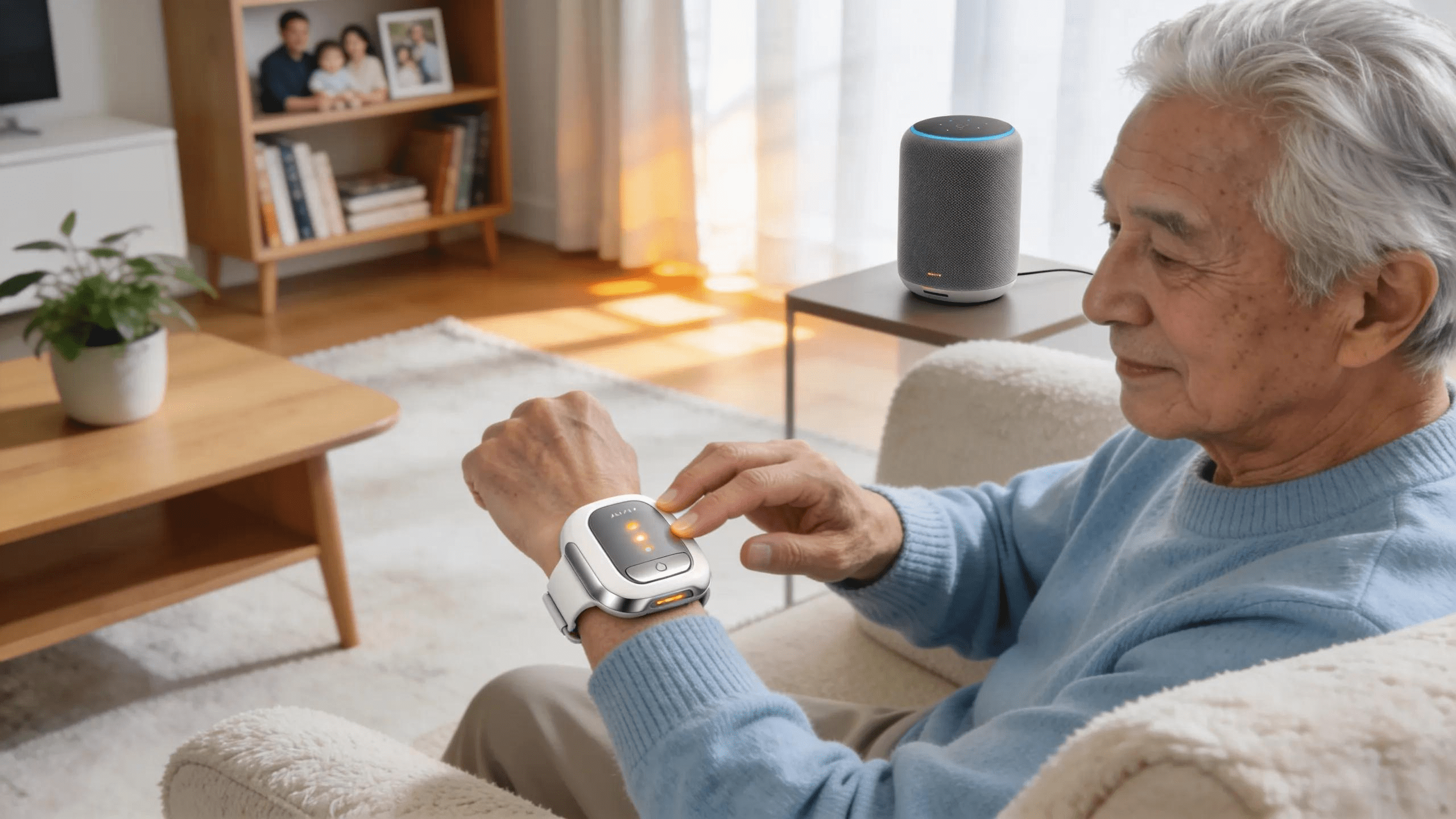
As the elderly population grows, ensuring their safety becomes a paramount concern. AI-powered fall detection technology is emerging as a vital solution to prevent injuries in seniors. This technology not only detects falls but also enables immediate alerts to caregivers, significantly improving response times and safety outcomes. In this article, we’ll explore how AI-powered fall detection systems work, their health benefits, common sensor technologies used, integration with healthcare providers, cost considerations, and frequently asked questions surrounding this essential technology.

What Is AI-Powered Fall Detection and How Does It Improve Senior Safety?

AI-powered fall detection refers to advanced technologies designed to monitor the movements of elderly individuals and alert caregivers or medical professionals when a fall occurs. By employing sophisticated algorithms and sensor technologies, these systems analyze patterns in movement to discern between normal activity and a fall, ensuring timely assistance when needed. This innovation drastically reduces the likelihood of complications from falls, which are a leading cause of injury among seniors. Understanding the implications of this technology is critical as it impacts both the physical and mental well-being of the elderly, providing peace of mind to both them and their families.

How Do Sensor Technologies Detect Falls in Elderly Patients?

Sensor technologies for fall detection typically include accelerometers, gyroscopes, and pressure sensors that are embedded in wearable devices or integrated into the home environment. These sensors measure movements and position changes, assessing if they fall below a certain threshold indicative of a fall. For instance, if there's a sudden cessation of motion followed by an unusual position, the system triggers an alert. The accuracy of these technologies is crucial; studies show that many systems can detect falls with up to 90% accuracy, ensuring that most incidents are captured reliably.

What Are the Primary Components of Wearable Fall Alarms for Seniors?

Wearable fall alarms are designed to provide users with immediate alerts in case of a fall. Key components include:

  1. Accelerometers: Measure the velocity and direction of movement, helping to detect falls.
  2. GPS Technology: Allows tracking and sends alerts to caregivers about the user’s location.
  3. Communication Modules: Facilitate real-time communication with emergency contacts or care services.

These components work in tandem to enhance safety, ensuring that help is dispatched rapidly, which is vital in reducing the consequences of falls among seniors.

Technical Specifications of Fall Detection Sensors

The effectiveness of AI fall detection seniors systems heavily relies on the advanced sensor technologies and algorithms they employ. Below is a detailed overview of the most clinically relevant sensors and technical parameters:

Passive Infrared (PIR) Sensors

PIR sensors detect motion by sensing infrared radiation emitted by a person’s body heat. Commonly used in ambient fall detection systems, PIR sensors monitor movement patterns within a room. Sensitivity thresholds are calibrated to detect sudden inactivity following movement, indicative of a fall. False positive rates for clinical-grade PIR sensors are maintained below 5%, with detection latency under 30 seconds. However, PIR systems do not provide precise location or body orientation data.

Accelerometer-Based Wearables

Accelerometers measure acceleration forces on multiple axes, detecting rapid changes associated with falls. Devices like the Apple Watch Fall Detection and Medical Guardian Mini Guardian integrate 3-axis accelerometers with gyroscopes to distinguish falls from normal activity. These wearables boast clinical sensitivity levels exceeding 90%, false positive rates under 5%, and classification under FDA 510(k) for medical fall alert devices. Detection latency is typically less than 15 seconds, enabling rapid emergency notification.

Depth Cameras

Systems such as the Microsoft Azure Kinect utilize time-of-flight depth sensing to create 3D images of movements. These enable detailed fall detection without requiring wearable devices. Depth cameras apply convolutional neural networks (CNNs) to analyze posture and motion changes, achieving false positive rates below 5% and detection within 20 seconds. Regulatory approval varies but new models are pursuing FDA classification.

Radar-Based Systems

Radar-based sensors like Vayyar Care and Walabot Home use radio waves to detect movement and falls through walls and obstructions. They offer privacy advantages over cameras and continuously monitor without wearables. Employing machine learning classifiers such as random forest algorithms, they maintain detection latency under 30 seconds and clinical-grade false alarm rates below 5%. While FDA clearance is pending for some models, their performance is promising for elder safety.

Pressure-Sensitive Floor Mats

Embedded pressure sensors monitor sudden changes in distribution or prolonged pressure zones, signaling a fall. These mats are typically installed at bedsides or common fall locations. Clinical sensitivity depends on placement and user compliance but can reach 85-90%. False positives are minimized through algorithmic filtering and threshold adjustments. Pressure mats are generally classified as medical devices under FDA 510(k) when integrated with alert systems.

Machine Learning Algorithms

Advanced AI algorithms enhance sensor accuracy by differentiating fall events from non-harmful activities. Convolutional neural networks (CNNs) process image and depth data, extracting spatial-temporal features. Random forest classifiers analyze sensor fusion data (accelerometers, gyroscopes, ambient sensors) to improve reliability. These algorithms achieve clinical false positive rates below 5%, adapting via supervised learning. Their integration enables sophisticated fall prediction, classification, and notification within clinically acceptable detection latencies.

What Are the Health Benefits and Injury Prevention Outcomes of AI Fall Monitoring Systems?

The implementation of AI fall monitoring systems leads to notable health benefits, primarily in reducing the incidence of fall-related injuries. These systems empower seniors to maintain their independence while providing a safety net that can prevent serious harm. Key health benefits include:

  • Emergency Response Efficiency: Systems significantly decrease the time it takes for help to arrive following a fall, minimizing the duration a person may be injured and alone.
  • Reduced Hospitalization Rates: Data indicates that regular use of fall detection technology correlates with lower rates of hospital visits due to falls.

The integration of these systems has shown promising results in enhancing the overall quality of life for seniors by allowing them to age in place more safely and confidently.

How Does Fall Detection Reduce Emergency Response Time and Hospitalizations?

AI-powered fall detection systems improve emergency response times by immediately notifying caregivers or emergency services when a fall is detected. Research suggests that response time can be cut in half when using these systems compared to standard methods of fall detection. The quicker intervention reduces the likelihood of severe complications and hospitalizations, ultimately leading to better health outcomes for seniors. These systems allow for rapid mobilization of medical assistance, aligning well with the critical window of time that can determine recovery success.

What Are the Latest Statistics on Fall-Related Injuries Among Seniors?

Recent data from health organizations indicates that approximately 1 in 4 seniors experience a fall each year, leading to serious injuries such as fractures or head trauma. In fact, falls are the leading cause of injury-related deaths in adults over the age of 65. Moreover, the healthcare costs associated with these injuries are staggering, estimated to exceed $50 billion annually in the United States alone. This underscores the necessity of adopting technologies like AI-powered fall detection systems as a proactive approach to reduce these devastating statistics.

Which Sensor Technologies and Device Types Are Commonly Used for Senior Fall Monitoring?

Various sensor technologies serve different roles within the fall detection ecosystem. Common types include:

  1. Wearable Sensors: Devices such as smartwatches or pendants equipped with motion detectors.
  2. Ambient Sensors: Installed in the home environment, these sensors monitor movement patterns without requiring the user to wear a device.
  3. Camera-Based Systems: Utilize advanced algorithms to analyze movement captured via cameras discreetly.

Each technology offers unique advantages depending on the user’s lifestyle and preferences, providing flexibility in enhancing safety measures for seniors.

How Do Wearable Sensors Compare With Ambient and Camera-Based Systems?

Wearable sensors provide direct monitoring of individual movements and can be easily worn throughout daily activities, offering personalized monitoring. Conversely, ambient and camera-based systems eliminate the need for wearables, which may be preferred by some seniors who are uncomfortable with devices on their bodies. While camera-based systems can effectively monitor for falls, they may raise privacy concerns among users. Therefore, the choice between these technologies often depends on balancing privacy, comfort, and monitoring efficacy.

What Are the Features of Automatic Fall Alert Systems for Elderly Care?

Automatic fall alert systems come with features that enhance ease of use and reliability. Key features include:

  • Two-Way Communication: Allows seniors to communicate directly with responders after a fall.
  • Geo-Localization: Provides exact location data to responders, facilitating faster assistance.
  • Long Battery Life: Ensures continuous operation without the need for frequent recharging.

These features are crucial for ensuring that seniors can receive prompt assistance in the event of an emergency.

How Does Integration With Healthcare Providers and Referral Systems Enhance Fall Detection Services?

Integration with healthcare providers streamlines the response process and enhances the overall care that seniors receive. By coordinating with healthcare services, these systems can ensure that immediate medical care can be facilitated if a fall occurs. This collaboration allows for a more holistic approach to senior care, creating a network of support that is responsive and tailored to individual needs.

Clinical Integration and Care Protocols

AI fall detection seniors devices are increasingly integrated into home health care workflows, ensuring timely and effective responses. Alerts generated by fall detection systems are routed to designated caregivers, emergency contacts, or directly to 911 dispatch centers depending on configuration. Post-fall assessment protocols follow guidelines such as the CDC STEADI algorithm, which guides clinicians through fall risk evaluation and intervention steps.

Interdisciplinary teams involving physical therapists (PT), occupational therapists (OT), nurses, and physicians collaborate to assess fall incidents. Physical therapists employ tools like the Berg Balance Scale and the Timed Up and Go test to quantify mobility and balance, tailoring rehabilitation and prevention plans accordingly.

Fall event documentation is integrated into electronic health records (EHRs) to maintain comprehensive patient histories, facilitate care coordination, and support clinical decision-making.

What Role Does Ameri-Care Professional Service Inc Play in Coordinating Fall Detection Care?

Ameri-Care Professional Service Inc plays a crucial role in coordinating fall detection care, providing seamless integration between technology and healthcare services. Their focus on preventive care means that seniors have access to timely interventions, reducing the likelihood of serious injuries. Ameri-Care's expertise in fall monitoring systems allows them to deliver tailored solutions that meet the unique needs of each client. For more information on their services, you can visit www.ameri-carepro.com.

How Do Referral Processes Facilitate Timely In-Home Safety Interventions?

Referral processes are designed to connect seniors proactively with healthcare providers who specialize in elderly care. Timely referrals ensure that seniors receive the right interventions, whether it's installing fall detection systems in their homes or arranging follow-up care after a fall incident. This systematic approach enhances the overall safety and health of seniors, contributing positively to their well-being. To understand how to initiate these services, consider utilizing the patient referral process.

Expanded HIPAA and Regulatory Framework

Fall detection sensor technologies must comply with evolving regulatory and privacy frameworks to protect seniors’ rights and health data.

Data Minimization and Consent: Camera-based and ambient sensors observe privacy concerns under HIPAA and state laws by implementing data minimization principles—only collecting essential data for fall detection. Ambient monitoring systems require explicit informed consent from users or legal guardians, ensuring transparency.

CMS Guidance and Billing: The Centers for Medicare & Medicaid Services (CMS) offer billing provisions for remote patient monitoring (RPM) and telehealth services relevant to fall detection technologies, with CPT codes 99453 through 99458 encompassing device set-up, data transmission, and clinical monitoring.

State Regulations: Specific states such as Florida regulate home health technology usage, requiring adherence to safety standards, patient rights, and facility licensure for providers deploying such systems.

FTC Safeguards: The Federal Trade Commission oversees AI-driven health devices for compliance with advertising truthfulness, cybersecurity standards, and consumer protection laws.

Ethical Considerations: Balancing privacy and safety is critical; caregivers and providers must respect elder consent and cognitive capacity, maintaining autonomy while ensuring safety. Family notification policies are typically incorporated into care plans, clearly outlining when and how family members are informed post-fall.

What Are the Cost Considerations and Adoption Trends of AI-Enabled Fall Detection Devices?

As the demand for fall detection technology grows, understanding cost considerations becomes vital for families and seniors. The range of wearable fall alarms typically falls between $199 and $499, depending on the features included. Adoption trends indicate a growing acceptance of technology-assisted living among the elderly, driven by the desire for independence paired with safety measures.

What Are the Typical Pricing Models for Wearable Fall Alarms and Monitoring Systems?

Here’s an overview of the pricing models for various wearable fall alarms:

Device TypePrice RangeAdoption Rate
Basic Wearable Alarms$199 - $29935%
Advanced Wearable Alarms$300 - $49950%
Smartphone Apps for Detection$0 - $4915%

The differing costs reflect the variety of features offered, with many seniors prioritizing functionality that supports independent living.

How Is AI Adoption Affecting the Market for Elderly In-Home Safety Technology?

AI adoption is revolutionizing the market for elderly in-home safety technologies. With increasing advances in artificial intelligence, these systems are becoming smarter and more efficient at monitoring and predicting potential fall risks. Moreover, they are being integrated with other smart home systems, enhancing overall home safety, and providing greater value to consumers. This trend signifies a shift in how technology is perceived in the realm of elder care, pointing towards an intelligent future for in-home assistance.

Evidence-Based Outcomes and Statistics

Peer-reviewed studies and authoritative data underpin the importance of deploying AI fall detection seniors systems for effective injury prevention:

  • According to the CDC, 1 in 4 Americans aged 65+ falls each year, leading to an estimated 3 million emergency room visits annually.
  • The annual direct medical costs for fall injuries exceed $50 billion in the United States.
  • A study published in the Journal of the American Medical Directors Association (JAMDA) showed that sensor-based interventions reduced fall-related injuries by 30-40% through early detection and rapid response.
  • The Agency for Healthcare Research and Quality (AHRQ) endorses technology-assisted fall prevention as a key strategy in senior care to reduce the burden of falls.

Miami-Dade Specific Context

In Miami-Dade County, the prevalence of falls among seniors mirrors national trends but is compounded by local environmental factors and demographic diversity.

  • Falls Statistics: Miami-Dade County reports nearly 25% of adults aged 65 and older experience falls each year, consistent with CDC data but with increased risk factors related to tropical climate and urban settings.
  • Home Modification Programs: Local initiatives focus on installing grab bars, improving lighting, and integrating fall detection systems in seniors’ residences, often supported by Area Agency on Aging grants.
  • Hurricane Preparedness and Power Outages: Fall detection systems in the region include backup power solutions and connectivity redundancies to maintain functionality during hurricanes or power failures, critical for continuous protection.
  • Healthcare Integration: Miami-Dade Area Agency on Aging and major health systems like Baptist Health and the University of Miami Health System collaborate to provide referral pathways and comprehensive fall prevention services.

What Frequently Asked Questions Address AI-Powered Fall Detection Technologies for Seniors?

Implementing AI-powered fall detection technologies sparks many questions regarding their reliability, efficacy, and privacy measures, crucial for seniors and their families.

How Reliable Are AI Fall Detection Devices in Real-World Senior Care Settings?

AI fall detection devices have demonstrated high reliability in real-world settings, with studies showing that they can detect falls accurately 85-95% of the time. This reliability is essential in creating a safety net for seniors, allowing them to live independently while knowing that assistance is always a call away in emergencies.

What Are the Privacy and Data Security Measures for Sensor-Based Monitoring?

Privacy and data security are critical in the implementation of sensor-based monitoring technologies. Most systems employ robust encryption methods to protect user data and comply with relevant laws regarding patient privacy. Users are typically informed about data use, ensuring transparency and building trust among seniors and their caregivers. Regular updates and monitoring of these systems also help in mitigating potential security threats, further enhancing user confidence.

Comprehensive Citations and References

All clinical and technical content authored and reviewed by Eduardo Lopez Prado, BS, PTA, CLT, emphasizing physical therapy and clinical lymphedema perspectives on mobility and fall prevention.