305.826.8800 [email protected]

Wound Care Home Miami: Wound Care at Home: Miami Patient Guide

By Ameri-Care Professional Service, Inc. Editorial Team · Updated 2026-08-05

Proper wound care at home requires cleaning with saline solution, applying prescribed dressings, and monitoring for infection signs like redness or swelling. Ameri-Care Professional Service, Inc., based in Miami Lakes, FL, with 95 trained employees, provides guidance and support for patients managing wound care safely and effectively at home.

Proper wound care at home requires clean hands, gentle cleansing with soap and water, and a dry, covered dressing, per the Wound Home Skills Kit for Lacerations & Abrasions. Skilled nursing professionals monitor healing, watch for infection signs, and adjust treatment plans, ensuring surgical, trauma, and chronic wounds recover safely without unnecessary complications or hospital readmission.

Key Takeaways

  • Clean incisions with soap and water for 15 to 30 seconds before wound care procedures.
  • Keep wounds clean, dry, and covered to prevent infection and promote proper healing.
  • Home health professionals provide wound management support for both new and chronic wound recovery.
  • Ameri-Care Professional Service, Inc. employs 95 staff members serving patients in Miami Lakes, Florida.

What Do You Need Before Starting Wound Care?

Four essentials matter most: clean hands, sterile supplies, a clear understanding of the wound, and knowledge of when to call for professional help. Skipping any one of these steps raises the risk of infection and slows healing. Patients recovering from surgery, minor trauma, or a chronic wound need a plan in place before removing a single bandage.

Wound care home Miami patients rely on starts with local, coordinated support. Ameri-Care Professional Service, Inc. operates from Miami Lakes, FL, giving South Florida families a nearby resource for guidance throughout recovery. Staffing capacity matters here too: with 95 employees, the agency maintains 24/7 on-call availability for patients managing wounds at home. That means questions about a dressing change or unexpected drainage do not have to wait until morning.

What Supplies Should Be Gathered First?

Before touching the wound, gather gloves, sterile gauze, saline or prescribed cleanser, tape, and a clean surface to work on. Reviewing available post-acute home health services ahead of time helps patients anticipate which supplies insurance or home health may provide versus what to purchase independently.

How Should Hands Be Prepared?

Hand hygiene comes first, every time. Wash hands with soap and water for 15 to 30 seconds when visibly dirty. Use a 60% alcohol-based hand gel when they are not. This single habit, part of sound home wound management, cuts contamination risk before any dressing is touched.

Following a structured wound care education routine, built around clean hands, proper supplies, and knowing when to escalate concerns, sets the stage for safer healing at home.

How Do You Clean and Dress the Wound?

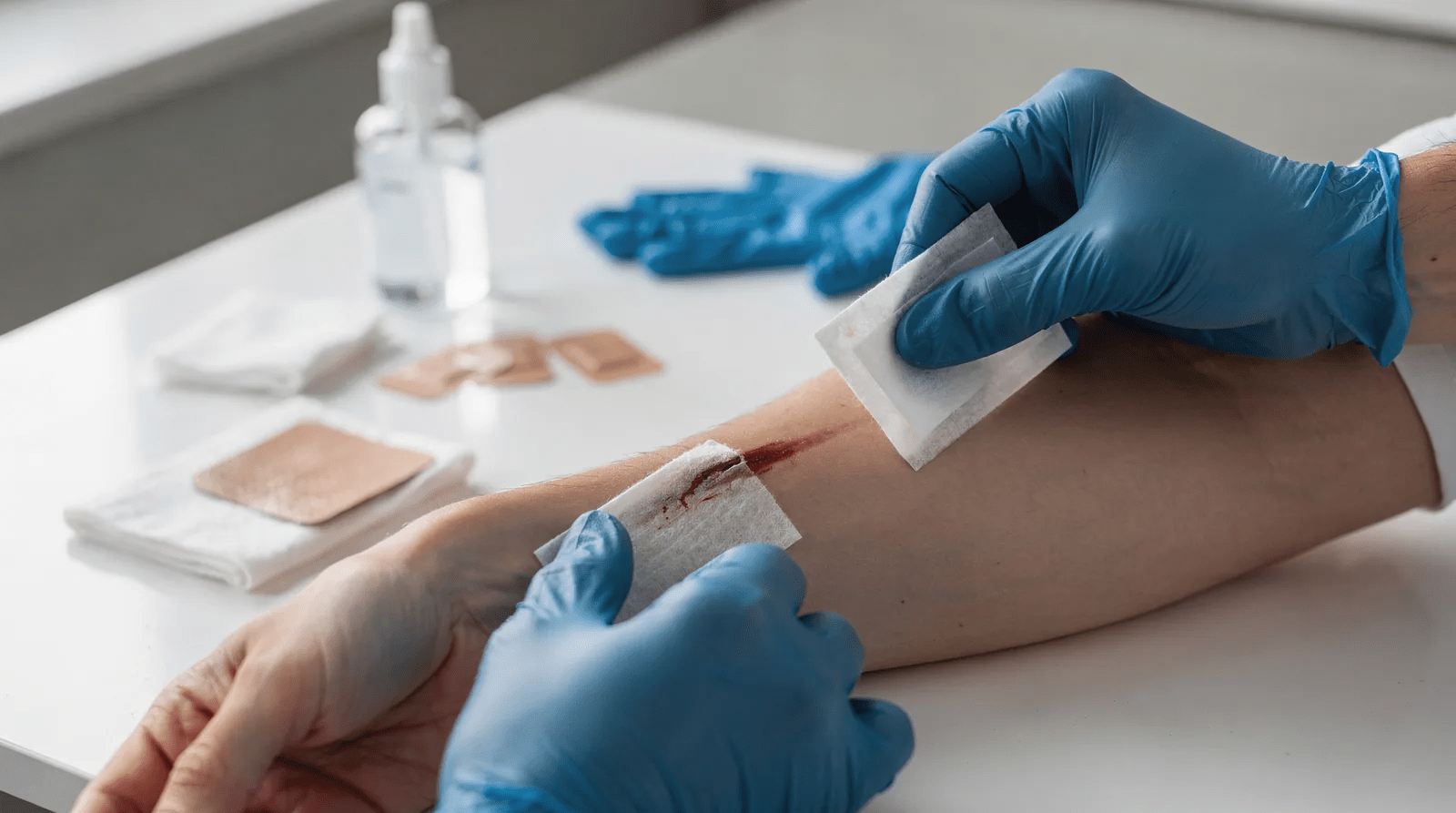
Proper cleaning removes debris and bacteria before a fresh dressing seals the area. Skipping steps or rushing the process raises infection risk and slows healing time. Patients and family caregivers benefit from a consistent, repeatable routine rather than guesswork.

Before starting, gather clean supplies: mild soap, running water, sterile gauze, tape, and any dressing type recommended by a clinician. Wound care home Miami patients receive from Ameri-Care typically follows a structured sequence, outlined below.

  1. Wash hands thoroughly with soap and water before touching the wound or supplies.
  2. Wash the wound area with soap and water, letting water run over it until all soap residue disappears.
  3. Pat the surrounding skin dry with a clean, lint-free cloth; avoid rubbing the wound bed directly.
  4. Apply the prescribed dressing, ensuring full coverage without excessive tightness.
  5. Secure the dressing with tape or wrap as directed, then check that circulation below the site remains normal.
  6. Record the date and time of the change for tracking healing progress.

How often should a dressing be changed?

Frequency depends on wound type, drainage level, and physician instructions rather than a fixed schedule. A step-by-step process for changing dressings also includes checking how the wound looks at each change. Any increase in redness, swelling, or odor warrants a call to a healthcare professional before the next scheduled change.

What role does home health play during recovery?
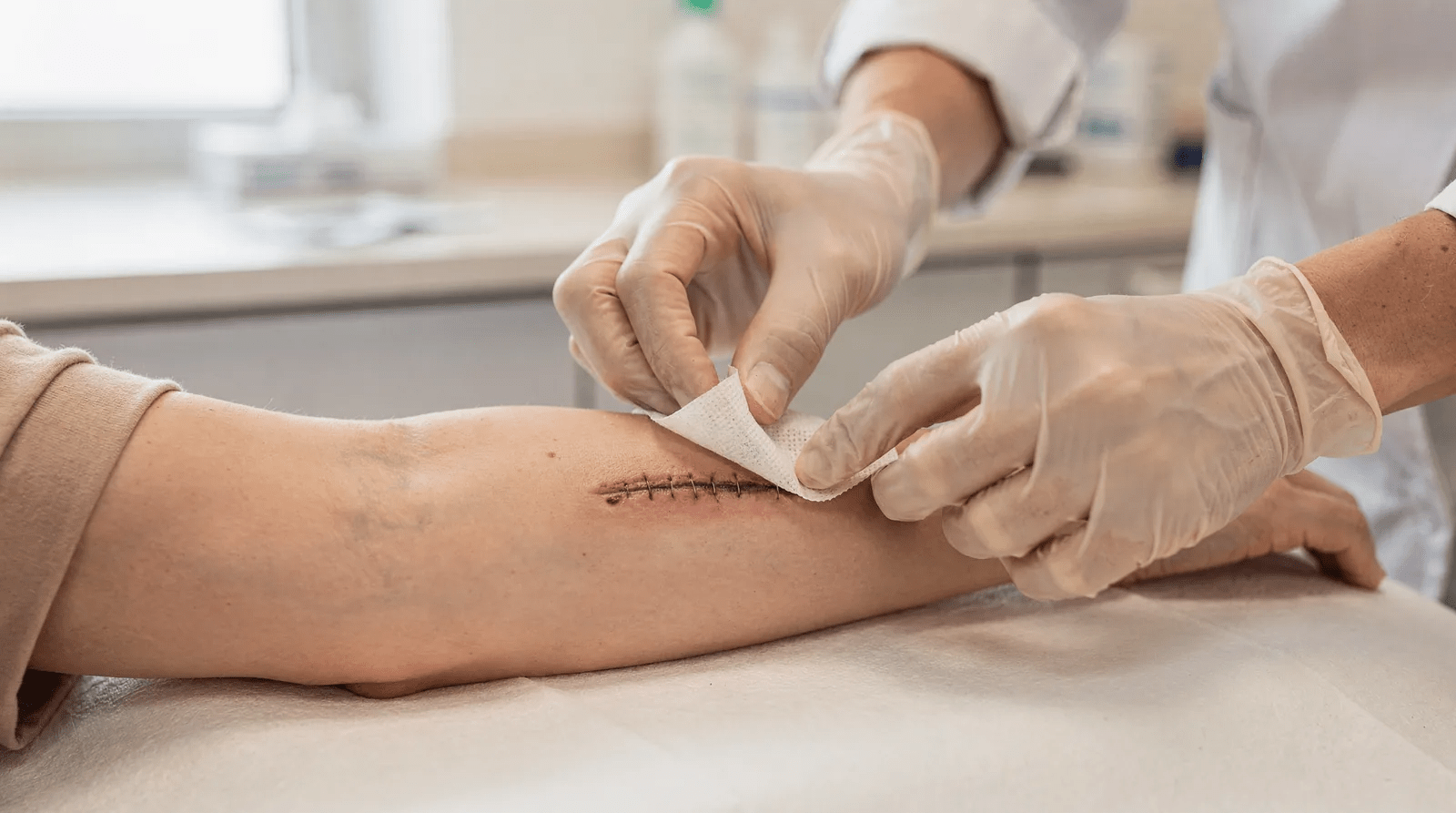
Transitioning home after surgery or injury introduces challenges beyond the dressing itself, including medication management and coordinating multiple appointments. Skilled nursing support, delivered through structured home-wound-management-067 protocols, guides dressing changes while rehabilitation therapy addresses mobility and strength alongside wound healing.

Consistency separates a wound that heals cleanly from one that develops complications. Programs built around wound-care-education-americare-067 principles pair hands-on skilled nursing visits with clear instructions family caregivers can follow between appointments, reducing uncertainty during an already stressful recovery period.

How Do You Monitor Healing and Infection?

Consistent observation determines whether a wound is closing properly or heading toward complication. Structured wound care home Miami monitoring combines scheduled visits, visual checks, and documentation of changes in color, drainage, or swelling. Miami's expanding population of patients recovering at home makes a clear monitoring routine essential. The demand for in-home care services continues to grow across the region.

Ameri-Care Professional Service, Inc. supports this process through a home-wound-management-067 approach carried out by a staffing team of 95 professionals. That workforce allows for regular monitoring visits, giving clinicians the ability to track wound progress and catch complications before they escalate. Families should follow these steps between visits:

  1. Inspect the wound daily under good lighting, checking for redness, warmth, or swelling beyond the wound edges.
  2. Note drainage color and odor; cloudy, green, or foul-smelling fluid signals possible infection.
  3. Check the surrounding skin for spreading discoloration or increased pain.
  4. Record temperature if fever, chills, or fatigue develop.
  5. Report any of these changes to the care team immediately rather than waiting for the next scheduled visit.

Do different wound types need different monitoring steps?

Yes. Burns, lacerations, and surgical wounds each carry distinct healing timelines and risk factors, so treatment and monitoring steps vary by type. A surgical incision requires different dressing checks than a burn or an abrasion, which is why individualized wound-care-education-americare-067 guidance matters for every patient.

What should patients watch for after surgery?

Surgical patients face a specific window of infection risk in the days following the procedure. Pre- and post-surgical guidance helps patients and caregivers recognize early warning signs, including fever, spreading redness, or wound separation, so intervention happens quickly rather than after infection sets in.

When Should You Call a Home Health Nurse?

Certain wound symptoms require immediate professional attention rather than home management alone. Patients and family caregivers face a daunting experience when transitioning from a hospital stay back home. That uncertainty extends directly to wound recovery. Professional oversight during this period reduces risk and answers questions that home instructions often leave open.

Wound care home Miami patients benefit most when caregivers know exactly which signs demand a call. The following situations warrant contacting a home health nurse without delay:

  1. Redness spreading beyond the original wound edges.
  2. Drainage that thickens, changes color, or develops odor.
  3. Fever above 100.4°F accompanied by chills.
  4. Increasing pain instead of gradual improvement.
  5. A dressing that will not stay clean, dry, and secure.

What does continuous home nursing support actually involve?

Continuous nursing support means a licensed professional monitors healing progress between visits, not just during scheduled appointments. Transitioning from hospital to in-home nursing care ensures patients receive personalized attention in the comfort of their own homes, rather than relying solely on printed discharge instructions.

Does calling early actually change recovery outcomes?

Expert wound care at home eases patient concern and lowers the likelihood of complications requiring hospital readmission. Early calls allow nurses to intervene before minor issues become infections.

Because Ameri-Care Professional Service, Inc. is based in Miami Lakes, FL, local families have direct access to home health support whenever wound complications arise. This proximity supports the broader goal of structured home wound management. A system built around observation, timely intervention, and caregiver education, all part of the agency's ongoing wound care education for patients recovering outside the hospital setting.

What Mistakes Should You Avoid at Home?

Four errors account for most setbacks in wound care home Miami families encounter during recovery: continuing pressure past its limit, skipping education, ignoring leg swelling, and neglecting mobility support. Each mistake carries measurable consequences for healing time and safety.

Is it ever wrong to keep applying pressure to a bleeding wound?

Yes, once bleeding fails to stop despite firm, direct pressure, home treatment alone becomes insufficient. Patients and caregivers must contact a health care provider or go to the hospital immediately rather than repeating the same steps. Waiting longer raises the risk of complications that outpace what home tools can manage.

What else undermines recovery at home?

Skipping caregiver instruction ranks among the most overlooked mistakes in home wound management. Families who understand dressing changes, infection signs, and healing timelines reduce caregiving strain and improve outcomes for the patient. Proper wound care education through Ameri-Care resources closes this gap before problems escalate.

Leg swelling deserves attention too, not dismissal. Left unaddressed, it can signal venous issues that worsen without proper prevention and management steps.

Mobility matters just as much as dressing technique. Patients who avoid movement often heal slower, while structured rehabilitation support helps restore independence and physical function during recovery.

  • Stopping care after unresolved bleeding, instead of seeking medical help
  • Forgoing caregiver education on wound signs and dressing changes
  • Ignoring leg swelling without checking for venous causes
  • Limiting mobility instead of pursuing guided rehabilitation

Effective wound care at home requires vigilant adherence to clinical protocols, consistent monitoring, and professional guidance from qualified healthcare providers. By maintaining proper wound hygiene, recognizing signs of complications, and following evidence-based treatment recommendations, patients optimize healing outcomes and reduce infection risk. Home-based wound management empowers individuals to participate actively in their recovery while remaining under the clinical oversight of skilled professionals committed to restoring health and independence.

FAQ

What supplies do you need before starting wound care at home?

Gather gloves, sterile gauze, saline or prescribed cleanser, tape, and a clean work surface. Reviewing home health services beforehand clarifies which supplies insurance covers versus what to purchase independently.

How long should you wash your hands before wound care?

Wash hands with soap and water for 15 to 30 seconds when visibly dirty. Use a 60% alcohol-based hand gel when hands are not visibly dirty, cutting contamination risk before touching the dressing.

Who provides wound care support for Miami patients at home?

Ameri-Care Professional Service, Inc., based in Miami Lakes, FL, employs 95 staff members who provide coordinated wound management. This staffing level maintains 24/7 on-call availability for patients managing wounds at home.

Facts

  • Ameri-Care Professional Service, Inc. is located in Miami Lakes, FL, US.
  • Ameri-Care Professional Service, Inc. has 95 employees.