305.826.8800 [email protected]

Navigating Dual Caregiving with Ameri-Care Professional Service, Inc.

By Eduardo Lopez Prado, BS, PTA, CLT, Ameri-Care Professional Service, Inc.

Managing the delicate balance of caring for both children and elderly family members can be a significant challenge for the "sandwich generation" in Miami. This demographic, typically comprising individuals between 35 and 55 years old, often finds themselves juggling responsibilities for both their aging parents and their children. As the workforce becomes more demanding, caregivers must be equipped with effective strategies, resources, and support systems. This article provides a comprehensive guide to help the sandwich generation manage pediatric and senior care effectively at home. By understanding time management strategies, available resources, and best practices, caregivers can foster a more harmonious home environment. Additionally, we will discuss the core challenges that arise within caregiving dynamics and ways to address them to promote family well-being.

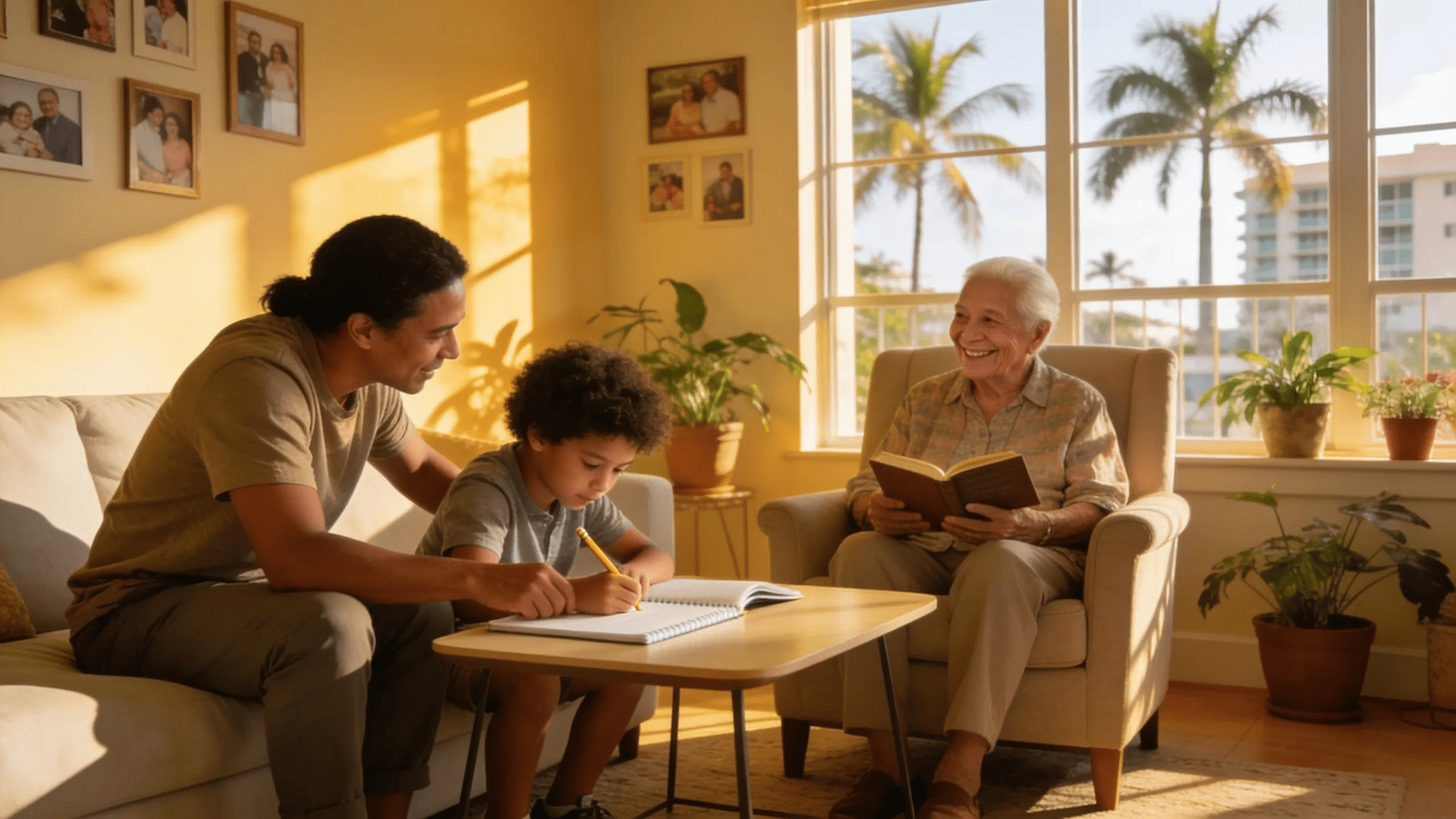
Time Management Strategies

Effective time management is crucial for caregivers navigating the complexities of multigenerational care. Prioritizing tasks is the first step in ensuring that both children’s and seniors’ needs are met. Caregivers should create a daily schedule that allocates specific times for activities, appointments, and self-care. Setting boundaries is equally important, encouraging family members to understand and respect each other’s time.

Delegating responsibilities can also alleviate some of the pressures associated with caregiving. Involving children in chores and activities with seniors not only builds connections but allows caregivers to manage their time more effectively. By establishing clear routines and promoting family teamwork, caregivers can foster a supportive atmosphere that meets everyone's needs.

Available Resources for Care

In Miami, numerous resources are available to support those in the sandwich generation. These include respite care services that offer temporary relief for caregivers, allowing them to take personal time without compromising the care of their loved ones. Community resources such as local support groups, educational workshops, and online forums provide valuable emotional support and practical advice for navigating the challenges of caregiving.

Many local organizations offer educational workshops designed specifically for caregivers, enhancing their understanding of pediatric and senior care needs. This learning opportunity can empower caregivers with the knowledge required to make informed decisions regarding their loved ones' welfare.

Best Practices to Support Both Age Groups

Effective multigenerational caregiving relies on several best practices that can enhance the quality of life for both seniors and children. A holistic care approach prioritizes the mental, emotional, and physical well-being of all family members. Family involvement in caregiving planning creates an empowering environment where everyone feels valued and included.

Open communication is essential for fostering relationships among family members, allowing caregivers to understand better and address the unique needs of both children and seniors. Family meetings can serve as a platform to discuss responsibilities, expectations, and emotional challenges, reinforcing teamwork in caregiving.

How families manage these dynamics can significantly affect the overall environment and individual well-being. Moreover, coordinating care effectively ensures that each family member feels respected and supported in their unique role.

What Are the Core Challenges of Multigenerational Caregiving in Miami?

Managing care for multiple generations can introduce several challenges for families in Miami. Time management struggles often arise when caregivers attempt to balance work and personal lives while ensuring the well-being of their loved ones. Emotional stress can also be a significant burden, especially when caregivers face unresolved conflicts related to familial responsibilities.

Resource allocation issues further complicate caregiving dynamics. Identifying adequate support and services that address both pediatric and senior care can be overwhelming. Thus, understanding and navigating these challenges is critical for effective caregiving within the sandwich generation.

How Does the Sandwich Generation Manage Dual Care Responsibilities?

The sandwich generation employs various strategies to manage the complexities of providing care for both seniors and children. Multilingual care coordination can enhance communication among family members and external providers, ensuring that everyone is on the same page regarding care plans and needs.

Transportation barriers often pose a significant challenge, especially for seniors with mobility issues. Utilizing community resources, such as shuttle services, can facilitate transportation for medical appointments, providing relief for caregivers from logistical concerns. Medication management is another critical responsibility that many sandwich generation caregivers handle, requiring them to stay organized and informed about medication schedules and dosages.

What Demographic Trends Drive Pediatric and Senior Care Needs in Miami?

In recent years, demographic trends in Miami have increasingly influenced the demand for pediatric and senior care. A rising elderly population necessitates more comprehensive healthcare and support services tailored for seniors. At the same time, increasing birth rates contribute to growing demands for pediatric care resources.

These demographic shifts create a unique landscape for the sandwich generation in Miami, necessitating an understanding of how to adapt caregiving strategies to meet evolving family needs.

What In-Home Pediatric Nursing Services Are Available in Miami?

Families seeking in-home pediatric nursing services in Miami have access to various options tailored to their children's unique health requirements. Skilled pediatric nurses provide personalized care that addresses individual medical needs, while home health aides support daily living activities.

Pediatric therapy providers, including physical and occupational therapists, offer specialized services to help children achieve developmental milestones. These integrated services collectively ensure ample support for families navigating pediatric care at home.

Which Pediatric Nursing Care Roles Support At-Home Families?

Pediatric nursing encompasses multiple roles that directly support at-home families. Skilled pediatric nurses are responsible for administering medications, monitoring health, and educating families about care plans. They play a critical function in maintaining child health and wellness, fostering familial confidence in caregiving.

In addition to nurses, home health aides assist with daily living tasks, providing essential support while caregivers manage their responsibilities. This teamwork creates an effective support network benefiting both children and their families, enhancing overall at-home care.

How Does Ameri-Care Ensure Quality Pediatric Care Coordination?

Ameri-Care Professional Service, Inc. employs systematic processes to ensure quality pediatric care coordination. Their trained staff collaborates with families to develop individual care plans tailored to specific needs. The company emphasizes ongoing staff training to keep caregivers informed about best practices and emerging healthcare trends.

By fostering a proactive approach to medical care, Ameri-Care ensures coordination that improves health outcomes for children while relieving burden from family caregivers. Their commitment to integrating resources contributes significantly to the overall support for at-home families. Ameri-Care Professional Service, Inc. ensures quality pediatric care coordination.

How Is Senior Care Effectively Coordinated Within Multigenerational Homes in Miami?

Coordinating senior care within multigenerational homes involves utilizing various strategies tailored to the unique dynamics of Miami families. Community resources such as local senior centers and caregiver support groups can provide valuable guidance on best practices for managing elderly care.

Home health aides support seniors by addressing personal care needs, medication management, and companionship. This enhances seniors’ quality of life while enabling their families to navigate caregiving responsibilities more smoothly. Understanding these coordination strategies can lead to better support systems for all family members.

What Home Health Aide Services Support Elderly Patients in Miami?

Home health aide services in Miami offer essential support for elderly patients, significantly impacting their quality of life. Personal care assistance encompasses activities like bathing, dressing, and grooming, ensuring that seniors maintain dignity and well-being at home.

Medication management provided by home health aides is crucial for seniors, promoting adherence to prescribed regimens. Cognitive stimulation activities can further enhance mental well-being, preventing cognitive decline as they age.

How Do Care Coordination Strategies Reduce Family Caregiver Burden?

Effective care coordination strategies can significantly alleviate the burden faced by family caregivers. Implementing the role of a nurse navigator is one method that can streamline communication and enhance overall care plans. This role ensures that caregivers have access to appropriate resources and services, minimizing confusion and maximizing efficiency.

Comprehensive care plans that incorporate input from all family members create transparency and foster a sense of teamwork in addressing care needs. By recognizing the importance of teamwork and planning, families can reduce stress and increase the overall effectiveness of caregiving.

How to Navigate Patient Referrals for Combined Pediatric and Senior Home Care?

Navigating patient referrals for combined pediatric and senior home care requires a thorough understanding of necessary procedures. Families must ensure to gather all necessary forms and documentation when seeking services, maintaining compliance with healthcare standards.

Direct communication with care providers about needs and expectations can enhance the referral process, ensuring all aspects of care are addressed. Understanding the logistics behind referrals facilitates smoother transitions as both children and seniors receive ongoing support.

What Resources Support Sandwich Generation Caregivers Managing Pediatric and Senior Care?

Numerous local services in Miami are designed to support sandwich generation caregivers in managing both pediatric and senior care. Organizations provide educational workshops focusing on caregiver skills, allowing individuals to enhance their caregiving capabilities.

Financial assistance options are also available, helping caregivers access necessary resources without incurring overwhelming expenses. By actively pursuing these resources, caregivers can create a supportive infrastructure that allows them to thrive amidst their responsibilities.

Which Stress Management Techniques Alleviate Multigenerational Caregiver Burden?

Recognizing the emotional toll of caregiving, stress management techniques play a vital role in maintaining caregiver well-being. Setting realistic goals for daily responsibilities can prevent burnout and create a sense of accomplishment.

Taking breaks from caregiving duties is essential, allowing caregivers time to recharge physically and emotionally. Engaging in self-care practices such as exercise, hobbies, or relaxation techniques further alleviates stress for caregivers managing multiple roles within the household.

What Local Miami Support Services and Community Resources Are Available?

Local Miami support services and community resources are invaluable for caregivers in the sandwich generation. The Aging and Disability Resource Center provides a comprehensive database of services tailored to seniors, while the Alliance for Aging connects caregivers to helpful resources across Miami.

Establishing connections with these organizations can provide essential support for navigating both pediatric and senior care responsibilities, enabling families to understand their options as they care for loved ones.

How Does Integrating Pediatric and Senior Care Improve Outcomes for Miami Families?

Integrating pediatric and senior care within families fosters better health outcomes for all members. This holistic approach ensures that caregivers are aware of the interconnectedness between the needs of children and seniors, emphasizing collaboration and teamwork in caregiving.

Creating a family support system facilitates communication among family members, encouraging cooperation in managing the diverse needs of different age groups. This integration cultivates an atmosphere of understanding and empathy, enhancing overall family dynamics.

What Are the Measurable Benefits of Coordinated Multigenerational Home Care?

Coordinated multigenerational home care yields measurable benefits for families in Miami. Reduced caregiver stress often results from established routines and shared responsibilities. Clear communication regarding care needs promotes better health monitoring, enhancing the well-being of both children and seniors.

The positive impact of familial support in managing caregiving responsibilities leads to improved emotional health for both caregivers and their loved ones. Thus, recognizing and implementing coordinated care strategies can significantly enhance the caregiving experience.

How Can Families Optimize Care Plans Using Professional Assistance?

Families can optimize care plans by utilizing professional assistance that analyzes their specific needs and goals. Assessment and planning by healthcare professionals ensure that each family member receives tailored support that promotes holistic well-being.

Utilizing local resources enhances care coordination, ensuring communities effectively address both pediatric and senior care needs. Engaging professionals fosters a comprehensive support system that empowers families in Miami to manage their responsibilities with greater ease and confidence.

Navigating patient referrals for combined pediatric and senior home care requires a thorough understanding of necessary procedures. Families must ensure to gather all necessary forms and documentation when seeking services, maintaining compliance with healthcare standards. Understanding these processes is key, and for specific guidance on how to initiate this, one can explore how to navigate patient referrals.