

A fall can change a family's routine in a moment. Even when there is no obvious injury, a person may become less confident walking, need help with transfers, or require a clinician to review mobility and daily activities. Home health may be considered when a qualified clinician orders an appropriate service and the payer, agency, service-area, and staffing requirements are reviewed.
Ameri-Care Professional Service, Inc. reviews home health referrals in Miami-Dade County. We coordinate requests for canonical services such as skilled nursing, physical therapy, occupational therapy, speech therapy, and personal care or home health aide services. We do not diagnose an injury, declare a home safe, prescribe exercises, determine payer eligibility, or replace emergency services.
This article is general education, not individualized fall-risk advice.
Key takeaways
- A fall or near-fall deserves communication with the responsible clinician, especially when injury or a change in function is possible.
- CDC STEADI resources support a coordinated approach involving medication review, vision, feet, gait, strength, and home hazards.
- Physical and occupational therapy may have different roles and require an order and evaluation.
- A referral begins review and does not guarantee coverage, authorization, admission, staffing, timing, or outcomes.
- Families should avoid changes that could create a new hazard and should ask a professional about equipment or transfers.
- Keep records and health information in secure channels.
- Ameri-Care serves Miami-Dade subject to review, service area, payer, licensure, and capacity.
- Call 911 for severe injury, uncontrolled bleeding, loss of consciousness, chest pain, severe breathing trouble, or sudden neurologic symptoms.
Why falls need a coordinated review
The CDC STEADI initiative provides resources for healthcare professionals addressing fall risk. Risk can involve gait, balance, vision, footwear, medications, blood pressure changes, home layout, weakness, cognition, or a recent illness. A blog cannot determine which factor applies or whether a person should walk, exercise, transfer, or use a device in a particular way.
After a fall, ask the treating clinician whether an evaluation is needed, whether an order for home health is appropriate, and which discipline should be involved. If the person hit their head, takes an anticoagulant, has severe pain, cannot bear weight, or has new confusion, follow emergency guidance rather than waiting for intake.
Home health roles
Physical therapy
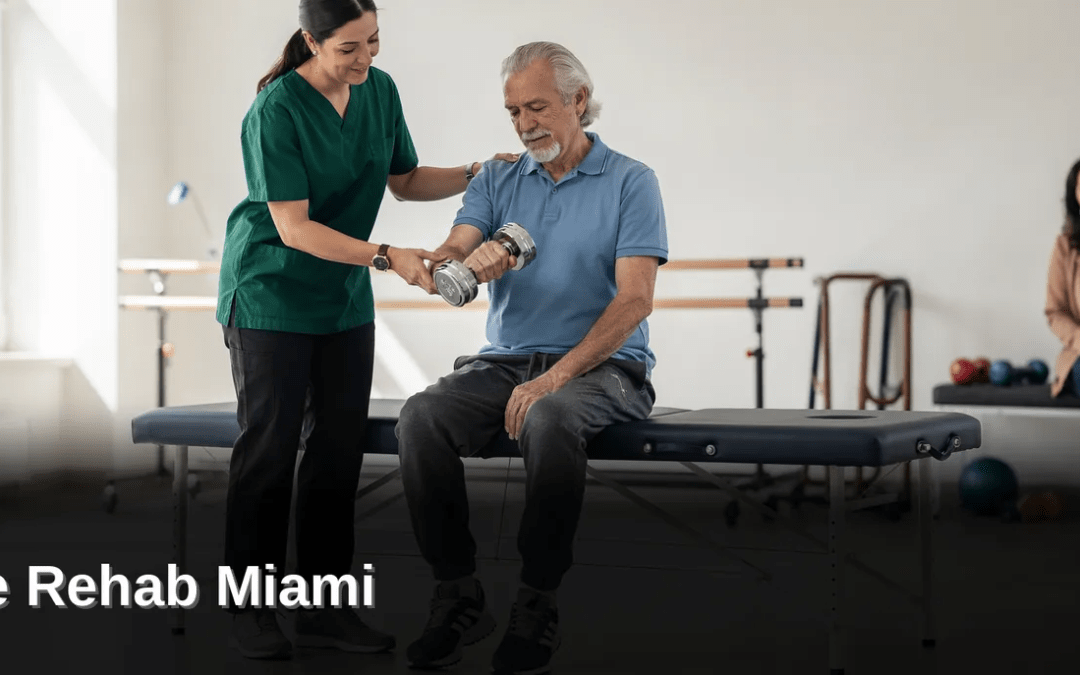
Physical therapy may assess movement, strength, balance, walking, transfers, and equipment within an ordered plan. A therapist evaluates the individual before selecting activities or recommendations.
Occupational therapy
Occupational therapy may review bathing, dressing, toileting, cooking, routines, and the relationship between the person and home environment. It may identify questions about grab bars, lighting, seating, or equipment, but a professional must assess the setting.
Skilled nursing
Skilled nursing may support observation, communication with the clinician, education authorized by the plan, and coordination of related care. It does not replace a physician, emergency department, or individualized evaluation.
Speech therapy and personal care
Speech therapy may be ordered for communication, cognition, or swallowing issues that affect safety. Personal care or home health aide services, when applicable, support approved daily-care tasks under the plan and payer rules.
Fall-prevention conversation table
| Topic | What to discuss with a professional | Why an online article is insufficient |
|---|---|---|
| Recent fall or near-fall | What happened and what changed | Injury and neurologic causes need evaluation |
| Walking and transfers | Current assistance and equipment | Safety depends on direct assessment |
| Medicines and vision | Review with clinician and eye provider | Do not stop medicine or choose lenses alone |
| Home hazards | Lighting, paths, rugs, stairs, bathroom | Layout and needs vary |
| Follow-up | When and whom to call | Clinical warning instructions are individual |
A practical home review
With permission and attention to immediate safety, families can note loose rugs, cluttered paths, poor lighting, stairs, wet surfaces, low seating, bathroom access, and shoes that do not fit securely. Do not move medical equipment, install a device, or change transfer technique if doing so could create a new hazard. Ask physical or occupational therapy about appropriate assessment.
The CDC older adult fall prevention information and Medicare home health page are useful starting points. Medicare coverage is not established by reading a source or having a fall. The clinician and payer must review applicable requirements.
Making prevention part of ordinary routines
Fall prevention is often a series of small, coordinated decisions rather than one purchase or one exercise. Ask the treating team whether vision, footwear, medication effects, blood pressure changes, pain, weakness, sleep, or a recent illness should be reviewed. Ask how the patient should request help with transfers and whether a caregiver needs training. A professional may recommend an assessment, but a family should not assume that a device or online exercise is safe for every person.
Agree on a simple communication plan: who calls the clinician after a fall, who manages appointments, where discharge instructions are kept, and which contact is authorized to receive updates. Note changes in confidence, walking, daily tasks, and near-falls for discussion. Avoid describing a person as “careless” or “not trying”; fear and reduced activity can affect function, and respectful support helps the clinical team understand the situation.
For Miami-Dade families, practical details can include stairs, elevators, tile or wet entryways, hurricane-related lighting or power concerns, and whether a caregiver can be present. Share those facts securely with the evaluating team. They inform coordination but do not establish a diagnosis, coverage, admission, or a guaranteed safety outcome.
Referral preparation
| Referral item | Example of what to confirm | Review boundary |
|---|---|---|
| Order | Requested discipline and reason | Family cannot issue a qualifying order alone |
| Functional change | Walking, transfers, or daily tasks | Do not self-diagnose injury |
| Location | Miami-Dade address and ZIP code | Service area must be confirmed |
| Payer | Medicare, Medicaid, plan, or commercial payer | Coverage is payer-specific |
| Contact authority | Patient or authorized representative | Share information lawfully and securely |
Send only the minimum necessary information through the secure Patient Referral Form.
Miami-Dade context and service boundaries
Families may coordinate a primary care clinician, emergency department, orthopedist, neurologist, therapist, caregiver, payer, and agency. Miami-Dade homes vary from apartments to multilevel homes, and building access and caregiver availability matter to practical coordination. Ameri-Care reviews requests for patients in Miami-Dade County subject to order, clinical and payer review, service area, agency requirements, and staffing.
Outside Miami-Dade, ask the clinician, plan, local health department, or 211 about resources. Ameri-Care cannot guarantee a visit, admission, coverage, authorization, staffing, timing, or result.
Privacy and HIPAA-conscious communication
Falls may involve photographs, diagnoses, medication information, hospital records, or functional details. Do not send them through public chat, social media, or ordinary email. Confirm permission or representative authority and use the secure referral channel. Share only what the intake team needs.
Payer and referral boundaries
Medicare, Medicaid, Medicare Advantage, and commercial plans may apply different order, documentation, authorization, network, and cost-sharing rules. The CMS home health agency center and Florida AHCA home health agency information provide regulatory context, not patient-specific approval.
| Stage | Main question | Decision-maker |
|---|---|---|
| Clinical | Is an assessment or home health order appropriate? | Treating clinician |
| Payer | Is the requested benefit covered or authorized? | Payer or plan |
| Agency | Can the request and location be accepted? | Agency intake and clinical team |
| Care | What plan follows evaluation? | Qualified professionals and responsible clinician |
Emergency boundaries
Call 911 after a serious fall, loss of consciousness, uncontrolled bleeding, suspected head or neck injury, severe pain, inability to move, chest pain, severe breathing trouble, or sudden weakness, facial droop, speech change, or confusion. After a head impact, seek prompt medical guidance even when the person takes blood thinners or initially seems well. Do not use a referral form or article to delay emergency care.
Supporting confidence without taking over
Families can support an older adult by asking permission before changing the room or offering physical help. Ask the person what feels difficult and report specific observations to the clinician. A respectful conversation can reveal that the main problem is a new symptom, a medication concern, fear after a fall, or an environmental barrier. Each possibility calls for a different professional response.
Keep the plan visible and identify one contact for appointments and secure updates. Note whether the patient has a preferred language, stairs, elevator limits, pets, or caregiver schedule that may affect coordination. These details are important for a Miami-Dade intake review, but they do not replace an evaluation and do not guarantee a visit, coverage, agency acceptance, staffing, or a safe outcome.
If another fall occurs, describe the facts to the treating team and follow its instructions. Do not wait for an intake response when emergency signs appear. Ask the older adult's permission before changing furniture or providing physical help, and document specific observations rather than labeling the person careless.
Before a scheduled visit, gather the current medication list, recent discharge papers, assistive-device information, preferred language, and the name of the clinician managing follow-up. This helps intake understand the request without asking the family to diagnose the cause of a fall or select a therapy plan.
Frequently asked questions
Does one fall qualify someone for home health?
No. The clinician, payer, agency, service area, documentation, and staffing must be reviewed.
Can this article tell me which walker to buy?
No. A qualified professional should assess the person and environment before equipment decisions.
Can Ameri-Care decide whether a home is safe?
No. Therapy and clinical teams may assess relevant needs within an ordered plan.
Does Medicare automatically cover fall-prevention visits?
No. Applicable benefit, order, documentation, and authorization requirements apply.
Can I upload a fall photo in chat?
No. Use the secure referral process and share minimum necessary information.
What services may be referred?
Depending on review, skilled nursing, physical therapy, occupational therapy, speech therapy, and personal care or home health aide services may be requested.
Does Ameri-Care serve all of South Florida?
Ameri-Care serves Miami-Dade County subject to review and capacity.
What should a family do after a non-emergency fall?
Contact the treating clinician, describe what happened, ask whether an evaluation or order is appropriate, and submit a secure referral when directed.
Start a secure referral conversation
Call 305.826.8800 or use the secure Patient Referral Form. Read the Spanish companion article, stroke recovery guide, and Medicare coverage guide. Review does not guarantee eligibility, coverage, authorization, admission, staffing, timing, or outcomes.