305.826.8800 [email protected]
Home Health Nursing & Physical Therapy in Doral, FL

Home Health Nursing & Physical Therapy in Doral, FL

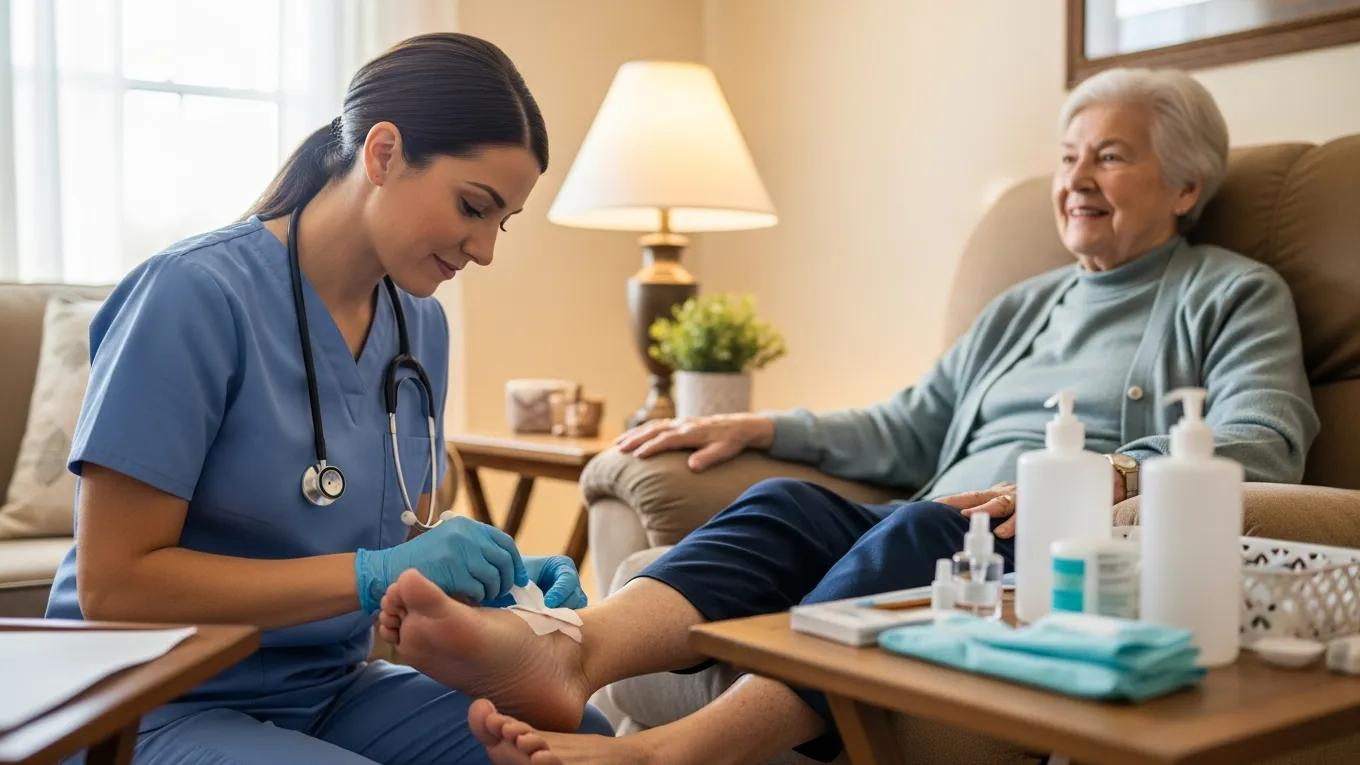
AI-generated illustration, not actual Ameri-Care staff or patients. A compassionate Ameri-Care nurse checking an older patient
AI-generated illustration, not actual Ameri-Care staff or patients. A skilled nurse provides vital medical monitoring and care management right in the patient's home.

🇪🇸 Leer este artículo en español

Home health nursing care and physical therapy at home in Doral provide skilled medical services in the comfort of your residence, helping you recover from surgery, manage a chronic illness, or regain mobility. These services, prescribed by a physician, create a personalized plan of care delivered by licensed professionals like nurses and physical therapists.

Key Takeaways

  • Skilled nursing and physical therapy can be delivered directly to your home in Doral and throughout Miami-Dade County.
  • Medicare may cover these services if you are homebound, under a doctor's care, and require skilled, intermittent care.
  • Physical therapy at home focuses on improving strength, balance, and mobility to increase safety and independence.
  • A key Medicare rule (the Jimmo Settlement) clarifies that coverage can be for maintaining function or slowing decline, not just for improvement.
  • Licensed, Medicare-certified agencies are required to follow federal quality and safety standards.

Overview of In-Home Skilled Nursing and Physical Therapy in Doral

When recovering from an illness, injury, or hospital stay, the path to wellness often leads home. For many residents in Doral, FL, this journey is made safer and more effective with professional clinical support. Home health nursing care and physical therapy at home are not about just having a helper; they are about bringing hospital-level clinical expertise and rehabilitation into a patient's own environment. This approach allows individuals to heal in a familiar, comfortable setting, which can significantly improve outcomes and quality of life.

Skilled nursing services are provided by a Registered Nurse (RN) or Licensed Practical Nurse (LPN) under the supervision of an RN. These services go far beyond basic assistance. A skilled nurse can manage complex medical needs, such as:

  • Wound care for surgical incisions or pressure ulcers
  • Intravenous (IV) therapy and injections
  • Catheter and ostomy care
  • Medication management and education
  • Monitoring of vital signs and unstable health conditions
  • Patient and family education on disease management

Physical therapy (PT) at home is delivered by a licensed Physical Therapist (PT) or a Physical Therapist Assistant (PTA) they supervise. The primary goal is to restore function, improve mobility, and reduce pain. A physical therapist will conduct a thorough assessment in your home to create a personalized treatment plan. This plan might focus on helping you walk safely, get in and out of bed or a chair, navigate stairs, and reduce your risk of falling. For more detailed information, our in-home physical therapy guidance offers a deeper comparison.

Comparing Skilled Nursing and Physical Therapy at Home

While both services are crucial components of home health, they serve distinct functions. Understanding the difference can help families advocate for the right type of care for their loved ones.

If needed, swipe or scroll to read every column.

Feature Skilled Nursing Care at Home Physical Therapy at Home
Primary Goal Help manage medical conditions, provide treatments, educate patients, and lower the risk of complications. Work toward restoring physical function, mobility, strength, and safety at home.
Key Services Wound care, IV therapy, medication administration, disease management, patient monitoring. Therapeutic exercises, gait training, balance training, transfer training, pain management.
Provided By Registered Nurse (RN) or Licensed Practical Nurse (LPN). Licensed Physical Therapist (PT) or Physical Therapist Assistant (PTA).
Common Scenarios Post-surgery recovery, managing diabetes or heart failure, complex wound treatment. After a fall, stroke, joint replacement, or for managing conditions like Parkinson's or MS.
Focus Medical stability and clinical oversight. Functional independence and mobility.

Medicare Maintenance Coverage Standards for Home Health Services

Under Medicare home health benefits, skilled nursing and therapy services are covered to maintain function or to prevent or slow decline, without requiring potential for improvement.

Skilled therapy maintenance programs are covered when an individualized assessment shows a qualified therapist's specialized skills are necessary to safely and effectively maintain condition or prevent decline.

A common misconception among families is that Medicare will only pay for home health services if the patient is showing consistent improvement. This is not true. Thanks to a landmark case, the Jimmo v. Sebelius settlement, Medicare policy was clarified. According to the Centers for Medicare & Medicaid Services (CMS), coverage does not depend on a patient's potential for improvement. Instead, it depends on their need for skilled care.

This means that Medicare may cover skilled nursing or therapy services needed to maintain a person's current condition or to prevent or slow further deterioration. This is known as maintenance care. For example, a patient with a progressive neurological condition like Multiple Sclerosis (MS) might need a physical therapist to design and oversee a safe exercise program to maintain their current level of strength and prevent a rapid decline in mobility. This care is skilled and necessary, and therefore may be covered even if the patient is not expected to "get better."

Eligibility for Medicare-Covered Home Health Care

While the maintenance standard is a crucial part of the rules, a patient must still meet all other eligibility requirements for the Medicare home health benefit. As CMS explains, these criteria include:

  1. You must be under the care of a doctor, and your services must be part of a plan of care created and regularly reviewed by that doctor.
  2. You must need, and a doctor must certify that you need, one or more of these: intermittent skilled nursing care, physical therapy, speech-language pathology, or continued occupational therapy.
  3. The home health agency caring for you must be Medicare-certified.
  4. You must be certified as homebound by your doctor. This means it is extremely difficult for you to leave your home, and you need help to do so.

Meeting these requirements is the first step toward receiving comprehensive home health care services in Miami-Dade County. An agency's clinical team will perform an in-person assessment to confirm eligibility and develop the specific plan of care that addresses the doctor's orders.

AI-generated illustration, not actual Ameri-Care staff or patients. A physical therapist helps a senior man with gentle leg-strengthening exercises in his home.
AI-generated illustration, not actual Ameri-Care staff or patients. Physical therapy at home focuses on personalized exercises to regain strength and improve safe mobility.

The Role of Physical Therapy in Strength, Mobility, and Fall Prevention

Physical therapy can be delivered in a patient's home to help improve strength, mobility, and fitness when recovering from illness, injury, or surgery.

Regular exercise and targeted physical activity can lower fall risks by strengthening leg muscles, enhancing balance, and maintaining bone health.

For older adults, especially those living in active communities like Doral, maintaining independence is paramount. Physical therapy at home plays a vital role in achieving this goal. After an injury, surgery like a hip or knee replacement, or a medical event like a stroke, a person's strength and balance can be significantly compromised. A physical therapist is an expert in movement and function who can help rebuild that foundation safely.

Creating a Personalized In-Home PT Program

An in-home physical therapist doesn't just lead a patient through generic exercises. The process is highly personalized:

  • Comprehensive Assessment: The therapist evaluates the patient's strength, range of motion, balance, gait (walking pattern), and home environment. They identify specific challenges and safety risks, such as loose rugs, poor lighting, or lack of grab bars.
  • Goal Setting: Working with the patient and their family, the therapist sets achievable, functional goals. This could be anything from walking to the mailbox independently to being able to climb a flight of stairs without fear.
  • Tailored Interventions: The therapist designs a program of exercises and activities to meet these goals. This may include strengthening exercises for the legs and core, balance training to reduce fall risk, and practice with walking aids like a cane or walker.
  • Caregiver Training: A crucial part of in-home PT is educating family members and caregivers on how to safely assist the patient and support their exercise program between therapy visits.

As MedlinePlus explains, rehabilitation services like physical therapy are designed to help you get back, keep, or improve abilities needed for daily life. Bringing this service into the home removes transportation barriers and allows the therapist to tailor the program to the patient's real-world environment.

Fall Prevention: A Critical Focus

Falls are a leading cause of serious injury among older adults. A physical therapist is a key partner in fall prevention. By identifying the root causes of instability—be it muscle weakness, poor balance, or vision issues—the therapist can implement targeted strategies. A fall prevention program may involve balance exercises, recommendations for home modifications, and education on moving safely. This proactive approach not only prevents injuries but also builds confidence, allowing seniors to remain active and engaged in their lives.

AI-generated illustration, not actual Ameri-Care staff or patients. A tidy home health setup on a table with a stethoscope, blood pressure monitor and a digital patient chart.

Coordinating Personalized Home Healthcare Throughout Miami-Dade County

Effective home health care is more than just a single service; it's a coordinated effort. At Ameri-Care Professional Service, Inc., our approach begins with a comprehensive assessment to understand the full scope of a patient's needs. We work directly with physicians, discharge planners, and families to support the transition from the hospital or clinic to the home. This is why we provide dedicated resources for home health referrals for professionals.

As a licensed, nurse- and therapist-owned agency, we bring a clinical perspective to every aspect of care. We are proud to be a Medicare-certified and CHAP-accredited agency, which means we meet the highest national standards for quality and patient safety. Our services are available not just in Doral, but across all of Miami-Dade County, from Homestead and Cutler Bay to Aventura and Miami Beach.

Checklist: Are You Ready for In-Home Care?

Preparing for the arrival of a home health clinician can make the first visit smoother and more effective. Use this checklist to get ready.

  • [ ] Gather Documents: Have your insurance cards (Medicare, etc.), photo ID, a list of current medications (including dosages and frequency), and any discharge paperwork from the hospital readily available.
  • [ ] Prepare Your Space: Keep a clear, well-lit path to the area where the nurse or therapist will be working with you. Secure any pets in another room to prevent tripping hazards.
  • [ ] List Your Questions: Write down any questions you have for the clinician about your condition, medications, or the plan of care.
  • [ ] Identify a Point Person: Decide which family member will be the primary contact for the agency and keep their contact information available.
  • [ ] Discuss Your Goals: Think about what you hope to achieve with home health care. Do you want to walk without a cane? Manage your blood sugar more effectively? Share these goals with your clinician.

Choosing the right partner for home health nursing care and physical therapy at home in Doral is a critical decision. You need an agency with proven expertise, a commitment to compassionate care, and deep roots in the community. Our bilingual team is ready to support your family's needs and provide excellent care in the comfort of your home.

If you or a loved one could benefit from skilled care at home, don't hesitate to reach out. Contact Ameri-Care Professional Service, Inc. today at (305) 826-8800 to discuss your needs or to schedule a no-obligation assessment. We are here to help you navigate the path to recovery and independence.

Frequently Asked Questions

What does being 'homebound' mean for Medicare eligibility?

For Medicare purposes, 'homebound' means leaving your home is a considerable and taxing effort. You may be considered homebound if you need the help of another person or a device like a walker or wheelchair to leave home. You can still leave for short, infrequent absences for non-medical reasons, like attending a religious service, and for medical appointments.

How is a home health plan of care created?

A plan of care is created by your physician in collaboration with the home health agency's clinical team. It begins with your doctor's orders. Then, a registered nurse or therapist from the agency will conduct a comprehensive assessment (called an OASIS assessment) in your home. This information is used to develop a personalized plan that outlines your specific services, goals, and visit frequency.

What is the difference between restorative and maintenance therapy?

Restorative therapy aims to help a patient regain skills or functions they lost due to injury or illness, with a goal of improvement. Maintenance therapy, as clarified by the Jimmo Settlement, aims to maintain a patient's current function or prevent or slow their decline. Both can be covered by Medicare if they require the skills of a qualified therapist.

Can I choose my own home health agency?

Yes. If you are eligible for Medicare-covered home health care, you have the right to choose any Medicare-certified agency that serves your area. Your doctor or hospital discharge planner may provide a list of agencies, but the final choice is yours. It's important to select an agency that you feel comfortable with and that meets your specific needs.

How long will home health services last?

The duration of home health services depends entirely on your individual needs and the plan of care established by your doctor. Care is provided for as long as you remain eligible and have a skilled need. Your plan of care is reviewed by your physician at least every 60 days to determine if services should continue, be adjusted, or be discontinued.

Do I need a hospital stay to qualify for home health care?

No, a prior hospital stay is not required to qualify for the Medicare home health benefit. While many patients begin services after being discharged from a hospital or skilled nursing facility, you can also qualify if you are at home and experience a decline in function or a change in your medical condition that requires skilled care, as ordered by your doctor.

Authoritative sources

Need Guidance on Home Health Care in Miami-Dade?

Speak directly with an Ameri-Care clinical coordinator to review eligibility, hospital discharge transitions, or insurance coverage.

Licensed & Medicare-Certified Agency • Serving Miami Lakes, Hialeah & All Miami-Dade County


Wound Care at Home Miami | Skilled Nursing | Ameri-Care Pro

Wound Care at Home Miami | Skilled Nursing | Ameri-Care Pro

Wound Care at Home in Miami: Skilled Nursing for Post-Surgical & Chronic Wounds

Wound Care at Home in Miami: Skilled Nursing for Post-Surgical & Chronic Wounds

By Eduardo Lopez Prado, PTA, Ameri-Care Professional Service, Inc.

This guide was developed with clinical oversight from Eduardo Lopez Prado, Licensed Home Health Administrator and Wound Care Coordination Specialist at Ameri-Care Professional Service, Inc., in alignment with WOCN Society and AHRQ evidence-based wound care standards.

Wound care at home is an essential service for individuals recovering from surgery or managing chronic wounds. This article explores the importance of professional wound care, the types of wounds treated by skilled nursing, and the role of nurses in providing effective home healthcare. Many patients face challenges in managing their wounds, which can lead to complications if not addressed properly. Skilled nursing services offer a solution by providing expert care and support in the comfort of home. We will discuss various aspects of wound care, including dressing changes, infection monitoring, and coordination with healthcare providers in Miami.

Indeed, the evolution of skilled home health care has been pivotal in addressing both acute and post-acute patient needs since its inception.

Skilled Home Health Care for Acute & Postacute Needs

skilled home health care has undergone important changes since 1965. Initially designed to cover acute and postacute care

Home care, 1965

Importance of Professional Wound Care

Professional wound care is crucial for ensuring optimal healing and preventing complications. Skilled nurses possess the expertise to assess wounds accurately, implement appropriate treatment plans, and monitor progress effectively. This level of care not only enhances healing but also provides patients with the necessary support and education to manage their conditions. By engaging skilled nursing services, patients can experience reduced healing times and improved overall health outcomes.

For those seeking reliable wound care at home in Miami, Ameri-Care Professional Service, Inc. offers specialized nursing services tailored to individual needs. Their team is dedicated to providing comprehensive care that addresses both post-surgical and chronic wounds.

Types of Wounds Treated by Home Health Nurses in Miami

Home health nurses in Miami are equipped to manage various types of wounds, ensuring that each patient receives the appropriate care for their specific condition. The following are the primary types of wounds treated:

  1. Post-Surgical Wounds: These wounds require careful monitoring and management to prevent infection and promote healing. Skilled nurses assess the wound site, change dressings, and provide education on care techniques. According to the CDC, surgical site infections (SSIs) occur in approximately 2–5% of patients undergoing inpatient surgery and are among the most common healthcare-associated infections. The CDC recommends daily wound inspection, sterile dressing technique, and monitoring for classic signs of infection such as erythema, warmth, purulent drainage, fever above 101°F, and increased pain, all of which skilled nursing wound care in Miami diligently addresses.
  2. Chronic Wounds: Chronic wounds, such as diabetic ulcers, require ongoing treatment and specialized care. Nurses develop individualized care plans that include regular assessments and adjustments based on the wound's condition. The American Heart Association (AHA) notes that peripheral artery disease (PAD) affects approximately 8.5 million Americans over age 40 and is a leading cause of non-healing lower extremity wounds. Patients with PAD combined with diabetes have a 15–40 times higher risk of lower extremity amputation, underscoring the urgency of skilled nursing wound care at home in Miami-Dade.
  3. Diabetic Ulcers: These wounds are common among individuals with diabetes and can lead to serious complications if not treated properly. Skilled nursing care focuses on infection prevention, wound cleaning, and patient education on managing diabetes. The Agency for Healthcare Research and Quality (AHRQ) reports that 15% of people with diabetes will develop a foot ulcer during their lifetime, and 85% of diabetes-related lower extremity amputations are preceded by a foot ulcer. Ameri-Care provides specialized diabetic ulcer care in Miami, including offloading education, glycemic monitoring coordination, and daily wound assessment to improve healing outcomes.

Post-Surgical Wounds

Post-surgical wounds necessitate meticulous care to ensure proper healing. Skilled nurses perform thorough assessments, clean the wound site, and apply appropriate dressings. They also monitor for signs of infection, such as increased redness, swelling, or discharge. By providing education on wound care techniques, nurses empower patients to take an active role in their recovery. The CDC emphasizes that daily wound inspection by a skilled nurse reduces SSI-related complications and enables early intervention.

Chronic Wounds

Chronic wounds present unique challenges that require specialized management. Skilled nurses develop comprehensive care strategies that address the underlying causes of the wound, such as poor circulation or diabetes. They educate patients on lifestyle modifications and self-care practices to enhance healing and prevent recurrence. Managing these complex conditions often involves navigating various challenges, as highlighted by the experiences of home care nurses.

Home Care Nurses Managing Chronic Wounds

home care nurses' experiences in managing chronic wounds, focusing on the obstacles they face and ideas for improving treatment of chronic wound treatment in home care

Home Care Nurses´ Experiences with Managing Chronic Wound, 2024

The Role of a Skilled Nurse in Home Wound Care

Skilled nurses play a vital role in home wound care by providing expert assessments, treatment, and education. Their responsibilities include:

  • Wound Assessment: Nurses evaluate the wound's size, depth, and condition to determine the appropriate treatment plan. Ameri-Care nurses follow the WOCN Society clinical practice guidelines, which are the gold standard for wound assessment and management in home health settings. WOCN-certified nurses (WOCNs/CWOCNs) represent the highest credential in wound care nursing.
  • Patient Education: They educate patients and caregivers on proper wound care techniques, signs of infection, and when to seek further medical attention.
  • Coordination with Healthcare Providers: Skilled nurses communicate with physicians and other healthcare professionals to ensure a cohesive approach to patient care.

Dressing Changes, Debridement Coordination & Infection Monitoring

Effective wound management involves regular dressing changes, debridement, and infection monitoring. Skilled nurses follow established protocols to ensure that wounds are kept clean and free from infection. They assess the wound during each visit, changing dressings as needed and coordinating debridement procedures when necessary. This proactive approach minimizes the risk of complications and promotes faster healing.

To further enhance these practices, there is a continuous call within the home health industry to advance wound management methods and technologies.

Improving In-Home Chronic Wound Management

the home health industry needs to improve wound management methods and technologies to properly care for patients with chronic wounds.

In-home wound care management utilizing information technology, 2007

Documentation, Physician Communication & Care Plan Updates

Accurate documentation and communication are essential components of effective wound care. Skilled nurses maintain detailed records of each patient's progress, including wound assessments, treatment plans, and any changes in condition. This documentation facilitates communication with physicians and ensures that care plans are updated as needed. By keeping all parties informed, nurses help to optimize patient outcomes.

V.A.C. Therapy at Home

V.A.C. (Vacuum-Assisted Closure) therapy is a specialized treatment for complex wounds that promotes healing through negative pressure. This therapy can be administered in the home setting by skilled nurses, who are trained in its application. V.A.C. therapy enhances blood flow to the wound site, reduces edema, and helps to draw the edges of the wound together. Patients receiving this therapy often experience improved healing times and reduced risk of infection.

The Four Stages of Wound Healing: What to Expect

Understanding the stages of wound healing is crucial for patients and caregivers. The four stages include:

  1. Hemostasis: The body initiates a clotting process to stop bleeding.
  2. Inflammation: The area becomes red and swollen as the body fights infection.
  3. Proliferation: New tissue forms, and the wound begins to close.
  4. Remodeling: The wound matures and strengthens over time.

By recognizing these stages, patients can better understand their healing process and the importance of adhering to their care plans.

Coordinating Care With Miami Wound Care Centers & Hospitals

Effective wound care often requires collaboration with local wound care centers and hospitals. Skilled nurses coordinate care by referring patients to specialized facilities when necessary. This collaboration ensures that patients receive comprehensive treatment tailored to their specific needs. Family involvement is also encouraged, as it can enhance support and improve patient outcomes.

When to Call a Wound Care Nurse: Warning Signs Checklist

It is essential for patients and caregivers to recognize when to seek professional help. Here are key warning signs that indicate the need for a wound care nurse:

  1. Increased Pain: If the pain around the wound worsens, it may signal an infection or complication.
  2. Signs of Infection: Redness, swelling, or discharge from the wound are indicators that professional care is needed.
  3. Delayed Healing: If the wound does not show signs of improvement within a reasonable timeframe, it is crucial to consult a skilled nurse.

Medicare & Medicaid Coverage for Home Wound Care in Florida

Medicare and Medicaid provide coverage for home wound care services in Florida, ensuring that patients have access to necessary treatments. Eligibility criteria may vary, so it is essential for patients to understand their coverage options. Skilled nursing services, including wound care, are typically covered under these programs, allowing patients to receive care without financial burden.

Frequently Asked Questions About Home Wound Care in Miami

Home wound care can raise many questions for patients and caregivers. Here are some common inquiries:

  1. What types of wounds can be treated at home? - Skilled nurses can manage post-surgical wounds, chronic wounds, and diabetic ulcers in the home setting.
  2. How often will a nurse visit for wound care? - The frequency of visits depends on the patient's needs and the complexity of the wound.
  3. Is home wound care covered by insurance? - Many insurance plans, including Medicare and Medicaid, cover home wound care services.

By addressing these questions, patients can feel more informed and confident in their wound care journey.

The PUSH Tool — Measuring Wound Healing Progress at Every Visit

Ameri-Care's skilled nurses use the PUSH Tool (Pressure Ulcer Scale for Healing), developed by the National Pressure Injury Advisory Panel (NPIAP) and endorsed by the WOCN Society, to objectively track wound healing progress at every home visit. Unlike subjective assessments, the PUSH Tool provides a validated, reproducible score that enables nurses to detect healing or deterioration early and communicate changes to the physician.

The PUSH Tool evaluates three parameters:

  1. Wound Surface Area (length × width in cm²): Scored 0–10 based on size. A decreasing score indicates healing; an increasing score signals deterioration or infection.
  2. Exudate Amount: Scored 0 (none) to 3 (heavy). Heavy exudate may indicate infection or biofilm formation.
  3. Tissue Type: Scored 0 (closed/healed) to 4 (necrotic tissue). Presence of necrotic tissue (eschar/slough) indicates the wound requires debridement before healing can progress.

The total PUSH Score ranges from 0 (healed) to 17 (most severe). Ameri-Care nurses document PUSH scores at every visit and trend them over time — a declining score confirms the care plan is working; a plateau or increase triggers a physician notification and care plan revision.

Clinical benchmark: According to WOCN clinical guidelines, a Stage II pressure injury should show measurable healing (decreasing PUSH score) within 2 weeks of initiating evidence-based treatment. Failure to progress warrants reassessment of the wound etiology, infection status, and nutritional support.

Wound Bed Preparation — The TIME Framework

Before any wound can heal, the wound bed must be properly prepared. Ameri-Care's skilled nurses apply the internationally recognized TIME framework — developed by wound care experts and endorsed by the WOCN Society — to systematically address the four barriers to wound healing at every visit.

The TIME framework includes:

T — Tissue Management (Non-viable or Deficient Tissue)

Non-viable tissue (necrotic eschar, slough, fibrin) must be removed before healing can occur. Ameri-Care nurses perform or coordinate three types of debridement based on wound type, patient condition, and physician orders:

  • Autolytic Debridement: The body's own enzymes liquefy necrotic tissue under a moisture-retentive dressing (hydrocolloid, hydrogel). Slowest method — appropriate for patients who cannot tolerate other methods. Takes 3–7 days.
  • Enzymatic Debridement: Topical agents (collagenase/Santyl) chemically dissolve necrotic tissue. Requires a physician prescription. Effective for wounds with thick eschar. Takes 5–14 days.
  • Sharp/Mechanical Debridement: Removal of necrotic tissue using sterile instruments (scissors, forceps, curette) by a skilled nurse or wound care specialist. Fastest method — immediately reduces bacterial burden and stimulates healing. Requires physician order and appropriate nurse competency.

I — Infection and Inflammation Control

Wound biofilm — a structured community of bacteria encased in a protective matrix — is present in up to 78% of chronic wounds (per AHRQ data) and is the primary reason wounds fail to heal. Signs of critical colonization or infection include increased exudate, new or worsening odor, friable granulation tissue, and wound breakdown despite treatment. Ameri-Care nurses obtain wound cultures per physician order, apply antimicrobial dressings (silver-impregnated, iodine-based, PHMB), and communicate culture results to the prescribing physician for antibiotic therapy decisions.

M — Moisture Balance

Optimal wound healing requires a moist — not wet — wound environment. Too dry: cell migration is impaired, eschar forms. Too wet: periwound maceration, skin breakdown, increased infection risk. Ameri-Care nurses select dressings based on exudate level:

  • Low exudate: hydrogel, hydrocolloid
  • Moderate exudate: foam dressings, alginate
  • Heavy exudate: super-absorbent dressings, NPWT (see below)

E — Edge of Wound (Epithelial Advancement)

If wound edges are not advancing (rolling, undermined, or hyperkeratotic), healing is stalled. Ameri-Care nurses assess edge advancement at every visit. Non-advancing edges may indicate the need for debridement, offloading (for diabetic foot ulcers), or referral for advanced therapies (bioengineered skin substitutes, growth factor therapy).

Advanced Wound Modalities — NPWT and Beyond

Negative Pressure Wound Therapy (NPWT / V.A.C. Therapy)

NPWT — commonly known by the brand name V.A.C. (Vacuum-Assisted Closure) — applies controlled sub-atmospheric pressure (typically −75 to −125 mmHg) to the wound bed via a foam dressing and sealed occlusive film connected to a portable pump. Ameri-Care's skilled nurses are trained to manage NPWT devices in the home setting, including:

  • Foam dressing changes every 48–72 hours (or per physician order)
  • Monitoring for canister fill, seal integrity, and pressure alarms
  • Assessing wound response: granulation tissue formation, wound contraction, exudate reduction

Clinical outcomes (per AHRQ and published literature): NPWT reduces wound surface area by an average of 49% over 4 weeks in chronic wounds. It is particularly effective for:

  • Dehisced surgical wounds
  • Diabetic foot ulcers (DFUs) — reduces amputation risk when combined with offloading
  • Stage III–IV pressure injuries
  • Traumatic wounds and skin graft preparation

NPWT requires a physician order and is covered by Medicare Part B for qualifying wounds when medical necessity criteria are met.

Hyperbaric Oxygen Therapy (HBO) Coordination

For patients with non-healing diabetic foot ulcers or radiation wounds, Ameri-Care coordinates referrals to hyperbaric oxygen therapy centers in Miami-Dade, including Baptist Health South Florida's Wound Care and Hyperbaric Center. HBO delivers 100% oxygen at 2–3 atmospheres of pressure, increasing tissue oxygen tension by 10–15x, promoting angiogenesis and bacterial killing.

Nutrition's Role in Wound Healing — Protein, Zinc & Vitamin C Targets

Wound healing is a metabolically demanding process. According to the AHRQ and WOCN Society clinical guidelines, malnutrition is present in up to 50% of patients with chronic wounds and is one of the most modifiable barriers to healing. Ameri-Care's skilled nurses assess nutritional status at every visit and coordinate with the patient's physician and dietitian when deficiencies are identified.

Protein: The primary building block of collagen — the structural protein that closes wounds. WOCN guidelines recommend 1.25–1.5g of protein per kilogram of body weight per day for patients with pressure injuries (vs. the standard 0.8g/kg/day for healthy adults). For a 70kg (154 lb) patient, this means 87–105g of protein daily. High-protein foods include eggs, chicken, fish, Greek yogurt, legumes, and protein supplements such as Ensure and Boost High Protein.

Zinc: Essential cofactor for collagen synthesis and immune function. Zinc deficiency impairs all phases of wound healing. Recommended dietary allowance (RDA): 8mg/day (women), 11mg/day (men). Patients with chronic wounds or malabsorption may require supplementation (zinc sulfate 220mg/day) per physician order. Food sources include oysters, beef, pumpkin seeds, and chickpeas.

Vitamin C (Ascorbic Acid): Critical for hydroxylation of proline and lysine — the amino acids that stabilize the collagen triple helix. Vitamin C deficiency (scurvy) causes wound dehiscence and impaired healing. For wound healing, therapeutic doses of 500–1,000mg/day of Vitamin C are commonly recommended (per AHRQ). Food sources include citrus fruits, bell peppers, strawberries, and broccoli.

Hydration: Adequate hydration maintains tissue perfusion and oxygen delivery to the wound bed. Target: 30–35mL of fluid per kilogram of body weight per day (unless fluid-restricted for cardiac or renal conditions). Ameri-Care nurses monitor for signs of dehydration (skin turgor, mucous membranes, urine color) at every visit.

Miami-specific note: Ameri-Care nurses provide nutritional education tailored to Miami-Dade's diverse patient population, including culturally appropriate high-protein meal suggestions for Cuban, Haitian, and Caribbean dietary preferences.

Home Health Care Cost Calculator Miami Lakes | Ameri-Care Pro

Home Health Care Cost Calculator Miami Lakes | Ameri-Care Pro

Home Health Care Cost Calculator: Planning for Skilled Nursing & Therapy in Miami

Home Health Care Cost Calculator: Planning Skilled Nursing and Therapy Services in Miami

By Eduardo Lopez Prado, Ameri-Care Professional Services, Inc

Navigating the costs associated with home health care can be daunting for families in Miami. Understanding the financial implications of skilled nursing and therapy services is crucial for effective planning. This article serves as a comprehensive guide to help you estimate the costs of in-home care, including skilled nursing and therapy services, while also providing insights into financial assistance options available in the area. By the end of this guide, you will have a clearer picture of what to expect in terms of pricing and how to budget for these essential services.

In this article, we will explore the typical costs for skilled nursing and home health aide services in Miami, the factors that influence these costs, and the various insurance and financial assistance options available. We will also discuss how to plan out-of-pocket expenses effectively and the tools that can help you estimate home health care costs.

What Are the Typical Costs for Skilled Nursing and Home Health Aide Services in Miami?

The costs for skilled nursing and home health aide services in Miami can vary significantly based on the type of care required and the complexity of the services. On average, personal care services range from $25 to $40 per hour, while skilled nursing care at home services can cost between $55 and $120 per hour. Specialized therapy services, such as physical or occupational therapy, typically range from $65 to $150 per hour. It's important to note that Miami's home care rates are approximately 15-20% above the Florida state average, reflecting the demand for quality care in the region.

Service TypeCost RangeFactors Influencing Cost
Personal Care Services$25 - $40 per hourType of care, hours needed
Skilled Nursing Services$55 - $120 per hourComplexity of care, qualifications of staff
Specialized Therapy Services$65 - $150 per hourType of therapy, duration of sessions

Understanding these costs is essential for families planning for home health care. The next section will delve into how skilled nursing home care prices vary based on service complexity.

How Do Skilled Nursing Home Care Prices Vary by Service Complexity?

Skilled nursing home care prices can vary significantly based on the complexity of the services required. Basic skilled nursing services, which may include routine health monitoring and medication administration, typically cost between $55 and $70 per hour. In contrast, complex skilled nursing services, which may involve specialized medical care or rehabilitation, can range from $70 to $120 per hour.

This variation in pricing is influenced by several factors, including the specific medical needs of the patient, the qualifications of the nursing staff, and the duration of care required. Families should consider these factors when budgeting for skilled nursing services to ensure they select the appropriate level of care for their loved ones.

What Are the Average Home Health Aide Rates in Miami?

Home health aide services in Miami generally cost between $25 and $40 per hour. These aides provide essential support for daily living activities, such as bathing, dressing, and meal preparation. Home health aides also assist with fall prevention for seniors, reducing the risk of injury and costly hospitalizations. When compared to skilled nursing services, which can range from $55 to $120 per hour, home health aide services are often a more affordable option for families seeking assistance with non-medical care.

Understanding the average rates for home health aides can help families make informed decisions about the type of care they need and how to allocate their budget effectively.

How Is the Cost of In-Home Therapy Calculated in Miami?

The cost of in-home therapy services in Miami is influenced by several factors, including the type of therapy being provided, the duration of each session, and the qualifications of the therapist. On average, therapy services can range from $65 to $150 per session, depending on the specific needs of the patient.

Insurance coverage can also play a significant role in determining out-of-pocket costs for therapy services. Many insurance plans cover a portion of therapy costs, but it is essential for families to verify their coverage details to understand their financial responsibilities.

Which Therapy Services Are Included in Home Care Fees?

Home care fees often include a variety of therapy services, which may encompass:

  • Physical Therapy: Aimed at improving mobility and physical function, typically costing between $80 and $120 per visit.
  • Occupational Therapy: Focused on helping individuals perform daily activities, with costs ranging from $75 to $115 per visit.
  • Speech Therapy: Designed to assist with communication and swallowing disorders, usually costing between $70 and $110 per visit.

These services are crucial for patients recovering from surgery, injury, or illness, and understanding their costs can help families plan accordingly.

What Factors Influence In-Home Therapy Pricing?

Several factors can influence the pricing of in-home therapy services, including:

  • Service Type: Different types of therapy have varying costs based on the complexity and duration of the sessions.
  • Provider Qualifications: Therapists with advanced certifications or specialized training may charge higher rates.
  • Geographic Location: Prices can vary based on the local market demand for therapy services.

Being aware of these factors can help families make informed decisions when selecting therapy services for their loved ones.

What Insurance and Medicare Coverage Options Affect Miami Home Health Care Costs?

Insurance coverage plays a critical role in determining the overall costs of home health care in Miami. Medicare typically covers skilled nursing services if deemed medically necessary, which can significantly reduce out-of-pocket expenses for eligible patients. Additionally, Florida's HCBS Medicaid Waiver covers personal care and skilled nursing for low-income seniors, providing essential support for those who qualify.

Further research highlights the importance and structure of these vital programs in the state.

Florida Medicaid Waivers for Home & Community-Based Services

(c) Medicaid waivers for HCBS (such as Florida's Aged and Disabled Waiver) are the primary mechanism for providing long-term care services to elders in Florida. This study examines the relative benefits and costs of five Medicaid HCBS programs available to elders in Florida.

The relative benefits and cost of Medicaid home-and community-based services in Florida, 2006

Statewide Medicaid Managed Care (SMMC) Long-Term Care Program

The Statewide Medicaid Managed Care (SMMC) Long-Term Care (LTC) program is Florida's primary Medicaid managed care program for long-term services and supports, replacing the older Medicaid waiver programs. It is administered by managed care plans contracted with the Florida Agency for Health Care Administration (AHCA).

The SMMC LTC program covers a wide range of services including home health aide visits, skilled nursing visits, personal care, adult day health care, assisted living, behavioral health, and care coordination. Miami-Dade County is served under this program, and enrollees choose from approved managed care plans operating in their region.

Eligibility Requirements for Miami-Dade Residents

To qualify for the SMMC LTC program in Miami-Dade, applicants must meet the following criteria:

  • Be a Florida Medicaid recipient, meeting income and asset limits: income generally at or below 300% of the SSI Federal Benefit Rate, approximately $2,829 per month in 2024; assets at or below $2,000 for an individual.
  • Be age 65 or older, OR age 18–64 with a qualifying disability.
  • Require a nursing facility level of care, as determined by a CARES assessment — Comprehensive Assessment and Review for Long-Term Care Services.
  • Be a U.S. citizen or qualified immigrant and a Florida resident.
  • Not already be enrolled in another Medicaid long-term care program.

Application Process — Step by Step

  1. Contact the Florida Department of Elder Affairs (DOEA) or call the Elder Helpline at 1-800-963-5337 to initiate the process.
  2. Complete a Medicaid application through the ACCESS Florida portal (www.myflorida.com/accessflorida) or in person at the Miami-Dade County Department of Children and Families (DCF) office.
  3. Undergo a CARES assessment — a trained assessor visits the applicant's home to evaluate functional needs and determine nursing facility level of care.
  4. If approved for Medicaid and deemed eligible for LTC, the applicant is enrolled in the SMMC LTC program and given a choice of managed care plans.
  5. Select a managed care plan from those available in Miami-Dade County and choose a primary care provider and home health agency (such as Ameri-Care Professional Services).
  6. Begin receiving covered home health care services coordinated through the selected managed care plan.

Waitlist & Planning Tips

Florida's SMMC LTC program can have significant waitlists, sometimes 1–2 years in high-demand counties like Miami-Dade. Families are advised to apply as early as possible, even before immediate need arises.

While waiting, exploring bridge options such as private pay home care, Medicare-covered skilled nursing visits, or Veterans' benefits can provide interim support. Additionally, working with a Medicaid planning attorney or certified elder law attorney (CELA) can help protect assets and potentially accelerate eligibility.

How Does Medicare Cover Skilled Nursing and Therapy Services at Home?

Medicare coverage for skilled nursing and therapy services at home is contingent upon specific eligibility requirements. To qualify, services must be deemed necessary for the patient's recovery, and patients must be homebound. Medicare typically covers a range of services, including skilled nursing care and certain therapy services, which can alleviate the financial burden on families.

Understanding the nuances of Medicare coverage can help families navigate the complexities of home health care costs more effectively.

Are There Financial Assistance Programs for Home Health Care in Miami?

Yes, there are several financial assistance programs available for home health care in Miami. These programs can help families manage the costs associated with skilled nursing and therapy services. Some options include:

  • Medicare: Provides coverage for eligible patients, particularly for skilled nursing and therapy services.
  • Medicaid: Offers assistance for low-income seniors through programs like the Florida HCBS Medicaid Waiver.
  • Private Insurance: Many private insurance plans offer coverage for home health care services, but families should verify their specific benefits.

Exploring these options can provide much-needed financial relief for families seeking home health care services.

Studies have consistently shown the economic advantages of utilizing Medicaid Waiver services for long-term care.

Medicaid Cost Savings for Home Care in Florida

Users of Medicaid Waiver services generate considerably lower Medicaid costs than nonusers, and several HCBS programs in Florida show evidence of Medicaid cost-savings.

Medicaid cost-savings of home-and community-based service programs for older persons in Florida, A Shapiro, 2011

How Can Patients and Caregivers Plan Out-of-Pocket Expenses for Home Health Care in Miami?

Planning for out-of-pocket expenses related to home health care requires careful budgeting and consideration of the services needed. Families should:

  1. Assess Care Needs: Determine the level of care required, including skilled nursing and therapy services.
  2. Research Costs: Gather information on the average costs of services in Miami to create a realistic budget.
  3. Explore Financial Assistance: Investigate available insurance coverage and financial aid programs to offset costs.

By taking these steps, families can better prepare for the financial aspects of home health care.

What Tools Are Available to Estimate Home Health Care Costs?

Several tools can assist families in estimating home health care costs, including:

  • Cost Calculators: Online calculators can provide estimates based on specific care needs and service types.
  • Insurance Provider Resources: Many insurance companies offer tools to help families understand their coverage and potential out-of-pocket costs.
  • Consultation with Care Providers: Speaking with home health care agencies can provide valuable insights into pricing and available services.

Utilizing these tools can help families make informed decisions about their home health care options.

How Does the Patient Referral Process Facilitate Access to Skilled Nursing and Therapy?

The patient referral process is essential for accessing skilled nursing and therapy services. Families typically begin by filling out a referral form, which is then reviewed by a healthcare professional who assesses the patient's needs. This process ensures that patients receive the appropriate level of care tailored to their specific requirements.

Understanding the patient referral process can help families navigate the complexities of securing home health care services more efficiently.

For those seeking comprehensive home health care solutions, Ameri-Care Pro offers a range of services tailored to meet individual needs. Their commitment to quality and compassionate care makes them a trusted provider in the Miami area.

To learn more about how Ameri-Care Pro can assist you or your loved ones, visit their website for detailed information on their services and coverage areas.

Frequently Asked Questions About Home Health Care Costs in Miami

Does Medicare Cover Home Health Care in Miami?

Yes, Medicare can cover home health care in Miami, but only under specific conditions. To qualify, you must meet Medicare's "homebound" requirement — meaning leaving your home requires a considerable and taxing effort due to illness, injury, or disability. Occasional trips for medical appointments or religious services do not disqualify you, but you must generally remain at home. In addition to being homebound, you must have a documented "skilled need" — meaning your care plan must include skilled nursing visits, physical therapy, occupational therapy, or speech-language pathology services ordered by a physician. Medicare does not cover custodial or personal care (such as bathing, dressing, or meal preparation) when that is the only care needed. When both conditions are met, Medicare Part A or Part B covers 100% of approved home health services with no copay, provided your agency is Medicare-certified. Ameri-Care Professional Service, Inc. is a Medicare-certified home health agency serving Miami-Dade County.

How Long Does SMMC LTC Approval Take in Miami-Dade?

The SMMC Long-Term Care approval process in Miami-Dade County can take anywhere from several months to 1–2 years from initial application to the start of services. The timeline has several phases: Medicaid eligibility determination by the Florida Department of Children and Families (DCF) typically takes 45–90 days; the CARES functional assessment is scheduled after Medicaid approval and can take an additional 30–60 days; and once deemed eligible for LTC services, applicants are placed on a waitlist. Miami-Dade County consistently experiences some of the longest waitlists in Florida due to high demand and population density. Priority is given to individuals at imminent risk of nursing home placement, so those with less urgent needs may wait longer. Families are strongly advised to apply as early as possible — ideally 12–18 months before anticipated need — and to arrange private pay or Medicare-covered bridge care in the interim. Ameri-Care Professional Services can provide private pay home health care while your SMMC LTC application is being processed.

Can I Choose My Own Home Health Agency Under Medicaid in Florida?

Yes, Florida's SMMC Long-Term Care program gives enrollees the right to choose their home health agency, but within a structured process. Once approved for SMMC LTC, you first select a managed care plan from those contracted by the Florida Agency for Health Care Administration (AHCA) and operating in Miami-Dade County. Your chosen managed care plan then maintains a network of approved home health agencies. You may select any in-network agency from your plan's provider directory — and you have the right to request a change of agency if you are dissatisfied with your current provider. It is important to confirm that your preferred home health agency is in-network with your selected managed care plan before enrollment. When evaluating plans, ask specifically which home health agencies are included in their Miami-Dade network. Ameri-Care Professional Service, Inc. works with multiple managed care plans operating in Miami-Dade County — contact us to confirm participation with your specific plan.

What Is the Difference Between a Home Health Aide and a Skilled Nurse?

The distinction between a home health aide and a skilled nurse comes down to the type of care provided — non-medical personal care versus clinical medical care. A home health aide (HHA) assists with activities of daily living (ADLs) such as bathing, dressing, grooming, toileting, meal preparation, light housekeeping, and companionship. HHAs do not perform medical procedures and do not require a clinical license. A skilled nurse (Registered Nurse or Licensed Practical Nurse), on the other hand, provides medically necessary clinical services: wound care and dressing changes, medication management and injections, IV therapy, post-surgical monitoring, chronic disease management (e.g., diabetes, congestive heart failure), and patient and family education. Skilled nursing visits are typically shorter and more focused than aide visits, and they require a physician's order. Medicare and Medicaid cover skilled nursing visits when medically necessary; home health aide services are generally only covered when provided alongside a skilled service. Ameri-Care Professional Service, Inc. provides both certified home health aides and skilled nursing care at home services in Miami-Dade County, allowing families to receive comprehensive care under one provider.

Are There Financial Assistance Options for Miami Veterans?

Yes, Miami-area veterans and their surviving spouses may qualify for significant financial assistance through the U.S. Department of Veterans Affairs (VA). The most relevant benefit for home health care is the VA Aid and Attendance (A&A) benefit, a pension enhancement available to veterans who require the regular assistance of another person to perform daily activities such as bathing, dressing, feeding, or adjusting prosthetic devices. Aid and Attendance can provide up to $2,300/month for a veteran, $1,478/month for a surviving spouse, or $2,727/month for a couple (2024 rates), which can be applied directly toward the cost of home health care services. To qualify, veterans must meet service requirements (generally 90+ days of active duty with at least one day during a wartime period), income and asset thresholds, and a medical need for assistance. Miami veterans can apply through the VA's eBenefits portal or by contacting the Miami VA Healthcare System at (305) 575-7000. Additionally, the Florida Department of Veterans' Affairs (FDVA) offers state-level assistance programs and can help veterans navigate the application process. Ameri-Care Professional Service, Inc. welcomes veteran clients and can coordinate care plans compatible with VA benefit structures.

Have more questions about home health care costs or financial assistance options in Miami? Submit a patient referral or contact Ameri-Care Professional Service, Inc. today for a personalized consultation. Our care coordinators are available to help Miami-Dade families navigate costs, insurance coverage, and care planning — at no obligation.

Top Home Safety Tips for Seniors

Top Home Safety Tips for Seniors

Enhancing home safety for seniors can significantly contribute to their independence and well-being. By addressing potential hazards and implementing practical modifications, older adults may experience a reduced risk of accidents and maintain a comfortable living environment.

Key Takeaways

  • Regularly assess the home environment to identify and address potential fall risks.
  • Consider incorporating assistive devices and technology to support daily living and emergency preparedness.
  • Implement strategies for medication management to help support appropriate usage.
  • Explore professional home health support for comprehensive safety assessments and care planning.
  • Adequate and appropriate lighting throughout the home, particularly in high-traffic areas, can help improve visibility.

Understanding Common Home Safety Risks for Seniors

As individuals age, certain aspects of their home environment can present increased safety challenges. Recognizing these common risks is a foundational step toward creating a safer living space.

Falls and Their Potential Impact

Falls are a significant concern among older adults. Factors that may contribute to falls can include slippery surfaces, uneven flooring, inadequate lighting, and obstacles in walking paths. The potential consequences of falls can range from minor bruises to more serious injuries, which may affect an individual's independence and quality of life. Resources for fall prevention are available from organizations such as the Centers for Disease Control and Prevention (CDC), including their STEADI initiative (CDC: STEADI Patient and Caregiver Resources).

Medication Management Considerations

Managing multiple medications can be complex for seniors, potentially leading to challenges with dosage or timing. Issues such as medication storage, difficulty reading labels, or forgetfulness are common and may pose health considerations.

Fire and Burn Hazard Awareness

Reduced mobility, changes in sensory perception, and cognitive shifts may contribute to an increased risk of fire and burn injuries. Common hazards can include unattended cooking, electrical wiring concerns, and the use of heating devices.

Emergency Preparedness Planning

Having a plan for various emergencies, such as power outages, natural disasters, or medical crises, is important. Seniors may face challenges in quickly evacuating or communicating during an emergency without appropriate preparation.

Practical Home Modifications for Fall Prevention

Modifying the home environment can be a key strategy in helping to reduce the risk of falls and enhance overall safety. These changes often focus on improving accessibility and stability.

Improving Lighting and Visibility

Adequate lighting is important, especially in hallways, stairwells, bathrooms, and entryways. Options may include installing brighter bulbs, motion-sensor lights, and nightlights to help illuminate pathways and reduce shadows. Placing light switches in easily accessible locations can also be beneficial.

Securing Flooring and Pathways

Consider removing throw rugs or securing them with non-slip backing. Addressing loose carpeting, uneven flooring, or cracked tiles can be helpful. Keeping pathways clear of clutter, electrical cords, and furniture that could obstruct movement is also important. For bathrooms, non-slip mats or treatments for shower and tub surfaces may be considered.

Installing Grab Bars and Handrails

Grab bars in bathrooms, particularly near toilets and in showers/tubs, can provide support. Handrails on both sides of staircases, extending beyond the first and last steps, can offer stability. These should be securely installed into wall studs.

A senior woman using a grab bar to steady herself while stepping into a shower, illustrating home safety modifications.
Installing grab bars in bathrooms can contribute to a reduction in fall risks for seniors.

Enhancing Safety Through Assistive Devices and Technology

A range of assistive devices and modern technologies can further support senior safety and independence at home.

Personal Alert Systems

Medical alert systems, often worn as pendants or bracelets, can allow individuals to call for help in an emergency. Some systems may offer fall detection capabilities, which can automatically alert emergency contacts or services.

Mobility Aids and Support

Walkers, canes, and rollators can provide stability and support for individuals with mobility considerations. It is generally recommended that these devices are properly fitted and maintained. Raised toilet seats, shower chairs, and transfer benches can also assist with bathroom safety.

Smart Home Technology

Smart home devices, such as voice-activated assistants, smart lighting, and remote-controlled thermostats, can offer convenience and enhance safety. These technologies may help individuals manage their environment more easily, potentially reducing the need for risky movements.

Medication Management and Fire Safety Strategies

Effective management of medications and proactive fire safety measures are crucial components of a safe home environment for seniors.

Organizing Medications

Pill organizers, medication reminder apps, and automated dispensers can help individuals adhere to their prescribed medication schedules. Clear labeling and proper storage of medications, away from heat and moisture, are also important. Medication reconciliation, especially after hospital stays, can help support continuity of care.

Fire Prevention and Response

Regularly check smoke detectors and carbon monoxide detectors to confirm they are functioning correctly, and replace batteries as needed. Keeping a fire extinguisher readily accessible and knowing how to use it can be beneficial. It is advisable to avoid leaving cooking unattended and to be cautious with heating devices. Developing an escape plan and practicing it can also be valuable.

A senior woman organizing her medications into a pill organizer, emphasizing the importance of medication management for safety.
Proper medication organization can help support adherence and reduce potential errors.

Emergency Preparedness and Communication

Being prepared for emergencies and having reliable communication methods are vital for senior safety.

Developing an Emergency Plan

An emergency plan should include contact information for family, friends, and healthcare providers. It is helpful to have a list of current medications and medical conditions readily available. Knowing evacuation routes and having an emergency kit with essential supplies can also be beneficial.

Reliable Communication Methods

Access to reliable communication methods, such as a charged cell phone, landline, or medical alert system, is important for contacting help during an emergency. Regularly checking that these systems are operational can be a good practice.

How Professional Home Health Services Can Help

Professional home health services can offer comprehensive support to enhance senior safety and well-being at home.

Comprehensive Home Safety Assessments

Skilled professionals can conduct thorough home safety assessments, identifying potential hazards and recommending modifications tailored to individual needs. This can include evaluating mobility, medication management practices, and emergency preparedness.

Personalized Care Plans

Based on assessments, individualized care plans can be developed to address specific safety concerns. This may involve skilled nursing care for medication management, physical therapy for fall prevention, or personal care assistance for daily activities.

Support for Post-Hospital Recovery and Chronic Conditions

Home health services can provide crucial support during post-hospital recovery, helping to prevent readmissions and promote a safe transition home. For individuals with chronic conditions, ongoing support can help manage symptoms and reduce safety risks associated with their health status.

Home Safety Checklist for Seniors

Click to expand the Home Safety Checklist
  • Living Areas:
    • Are pathways clear of clutter, cords, and throw rugs?
    • Is furniture sturdy and easy to get in and out of?
    • Is lighting adequate, especially at night?
    • Are smoke detectors and carbon monoxide detectors functional?
  • Kitchen:
    • Are frequently used items within easy reach?
    • Is the floor free of spills and obstacles?
    • Are appliances in good working order?
    • Are fire extinguishers accessible and charged?
  • Bathroom:
    • Are grab bars installed near the toilet and in the shower/tub?
    • Are non-slip mats used in the shower/tub and on the floor?
    • Is lighting bright and easily accessible?
    • Is a raised toilet seat or shower chair considered if needed?
  • Bedroom:
    • Is the path from the bed to the bathroom clear?
    • Is a nightlight available?
    • Is the bed at a comfortable height for getting in and out?
  • Stairs and Hallways:
    • Are handrails installed on both sides of staircases?
    • Is lighting bright and switches easily accessible at both ends?
    • Are stairs free of clutter and in good repair?
  • Medication Management:
    • Are medications organized and clearly labeled?
    • Are medication reminders or dispensers used?
    • Is a current medication list readily available?
  • Emergency Preparedness:
    • Is an emergency contact list visible?
    • Is there a charged phone or medical alert system accessible?
    • Is an emergency kit prepared?

Comparing Home Safety Solutions

Safety Aspect DIY Solutions Professional Home Health Support
Fall Prevention Removing clutter, securing rugs, improving lighting, installing basic grab bars. Comprehensive home assessment, personalized exercise programs (e.g., physical therapy), mobility aid recommendations, professional installation of safety equipment.
Medication Management Pill organizers, setting alarms, creating medication lists. Skilled nursing for medication reconciliation, administration assistance, education on side effects and interactions.
Emergency Preparedness Creating contact lists, basic emergency kit, personal alert systems. Assistance with developing personalized emergency plans, coordination with medical alert services, communication support.
Personal Care Family/friend assistance for daily tasks. Home health aide services for bathing, dressing, grooming, and mobility assistance.
Chronic Condition Support Self-monitoring, adherence to physician's instructions. Skilled nursing for condition monitoring, symptom management, patient education, coordination with physicians.

Trust and Credentials: Ameri-Care Professional Service, Inc.

Ameri-Care Professional Service, Inc. is a licensed, nurse- and therapist-owned home health care agency dedicated to providing quality care in Miami Lakes, Hialeah, and greater Miami-Dade County, Florida. We are proud to be certified by Medicare and Medicaid, and accredited by the Community Health Accreditation Partner (CHAP). Our commitment is to deliver professional, compassionate, and effective home health services tailored to the needs of each individual.

Frequently Asked Questions About Senior Home Safety

What are the most common home hazards for seniors?

Common hazards often include fall risks like loose rugs, clutter, and inadequate lighting, as well as challenges with medication management, fire safety, and emergency preparedness. Professional assessments can help identify specific risks in an individual's home.

How can I make a bathroom safer for an older adult?

To help make a bathroom safer, consider installing grab bars near the toilet and in the shower or tub, using non-slip mats, having adequate lighting, and potentially adding a raised toilet seat or shower chair to assist with transfers.

What role does lighting play in senior home safety?

Adequate and appropriate lighting can significantly reduce the risk of falls by improving visibility, especially in high-traffic areas, stairwells, and at night. Motion-sensor lights and nightlights can be particularly helpful.

Can home health services help with fall prevention?

Yes, home health services can include comprehensive fall risk assessments, physical therapy to improve strength and balance, and recommendations for home modifications to help reduce fall risks.

How can I prepare for emergencies at home?

Preparing for emergencies can involve creating an emergency contact list, having a charged phone or medical alert system readily available, preparing an emergency kit, and developing an evacuation plan. Professional home health services can also assist in developing a personalized emergency plan.

Sources

For personalized guidance on enhancing home safety or to learn more about our home health care services in Miami-Dade County, please contact Ameri-Care Professional Service, Inc. Our team is available to discuss your needs and help you arrange an assessment. Call us at 305.826.8800 or visit ameri-carepro.com to request more information.