



🇪🇸 Leer este artículo en español
Recognizing and responding to changes in a loved one's health condition is a critical aspect of effective home health care, empowering families to act swiftly and prevent potential complications. This guide provides essential information for caregivers to identify subtle shifts in health, understand the role of skilled nursing, and know when to seek professional medical advice.
- Early detection of changes in a loved one's condition is crucial for potentially preventing complications and supporting timely intervention.
- Monitor for subtle shifts in neurological function, cardiovascular health, digestion, skin integrity, and behavior.
- Skilled nurses play a vital role in assessing, documenting, and communicating changes, adjusting the plan of care as needed.
- Understanding Medicare's criteria for skilled nursing coverage is essential for accessing necessary home health services.
- Maintain open communication with your home health team and physician, and know when to seek immediate medical attention.
Understanding the Importance of Early Detection
In home health care, the patient's environment is familiar and comfortable, but it also means family caregivers are often the first to notice subtle shifts in health. Early detection of changes in condition is paramount. A minor alteration in appetite, sleep patterns, or mobility could be an early indicator of a more significant underlying issue. Prompt recognition allows for timely intervention, potentially preventing hospitalizations, worsening of chronic conditions, or other adverse health events. For instance, a slight increase in confusion might signal a urinary tract infection, which, if left untreated, could lead to severe delirium or sepsis, especially in older adults. Our skilled nursing care at home emphasizes continuous monitoring and caregiver education to help identify these early signs.
Common Changes in Condition to Monitor
Being attentive to a range of physical, cognitive, and behavioral changes is vital for caregivers. While every individual is unique, certain patterns often indicate a need for medical review. It's not about diagnosing, but about observing and reporting accurately to the healthcare team. This proactive approach is a cornerstone of effective home health management, particularly for those receiving chronic condition support at home.
Neurological Changes
Neurological changes can manifest in various ways, from subtle shifts in memory to more pronounced alterations in consciousness. Caregivers should observe for:
- Increased confusion or disorientation: Difficulty remembering recent events, names, or where they are.
- Sudden changes in mood or behavior: Unusual irritability, agitation, withdrawal, or apathy.
- Dizziness or balance issues: New onset of unsteadiness, increased falls, or difficulty walking. Falls are a leading cause of injury among older adults, and changes in balance can be a warning sign.
- Slurred speech or difficulty communicating: Trouble finding words, speaking clearly, or understanding conversations.
- Weakness or numbness: New or worsening weakness in a limb, or a sensation of numbness or tingling.
Cardiovascular and Respiratory Changes
These changes often relate to the heart and lungs and can be particularly serious. Look out for:
- Shortness of breath: Difficulty breathing, especially at rest or with minimal exertion.
- Chest pain or discomfort: Any new or worsening pain in the chest, arm, jaw, or back.
- Swelling (edema): New or increased swelling in the legs, ankles, or feet.
- Changes in heart rate: A heart rate that is suddenly much faster, slower, or irregular.
- Persistent cough: A cough that doesn't go away, especially if accompanied by phlegm or wheezing.
Gastrointestinal and Urinary Changes
Digestive and urinary health are crucial indicators of overall well-being. Pay attention to:
- Changes in appetite or weight: Sudden loss of appetite, unexplained weight loss or gain.
- Nausea, vomiting, or diarrhea: Persistent or severe gastrointestinal distress.
- Constipation or bowel incontinence: New or worsening difficulty with bowel movements or loss of bowel control.
- Urinary changes: Increased frequency, urgency, pain during urination, or changes in urine color or odor.
- Urinary incontinence: New or worsening loss of bladder control.
Skin Integrity Changes
The skin can reveal much about a person's health, especially for those with limited mobility. Monitor for:
- New or worsening skin redness or pressure areas: Especially over bony prominences like hips, heels, or tailbone.
- Open sores, wounds, or skin tears: Any break in the skin that is not healing or appears infected.
- Changes in skin color or temperature: Pale, mottled, unusually warm, or cool skin.
- Rashes or itching: New or unexplained skin eruptions or persistent itching.
Behavioral and Cognitive Changes
These changes can be subtle but are important indicators of mental and emotional well-being. Observe for:
- Increased anxiety or depression: Persistent sadness, loss of interest in activities, or heightened worry.
- Sleep disturbances: Difficulty falling or staying asleep, or excessive daytime sleepiness.
- Social withdrawal: Avoiding interactions with family or friends.
- Difficulty with daily tasks: Struggling with activities they previously managed easily, such as dressing or managing medications.
The Role of Skilled Nursing in Monitoring and Response
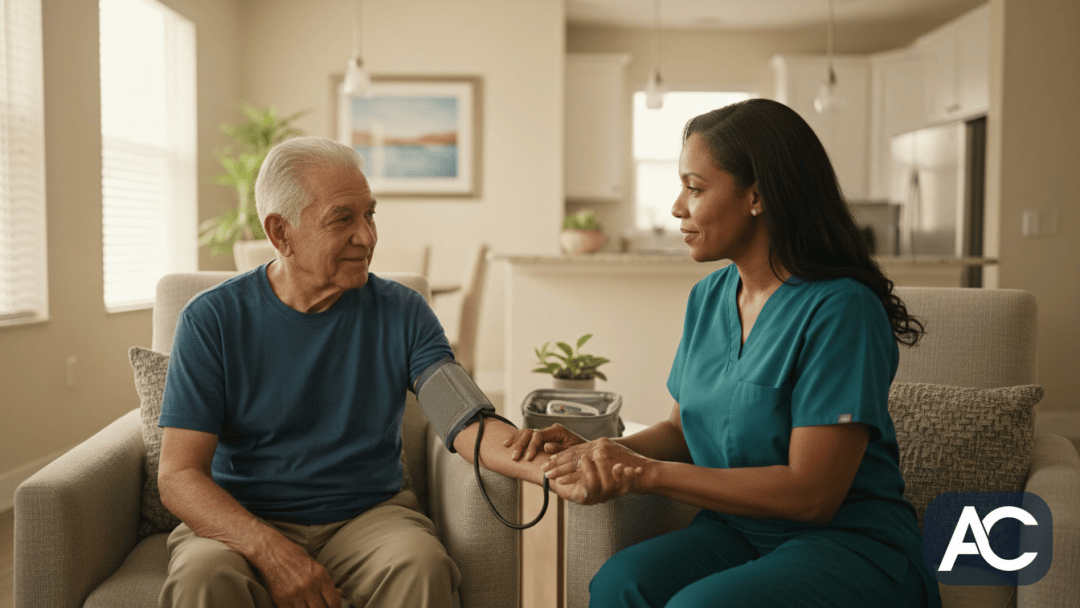
Skilled nursing care is central to managing and responding to changes in a patient's condition at home. Our licensed nurses are trained to conduct comprehensive assessments, identify subtle signs of decline or improvement, and communicate effectively with physicians and family members. During each visit, a skilled nurse will:
- Perform a thorough physical assessment: Checking vital signs, reviewing body systems, and assessing overall well-being.
- Review medications: Supporting proper adherence and identifying potential side effects or interactions.
- Educate caregivers: Providing guidance on what to look for and how to respond to specific changes.
- Communicate with the physician: Reporting observations and recommending adjustments to the plan of care.
- Adjust the plan of care: Modifying interventions based on the patient's evolving needs, which is a key component of the Medicare-certified home health model.
For patients transitioning from hospital to home, this continuous monitoring is particularly vital for post-hospital recovery, helping to prevent readmissions. According to Medicare.gov, home health services, including skilled nursing, are designed to help individuals recover, regain self-sufficiency, and remain safely at home.
When to Contact Your Home Health Agency or Physician
Knowing when to call for help is crucial. While some changes might warrant a discussion during the next scheduled visit, others require immediate attention. Always err on the side of caution. Contact your home health agency or physician if you observe:
- Sudden, severe pain.
- Difficulty breathing or shortness of breath.
- Sudden weakness, numbness, or paralysis on one side of the body.
- New or worsening confusion, disorientation, or unresponsiveness.
- Uncontrolled bleeding.
- Signs of a heart attack (e.g., chest pain, arm pain, jaw pain).
- Signs of stroke (e.g., facial drooping, arm weakness, speech difficulty).
- High fever (e.g., over 101°F or as instructed by your physician).
- Persistent vomiting or diarrhea leading to dehydration.
- Any change that causes you significant concern or seems life-threatening.
For non-emergency but concerning changes, contact your home health nurse or physician's office during business hours. They can guide you on the next steps, which may include a nurse visit, a telemedicine consultation, or a recommendation to seek urgent care.
Caregiver Readiness Checklist: Responding to Changes
This checklist helps caregivers prepare for and respond effectively to changes in a loved one's condition. Being organized can make a significant difference in an urgent situation.
Click to expand: Caregiver Readiness Checklist
- Emergency Contact Information: Keep a readily accessible list of emergency services (911), physician's office, home health agency (Ameri-Care Professional Service: (305) 826-8800), and family contacts.
- Medication List: Maintain an up-to-date list of all medications, dosages, and frequencies.
- Medical History Summary: Have a brief summary of the patient's key medical conditions, allergies, and recent hospitalizations.
- Baseline Observations: Know your loved one's typical behavior, vital signs (if monitored), and functional abilities.
- Communication Plan: Discuss with your home health nurse and physician what types of changes warrant immediate calls versus routine reporting.
- First Aid Supplies: Ensure basic first aid supplies are easily accessible.
- Transportation Plan: Have a plan for how to get to an emergency room or urgent care if needed.
- Designated Backup: Identify a backup caregiver or family member who can assist in an emergency.
Medicare Coverage for Skilled Nursing Services
Understanding Medicare's criteria for home health services is crucial for families. Medicare Part A and/or Part B may cover skilled nursing care at home if certain conditions are met. According to Medicare.gov, these include:
- The patient must be under the care of a doctor, and a doctor must certify that they need skilled nursing care or therapy services.
- The patient must be homebound, meaning it's difficult to leave home without assistance, or they have a condition that makes leaving home not recommended.
- The patient needs intermittent skilled nursing care (less than 7 days a week or less than 8 hours a day over a period of 21 days or less, or in certain circumstances, for a longer period).
- The home health agency must be Medicare-certified, like Ameri-Care Professional Service, Inc.
It's important to note that Medicare does not cover 24-hour-a-day care, meal delivery, or homemaker services if that is the only care needed. However, it may cover home health aide services if they are part of the skilled care plan. For more detailed information on coverage, families can refer to the official Medicare website or consult with our team.
Ameri-Care Professional Service: Your Partner in Home Health
At Ameri-Care Professional Service, Inc., we are dedicated to providing exceptional, compassionate home health care to families in Miami Lakes, Hialeah, and greater Miami-Dade County, Florida. As a licensed, nurse- and therapist-owned, Medicare-certified home health agency, we bring a wealth of expertise directly to your home. Our team specializes in skilled nursing care at home, physical, occupational, and speech therapies, home health aide services, and chronic condition management. Our commitment to excellence is reflected in our proactive approach to patient care, including vigilant monitoring for changes in condition and comprehensive caregiver education.
We understand the unique needs of our community, offering bilingual English/Spanish services to facilitate clear communication and cultural sensitivity. Our goal is to empower patients to achieve their highest level of independence and well-being in the comfort of their own homes. Whether you are seeking professional home health aide services or specialized in-home speech therapy services, our integrated team works collaboratively to support your family's health journey. We are proud to be a trusted resource for home health referrals for professionals and families alike.
Frequently Asked Questions About Changes in Condition
| Question | Answer |
|---|---|
| What is considered a 'change in condition' in home health? | A change in condition refers to any noticeable alteration in a patient's physical, mental, or emotional state that deviates from their baseline. This can include new symptoms, worsening of existing symptoms, or changes in behavior or functional abilities. |
| How often should I monitor for changes? | Monitoring should be ongoing. For patients with stable conditions, daily observation is usually sufficient. For those with complex or unstable conditions, more frequent monitoring, sometimes hourly, may be necessary as part of their individualized plan of care. |
| What information should I provide when reporting a change? | When reporting a change, be prepared to provide specific details: what you observed, when it started, how long it lasted, any associated symptoms, and what you did in response. Having a current medication list and medical history summary is also helpful. |
| Can a home health aide help with monitoring? | Yes, home health aides are trained to observe and report changes in a patient's condition to the supervising skilled nurse. While they do not perform skilled assessments, their daily presence makes them valuable eyes and ears in the home. |
| Will Medicare cover a nurse visit if I report a change? | If a change in condition necessitates a skilled nursing assessment and is part of a physician-ordered plan of care for a homebound patient, Medicare may cover the visit. The need for skilled care must be medically reasonable and necessary. |
Recognizing and responding to changes in condition is a shared responsibility between family caregivers and the professional home health team. By staying informed and maintaining open communication, you can help support your loved one in receiving the best possible care. If you have concerns about a loved one's health or are considering home health services in Miami-Dade County, please do not hesitate to contact Ameri-Care Professional Service, Inc. at (305) 826-8800 for a consultation or to request an assessment.
Additional Verified Sources
According to Medicare.gov, MedlinePlus, CMS, Medicaid.gov, the following official references expand on the guidance in this article:
- Medicare.gov: Home Health Services
- MedlinePlus: Home Care Services
- CMS: Home Health Services Compliance Tips
- Medicaid.gov: Home and Community-Based Services
Frequently Asked Questions
What is considered a 'change in condition' in home health?
A change in condition refers to any noticeable alteration in a patient's physical, mental, or emotional state that deviates from their baseline. This can include new symptoms, worsening of existing symptoms, or changes in behavior or functional abilities.
How often should I monitor for changes?
Monitoring should be ongoing. For patients with stable conditions, daily observation is usually sufficient. For those with complex or unstable conditions, more frequent monitoring, sometimes hourly, may be necessary as part of their individualized plan of care.
What information should I provide when reporting a change?
When reporting a change, be prepared to provide specific details: what you observed, when it started, how long it lasted, any associated symptoms, and what you did in response. Having a current medication list and medical history summary is also helpful.
Can a home health aide help with monitoring?
Yes, home health aides are trained to observe and report changes in a patient's condition to the supervising skilled nurse. While they do not perform skilled assessments, their daily presence makes them valuable eyes and ears in the home.
Will Medicare cover a nurse visit if I report a change?
If a change in condition necessitates a skilled nursing assessment and is part of a physician-ordered plan of care for a homebound patient, Medicare may cover the visit. The need for skilled care must be medically reasonable and necessary.