

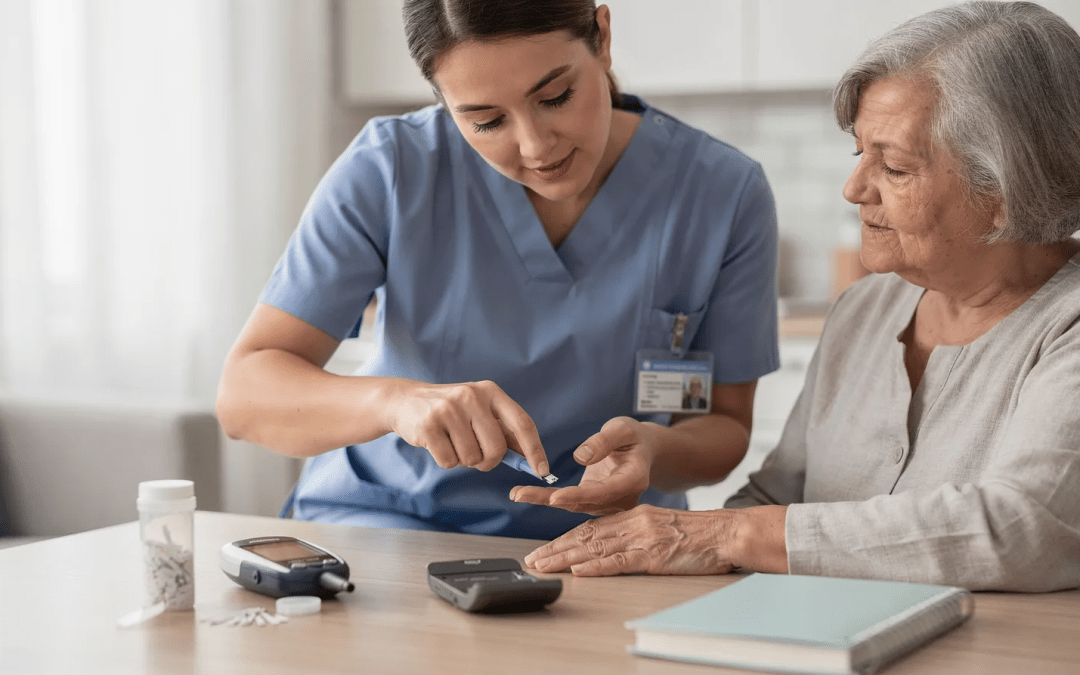
Going home after a hospital stay can feel like a relief and a worry at the same time. Families may be glad to leave the hospital, but they also need to make sure the person is safe and supported once they are back home. Home health after discharge can help bridge that gap.
This kind of care is often used when a person still needs medical follow-up, therapy, or help staying on track with the recovery plan after leaving the hospital.
Why the first days at home matter
The transition home is often when families notice the most questions. Medications may change, follow-up appointments may be needed, and the person may still be weak or tired. Having a plan helps avoid confusion and reduces the chance of complications.
What home health may help with
- Medication review and reminders
- Wound care after surgery or procedures
- Monitoring symptoms, pain, or recovery progress
- Therapy to rebuild strength or mobility
- Teaching the family what to watch for at home
- Communication with the doctor when something changes
Common problems after discharge
Some of the biggest issues happen when the family is not fully prepared for the change from hospital to home.
- Confusion about new medications
- Weakness or trouble moving safely
- Missed follow-up appointments
- Wounds that need ongoing attention
- Unclear instructions about diet, activity, or rest
How families can prepare
Before the person comes home, it helps to gather discharge papers, medication lists, contact numbers, and follow-up instructions. Families should also make sure the home is safe, clean, and ready for a person who may still be recovering.
Why communication matters
Good communication between the hospital, the home health agency, the doctor, and the family makes the transition smoother. If something does not make sense, it is better to ask early than wait until a problem gets worse.
Final thought
Home health after discharge can make recovery safer and less stressful. The key is to treat the first days at home as a transition that needs planning, not just a return to normal.
FAQ
Do all people need home health after discharge?
No. It depends on the person’s condition, recovery needs, and the doctor’s plan.
What should families bring home from the hospital?
Discharge papers, medication lists, follow-up instructions, and contact information for the care team are important.
Can home health help prevent readmission?
It can help by keeping the family informed, monitoring changes, and supporting the recovery plan.
What families often notice first
After a hospital stay, families usually notice small changes before they see a major crisis. The person may be weaker, slower to move, more tired, or less confident with everyday tasks. They may also need help understanding new medications, wound instructions, or follow-up appointments. Those signs do not automatically mean home health is required, but they do mean the discharge plan should be reviewed carefully.
When the hospital team, the primary care physician, and the family all agree on the next steps, the transition is usually smoother. If the plan is unclear, ask for it to be repeated in plain language before the patient leaves the hospital.
Questions to ask before discharge
- What symptoms or limitations are expected in the first few days?
- Which medication changes are temporary and which are long term?
- Who will handle the first follow-up visit?
- What equipment or supplies should be ready at home?
- What signs mean we should call the doctor right away?
Why follow-up matters
The first week after discharge is often the most important. That is when families discover whether the home plan is realistic, whether the instructions are clear, and whether the person needs more support than expected. Early follow-up helps prevent confusion and reduces the chance that a small problem becomes a larger one.
How a home health agency can support the transition
A good agency does more than send a nurse. It helps coordinate care, reinforce instructions, and watch for warning signs. It can also share updates with the physician when the person is not improving as expected. For families in Miami-Dade and nearby communities, that support can make the difference between a chaotic discharge and a calm recovery period.
How to tell whether the transition is going well
A good transition is usually visible in small ways. The person understands the medicine list, the home has the needed supplies, the follow-up visit is scheduled, and the family knows what symptoms to report. If those pieces are missing, the plan may need another look.
Families should not wait for a crisis to ask for help. A quick call early can often prevent a much larger problem later.
Why early follow-up prevents bigger problems
When someone returns home after a hospital stay, the plan succeeds or fails in the first few days. If the family can confirm that the instructions make sense, the medications are organized, and the follow-up visit is scheduled, the chance of confusion goes down a lot. If any of those pieces are missing, it is better to call the doctor or agency before a complication appears.
Early follow-up also helps reveal whether the patient needs more support than the hospital thought. That early review is one of the simplest ways to protect recovery.
Before leaving the hospital, the family should also confirm the discharge paperwork, the medication list, and the follow-up schedule. Those three items are small, but they often prevent the biggest mistakes.
If the family is overwhelmed, ask for the instructions in writing and keep them in one folder. A single place for papers, medications, and phone numbers makes home recovery easier.
How to keep the discharge plan organized
The easiest way to avoid confusion after discharge is to keep everything in one place. The family can use a folder or envelope for discharge papers, medication instructions, follow-up appointments, and the home health agency’s contact information. That simple habit makes it easier to answer questions quickly if the doctor or nurse calls.
Families should also review the plan at least once a day during the first week. A quick check-in helps catch missing supplies, medication mix-ups, or new symptoms before they turn into a bigger problem.
One last discharge reminder
If something feels off after discharge, do not wait for the next scheduled visit. Call the doctor or agency and describe the change clearly. A quick call can help catch medication issues, pain, swelling, or confusion before they become an emergency.
When the family has questions, an early call is always better than waiting. That simple step can prevent an emergency visit and help keep recovery on track at home.
Families should also keep the agency’s number saved in the phone and on the refrigerator. When a question comes up at night or on the weekend, that tiny step can save time and lower stress.
That small step keeps the recovery plan moving in the right direction.
Keeping the instructions visible on paper can make the first home days calmer and safer for everyone.
A simple checklist on the fridge can also help the family stay organized during the first week.
Keep asking until every step is clear.
Clarity helps families act faster.