305.826.8800 [email protected]

COPD Home Care Miami: Respiratory Support at Home

By Ameri-Care Professional Service, Inc. Editorial Team · Updated 2026-08-05

In-home nursing care for COPD and respiratory patients combines skilled nursing, respiratory therapy, and interdisciplinary support to manage symptoms and prevent hospitalizations. Ameri-Care Professional Service, Inc. delivers individualized COPD management plans, coordinating directly with phys

Key Takeaways

  • COPD affects nearly 16 million Americans, making home health care a critical management option for this population.
  • Home health teams develop personalized COPD management plans enabling patients to remain independent and avoid hospitalizations.
  • Outreach nursing for COPD addresses progressive airflow obstruction, exercise performance decline, and overall health deterioration through coordinated care.
  • Ameri-Care Professional Service, Inc. operates in Miami Lakes, FL with 95 employees providing in-home respiratory care services.

Why Does COPD Get Worse Without Support?

Breathing difficulty accelerates when COPD symptoms go unmanaged. Chronic Obstructive Pulmonary Disease is a progressive condition that significantly limits a patient's ability to breathe. It frequently drives patients into the hospital. Left unaddressed, small breathing setbacks escalate into medical emergencies.

Nearly 16 million Americans live with COPD, making it one of the most widespread chronic respiratory conditions in the country. That number means most families will face this disease directly or through a parent, spouse, or grandparent. Structured, ongoing management keeps the disease from spiraling toward crisis.

What happens when COPD symptoms go untreated?

Untreated COPD does not stay level; it declines. Airways narrow further, stamina drops, and everyday tasks like climbing stairs or dressing become exhausting. Each unmanaged flare-up raises the risk of a hospital admission, which strains both the patient and the family managing daily care.

Why does professional respiratory support matter?

Consistent oversight catches warning signs before they become emergencies. Reliable COPD home care in Miami gives patients a structured plan instead of reactive crisis response. Ameri-Care Professional Service, Inc., based in Miami Lakes, FL, remains on call around the clock for patients who need respiratory support at any hour.

Support that prevents decline typically includes:

  • Skilled respiratory nursing care to monitor breathing patterns and medication response
  • Education on symptom triggers and early warning signs
  • Coordination with physicians to adjust treatment plans quickly
  • Round-the-clock availability for urgent respiratory concerns
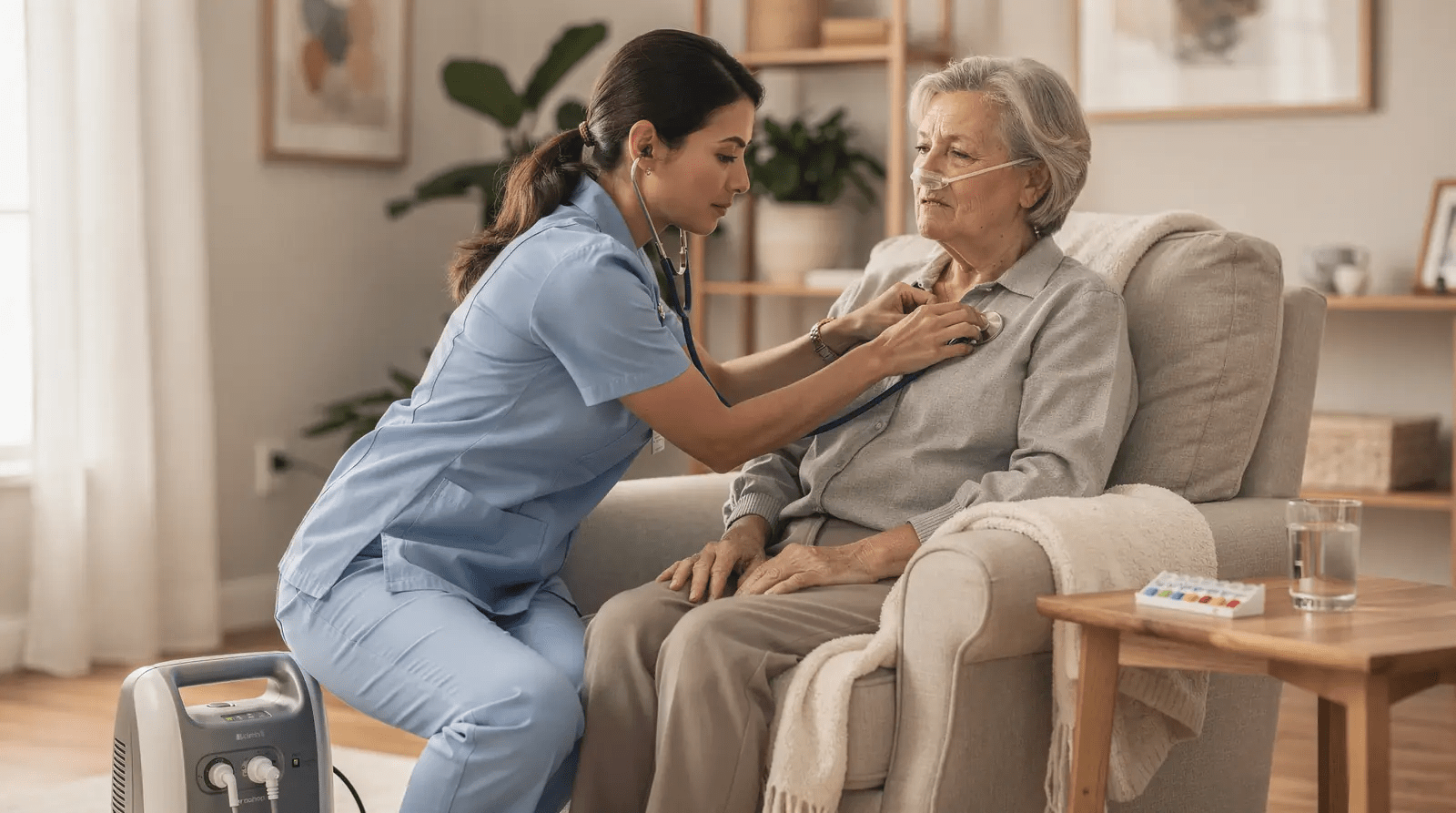
Without this kind of in-home COPD care, families often manage symptoms alone, missing early signs that precede a hospital visit. Structured support changes that trajectory.

What Does In-Home COPD Nursing Care Include?

Skilled nursing care at home covers a range of medical services tailored to each patient's specific respiratory needs. For families searching for COPD home care in Miami, Ameri-Care Professional Service, Inc. builds a plan around the individual rather than a generic checklist. Chronic conditions like COPD demand more than occasional check-ins; they require consistent, coordinated attention.

Respiratory nursing care forms the core of this approach. Licensed nurses monitor breathing patterns, oxygen needs, and medication response during scheduled visits. Skilled nursing at home benefits seniors and individuals with chronic illnesses such as COPD directly, since patients receive professional medical attention without leaving home. That advantage matters most during flare-ups, when travel to a clinic can worsen symptoms.

A typical in-home nursing visit may include:

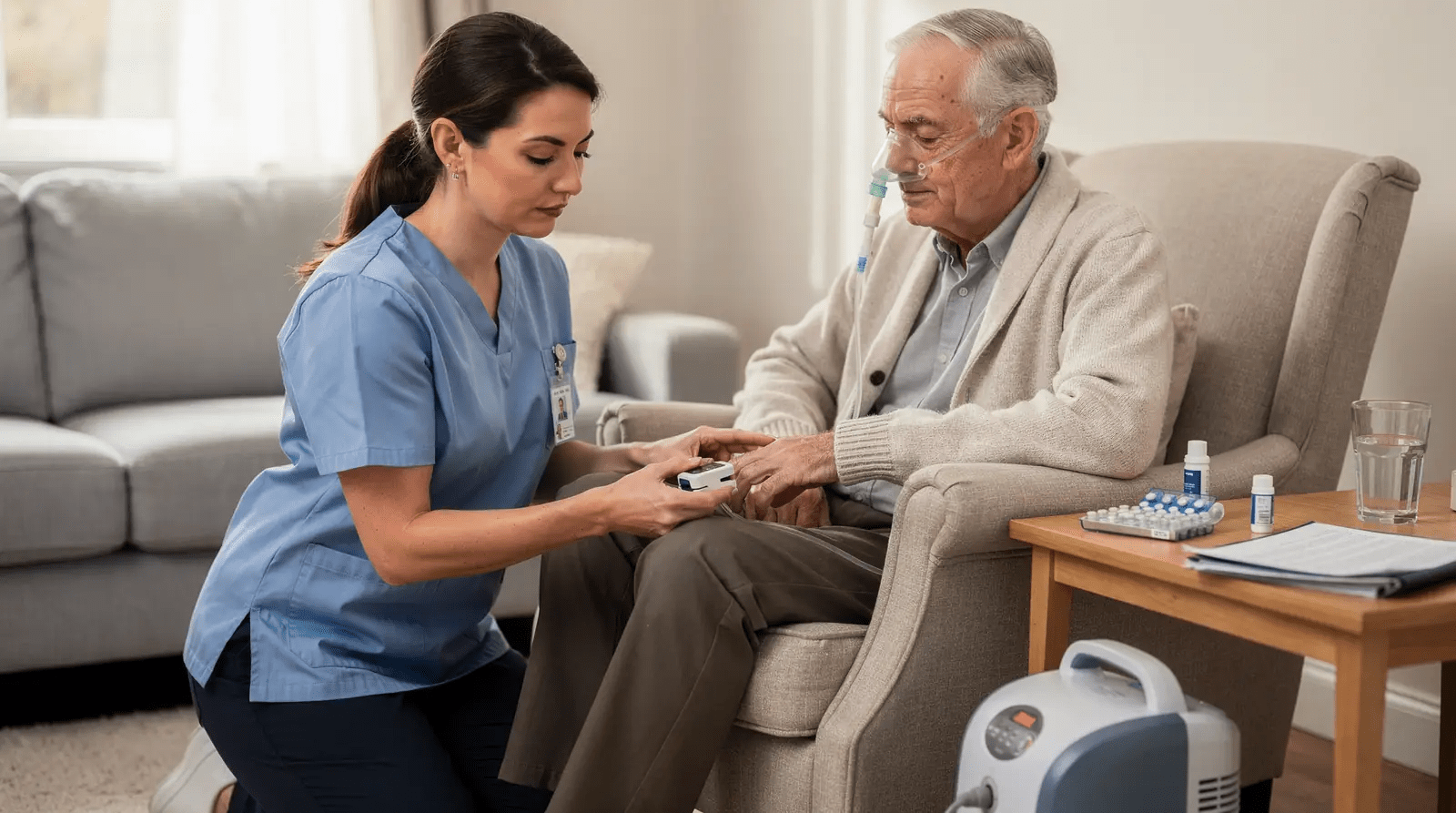
  • Assessment of lung sounds, breathing rate, and oxygen saturation
  • Medication management and inhaler technique review
  • Coordination with physicians on treatment adjustments
  • Education for family caregivers on symptom recognition
  • Guidance on energy conservation and daily activity pacing

What other services support COPD patients at home?

Home health services across Doral, Sweetwater, Medley, Miami Springs, Hialeah, and Fontainebleau extend beyond nursing into therapy and personal care support. These combined offerings serve seniors and individuals with disabilities, including those managing respiratory conditions like COPD. Physical and occupational therapists often coordinate with nursing staff to preserve strength and independence.

Is in-home COPD care only about nursing visits?
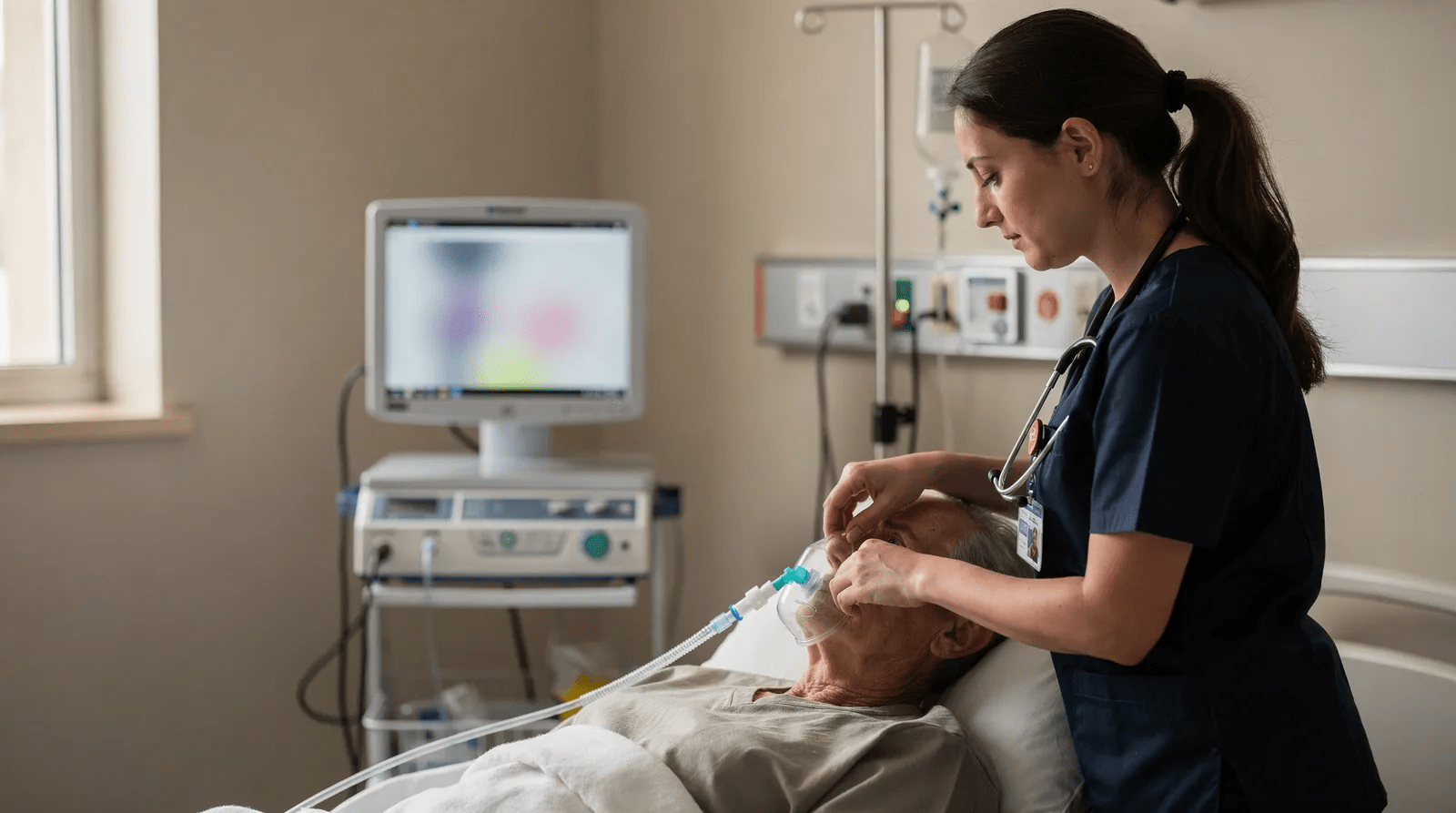
No. In-home COPD care blends medical oversight with practical daily support. Personal care assistance, therapy coordination, and caregiver education round out the nursing component. This combination helps patients maintain stability at home and reduces the need for emergency intervention.

How Does Respiratory Nursing Care Work Day to Day?

Daily respiratory nursing care follows a structured routine built around physician collaboration, symptom tracking, and hands-on skilled visits. Ameri-Care's home health team partners directly with each patient's doctor to build a COPD management plan designed to keep patients living independently at home. That plan does not stay static; nurses adjust it as breathing patterns, medication needs, and daily function change.

Care extends beyond the lungs. An interdisciplinary team of nurses, therapists, and support professionals addresses the many ways chronic obstructive pulmonary disease affects daily routines, from mobility and nutrition to emotional strain on the household. Coordinated COPD home care in Miami brings these disciplines together instead of treating breathing problems in isolation.

A typical day includes several recurring elements:

  • Scheduled nurse visits to check vital signs and lung sounds
  • Telehealth monitoring sessions that flag warning signs early
  • Peak flow meter readings logged daily and reviewed by the nursing team
  • Medication and oxygen therapy checks
  • Education on breathing techniques and energy conservation

This combination of nurse visits, remote monitoring, and daily peak flow tracking helps patients manage symptoms before they escalate into emergency room visits.

What Makes In-Home COPD Care Different From a Clinic Visit?

In-home COPD care happens inside the patient's own environment, where nurses observe real daily triggers — stairs, pets, household air quality — that a clinic appointment never reveals. Care stays continuous rather than limited to scheduled appointments.

Who Delivers This Care?

Ameri-Care assigns skilled, compassionate, and experienced professionals to each case. Every visit centers on individualized attention, with the care team prioritizing each patient's overall well-being rather than applying a one-size-fits-all protocol.

Can Home Nursing Reduce COPD Hospital Readmissions?

Structured nursing support at home reduces the risk factors that send COPD patients back to the emergency room. Outreach respiratory nursing programs have undergone extensive study for their impact on lung function, exercise tolerance, quality of life, and overall medical service use, along with mortality outcomes. That body of research points to a clear conclusion: consistent, in-home clinical attention changes the trajectory of a chronic respiratory illness.

Chronic obstructive pulmonary disease carries heavy costs — for patients, for caregivers, and for the health system overall. Its morbidity and mortality burden is significant, which is precisely why disease management cannot stop at the hospital doors. Respiratory nursing care delivered directly in the home creates the ongoing oversight that a single hospital admission cannot provide.

What Happens After a COPD Patient Leaves the Hospital?

Discharge marks a fragile period. Patients frequently struggle with managing new medication schedules and coordinating follow-up appointments, and those struggles often trigger relapse. A structured home health plan closes that gap by keeping a nurse involved in the days and weeks immediately following discharge.

Does In-Home Support Actually Improve Recovery?

Evidence consistently favors home-based care for optimizing patient recovery outcomes. In home COPD care gives patients a stable point of contact for symptom changes, rather than waiting for a crisis to prompt another ER visit.

For families evaluating copd home care miami options, the pattern to look for includes:

  • Ongoing symptom monitoring between physician visits
  • Medication management support during the discharge transition
  • Coordinated follow-up scheduling to prevent gaps in care

Together, these elements form the foundation of readmission prevention.

How Do Families Start In-Home COPD Care?

A phone call and a physician's order set the process in motion. Families evaluating copd home care miami options should first review eligibility criteria and cost considerations. Coverage details shape what services a patient can access. Skipping this step often leads to delayed enrollment and missed days of symptom management, which matters for a progressive lung condition.

Ameri-Care Professional Service, Inc. accepts referrals for patients whose physicians order Medicare-covered home health or Medicaid-supported long-term care. Coverage spans respiratory nursing care, physical therapy, occupational therapy, and speech-language pathology, all delivered under one coordinated plan. A staff of 95 employees supports patients across the Miami Lakes-based service area, giving families a broad bench of clinicians rather than a single overstretched provider.

What Does the Intake Process Look Like?

Intake typically begins with a conversation about symptoms, hospitalization history, and daily functional limits. A clinician then reviews insurance eligibility and outlines what Medicare or Medicaid will cover before care starts.

Who Should Families Contact First?

The referring physician usually initiates the request, but families can also reach out directly to begin the conversation. Ameri-Care remains on call 24/7. Caregivers have a direct line of support when symptoms shift or a respiratory emergency arises overnight.

Before the first visit, families should gather:

  • Recent hospital discharge paperwork or physician orders
  • Current medication and oxygen equipment lists
  • Insurance or Medicaid documentation
  • A list of daily activities the patient struggles to complete

Organizing these items in advance speeds enrollment. Helps clinicians build an accurate in home copd care plan from day one.

In-home nursing care for COPD and respiratory patients represents a clinically sound approach to disease management that prioritizes patient autonomy while ensuring access to skilled clinical oversight. By delivering evidence-based interventions within the home environment, patients achieve measurable improvements in symptom control, medication adherence, and functional capacity. This model of care addresses the complex physiological. Psychosocial dimensions of chronic respiratory disease, positioning patients for sustained recovery and enhanced quality of life under professional guidance.

FAQ

What does in-home COPD nursing care include?

Skilled respiratory nursing monitors breathing patterns and medication response. Nurses educate patients on symptom triggers. Coordinate with physicians to adjust treatment plans, backed by round-the-clock availability for urgent concerns.

Why does professional respiratory support matter for COPD patients?

Consistent oversight catches warning signs before they escalate into emergencies, replacing reactive crisis response with a structured, individualized management plan that helps patients remain independent and avoid hospitalizations.

Who provides COPD home care in Miami?

Ameri-Care Professional Service, Inc., based in Miami Lakes, FL, with 95 employees, delivers individualized in-home nursing and respiratory support for COPD patients, coordinating directly with physicians.

Facts

  • Ameri-Care Professional Service, Inc. is located in Miami Lakes, FL, US.
  • Ameri-Care Professional Service, Inc. has 95 employees.