305.826.8800 [email protected]

Professional Home Health Aide Services
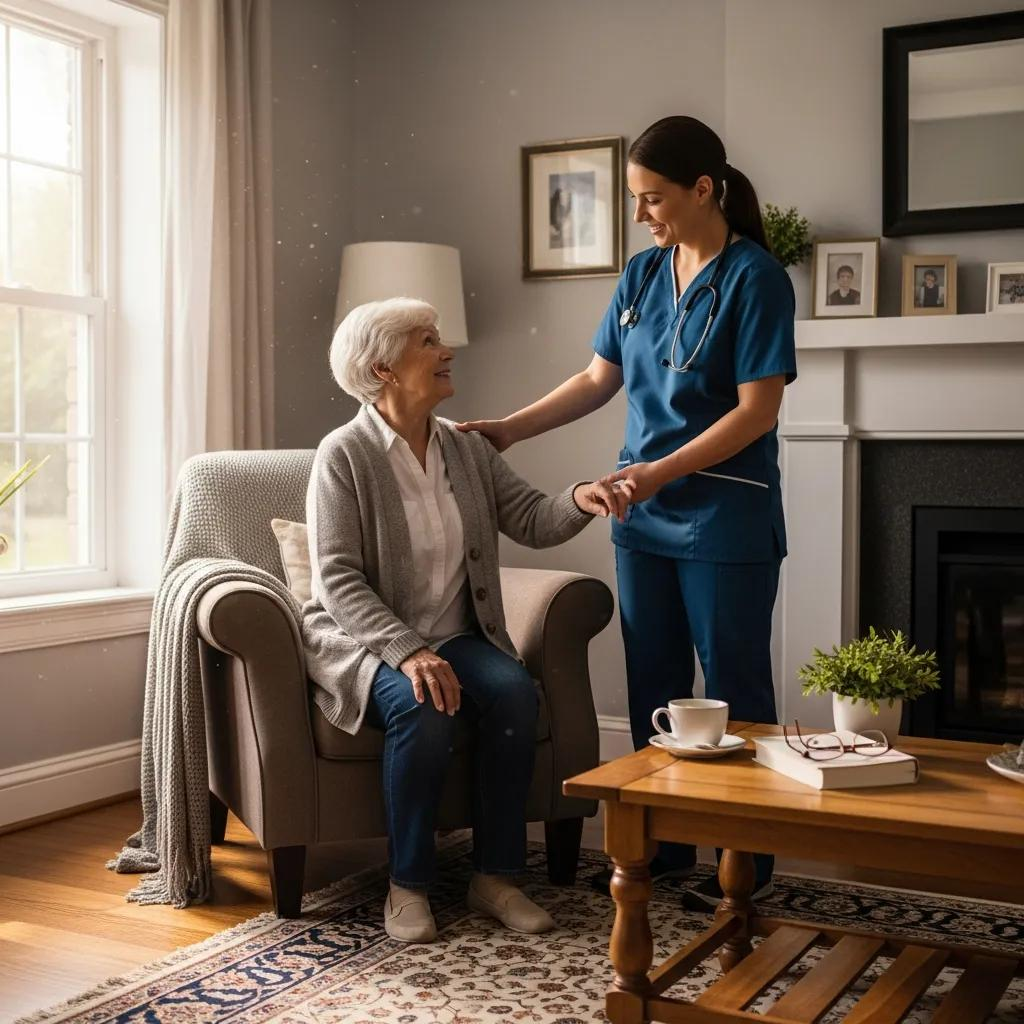
Professional Home Health Aide Services: Comprehensive In-Home Personal Care Solutions for Seniors and Individuals with Disabilities

Professional home health aide services play a crucial role in providing personalized in-home healthcare support for seniors and individuals with disabilities. These services are designed to enhance the quality of life for those who may struggle with daily activities due to age, illness, or disability. In this article, we will explore the various aspects of professional home health aide services, including who can benefit from them, the types of assistance offered, the qualifications of caregivers, and how families can access these essential services. By understanding these elements, families can make informed decisions about the care options available to their loved ones.

What Are Professional Home Health Aide Services and Who Can Benefit?

Professional home health aide services encompass a range of in-home personal care solutions tailored to meet the needs of seniors and individuals with disabilities. These services are designed to assist with daily living activities, ensuring that clients receive the support they need to maintain their independence and dignity. The primary beneficiaries of these services include elderly individuals, those with chronic conditions, and people with disabilities who require assistance with personal care tasks.

Defining In-Home Personal Care Services for Seniors and Disabled Individuals

In-home personal care services include a variety of support options such as bathing, grooming, meal preparation, and medication management. These services are essential for seniors and disabled individuals who may find it challenging to perform these tasks independently. By providing personalized care, home health aides help improve the overall well-being of their clients, allowing them to live comfortably in their own homes. home health aides

Research further supports the positive influence of home care on the daily lives and overall well-being of older individuals.

Home Care's Impact on Senior ADLs & Well-being

We analyse the long-term effect of the provision of home care on the recipient’s ability to perform the activities of daily living (ADLs) and upon aspects of their well-being. Using regression analysis on a set of Danish longitudinal data featuring people aged 67–77 we estimate the effect of home care while controlling for initial health, including initial ADL ability and well-being, along with demographic and socioeconomic conditions.

The effect of home care on the ability to perform the activities of daily living and the well-being of older people, E Heinesen, 2009

How Home Nursing Support Addresses Chronic Illness and Disability Care Needs

Home nursing support is particularly beneficial for individuals managing chronic illnesses or disabilities. Skilled nurses can provide medical care, monitor health conditions, and assist with rehabilitation efforts. This support not only helps manage symptoms but also enhances the quality of life for clients by ensuring they receive the necessary medical attention in a familiar environment.

Which Types of Personal Care Assistance Are Offered by Home Health Aides?

Home health aides offer various types of personal care assistance tailored to the unique needs of each client. Understanding these options can help families choose the right services for their loved ones.

Daily Living Support: Elderly Care Assistance and Disability Home Care
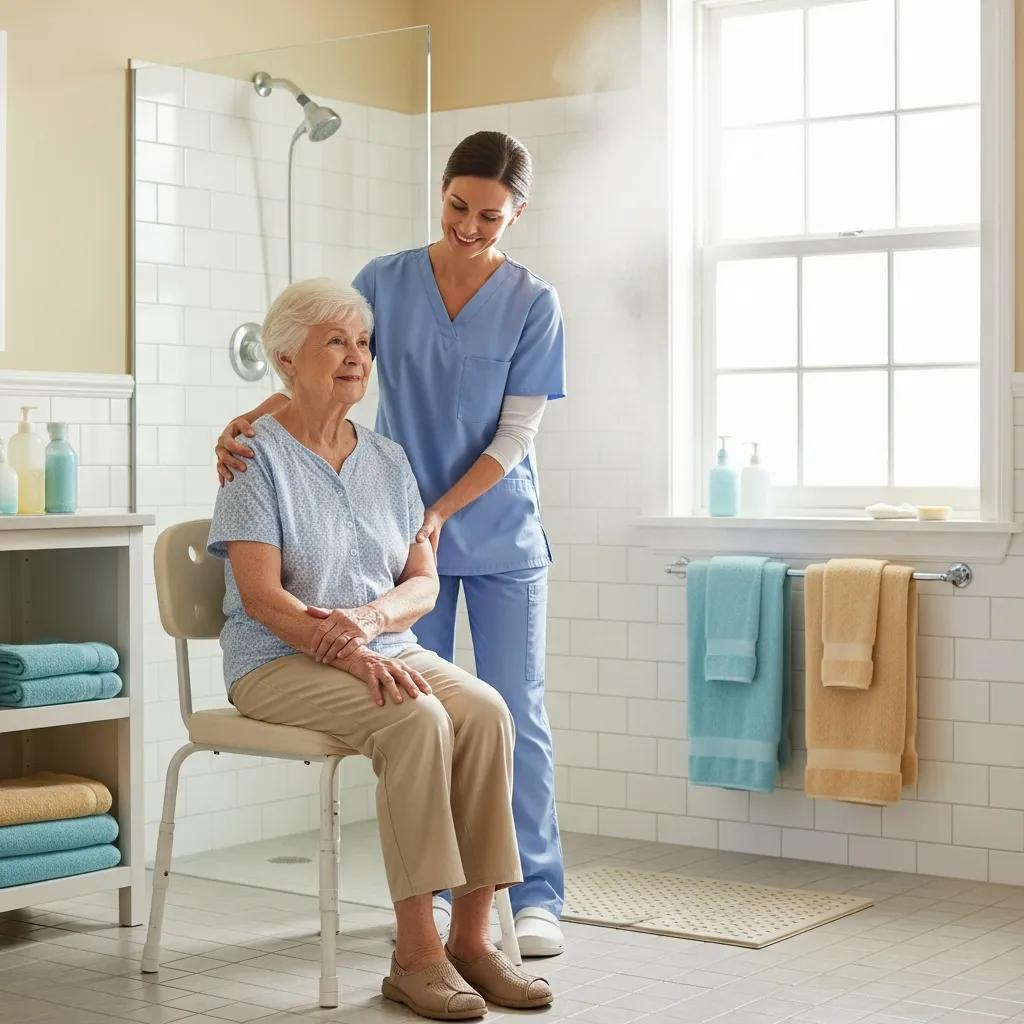
Daily living support includes essential services such as help with bathing, dressing, and mobility. Home health aides are trained to assist clients with these activities, ensuring they maintain their hygiene and comfort. This type of assistance is crucial for elderly individuals and those with disabilities, as it promotes independence while providing necessary support.

This focus on daily living activities is a core aspect of what home health aides, often employed by specialized agencies, provide.

Home Health Aides: ADL Assistance & Agency Roles

home health aides providing assistance in activities of daily living (ADLs) and employed by agencies providing home health and hospice care

An Overview of home health aides; United States, 2007, 2007

Chronic Illness Home Care: Managing Medical Conditions at Home
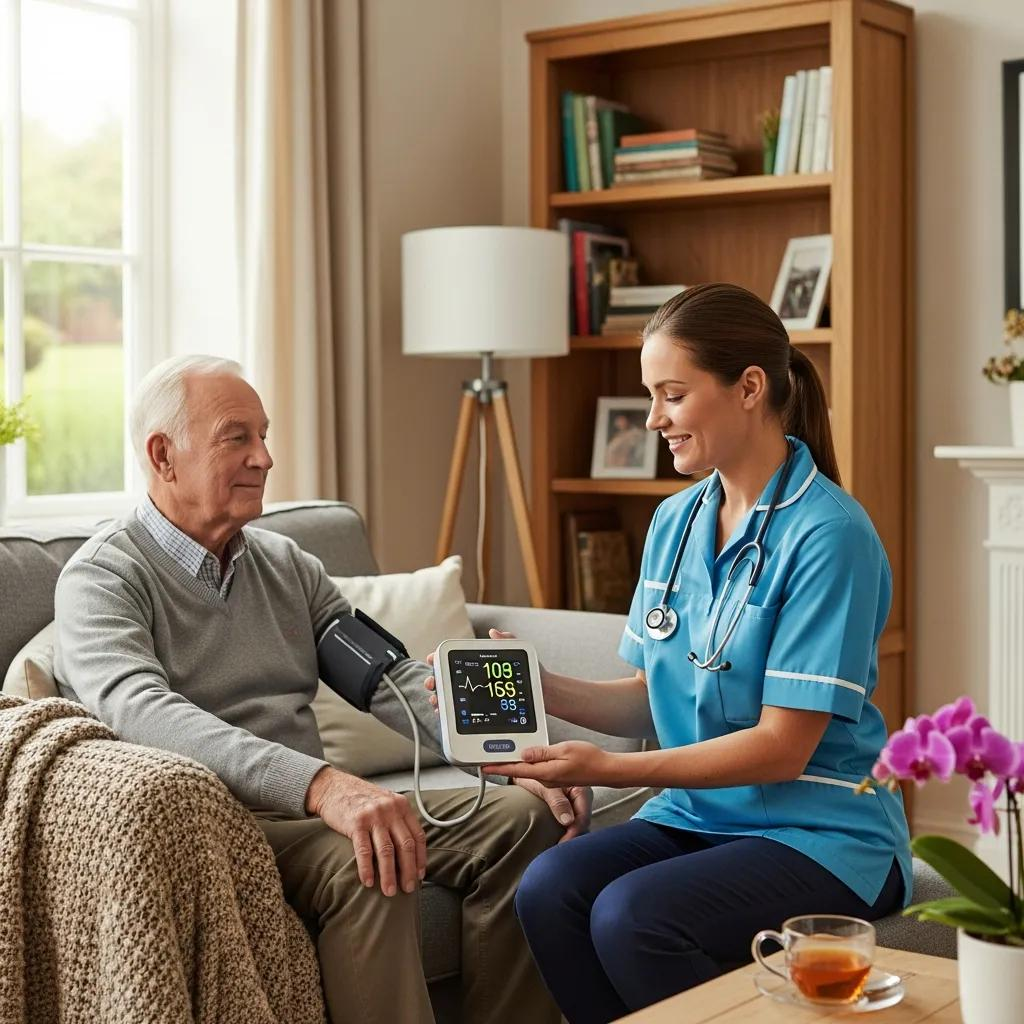
Chronic illness home care focuses on managing specific medical conditions within the home setting. Home health aides can assist with medication management, monitor vital signs, and provide education on managing health conditions. This support is vital for individuals with chronic illnesses, as it allows them to receive care without frequent hospital visits, ultimately improving their quality of life.

What Qualifications and Training Do Professional Home Health Aides Have?

The qualifications and training of professional home health aides are critical to ensuring high-quality care for clients. Understanding these credentials can help families feel more confident in the services they choose.

Certified Nursing Assistant Credentials and Caregiver Experience

Many home health aides hold Certified Nursing Assistant (CNA) credentials, which require completion of a training program and passing a certification exam. This training equips aides with the skills necessary to provide effective personal care and support. Additionally, many caregivers have prior experience in healthcare settings, further enhancing their ability to meet client needs.

How Caregiver Qualifications Impact Quality of In-Home Care

The qualifications of caregivers directly impact the quality of in-home care provided. Well-trained aides are more likely to deliver safe and effective care, leading to better outcomes for clients. Families should inquire about the training and experience of potential caregivers to ensure they receive the highest standard of care.

How Can Families Access and Arrange Professional Home Health Aide Services?

Accessing professional home health aide services involves a straightforward process that families can navigate with ease. Understanding the steps involved can help streamline the arrangement of care for loved ones.

Step-by-Step Referral and Contact Process for Home Care Support

  • Assessment of Needs: Families should begin by assessing the specific needs of their loved ones to determine the type of care required.
  • Research Providers: Next, families can research local home health aide services, focusing on those with positive reviews and appropriate credentials.
  • Contact Providers: Families should reach out to selected providers to discuss services, availability, and costs.
  • Schedule an Assessment: Most providers will conduct an in-home assessment to tailor services to the client's needs.
  • Finalize Arrangements: Once a provider is chosen, families can finalize arrangements and begin receiving care.

For families seeking assistance, Ameri-Care Professional Service, Inc is a specialized provider of professional home health aide services focused on delivering personalized in-home healthcare support. Their primary service offering includes personal care assistance tailored to seniors, individuals with disabilities, and those managing chronic conditions.

What Are Typical Pricing and Insurance Options for In-Home Care?

The cost of in-home care can vary based on the level of assistance required and the provider chosen. Many home health aide services offer flexible pricing options, including hourly rates or flat fees for specific services. Additionally, families should inquire about insurance coverage, as some policies may cover a portion of in-home care costs. Financial assistance resources may also be available to help families manage expenses.

Different types of personal care assistance can be compared based on their eligibility and service offerings.

Service TypeDescriptionEligibility
Daily Living SupportAssistance with bathing, dressing, and meal preparationSeniors and individuals with disabilities
Chronic Illness ManagementSupport for medication management and health monitoringIndividuals with chronic conditions
Personal Care AssistanceGeneral help with daily activitiesSeniors and disabled individuals

This table illustrates the various types of personal care assistance available, highlighting the importance of tailored care for different client needs.