305.826.8800 [email protected]

Medication Management at Home
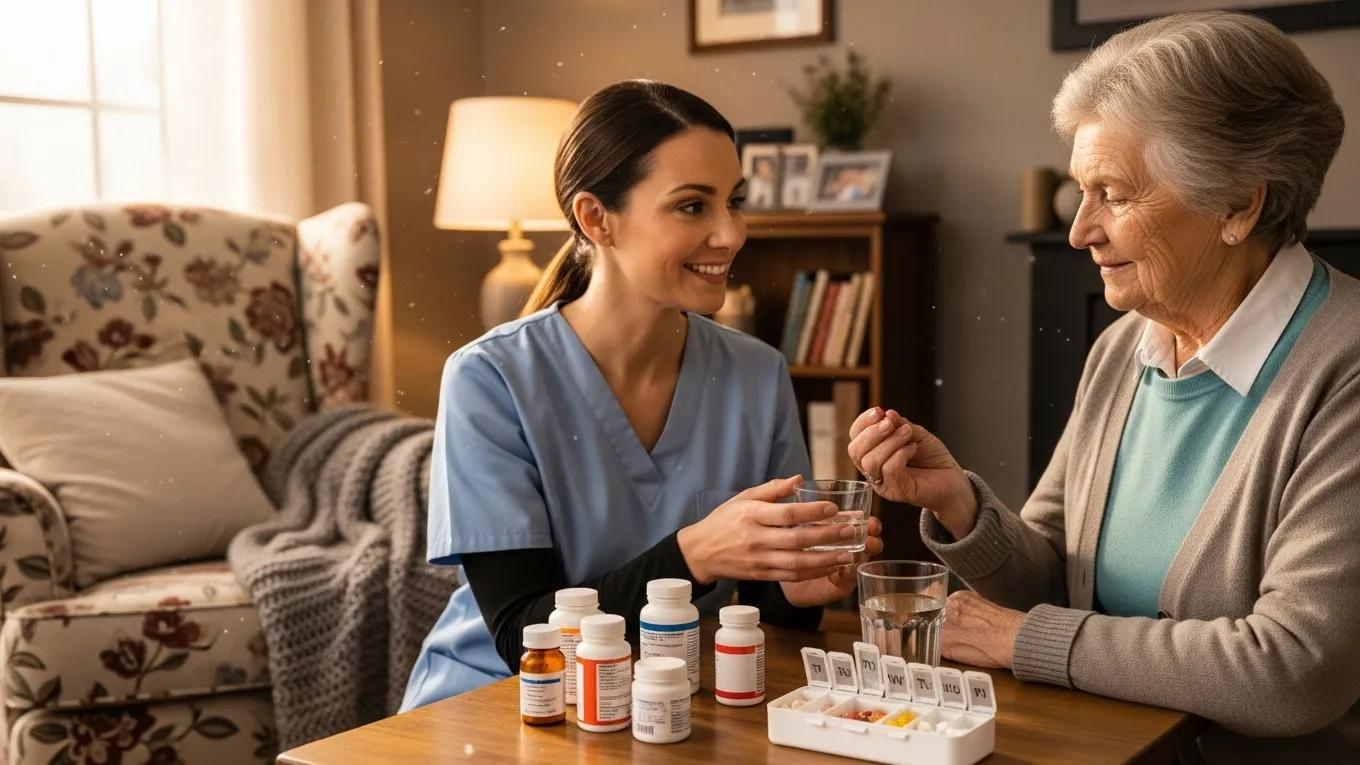
Comprehensive In-Home Medication Management Services for Seniors and Chronic Condition Support

Medication management at home is a critical aspect of healthcare, especially for seniors and individuals with chronic conditions. It involves a systematic approach to ensuring that patients take their medications correctly, which can significantly improve health outcomes. This article will explore the essential components of medication management, the role of caregivers, and the technologies that enhance these services. By understanding these elements, families can better support their loved ones in managing their health effectively. We will also discuss how Ameri-Care Professional Service, Inc. contributes to safe medication practices and the referral process for accessing these vital services.

The complexity of managing multiple medications for seniors in a home care setting underscores the critical need for effective medication safety strategies.

Home Care Medication Safety for Seniors with Chronic Illnesses

Patient safety is a national and international priority with medication safety earmarked as both a prevalent and high-risk area of concern. To date, medication safety research has focused overwhelmingly on institutional based care provided by paid healthcare professionals, which often has little applicability to the home care setting. This critical gap in our current understanding of medication safety in the home care sector is particularly evident with the elderly who often manage more than one chronic illness and a complex palette of medications, along with other care needs.

Seniors managing multiple medications: using mixed methods to view the home care safety lens, M Macdonald, 2015

What Are the Essential Components of Medication Management at Home?

Effective medication management at home encompasses several key components that work together to ensure patient safety and adherence. These components include caregiver training, monitoring protocols, and communication with healthcare providers. Each element plays a vital role in creating a supportive environment for medication adherence, which is crucial for managing chronic conditions and improving overall health.

ComponentDescriptionImportance
Caregiver TrainingEducating caregivers on medication administration and potential side effectsEnsures proper medication handling and patient safety
Monitoring ProtocolsRegular checks on medication adherence and health statusHelps identify issues early and adjust care plans accordingly
Communication with Healthcare ProvidersOngoing dialogue between caregivers and medical professionalsFacilitates timely interventions and updates on patient health

These components collectively enhance the effectiveness of medication management, leading to better health outcomes for patients.

How Do Medication Reminders and Adherence Programs Improve Patient Outcomes?
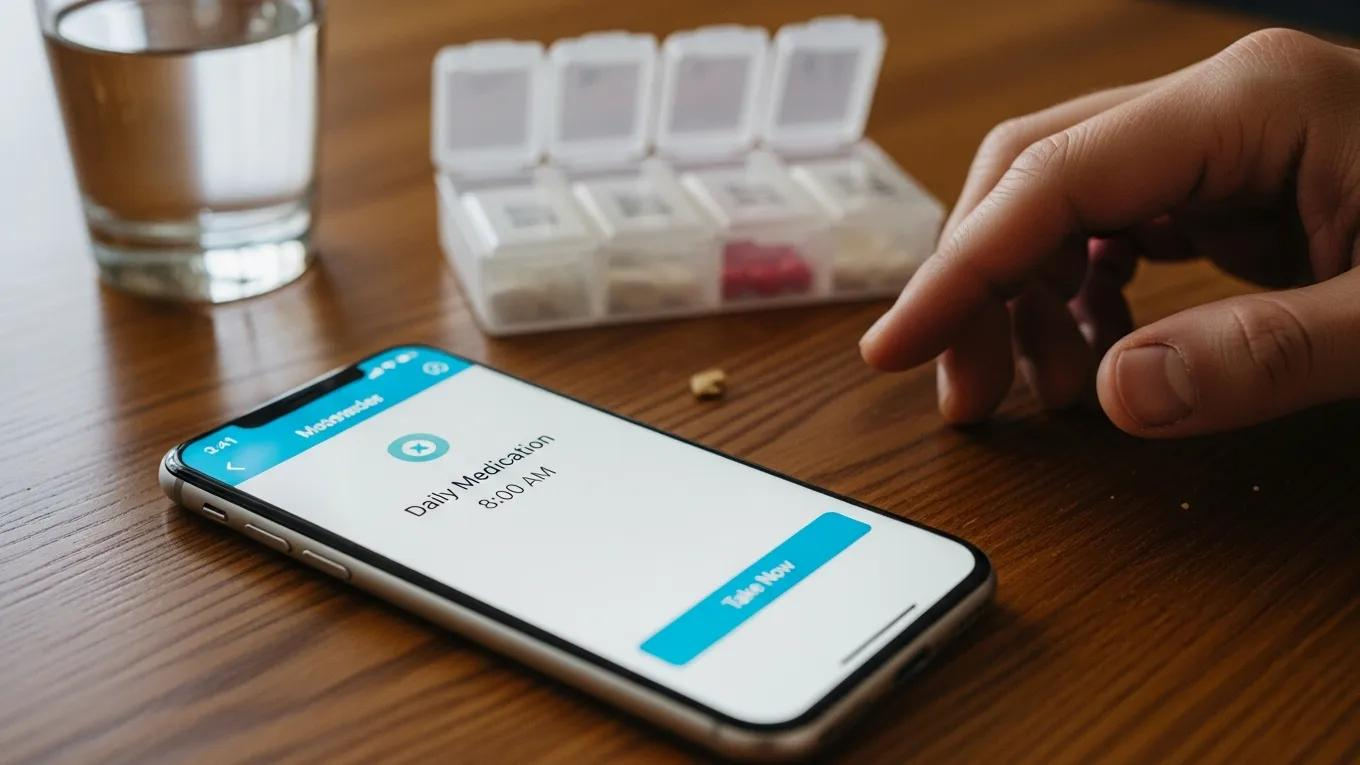
Medication reminders and adherence programs are essential tools in medication management. They help patients remember to take their medications as prescribed, which can lead to improved health outcomes. Studies have shown that these programs can significantly reduce medication errors and enhance adherence rates. For instance, patients using reminder systems are more likely to take their medications on time, leading to better control of chronic conditions and fewer hospitalizations.

Indeed, research consistently demonstrates the effectiveness of specialized systems in improving medication adherence among older adults with chronic conditions.

In-Home Electronic Medication Dispensing for Senior Adherence

Medication adherence is challenging for older adults due to factors such as the number of medications, dosing schedule, and the duration of drug therapy. The objective of this study was to examine the effectiveness of an in-home electronic medication dispensing system (MDS) on improving medication adherence and health perception in older adults with chronic conditions.

Medication adherence support of an in-home electronic medication dispensing system for individuals living with chronic conditions: a pilot randomized controlled trial, 2021

How Does Ameri-Care Professional Service Support Safe Medication Practices?

Ameri-Care Professional Service, Inc. plays a crucial role in supporting safe medication practices for seniors and individuals with chronic conditions. The company focuses on providing comprehensive in-home healthcare services that prioritize patient safety and medication adherence. By offering caregiver training and establishing monitoring protocols, Ameri-Care ensures that patients receive the support they need to manage their medications effectively.

What Personalized Medication Safety Measures Are Implemented for Seniors?

Personalized medication safety measures are tailored to meet the unique needs of seniors. These measures include individualized medication plans that consider each patient's health status, preferences, and potential drug interactions. By implementing these personalized strategies, Ameri-Care enhances patient safety and promotes better health outcomes. For example, regular medication reviews can help identify any adverse effects or interactions, allowing for timely adjustments to treatment plans.

How Do Caregivers Assist with Medication Monitoring and Side Effect Management?

Caregivers play a vital role in medication monitoring and side effect management. They are responsible for ensuring that patients take their medications as prescribed and for observing any side effects that may arise. Caregivers are trained to recognize signs of medication-related issues and to communicate these concerns to healthcare providers. This proactive approach helps prevent complications and ensures that patients receive the best possible care.

Which Technologies and Tools Enhance Home Healthcare Medication Services?
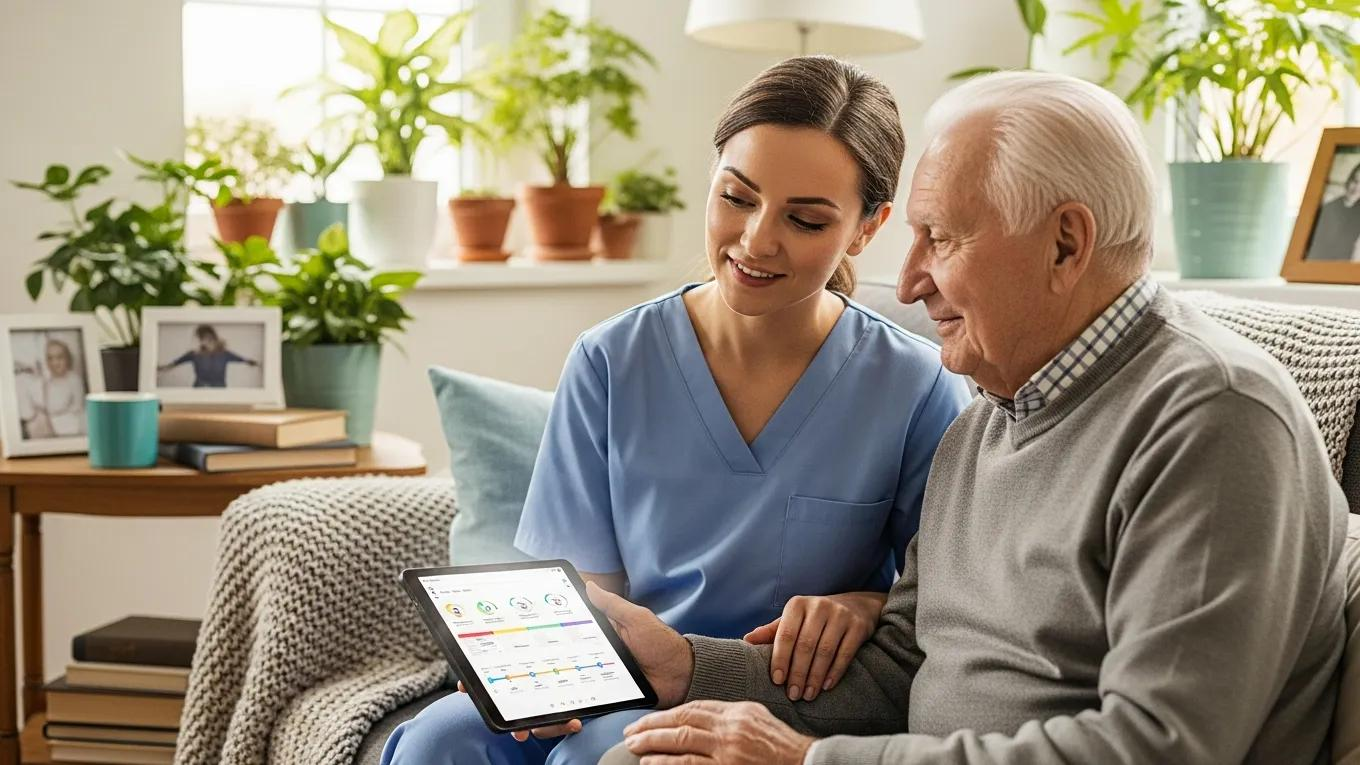
The integration of technology in home healthcare has revolutionized medication management. Various tools and applications are available to assist patients and caregivers in tracking medication schedules and reminders. These technologies not only simplify the process of managing medications but also enhance communication between patients and healthcare providers.

Specifically, digital solutions offer a promising avenue for caregivers to enhance medication adherence through various supportive features.

Digital Solutions for Caregivers to Improve Medication Adherence

Digital solutions can enhance medication adherence by providing reminders, education, and remote monitoring. This scoping review aims to identify and synthesize the digital solutions available to informal caregivers for improving medication adherence.

Digital solutions available to be used by informal caregivers, contributing to medication adherence: a scoping review, MD Estêvão, 2024

How Are Medication Schedules and Reminders Delivered to Patients?

Medication schedules and reminders can be delivered through various platforms, including mobile applications, automated phone calls, and text messages. These tools provide patients with timely notifications about when to take their medications, which can significantly improve adherence rates. By utilizing technology, patients can manage their medications more effectively, leading to better health outcomes.

What Infographics and Visual Aids Support Patient and Family Education?

Infographics and visual aids are valuable resources for educating patients and their families about medication management. These tools can simplify complex information, making it easier for patients to understand their treatment plans. Visual aids can include charts that outline medication schedules, potential side effects, and tips for managing medications at home. By providing clear and accessible information, these resources empower patients and families to take an active role in their healthcare.

What Is the Patient Referral Process for Accessing Medication Management at Home?

The patient referral process for accessing medication management services is straightforward but essential for ensuring that individuals receive the care they need. Families can initiate a referral by contacting healthcare providers or organizations like Ameri-Care Professional Service, Inc. This process typically involves an assessment of the patient's needs and the development of a personalized care plan.

How Can Families Initiate a Patient Referral for Medication Support Services?

Families can initiate a patient referral for medication support services by reaching out to their healthcare provider or contacting Ameri-Care directly at 305.826.8800 or via email at [email protected]. It is important to provide relevant information about the patient's medical history and current medication regimen to facilitate a smooth referral process. This proactive step ensures that patients receive timely and appropriate support for their medication management needs.

What Are the Benefits of Professional Medication Management for Chronic Conditions?

Professional medication management offers numerous benefits for individuals with chronic conditions. By ensuring that medications are taken correctly and monitoring for side effects, professional services can significantly improve health outcomes. Patients often experience reduced hospitalizations, better control of their conditions, and enhanced quality of life. The expertise provided by professionals in medication management is invaluable for navigating the complexities of chronic disease treatment.

In conclusion, effective medication management at home is essential for seniors and individuals with chronic conditions. By understanding the components of medication management, the role of caregivers, and the technologies that enhance these services, families can better support their loved ones in achieving optimal health outcomes. Ameri-Care Professional Service, Inc. is dedicated to providing the necessary resources and support to ensure safe and effective medication practices at home.