

Medicare Home Health Coverage Explained

Medicare Home Health Coverage Explained: Comprehensive Guide to Eligibility and Benefits
What Are the Eligibility Requirements for Medicare Home Health Care?

How Does Medicare Define Eligibility for Home Health Services?
Medicare Home Health Eligibility: Physician Certification & Long-Term Care
In order for patients to receive home care that is reimbursable by Medicare, the Health Care Financing Administration (HCFA) has ruled that a physician must certify the need for services at home and establish the plan of care.1This gate-keeping role may be appropriate for primary care physicians in many cases. Before 1989, coverage of home care services by Medicare was intended exclusively to provide short-term care after an acute illness or medical event. Since 1989, Medicare beneficiaries can receive in-home, long-term care so long as eligibility criteria continue to be met.
Eligibility for home care certification: what clinicians should know, 1998
What Medical Conditions Qualify for Medicare Home Health Coverage?
Medicare Home Health Services: Nurses, Aides & Chronic Conditions
Medicare's home health care program, consisting primarily of home visits by nurses and health aides, is intended to provide skilled care to patients who are homebound. The diagnoses reported in home health care claims were chronic conditions (such as diabetes and cardiovascular disease), providing further evidence that home health care is increasingly used for long-term care.
The use of Medicare home health care services, HG Welch, 1996
Which Services Are Covered Under Medicare Part A and Part B for Home Health Care?
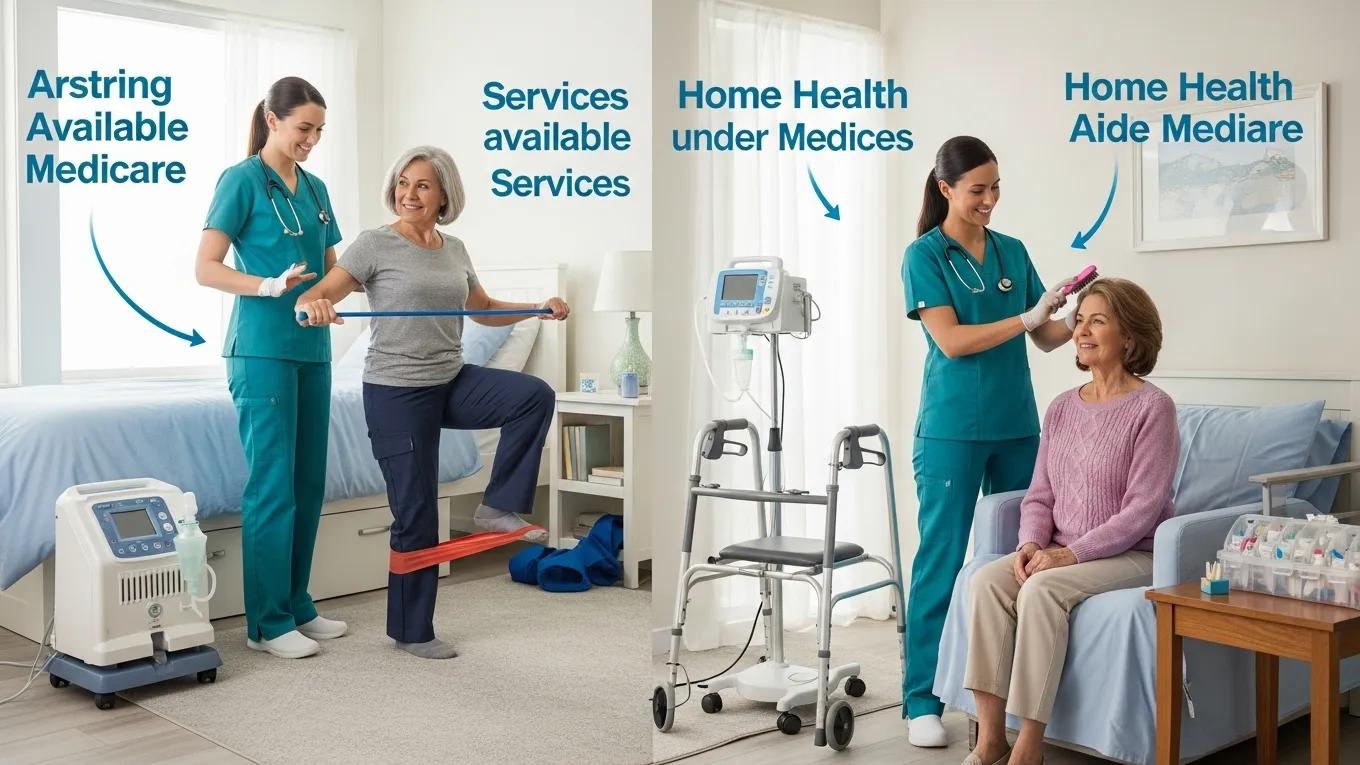
What Skilled Nursing and Therapy Services Does Medicare Cover at Home?
How Do Home Health Aide Services Fit into Medicare Coverage?
How Does the Patient Referral Process Work for Medicare Home Health Care?
Who Can Initiate a Referral to Ameri-Care Professional Service?
What Are the Steps to Secure Medicare-Covered Home Health Services?
What Are the Costs and Coverage Limits for Medicare Home Health Benefits?
Chronic Conditions & Medicare Home Health Costs
Fifty percent of Medicare FFS beneficiaries were receiving care for one or more of these chronic conditions. The highest prevalence is observed for diabetes, with nearly one-fourth of the Medicare FFS study cohort receiving treatment for this condition (24.3 percent). As the number of chronic conditions increases, the average per beneficiary Medicare payment amount increases dramatically. The annual Medicare payment amounts for a beneficiary with only one of the chronic conditions is $7,172. For those with two conditions, payment jumps to $14,931, and for those with three or more conditions, the annual Medicare payments per beneficiary is $32,498.
Prevalence of multiple chronic conditions in the United States' Medicare population, 2005